Looking for a writing challenge for beginners? Pick your November pace: Spark (10,000 words), Sprint (30,000) or Storm (50,000), and make it stick.
Bonus: Download the free Story Bible Starter Kit and plan your story section by section as you read.
Writing challenges have a way of turning "someday" into "this month". If you have never tried one, November is a good time to start. The Samhain Story Sprint runs from 1 to 30 November, it is free, and it lets you pick a pace that suits you.
- Spark: 10,000 words, about 333 words a day. The gentle way in.
- Sprint: 30,000 words, 1,000 words a day. The main challenge.
- Storm: 50,000 words, about 1,667 words a day. For experienced writers who want to go all out.
If this is your first writing challenge for beginners, here is how to choose, and how to make each pace work for you.
Spark: The Gentle Way In
Spark is the pace I would recommend to most beginners. At 333 words a day, about a page and a half, it fits around work, family and everything else November throws at you. It is about building the habit of turning up, not about heroic word counts. On the last day you add 10 extra words, and those become the closing line of your Samhain story. If you are not sure you can write every day, start here.
Embracing Micro-Prompts and Sensory Details
The core of a Spark challenge often lies in micro-prompts. These are tiny, unassuming starting points, typically a single word, a short phrase, or even an image. The beauty of them is their brevity; they don't demand a fully fleshed-out narrative. Instead, they invite exploration, encouraging you to delve into your senses, memories, and emotions. Take a prompt like "the scent of rain". It is not asking for a story about rain, just the feeling of it.
You might write about the earthy smell rising from wet roads, the metallic tang in the air before a storm, or the way it clings to your coat. You are not building a plot, just painting with words and noticing how each choice changes the picture. This exercise, focusing on sensory details, was incredibly freeing. It taught me the power of observation and how to translate those observations into evocative language, a fundamental skill for any writer.
It also helped me realise that writing didn't always have to be about grand narratives; sometimes, it was about capturing a fleeting moment, a vivid impression, or a nuanced feeling.
Journaling and Stream of Consciousness
Another powerful tool within the Spark category is journaling, particularly stream-of-consciousness writing. This isn't about meticulously recording daily events or feelings, but rather about letting your thoughts spill onto the page without filter or judgment. I often set a timer for five or ten minutes, pick up my pen (or open a blank document), and just write whatever comes to mind. It might be disjointed, repetitive, nonsensical even. The point isn't coherence; it's to bypass the internal editor, that critical voice that constantly whispers doubts and criticisms.
I discovered that by giving myself permission to write "badly," I actually started uncovering interesting ideas, unexpected turns of phrase, and even nascent story concepts that were buried beneath layers of self-censorship. This practice helped me to trust my own voice, to hear the authentic rhythm of my thoughts before I attempted to impose structure or plot. It’s like clearing a path through a dense forest; you just start hacking away at the undergrowth until you can see the way forward. For a beginner, this freedom from judgment is paramount.
It creates a safe space to experiment and to reconnect with the pure joy of putting words down.
Sprint: 1,000 Words a Day
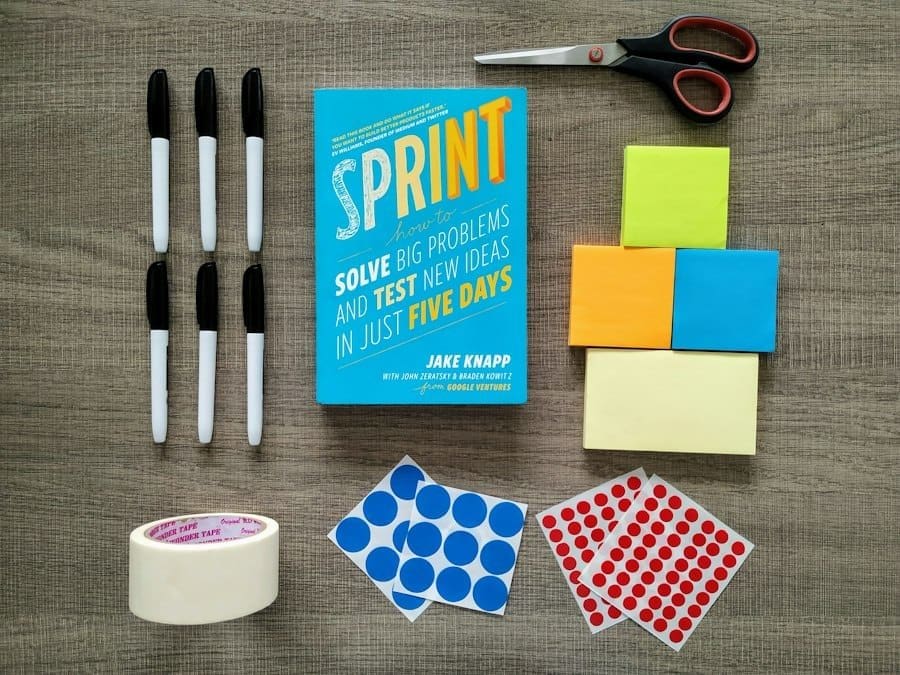
The Sprint is the heart of the challenge: 30,000 words in 30 days, or 1,000 words a day. That is about two pages, or 40 minutes of steady writing. It sounds like a lot until you break it into timed bursts. Two or three 25-minute sprints a day will get most writers there, and by 30 November you have a novella or the solid first half of a novel. If you have written before, or you want a real stretch, choose the Sprint.
Timed Writing Sessions
The most common form of a Sprint challenge is the timed writing session. This could be anything from 15 minutes to an hour, with the goal of writing continuously during that period. For me, the Pomodoro Technique (25 minutes of focused work followed by a 5-minute break) became an invaluable tool. During these 25-minute intervals, I would focus solely on getting words down, resisting the urge to edit, research, or even think too deeply about plot intricacies. The constraint of time paradoxically freed me.
Knowing I only had a limited window pushed me to bypass perfectionism and simply write. I learned to silence the inner critic by telling myself, "It's only 25 minutes. You can fix it later." This mindset shift was monumental. It transformed writing from a daunting task into a series of achievable mini-goals. I started seeing how much I could actually produce in a short, focused burst, and the cumulative effect was incredibly encouraging.
It’s about building writing stamina, one short burst at a time, showing yourself that consistent effort yields tangible results.
Micro-Story Challenges
Beyond just timed sessions, Sprints often involve micro-story challenges, where the goal is to complete a very short story (e.g., 500-1000 words) within a limited timeframe, perhaps a day or a weekend. These challenges often come with specific constraints, such as including a particular object, a character type, or a setting. These constraints, far from being restrictive, can be incredibly liberating for beginners. They provide a framework, reducing the overwhelming number of choices that can paralyse a new writer.
Say the prompt is a lost umbrella and a secret meeting. The elements are simple, but combining them forces you to think creatively about plot, character motivation, and setting the scene, all within a manageable scope. It wasn't about crafting a masterpiece; it was about finishing a complete narrative arc, however small. The feeling of accomplishment when I completed those micro-stories was immense.
It proved to me that I could conceive of an idea, develop it, and bring it to a conclusion, a critical step in building confidence for larger projects. These challenges build the muscle of narrative construction, helping to connect isolated ideas into a cohesive whole.
+ Join Our Writing Community for FREE
Chain Story Online
Fun, free, flash fiction writing with writers just like you. You have ~100 words to begin a story or continue a story and make it yours.
Story Bible Studio
Digital space for writers to plot, plan, and build better stories. Designed by writers for writers. Your final draft awaits.
Storm: The Full 50,000

Storm is 50,000 words in 30 days, about 1,667 words a day. That is the full-novel goal many writers know from the old NaNoWriMo days, and it is a lot: well over an hour of writing every single day. I would not pick Storm for a first challenge unless you have finished long pieces before and have the time to spare. If you do, plan before you start. Know your characters, your ending and roughly how you get there.
Dedicated Project Focus
A Storm challenge typically centres around a single, more substantial project. This could be a short story collection, a novella, or even a significantly developed chapter of a novel. The duration might be a week, a month, or even longer, with daily writing goals. The difference from Sprints is the sustained focus on one overarching narrative. I found this particularly challenging because it required a level of commitment and structural planning that the shorter challenges didn't demand. I had to think about character arcs, plot progression, world-building, and maintaining consistency across multiple writing sessions.
It was during these challenges that I truly began to grapple with the complexities of storytelling. I discovered the importance of outlining (even a loose one), of developing compelling characters, and of understanding the pacing of a narrative. The pressure was higher, yes, but so was the potential reward. The feeling of seeing a longer project take shape, of characters growing and evolving under my pen, was incredibly satisfying. It was no longer just about getting words down; it was about shaping a world, crafting a compelling journey for both my characters and my readers.
Overcoming Creative Plateaus and Resistance
A significant aspect of a Storm challenge is learning to push through creative plateaus and resistance. When you're working on a longer project, it's inevitable that you'll encounter moments of self-doubt, writer's block, or simply a loss of enthusiasm. These challenges force you to confront those moments head-on and develop strategies for overcoming them. I learned the importance of "showing up" even when I didn't feel inspired. Sometimes, the act of simply sitting down at my desk and opening my document was enough to kickstart the creative process.
Other times, I had to employ different tactics: rereading what I'd already written, freewriting about a problematic scene, or taking a short walk to clear my head. The key was to never completely abandon the project, even if progress was slow. I discovered that consistency, even when inspiration wanes, is the backbone of any serious writing endeavour. These challenges teach resilience and discipline, turning a beginner into someone who can navigate the inevitable ups and downs of a writing career.
It’s about building mental fortitude and showing yourself that you are capable of seeing a larger creative vision through to completion.
The Power of Community and Feedback
Regardless of whether you choose a Spark, Sprint, or Storm challenge, one element remains consistently vital: community. When I first started writing, I felt incredibly isolated. My words felt precious and vulnerable, and the thought of sharing them with anyone was terrifying. However, I quickly learned that connecting with other writers, even in a small capacity, was not just helpful but essential for growth. The act of sharing your work, even in its rawest form, and receiving constructive feedback, is a transformative experience that accelerates learning and builds confidence.
Joining Online Writing Groups
The internet has democratised access to writing communities, and for a beginner, online groups are an absolute godsend. Story Bible Studio groups, Facebook, Reddit and dedicated writing forums all offer spaces where writers of all levels can connect, share prompts, participate in challenges, and offer feedback. I joined a few such groups, cautiously at first, observing the interactions before daring to post my own work. The first time I shared a piece I'd written during a Spark challenge, my heart was pounding.
But the responses I received were overwhelmingly supportive and constructive. I learned to differentiate between valid criticism and subjective preference, and more importantly, I learned how to receive feedback without taking it personally. Other writers could point out inconsistencies I'd missed, suggest alternative phrasing, or simply offer encouragement that kept me going. This external validation, coupled with gentle critique, was invaluable. It helped me see my writing through fresh eyes and understand its impact on a reader.
It also created a sense of camaraderie, reminding me that I wasn't alone in my struggles or triumphs.
The Value of Beta Readers and Critiques
As I progressed to Sprint and Storm challenges, the need for more structured feedback became apparent. This is where beta readers and critique partners come into play. A beta reader is someone who reads your draft to give you general impressions, pointing out what works and what doesn't from a reader's perspective. A critique partner often delves deeper, offering more detailed analysis of plot, character, pacing, and prose. A good critique partner can be one of the best things that ever happens to your writing.
Swap work regularly and give each other honest, thoughtful feedback. A good partner catches grammatical slips, challenges character motivations and questions plot holes you had not even considered. The key to a successful critique relationship is mutual respect and a shared goal of improving each other's work. It requires vulnerability and the ability to listen with an open mind. This process has not only refined my writing but has also sharpened my critical eye, allowing me to better self-edit and analyse other works.
It’s a reciprocal process that elevates both parties, transforming raw drafts into polished pieces.
Sustaining the Momentum and Evolving Your Practice
The journey of a writer is rarely linear. It's a continuous process of learning, experimentation, and adaptation. Once you've explored Spark, Sprint, and Storm challenges, the next step is to integrate these practices into a sustainable writing routine and to continuously evolve your craft. I've learned that the 'challenge' mindset doesn't have to end; it can simply morph into a consistent, self-directed approach to improvement. The goal is not just to complete a challenge, but to build a lasting and fulfilling writing habit.
Integrating Challenges into a Routine
After trying various challenges, I realised that the most effective approach was to integrate elements of each into my regular writing routine. On days when I feel creatively blocked or overwhelmed, I revert to a 'Spark' approach, using a micro-prompt or freewriting to get the words flowing. When I'm working on a specific scene or a short story, I'll employ a 'Sprint' mentality, setting a timer and aiming for a specific word count.
And when I'm deep into a larger project, I'll embrace the 'Storm' by dedicating longer, uninterrupted blocks of time to writing, pushing through any resistance that arises. This flexible approach allows me to adapt my practice to my energy levels, my current project, and my creative needs on any given day. It’s about building a toolbox of strategies that I can draw upon as needed, rather than sticking rigidly to one method.
The challenges, in essence, taught me how to be my own writing coach, diagnosing my needs and applying the appropriate 'cure.'
Continuous Learning and Experimentation
Finally, sustaining momentum in writing means embracing continuous learning and experimentation. The world of writing is vast, with endless genres, styles, and techniques to explore. A beginner's journey doesn't end after mastering the basics; it simply opens up new avenues for exploration. I've found immense value in reading widely, not just in my preferred genres, but also dipping into poetry, non-fiction, and experimental literature. Analysing how different authors craft their sentences, develop their characters, and structure their narratives provides an invaluable education.
I also regularly try new prompts, experiment with different points of view, or attempt genres I've never considered before. This keeps the writing process fresh and exciting, preventing stagnation and fostering growth. Whether it's taking an online course, attending a workshop, or simply challenging myself to write a poem every day for a week, the spirit of the 'challenge' continues to fuel my evolution as a writer. The journey never truly ends, and that, to me, is the most exciting part of all.
Final Thoughts on a Writing Challenge for Beginners
If you are new to all this, start smaller than you think. Pick Spark, join a group and turn up for 333 words a day. If it feels easy by week two, push on towards the Sprint target. What matters is that on 30 November you have a story that did not exist at Halloween.
Join a free group in Story Bible Studio for your pace: Spark, Sprint or Storm. Keep your characters and notes beside your draft in Story Bible Studio, and if you would rather write with others, try a round on Chain Story Online.
Ready for November? Sign up free to Story Bible Studio to track your words and run timed sprints, follow the 30-day novel writing plan, and find every detail on the Samhain Story Sprint page.
Related reading: 1,000 Words a Day With a Full-Time Job: A Realistic Samhain Story Sprint Schedule · Writing Sprints With Friends: How to Run Them During the Samhain Story Sprint
Enda Storrie is a writer and the creator of Story Bible, the planning journal and app for writers, and Chain Story Online, a free collaborative storytelling platform.
P.S. Enjoyed this? Become an insider and I'll send you one of my favourite posts every couple of weeks.