Rural remote working in Ireland: broadband, hubs, community, costs and the honest pros and cons of working from the countryside.
My Personal Odyssey: A Rural Remote Work Experiment
It was a crisp autumn morning when I packed my city life into a few boxes, waved goodbye to the incessant drone of traffic, and set off for what I hoped would be a new chapter: rural remote work in Ireland. The allure was undeniable – the promise of a calmer existence, a deeper connection to nature, and the romantic notion of contributing to my work from a cottage nestled amidst rolling green hills. I had spent years in a bustling urban environment, and while the energy was intoxicating at times, the constant grind had begun to wear me down.
My decision wasn't impulsive; it was a carefully considered escape, fueled by the pandemic's acceleration of remote work and a yearning for something more authentic. This wasn't just about a change of scenery; it was about a fundamental shift in how I lived and worked, an experiment in sustainable living and professional fulfillment. I imagined myself waking to birdsong, taking invigorating walks during my lunch break, and finding a renewed sense of purpose in the quietude. Little did I know the full spectrum of experiences, both exhilarating and frustrating, that awaited me in my rural Irish haven.
The Initial Appeal and My Motivations
My motivations for this leap were multifaceted. Firstly, the financial implications of city living had become unsustainable. Rent, transport, and the general cost of living were draining my resources, leaving little room for savings or personal pursuits. Moving to a more affordable rural area promised a significant improvement in my financial well-being. Secondly, the constant noise and pollution of the city were taking a toll on my mental health. I craved clean air, starry nights, and the gentle rhythm of nature. I envisioned a life where stress was replaced by serenity, and productivity flowed from a place of calm, not anxiety.
Thirdly, the pandemic had irrevocably altered the landscape of work. My company, like many others, had embraced remote work, making this move not just feasible but, in many ways, encouraged. I saw an opportunity to redefine my relationship with work, to integrate it more seamlessly with a lifestyle that prioritized well-being. Finally, there was a deep-seated romanticism about rural Ireland. The stories, the history, the breathtaking landscapes – I felt a pull towards its unique charm and character, a desire to immerse myself in its culture and community.
In exploring the topic of rural remote working in Ireland, it's essential to consider the broader implications of digital tools and platforms that facilitate this lifestyle. A related article that delves into the benefits of leveraging technology for business success is available at Unleashing the Power of WordPress Websites for Your Business Success. This article highlights how effective online presence can empower remote workers in rural areas, enabling them to connect with clients and markets more efficiently, thus enhancing the overall viability of remote work in these regions.
The Untamed Beauty and Undeniable Benefits
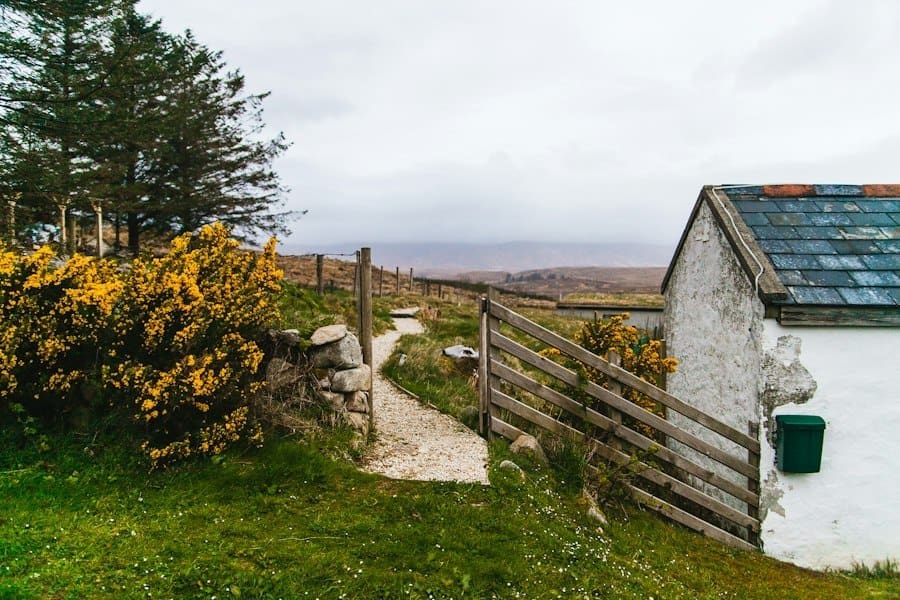
My first few weeks in the Irish countryside were a whirlwind of exhilaration and adjustment. The sheer beauty of the landscape was, and continues to be, breathtaking. Rolling emerald hills, ancient stone walls, and the ever-present sound of the wind whispering through the trees became my daily backdrop. It was a constant reminder of the profound connection I sought.
A Sanctuary for My Well-being
Perhaps the most immediate and profound benefit I experienced was the dramatic improvement in my mental and physical well-being. The absence of urban clamor was a revelation. I found myself sleeping more soundly, waking refreshed and ready to tackle the day. My stress levels plummeted, replaced by a sense of calm and clarity.
Enhanced Focus and Productivity
Without the constant distractions of city life – the sirens, the crowded streets, the endless stream of social engagements – I found my focus sharpening considerably. My ability to concentrate on complex tasks improved, and I noticed a significant uptick in my productivity. The quietude of my surroundings allowed for deeper, more sustained periods of work, free from interruptions. I could delve into projects with a singular intensity that was often elusive in my previous environment. This wasn't just about working more hours; it was about working smarter, with greater efficiency and less mental fatigue.
Access to Nature and Outdoor Activities
Living amidst such natural beauty offered an unparalleled opportunity for outdoor activities. Daily walks or runs along country lanes, often accompanied by the bleating of sheep or the sight of a hawk soaring overhead, became an integral part of my routine. These breaks weren't just physical; they were mental resets, allowing me to clear my head, gain perspective, and return to my work with renewed energy. I also started exploring hiking trails, cycling routes, and even took up a bit of gardening, cultivating a small patch of land that provided both fresh produce and a sense of grounding. The sheer accessibility of nature was a constant source of inspiration and rejuvenation.
A Stronger Sense of Community
One aspect I hadn't fully anticipated, but deeply appreciated, was the warmth and strength of the local community. In the city, interactions were often fleeting and transactional. Here, people knew each other, looked out for one another, and were genuinely interested in newcomers. I quickly found myself welcomed into local events, from village fêtes to pub quizzes, and began to forge meaningful connections. This sense of belonging was incredibly comforting and provided a vital social fabric that enriched my life beyond just work. There's a particular kind of camaraderie that blossoms in smaller communities, a shared understanding and mutual support that I found deeply rewarding.
Financial Freedom and a Simpler Lifestyle
The financial advantages of this move were equally significant. The cost of living, particularly housing, was a fraction of what I had been paying in the city, allowing me to save more and reduce my financial anxieties considerably.
Reduced Cost of Living
My monthly expenses, from rent and utilities to groceries and entertainment, saw a substantial reduction. This newfound financial breathing room allowed me to invest in my long-term goals, pursue hobbies I had previously put on hold, and simply enjoy a greater sense of security. The pressure to constantly earn more, just to keep pace with urban living, diminished significantly. This reduction in financial stress was a huge weight lifted from my shoulders, allowing me to approach my work with less anxiety and more creativity.
A More Sustainable Way of Life
Beyond the financial benefits, living in a rural area naturally steered me towards a more sustainable and less consumerist lifestyle. The emphasis shifted from acquiring more possessions to appreciating experiences and fostering community. I found myself relying less on convenience and more on self-sufficiency, whether it was through growing some of my own food, repairing instead of replacing, or simply making more conscious choices about my consumption patterns. This alignment with my values of sustainability brought a deep sense of satisfaction and purpose. It was a tangible way to reduce my environmental footprint and live in greater harmony with my surroundings.
+ Join Our Writing Community for FREE
Chain Story Online
Fun, free, flash fiction writing with writers just like you. You have ~100 words to begin a story or continue a story and make it yours.
Story Bible Studio
Digital space for writers to plot, plan, and build better stories. Designed by writers for writers. Your final draft awaits.
The Inevitable Hurdles and Unexpected Challenges
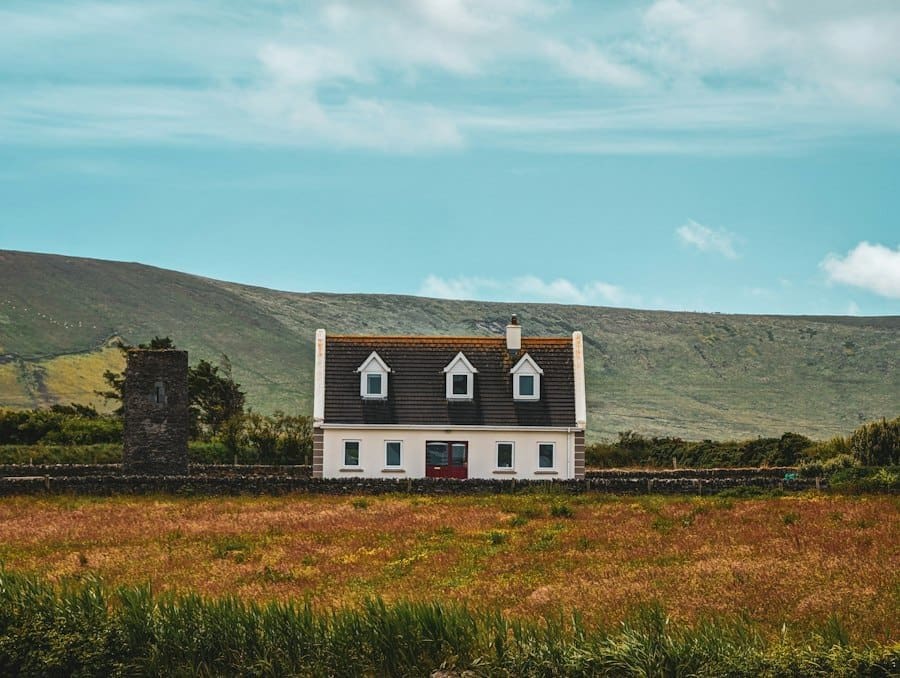
While the benefits were numerous and deeply gratifying, my rural remote work experiment wasn't without its share of difficulties. The idyllic picture I had painted for myself sometimes clashed with the stark realities of rural living.
Connectivity Concerns and Infrastructure Limitations
The most persistent and often frustrating challenge I faced was undoubtedly related to connectivity and infrastructure. In the digital age, a reliable internet connection is the lifeblood of remote work, and here, it often felt like I was working with a flickering candle instead of a floodlight.
Unreliable Internet Access
My internet connection, while present, was frequently unreliable. There were days when calls dropped, large files refused to upload, and video conferences became pixelated nightmares. This wasn't just an inconvenience; it directly impacted my ability to perform my job effectively and meet deadlines. I found myself constantly troubleshooting, researching alternative providers, and even, at times, resorting to driving to the nearest town with a café offering stronger Wi-Fi just to send an urgent email. The constant worry about internet outages was a significant source of stress, undermining the very tranquility I had sought. I learned to preemptively download important documents and became adept at tethering my phone, but these were workarounds, not solutions.
Limited Public Transportation
Another significant hurdle was the almost complete absence of public transportation. My car, which I rarely used in the city, became an absolute necessity. Trips to the nearest town for groceries, errands, or appointments required careful planning and a considerable amount of driving. This reliance on a private vehicle not only added to my expenses but also limited my spontaneity and independence, particularly if I needed to travel further afield for work-related events. The isolation could be quite pronounced on days when I couldn't or didn't want to drive.
Scarce Local Amenities and Services
Compared to the abundance of services and amenities in urban areas, my rural locale offered a much leaner selection. While a small local shop provided essentials, anything beyond that – a wider range of groceries, specialist medical services, or diverse cultural events – required a trip to a larger town, often a significant drive away. This meant more time spent planning and traveling for basic necessities, and a noticeable reduction in spontaneous activities like going to the cinema or trying a new restaurant. It required a complete recalibration of my expectations and a more proactive approach to managing my daily life.
The Social and Psychological Adjustments
Beyond the practicalities, there were also subtle but significant social and psychological adjustments I had to make. The quietude, while initially welcome, could sometimes tip into a feeling of isolation.
Potential for Isolation and Loneliness
While the community was welcoming, the sheer physical distance between neighbors and the slower pace of social interaction could, at times, lead to feelings of isolation. Without the casual encounters of a city street or the ease of meeting friends for an impromptu coffee, I had to actively seek out social engagement. This required a conscious effort to join local groups, attend events, and initiate conversations, which could be challenging on days when work felt overwhelming or the weather was particularly inclement. The absence of immediate colleagues for a quick chat or a shared coffee break was also a void I felt keenly.
Adapting to a Slower Pace of Life
The shift from a fast-paced urban environment to a more deliberate rural rhythm was a constant process of adaptation. While I craved the slower pace, there were moments when I missed the efficiency and instant gratification of city life. Tasks that took minutes in the city – like ordering food delivery or accessing specialized services – could take hours or even days in the countryside. This required a profound shift in mindset, embracing patience and a more relaxed approach to daily life, which wasn't always easy.
Limited Professional Networking Opportunities
One of my biggest concerns as a remote worker is the limited professional networking opportunities in a rural setting. In the city, industry events, casual meetings, and impromptu coffees with colleagues were abundant. Here, those opportunities were virtually non-existent. This meant I had to be much more proactive in seeking out online networking events, virtual conferences, and actively maintaining my professional connections through digital channels. The absence of a physical professional community could feel isolating and raise concerns about career progression and staying current with industry trends.
My Strategies for Thriving in Rural Remote Work
Despite the challenges, I was determined to make my rural remote work experiment a success. I quickly realized that thriving in this environment required a proactive approach and a willingness to adapt.
Building a Robust Work-Life Integration
The key for me was not just balancing work and life, but truly integrating them in a way that felt natural and sustainable. This meant blurring some of the traditional lines, but in a way that empowered me.
Establishing a Dedicated Workspace
One of the first things I did was to create a dedicated workspace within my cottage. While the temptation to work from the couch or kitchen table was strong, I knew the importance of clear boundaries. My workspace, even if small, became my professional sanctuary. It was equipped with a comfortable chair, an external monitor, and all the tools I needed to be productive. This physical separation, however subtle, helped me switch into "work mode" and maintain focus, signaling to myself and others that I was at work.
Embracing Structured Routines
While the rural pace was slower, I found that maintaining a structured daily routine was crucial for productivity and well-being. I established clear start and end times for my workday, scheduled regular breaks for walks and meals, and even set aside specific times for personal tasks and hobbies. This routine provided a framework that prevented my work from spilling endlessly into my personal life and helped me maintain a sense of discipline and control. It allowed me to harness the tranquility of my surroundings without becoming directionless.
Prioritizing Self-Care and Outdoor Engagement
Knowing the potential for isolation and the importance of mental well-being, I made self-care a non-negotiable priority. This included daily walks in nature, engaging in hobbies like reading and gardening, and dedicating time to mindfulness practices. These activities weren't just a luxury; they were essential for recharging my batteries, managing stress, and preventing burnout. The easy access to nature became my greatest ally in this regard, offering an immediate and powerful antidote to screen fatigue and mental exhaustion.
Cultivating Connection and Overcoming Isolation
Actively combating isolation was another critical aspect of my success. I understood that the beauty of my surroundings wouldn't negate the human need for connection.
Actively Engaging with the Local Community
I made a conscious effort to immerse myself in the local community. I joined a book club, attended local markets, and even volunteered for a community project. These engagements provided invaluable opportunities to meet new people, build friendships, and feel truly embedded in the fabric of the village. The warmth and generosity of the local people were incredible, and by actively participating, I found myself quickly forming a support network. It required stepping out of my comfort zone, but the rewards were immeasurable.
Nurturing Online Professional and Social Networks
While face-to-face networking was limited, I doubled down on nurturing my online professional and social networks. I regularly participated in industry forums, attended virtual conferences, and scheduled regular video calls with former colleagues and friends. This ensured I stayed connected to my professional field, learned about new developments, and maintained a vital sense of belonging to a broader community beyond my immediate locale. These digital connections were a lifesaver, especially during moments when I felt the pang of professional isolation.
Utilizing Technology for Communication
Technology became my primary tool for bridging the geographical divide. Video calls with my team, instant messaging for quick queries, and collaborative online platforms kept me seamlessly connected to my work and colleagues. I invested in good quality video conferencing equipment and ensured I had backup internet solutions whenever possible. This proactive approach to leveraging technology minimized disruptions and allowed me to contribute effectively to my team, regardless of my physical location. It was about making the technology serve my needs, rather than being limited by it.
In exploring the dynamics of rural remote working in Ireland, it is essential to consider various perspectives on the subject. A related article discusses the benefits and drawbacks of remote work in a broader context, providing valuable insights that can enhance our understanding of this trend. You can read more about these aspects in the article on remote work, which highlights the evolving landscape and its implications for workers and employers alike. For further details, check out the article here.
If you're looking for a collaborative writing platform, check out Chain Story Online. It's a great way to connect with other writers and create stories together. Many users have found inspiration and creativity through Chain Story Online.
My Reflections on the Future of Rural Remote Work
As I look back on my journey, I realize that my rural remote work experiment has been a profound learning experience, offering insights not just into my own working habits but also into the broader implications for the future of work in Ireland and beyond.
The Evolving Landscape of Work
I believe the pandemic has irrevocably altered our perception of where and how work can be done. The forced shift to remote work demonstrated its feasibility on a grand scale, and I see a future where geographical location becomes less of a barrier to professional opportunity. This is particularly exciting for rural areas like mine, which have historically faced challenges in retaining talent and attracting investment.
Potential for Rural Regeneration
One of the most compelling aspects of this shift is the immense potential for rural regeneration. As more individuals and families choose to relocate to the countryside for the quality of life it offers, they bring with them their skills, their spending power, and their diverse perspectives. This influx of people can breathe new life into struggling local economies, supporting local businesses, stimulating demand for services, and even fostering innovation. I've already seen subtle signs of this in my own community, with new small businesses emerging and a renewed vibrancy in local initiatives. It offers a genuine pathway to decentralizing economic activity and fostering more balanced regional development.
Challenges for Infrastructure Development
However, this potential can only be fully realized if there is a concerted effort to address the underlying infrastructure challenges. Reliable high-speed internet is not a luxury; it is a fundamental utility for remote workers. Investment in broadband infrastructure, alongside improvements in public transportation and local amenities, will be crucial to supporting a sustainable and equitable transition to rural remote work. Without these foundational elements, the dream of a rural renaissance risks remaining just that – a dream. I've witnessed firsthand how frustrating slow internet can be, and it's a barrier that must be overcome for widespread adoption.
My Personal Outlook and Recommendations
My personal outlook on rural remote work remains overwhelmingly positive, tempered by a realistic understanding of its complexities. It’s a lifestyle choice that requires careful consideration and a willingness to adapt, but the rewards, for me, have far outweighed the difficulties.
The Importance of Personal Suitability
My experience has taught me that rural remote work is not for everyone. It requires a certain level of self-discipline, a comfort with solitude, and a proactive approach to building connections. Individuals who thrive on constant external stimulation and a fast-paced social life might find the transition challenging. It’s important for anyone considering this path to honestly assess their own personality and working style to determine if it aligns with the demands and rhythms of rural living. Self-awareness is key.
A Hybrid Model as the Future
Final Thoughts on Rural Remote Working
While I love my rural life, I envision a future where a hybrid model of work becomes increasingly prevalent. This would involve a blend of remote work from home with occasional visits to a central office for team collaboration, strategic planning, and professional development. This approach offers the best of both worlds: the peace and cost-effectiveness of rural living combined with the benefits of face-to-face interaction and access to urban resources. For me, this balance would offer optimal professional growth and personal well-being, allowing me to maintain my connection to my team and industry while still enjoying the tranquility of my Irish home. It’s about finding the right equilibrium that maximizes both productivity and quality of life.
Next step: Want to go further? Read the best free tools for remote teams.
Related reading: Slow Broadband? How to Get Better Internet for Remote Work · Ireland's Remote Working Hubs: A Guide to Connected Hubs
Enda Storrie is a writer and the creator of Story Bible, the planning journal and app for writers, and Chain Story Online, a free collaborative storytelling platform.