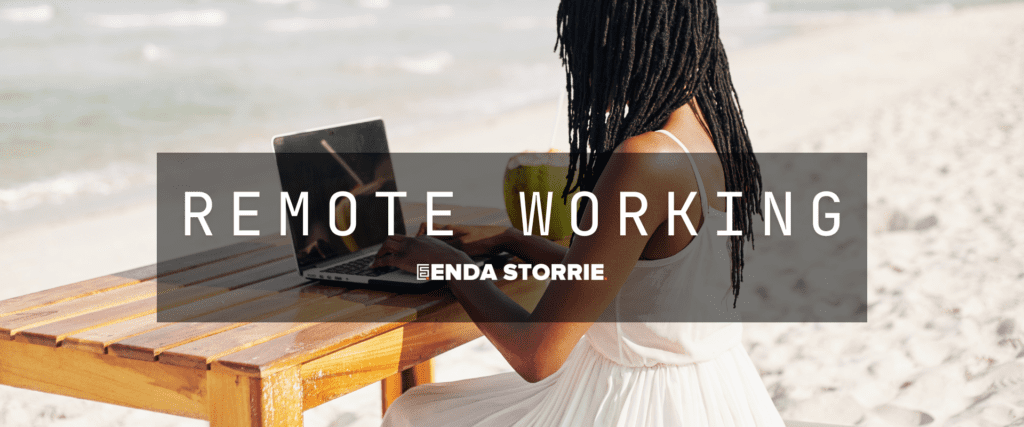
Ireland's remote working hubs explained: what Connected Hubs offer, how to book a desk and why a hub can beat working from home.

My Journey into Ireland's Connected Hubs Initiative
As someone who has embraced the flexibility of remote work for years, the concept of a dedicated network of co-working spaces across Ireland immediately piqued my interest. The thought of escaping the isolation of my home office, even occasionally, while still maintaining the autonomy of remote employment, was incredibly appealing. I'd heard whispers about the "Connected Hubs" initiative, a government-backed program aiming to transform how we work and live in Ireland, particularly outside of the traditional urban centers.
This wasn't just about providing desks; it was about fostering communities, stimulating regional development, and offering a tangible alternative to the daily commute. My journey into understanding and experiencing these hubs began with a simple curiosity, which quickly evolved into a deeper dive into their structure, benefits, and the very real impact they are having on Irish society and my own working life.
I wanted to understand not just what they offered, but why they mattered, and how they were shaping the future of work in this beautiful country.
My initial research quickly revealed that Connected Hubs is more than just a list of locations. It's a strategic effort to leverage the power of technology and connectivity to revitalize rural towns and villages. The pandemic, while disruptive, undoubtedly accelerated this shift, demonstrating the viability of remote work on an unprecedented scale. Ireland, with its robust broadband infrastructure and a culture that values community, was perfectly positioned to capitalize on this transformation.
I found myself envisioning a future where I could seamlessly transition between my home office, a vibrant co-working space in a picturesque village, and perhaps even another hub closer to family, all while maintaining my productivity and professional connections. This wasn't just a pipe dream; it was becoming a tangible reality thanks to this initiative.
The Genesis of a National Network
The seeds of the Connected Hubs initiative were sown long before the global shift to remote work became a necessity. For years, there had been discussions about addressing regional imbalances, supporting entrepreneurship in rural areas, and stemming the tide of outward migration from smaller communities. The idea of "digital hubs" or "innovation centers" had been explored, but often in a piecemeal fashion. What made Connected Hubs different was its ambition: to create a national, integrated network. This wasn't about individual, isolated co-working spaces; it was about a unified platform that would allow users to access a multitude of locations with ease, sharing resources and fostering a sense of national community among remote workers.
I learned that the Department of Rural and Community Development, through the Minister for Rural and Community Development, has been a driving force behind this vision. They recognized the potential for remote work to decentralize economic activity, reduce traffic congestion in cities, and improve the quality of life for countless individuals. The initial phase involved identifying existing co-working spaces, community centers, and even underutilized buildings that could be repurposed and upgraded to meet the demands of modern remote work. This wasn't about building entirely new structures from scratch in every location, though some new developments were certainly part of the plan. It was about leveraging existing infrastructure and empowering local communities to create their own vibrant work environments.
My First Exploration: Navigating the Connected Hubs Platform
My first practical step was to explore the Connected Hubs website. I was pleasantly surprised by its user-friendliness and comprehensive nature. The interactive map, in particular, was a revelation. It allowed me to visually scan the country and pinpoint hubs in locations I might be interested in. Each hub had its own dedicated profile page, offering a wealth of information: facilities available, pricing structures, booking options, and even local amenities. I found myself lost in a delightful rabbit hole, imagining myself working from a hub overlooking a tranquil lake in County Clare, or perhaps a bustling town center hub in County Cork.
The platform's booking system seemed intuitive. I could filter hubs by specific criteria – did I need a private office for a day, or just a hot desk for a few hours? Did I require high-speed broadband, video conferencing facilities, or even a podcast studio? The range of options was impressive, reflecting the diverse needs of remote workers. This wasn't just about providing a desk and Wi-Fi; it was about creating adaptable environments that catered to various work styles and demands. I appreciated the transparency regarding pricing, which varied depending on the hub and the services chosen, but generally seemed competitive with other co-working options I had encountered.
For those interested in exploring the benefits and opportunities of remote work in Ireland, a related article titled "Ireland's Remote Working Hubs: A Guide to Connected Hubs" provides valuable insights into the various hubs available across the country. This guide not only highlights the features of these hubs but also discusses how they can enhance productivity and work-life balance for remote workers. To further expand your understanding of remote work resources, you can check out this informative article at Ireland's Remote Working Hubs: A Guide to Connected Hubs.
The Diverse Landscape of Connected Hubs
What struck me most as I delved deeper into the Connected Hubs initiative was the sheer diversity of the hubs themselves. This wasn't a cookie-cutter approach; each hub possessed its own unique character, reflecting the community it served and the vision of its local operators. I realized that this individuality was a strength, allowing me, as a remote worker, to choose an environment that best suited my mood, my tasks, or even my desire for a change of scenery. From bustling town-center hubs to serene rural retreats, the options felt endless, each promising a different kind of experience.
Urban Innovation and Rural Revitalization
I observed a clear distinction, yet an equally important synergy, between the hubs located in more urbanized regional towns and those nestled in truly rural settings. The urban hubs often felt like extensions of the cities themselves – modern, sleek, and focused on fostering entrepreneurial ecosystems. They frequently partnered with local businesses, educational institutions, and even government agencies to offer workshops, networking events, and mentorship programs. These hubs were clearly designed to attract start-ups, scale-ups, and individuals looking for a dynamic, collaborative environment with easy access to a wider range of services. I could imagine myself using such a hub for a day of intense brainstorming or for connecting with potential collaborators.
Conversely, the rural hubs had a distinct charm and purpose. Many were located in beautifully restored historic buildings, breathing new life into old structures and acting as anchors for their communities. These hubs often emphasized work-life balance, offering proximity to natural beauty and a slower pace of life. They seemed to attract individuals seeking an escape from the urban grind, people who valued community connection and a more integrated lifestyle.
I pictured myself taking a break from work to stroll along a quiet country lane or grab a coffee with a local artisan – experiences that my city-based home office couldn't offer. The beauty was that I didn't have to choose permanently; the network allowed me to move between these different environments as my needs and preferences shifted.
The Spectrum of Amenities and Services
Beyond location, the amenities offered by individual hubs were incredibly varied. While high-speed broadband and comfortable workstations were universal prerequisites, many hubs went above and beyond. I saw profiles mentioning dedicated podcasting studios, professional photography setups, and even small manufacturing spaces equipped with 3D printers and laser cutters. This level of specialization indicated a forward-thinking approach, recognizing that remote work isn't just about traditional office tasks but encompasses a vast array of creative and technical professions.
For my own needs, I particularly valued the presence of reliable video conferencing facilities and quiet private meeting rooms. As a remote worker, a significant portion of my day is spent in virtual meetings, and the quality of the technology can make or break a collaboration. Knowing that I could book a professional space with excellent acoustics and robust internet connectivity was a huge draw. I also appreciated the "hot desking" options for days when I simply needed a change of scenery and didn't require a dedicated space. The flexibility to choose between a daily pass, a weekly membership, or even a monthly subscription catered to diverse working patterns, something that resonated deeply with my desire for autonomy.
Community Building and Networking Opportunities
One of the most compelling aspects of the Connected Hubs network, for me, was its emphasis on community. Remote work, while offering flexibility, can sometimes lead to isolation. These hubs, I quickly realized, were designed to combat that very issue. Many hubs actively promoted networking events, workshops, and informal social gatherings. I saw examples of hubs hosting "lunch and learns," skill-sharing sessions, and even casual coffee mornings – all designed to bring remote workers together, foster collaboration, and build a sense of belonging.
I imagined the serendipitous encounters that could occur in such spaces. Perhaps I'd overhear a conversation about a project I could contribute to, or meet someone who could offer valuable insights into a challenge I was facing. The potential for cross-pollination of ideas and skills was immense. This wasn't just about shared physical space; it was about creating a shared experience, a sense of collective purpose among individuals who, despite working for different organizations or on different projects, were united by their choice of remote work and their connection to the local community. This promise of genuine connection was, for me, a powerful antidote to the potential loneliness of working from home.
+ Join Our Writing Community for FREE
Chain Story Online
Fun, free, flash fiction writing with writers just like you. You have ~100 words to begin a story or continue a story and make it yours.
Story Bible Studio
Digital space for writers to plot, plan, and build better stories. Designed by writers for writers. Your final draft awaits.
The Tangible Benefits for Remote Workers and Communities
From my perspective as a remote worker, the benefits of Ireland's Connected Hubs are manifold and deeply impactful. They address not just the logistical challenges of remote work but also the psychological and social aspects. Furthermore, I recognize that the positive ripple effects extend far beyond individuals, contributing significantly to the vitality of the communities in which these hubs are embedded. This dual impact is, in my opinion, what makes the initiative so genuinely transformative.
Enhanced Productivity and Work-Life Balance
I've often found that working from home, while convenient, can sometimes blur the lines between personal and professional life. The Connected Hubs offer a crucial boundary. Stepping into a dedicated workspace, even for a few hours, immediately shifts my mindset into "work mode." The professional environment, free from the distractions of domestic life, allows me to focus more intensely and be significantly more productive. I appreciate the reliable high-speed internet – a constant concern in some rural home settings – and the availability of ergonomic furniture, which is often superior to my home setup. This improved physical environment directly translates to greater comfort and sustained concentration.
Crucially, this doesn't come at the expense of work-life balance; rather, it enhances it. By being more productive in the hub, I can often complete my tasks more efficiently, leaving me with more time and energy for personal pursuits, family, and leisure activities when I return home. The reduction in daily commute time, compared to traditional office-based roles, is also a significant factor. I've calculated the hours I save each week, and that time is invaluable – whether I use it for exercise, hobbies, or simply relaxing. This flexibility to choose where and when I work, within reason, is a cornerstone of my professional satisfaction.
Fostering Local Economies and Reducing Commute Stress
For the communities hosting these hubs, the economic benefits are palpable. As someone who visits these hubs, I find myself frequenting local cafes for my morning coffee, grabbing lunch from nearby eateries, and perhaps even popping into local shops for supplies. This increased footfall directly injects revenue into small businesses, supporting local jobs and helping to sustain the unique character of Irish towns and villages. It's a virtuous cycle: remote workers support local businesses, which in turn makes the community more attractive for other remote workers and residents.
Beyond direct spending, the hubs act as magnets for talent. They allow skilled professionals, like myself, to remain in or return to rural areas without sacrificing career opportunities. This retention of talent helps to diversify local economies, preventing over-reliance on traditional industries and fostering innovation. The reduction in car usage due to shorter commutes or no commutes at all also contributes to environmental sustainability and reduces traffic congestion in larger urban centers. I've personally experienced the stress of a long commute, and the ability to avoid it is not just a personal benefit but a societal one, leading to less carbon emissions and more pleasant environments for everyone.
Access to Professional Facilities and Support
One of the limitations I've sometimes faced when working from home is the lack of access to certain professional facilities. For instance, hosting a formal client meeting via video call from my spare room might not always project the most professional image. The Connected Hubs solve this problem by providing access to well-equipped meeting rooms, often with professional video conferencing technology. This allows me to conduct important business interactions with confidence, knowing that the environment is conducive to a positive impression.
Furthermore, many hubs offer administrative support services, such as printing, scanning, and sometimes even secretarial assistance. These seemingly small details can be incredibly helpful, especially for freelancers or small business owners who might not have the resources for such services at home. The presence of on-site technical support for internet issues or equipment malfunctions is also a huge relief; I've certainly experienced the frustration of troubleshooting Wi-Fi problems when a deadline is looming. These support structures free me up to focus on my core work, knowing that operational aspects are taken care of.
If you're looking for a collaborative writing platform, check out Chain Story Online. It's a great way to connect with other writers and create stories together. Many users have found inspiration and creativity through Chain Story Online.
My Personal Experience and the Future of Remote Work
My journey with Ireland's Connected Hubs has been overwhelmingly positive, shaping not only how I work but also how I envision my professional future. I've embraced the flexibility they offer, allowing me to tailor my work environment to my specific needs on any given day. This personal transformation, I believe, is a microcosm of the larger societal shift that the Connected Hubs initiative is designed to facilitate. It's about empowering individuals and communities to thrive in a rapidly evolving world of work.
Seamless Integration into My Workflow
What I've found most impressive is how seamlessly I've been able to integrate the Connected Hubs into my existing workflow. The booking platform is intuitive, allowing me to reserve a desk or a meeting room with just a few clicks. The "plug-and-play" nature of the hubs means I can arrive, connect my laptop, and be productive within minutes. I no longer feel tied to a single location or confined by the limitations of my home setup. On days when I need intense focus, I seek out a quiet corner in a hub. When I crave human interaction and collaboration, I choose a hub with a more open-plan layout or one known for its lively common areas.
I've also appreciated the consistency across the network. While each hub has its unique character, the underlying commitment to high-speed internet, reliable facilities, and a professional atmosphere remains constant. This consistency builds trust and allows me to confidently book a space in an unfamiliar town, knowing I'll have the tools I need to succeed. This freedom to choose my workspace, rather than being dictated by a fixed office location, has been incredibly liberating and has significantly contributed to my overall job satisfaction and well-being.
Overcoming Challenges and Future Enhancements
While my experience has been largely positive, I've also observed areas where further enhancements could solidify the network's long-term success. One challenge I've occasionally encountered is the varying level of community engagement between hubs. Some hubs are vibrant social hubs, actively organizing events and fostering connections, while others are more purely functional workspaces. As a user, I'd love to see a more consistent effort across the network to promote community building, perhaps through a shared event calendar or facilitated introductions.
Another area for potential improvement lies in the integration of services. While individual hubs offer excellent amenities, a more formalized system for cross-hub collaboration or resource sharing could be beneficial. For instance, if I needed a specialized piece of equipment only available at a hub 50km away, a mechanism for temporary transfer or booking access could be explored. Furthermore, as the network expands, ensuring consistent quality and up-to-date technology across all hubs will be crucial to maintaining user satisfaction. Continued investment in broadband infrastructure, particularly in the most remote areas, will also be vital to ensure that no community is left behind.
The Long-Term Impact on Irish Society
Looking ahead, I firmly believe that the Connected Hubs initiative will play a pivotal role in shaping the future of work and life in Ireland. It's more than just providing desks; it's about decentralizing economic opportunity, revitalizing rural towns, and creating a more balanced society. I envision a future where young professionals no longer feel compelled to move to Dublin or other major cities to pursue their careers, as they can access high-quality work environments and professional networks closer to home, or indeed, anywhere in the country.
This decentralization will, I hope, lead to more vibrant and diverse local economies, fostering entrepreneurship and innovation outside of traditional urban centers. It will also contribute to a better quality of life for many, reducing commute times, allowing for more time with family, and enabling individuals to live in communities that truly resonate with them. For me, personally, it opens up a world of possibilities – the chance to live in a beautiful, perhaps more rural, part of Ireland while still maintaining a fulfilling and connected professional life. The Connected Hubs are not just a response to a changing world; they are actively shaping a better future for Ireland and for remote workers like myself.
Ireland's Remote Working Hubs: A Guide to Connected Hubs offers valuable insights into the growing trend of remote work in the country. For those interested in exploring the broader implications of this shift, a related article discusses the benefits and drawbacks of remote work in 2024, highlighting key factors that individuals and businesses should consider. You can read more about this topic in the article on remote work by following this link.
Navigating the Network: Practical Advice for Remote Workers
For anyone considering embracing remote work, or for existing remote workers looking to enhance their experience, I wholeheartedly recommend exploring Ireland's Connected Hubs network. Based on my own extensive use and observations, I've compiled some practical advice to help you navigate the system effectively and maximize the benefits it offers.
Choosing the Right Hub for Your Needs
The first step, in my opinion, is to clearly define your needs. Are you an extrovert who thrives in a bustling, collaborative environment, or do you require absolute silence for deep work? Do you primarily need a hot desk for a few hours, or a dedicated private office for an extended period? Consider the amenities crucial to your work – high-speed internet is a given, but do you need specific video conferencing equipment, a podcast studio, or perhaps even access to specialized software?
I strongly advise using the Connected Hubs website's search filters and interactive map. Don't just look at hubs close to your home; consider locations that offer a change of scenery or are convenient for specific meetings or travel plans. Read the individual hub profiles carefully, paying attention to the photos, lists of facilities, and any testimonials. Some hubs specialize in certain sectors, like creative industries or tech, which might align well with your profession. Don't be afraid to try out a few different hubs with day passes before committing to a longer-term membership, if that's an option. My personal preference often shifts depending on the nature of my work that day, so having the flexibility to choose is key.
Understanding Booking and Membership Options
The booking systems vary slightly between hubs, but generally, they are user-friendly. Most hubs offer a range of options: pay-as-you-go day passes, weekly rates, and monthly memberships. I've found that for occasional use, day passes are perfect, offering flexibility without commitment. If you plan to use a hub regularly, a monthly membership often provides better value and can sometimes include perks like discounted meeting room rates or priority booking.
It's important to clarify what's included in each option. Does your day pass include unlimited coffee? Is printing extra? Are meeting room hours part of your monthly membership? These details can add up, so understanding the pricing structure upfront is crucial. I also recommend checking the cancellation policies, especially for private office bookings, as these can vary. Most hubs use an online booking portal, which I've found incredibly convenient, allowing me to book a space even late at night for the following day. Some hubs also offer a credit system, where you purchase credits that can be redeemed for various services, providing even greater flexibility.
Maximizing Your Hub Experience
Once you've chosen and booked your hub, consider how you can make the most of your time there. First, arrive prepared. Have your laptop charged, your headphones ready, and any necessary documents or supplies with you. While hubs offer amenities, bringing your essentials ensures a smooth start to your workday.
Secondly, don't be afraid to engage with the hub staff and other users. I've found that the hub managers are often excellent resources, knowledgeable about local amenities and great at facilitating connections. Strike up conversations with other remote workers. You never know who you might meet – a potential collaborator, a mentor, or simply a friendly face to share a coffee with. Many hubs have notice boards or digital screens announcing local events, workshops, or even casual social gatherings. Actively participating in these can significantly enhance your sense of community and expand your professional network.
Finally, remember that these hubs are more than just workspaces; they are community assets. Treat the facilities with respect, adhere to any house rules, and be mindful of your fellow co-workers. Contributing to a positive and productive atmosphere benefits everyone. My experiences have shown me that a friendly, cooperative attitude goes a long way in creating a truly supportive and inspiring remote working environment.
Ireland's Remote Working Hubs: A Guide to Connected Hubs offers valuable insights into the growing trend of remote work in the country. For those interested in exploring more about the benefits and challenges of remote working, you might find the article on remote work trends particularly enlightening. This resource delves into various aspects of remote work, including its impact on productivity and work-life balance, complementing the information provided in the guide to connected hubs.
The Broader Vision: Impacting Ireland's Future Workforce
As I reflect on my journey through Ireland's Connected Hubs, I can see a much larger vision unfolding – one that promises to reshape the very fabric of Ireland's workforce and rural landscape for generations to come. This isn't just about providing modern workspaces; it's about a strategic investment in the future, empowering individuals, fostering innovation, and building resilient communities across the country. My personal experience, while valuable, is merely a small piece of this grander narrative.
Driving Regional Development and Economic Balance
One of the most profound impacts I foresee is the significant contribution to regional development. Historically, economic growth in Ireland has been heavily concentrated in a few major urban centers, particularly Dublin. This has led to issues like housing crises, traffic congestion, and a brain drain from rural areas. The Connected Hubs initiative directly addresses this imbalance by providing the infrastructure and support necessary for skilled professionals and businesses to thrive outside of these traditional hubs.
I believe this will lead to a more distributed and diversified economy across Ireland. As more remote workers choose to live and work in smaller towns and villages, they bring with them not only their purchasing power but also their skills, expertise, and entrepreneurial spirit. This influx of talent can stimulate local innovation, attract new businesses, and create a more dynamic economic landscape in areas that might have previously struggled. It’s an investment in the long-term viability and vibrancy of every corner of Ireland, allowing regions to develop their unique strengths and retain their local identities.
Enhancing Quality of Life and Environmental Sustainability
Beyond economics, the initiative offers substantial improvements in the quality of life for countless individuals. The ability to work remotely, combined with access to high-quality hubs, means people can choose to live in areas that genuinely suit their lifestyle preferences – whether that's closer to family, in a scenic rural setting, or in a community with a strong sense of local identity. This newfound freedom from the daily grind of urban commuting can significantly reduce stress, improve mental well-being, and allow for a healthier work-life balance.
From an environmental perspective, the impact is equally significant. Reduced commuting naturally leads to lower carbon emissions and less traffic congestion, contributing to Ireland's climate action goals. The sustainable repurposing of existing buildings for many of the hubs also aligns with principles of environmental responsibility. As I travel between hubs, I am consciously aware that I am contributing to a smaller carbon footprint than if I were commuting to a fixed office in a distant city every day. This alignment of personal convenience with broader environmental goals is incredibly appealing to me.
Building a Resilient and Future-Proof Workforce
Finally, I see the Connected Hubs as a crucial component in building a resilient and future-proof workforce for Ireland. The rapid technological advancements and global shifts in working patterns mean that adaptability and flexibility are more important than ever. By providing a national network of technologically advanced and adaptable workspaces, Ireland is positioning itself at the forefront of the remote work revolution.
This initiative also fosters a culture of lifelong learning and collaboration. The hubs are not just places to work; they are spaces for knowledge sharing, networking, and professional development. They can host workshops, training sessions, and collaborative projects that bring together diverse talents and perspectives. This continuous learning environment is essential for a workforce that needs to constantly upskill and reskill in response to changing industry demands.
Final Thoughts on Remote Working Hubs
By investing in these hubs, Ireland is investing in its people, equipping them with the tools and environments they need to thrive in the evolving global economy. My hope is that this infrastructure continues to grow and adapt, becoming an even more integral part of how Ireland works, lives, and innovates into the next century.
Related reading: The Right to Request Remote Work in Ireland Explained · Video Call Fatigue: Why It Happens and How to Beat It
Enda Storrie is a writer and the creator of Story Bible, the planning journal and app for writers, and Chain Story Online, a free collaborative storytelling platform.