Working from home in winter without huge heating bills: warm your body not the house, draught-proof your space and claim relief.
Embracing the Chill: My Strategy for a Warm WFH Winter
The crisp air of autumn has given way to the biting cold of winter, and with it, the familiar dread of soaring heating bills. As someone who works from home, this seasonal shift brings a unique set of challenges. My office, once a sun-drenched haven, now threatens to become a glacial outpost if I’m not careful.
I’ve spent years refining my approach to staying warm and productive without succumbing to the temptation of cranking up the thermostat. It’s a delicate balance, a constant negotiation between comfort and cost, and I believe I've finally cracked the code to a cozy, affordable WFH winter. This isn't just about saving money; it's about creating a sustainable, comfortable workspace that allows me to thrive even when the world outside is covered in a blanket of snow.
My journey to energy-efficient warmth began out of necessity. My first winter working from home was a rude awakening. I watched in horror as my energy bills climbed higher and higher, dwarfing my income. I realized then that a more strategic approach was needed. I couldn't just throw money at the problem; I had to actively manage my environment, my habits, and even my wardrobe.
What started as a desperate attempt to save money has evolved into a comprehensive system that allows me to maintain a comfortable temperature in my workspace while keeping those dreaded heating bills firmly in check. It's about being proactive, understanding how heat works, and making smart choices that collectively add up to significant savings and a much more pleasant winter work experience.
As the winter months approach, many individuals are seeking effective ways to work from home without incurring exorbitant heating bills. A related article that offers insights into enjoying the outdoors during this chilly season is available at Conquering Nephin: A Walk to the Summit. This piece not only highlights the beauty of winter hikes but also emphasizes the importance of staying active and engaged with nature, which can be a refreshing break from the confines of home office life.
Optimizing My Personal Thermal Comfort
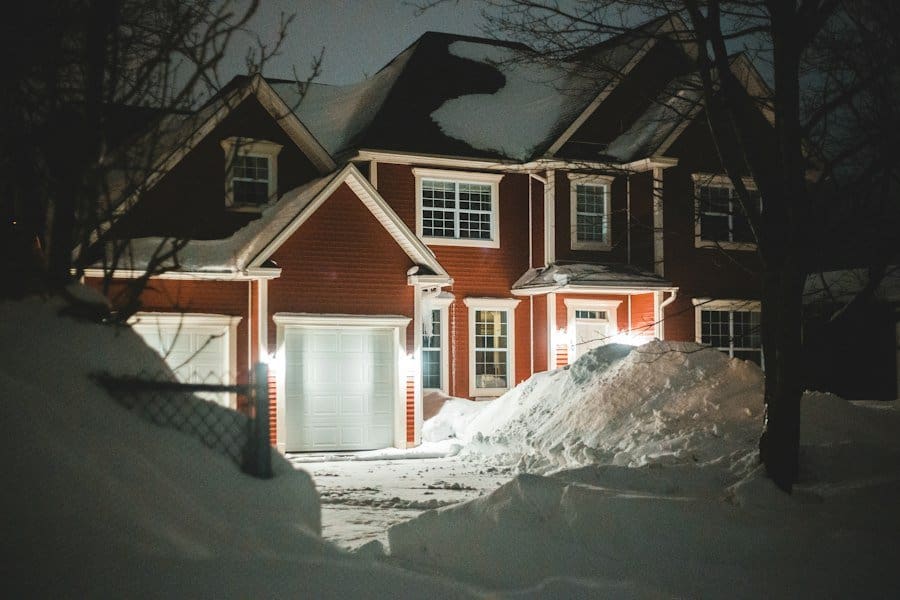
One of the most significant shifts I made was understanding that heating the entire house to a tropical climate was entirely unnecessary. My focus needed to be on heating me, not the empty spaces around me. This realization was a game-changer, allowing me to be much more targeted and efficient with my heat usage. I've discovered a range of strategies, from layering clothes to using personal heating devices, that create a microclimate of warmth around my body.
Strategic Layering for Sustained Warmth
I’ve become a connoisseur of layers. It’s not just about throwing on a big sweater; it’s about a system that traps warmth efficiently. My base layer is usually a thin, moisture-wicking material – merino wool or a synthetic blend – which helps regulate my body temperature and keeps me dry. Over that, I’ll add a long-sleeved t-shirt or a light fleece. The crucial third layer is often a chunky knit sweater or a fleece jacket.
The air pockets created between these layers are what truly insulate and keep me toasty. I've found that cotton, while comfortable, isn't as effective as wool or synthetics for trapping heat when it gets really cold, so I tend to reserve my cotton attire for warmer indoor days or as an outer layer when going out.
Beyond the torso, I pay close attention to my extremities. My feet are often the first to get cold, so I swear by thick wool socks, sometimes even two pairs. For my hands, fingerless gloves are a lifesaver. They keep my wrists and the backs of my hands warm without impeding my typing. A warm hat, even indoors, makes a surprising difference, as a significant amount of body heat can escape through the head. My go-to is a soft, knitted beanie that I can pull down over my ears. These small additions create a personal warmth bubble that allows me to set the ambient thermostat significantly lower than I otherwise would.
Harnessing the Power of Personal Heaters
While I try to avoid heating the entire house, there are times when I need a little extra boost of warmth directly in my workspace. This is where personal heating devices come into their own. I’ve experimented with a few types, and my current favorite is a small, low-wattage ceramic space heater that sits under my desk. It provides a focused blast of warmth directly to my legs and feet, which are often the coldest parts of my body. The key here is low-wattage; I'm not trying to heat the room, just myself.
Another ingenious device I've integrated is a heated desk pad. It’s a game-changer for cold hands and forearms, providing a gentle, consistent warmth that makes typing much more comfortable. I also have a heated throw blanket that I drape over my legs or shoulders on particularly chilly days. These devices are incredibly efficient because they direct heat exactly where I need it, rather than trying to warm up cubic meters of air. The energy consumption of these individual items is far less than running my central heating system for extended periods, making them excellent investments for winter comfort and savings.
Optimizing My Workspace Environment

Beyond personal comfort, I've spent considerable time and effort in making my actual workspace as thermally efficient as possible. This involves identifying and addressing common areas of heat loss and making simple, yet effective, modifications. My goal is to keep the heat I do generate inside my office, creating a stable and comfortable microclimate.
+ Join Our Writing Community for FREE
Chain Story Online
Fun, free, flash fiction writing with writers just like you. You have ~100 words to begin a story or continue a story and make it yours.
Story Bible Studio
Digital space for writers to plot, plan, and build better stories. Designed by writers for writers. Your final draft awaits.
Sealing Off Drafts and Leaks
Drafts are silent energy thieves, and I’ve become adept at hunting them down. My first step each autumn is a thorough inspection of my office window and door frames. I look for visible gaps and feel for cold air currents. For minor gaps around windows, simple self-adhesive foam weatherstripping works wonders. It’s inexpensive and easy to apply. If the gaps are larger, I might use rope caulk, which is also removable at the end of winter if needed.
My office door is another prime culprit. Cold air from other parts of the house (which I keep cooler) can easily seep under it. A simple draft stopper, either a fabric snake I made myself or a commercially bought one, effectively blocks this airflow. For the door frame itself, I've added a door sweep to the bottom and weatherstripping around the sides and top. These small interventions collectively make a huge difference in preventing cold air intrusion and keeping the warmth I generate localized to my immediate work area. I also make sure to keep the door to my office closed as much as possible to maintain its unique temperature.
Strategic Use of Window Treatments
Windows, while providing natural light, are also major sources of heat loss. I've found that how I manage my window treatments can have a significant impact on the temperature in my office. During the day, especially if the sun is shining, I keep my blinds and curtains wide open to let in as much natural light and solar gain as possible. Even on a cold day, direct sunlight can significantly warm a room. I strategically position my desk to maximize this solar exposure when the sun is at its peak.
However, as soon as the sun starts to set, or on heavily overcast days, I immediately close my heavy, thermal-lined curtains. These curtains act as an extra layer of insulation, trapping warm air between the fabric and the windowpane and preventing heat from escaping. They effectively reduce the "cold sink" effect of the windows. I've noticed a tangible difference in how quickly the room cools down once these curtains are drawn. They were a small investment that has paid dividends in comfort and energy savings.
Optimizing Furniture Placement
Even the placement of my furniture plays a role in my heating strategy. I've moved my desk away from exterior walls and windows, as these tend to be the coldest surfaces in the room. By having it positioned more centrally, I'm less exposed to the direct coldness radiating from these areas. This also allows the personal space heater to be more effective in creating a warm bubble around me without competing with the coldness of an external wall.
I also ensure that no furniture blocks my heating vents (though I rarely use them in my office) or the path of the warmth from my personal space heater. Obstructed vents or heaters can drastically reduce their efficiency. By ensuring a clear path for heat circulation, whether from a small electric heater or residual warmth from the central system, I maximize its impact within my personal workspace. It's about thinking consciously about how heat moves and designing my space to facilitate warmth.
Utilizing Smart Technology and Habits
Beyond physical modifications to my workspace, I've also integrated smart technology and cultivated specific habits that contribute to lower heating bills. This proactive approach allows me to manage my energy consumption with greater precision and awareness. It’s about leveraging modern tools and developing routines that support my goal of staying warm economically.
Smart Thermostat Management
My smart thermostat has become an invaluable ally in my quest for energy efficiency. While I generally keep the central heating system at a lower ambient temperature, the smart features allow me to fine-tune its operation. I've programmed it to drop significantly overnight when everyone is asleep and to only begin warming the main living areas a short time before I wake up. For my office, I set it to a minimal "background" temperature, perhaps 16-17 degrees Celsius (61-63 Fahrenheit), just enough to prevent the pipes from freezing and to take the extreme chill out of the air.
The beauty of the smart thermostat is its ability to learn and adapt, and its remote control functionality. If, for some reason, the house feels uncomfortably cold one day, I can nudge the temperature up a degree or two using my phone without having to leave my desk. Conversely, if I'm stepping out for a few hours, I can easily lower the temperature remotely, ensuring I'm not heating an empty house. This granular control means I'm only paying for heat when and where I truly need it, rather than blindly running the furnace on a fixed schedule.
Mindful Appliance Usage
I’ve become very conscious of my overall energy consumption, including the heat generated by other appliances. While my computer and monitors do produce some heat, it’s not significant enough to rely on. However, I am mindful of appliances that consume a lot of electricity. For instance, I avoid running the dishwasher or doing laundry during peak energy hours, which not only saves money on electricity but also prevents unnecessary heat generation when I'm trying to keep the overall house cooler.
I've also started to be more intentional about using my oven. If I'm baking or roasting, I try to time it for later in the day when the house might benefit from the residual heat. After I've finished cooking, I'll leave the oven door ajar (with caution, of course) to allow the warmth to dissipate into the kitchen, taking the chill off that area without actively turning up the thermostat. These small, conscious choices about appliance usage contribute to the overall thermal management of my home.
As the winter months approach, many individuals are seeking ways to stay warm while working from home without incurring exorbitant heating bills. One effective strategy is to optimize your home office setup to retain heat and improve energy efficiency. For more insights on enhancing your home workspace, you might find this article on unleashing the power of WordPress websites particularly useful, as it offers tips that can help you create a more comfortable and productive environment during the colder season.
If you're looking for a collaborative writing platform, check out Chain Story Online. It's a great way to connect with other writers and create stories together. Many users have found inspiration and creativity through Chain Story Online.
The Power of Warm Beverages and Movement
Sometimes, the simplest solutions are the most effective. I’ve found that incorporating warm beverages and regular movement into my workday routine significantly boosts my core temperature and keeps me feeling comfortable, even in a slightly cooler environment. These are low-cost, high-impact strategies that I wouldn’t trade for anything.
Constant Hydration with Hot Drinks
My kettle is arguably the hardest-working appliance in my office during winter. I keep a constant rotation of hot drinks going throughout the day. It's not just about the external warmth of holding a mug; the act of ingesting warm liquids genuinely raises my internal body temperature. My go-to choices are herbal teas, decaf coffee, and sometimes even just hot water with a slice of lemon. These drinks are naturally warming and hydrating, which is important as dry indoor air can be dehydrating.
Beyond the physical warmth, there's a psychological comfort that comes with a hot drink. It creates a ritual, a moment of pause and coziness in my workday, which in itself helps me feel more comfortable and less aware of any ambient chill. I also keep a good quality insulated mug, which keeps my drinks hot for much longer, reducing the need to constantly reheat water and saving a tiny bit of electricity.
Incorporating Regular Movement and Stretching
Sitting still for hours is a surefire way to get cold, even in a moderately warm room. My body's natural heat generation slows down when I'm inactive. To combat this, I’ve made a conscious effort to incorporate regular movement into my workday. Every hour or so, I'll stand up, stretch, and walk around my office or even venture into another room for a few minutes. This simple act gets my blood flowing, increases my heart rate slightly, and generates internal body heat.
I’ve even started doing short bursts of light exercise. A quick set of jumping jacks, some arm circles, or a few squats can work wonders in raising my core temperature without making me break a sweat. It's not just about staying warm; it's also excellent for my overall health and productivity. The mental break and the physical activity leave me feeling more refreshed and invigorated, ready to tackle the next task, and often, much warmer than before. It’s a holistic approach to comfort that doesn’t cost a dime.
Maintaining My Winter WFH Sanctuary
Finally, it's about the bigger picture – creating a sustainable and enjoyable winter work environment. It's a continuous process of observation, adjustment, and prioritizing my well-being without breaking the bank. My workspace has become a cozy haven, not despite the winter cold, but because I’ve learned to work with it.
Regular Maintenance and Air Quality
I make sure to keep my heating system (the central one, even if I don't use it much in my office) well-maintained. Changing furnace filters regularly ensures it runs efficiently when I do need it. A clean filter improves airflow and reduces energy consumption. I also periodically check my window and door seals for wear and tear, replacing weatherstripping as needed. Proactive maintenance prevents small problems from becoming large, costly issues down the line.
Indoor air quality can also suffer in winter due to closed windows and dry heat. While not directly related to heating costs, a comfortable environment includes good air quality. I use a humidifier to combat the dry air, which can make a slightly cooler room feel more comfortable. I also make an effort to open a window for a few minutes each day, even in winter, to air out the room and bring in fresh oxygen. This quick blast of cold air is usually followed by a rapid rebound in warmth once the window is closed, due to the efforts I've made in sealing and insulation.
The Mental Aspect of Winter Warmth
Perhaps one of the most underrated aspects of staying warm without huge bills is the mental game. It's about accepting that the house might not be a consistent 22 degrees Celsius (72 Fahrenheit) everywhere, and embracing the challenge of creating targeted warmth. I find that when I focus on my personal comfort strategies, the ambient temperature becomes less of an issue. My cozy layers, hot drinks, and personal heater create a bubble of warmth that makes me forget the slightly cooler air beyond it.
Final Thoughts on Working From Home in Winter
I also focus on lighting. Bright, natural light (when available) or good quality artificial light can psychologically make a space feel warmer and more inviting. I use warm-toned LED bulbs in my office, which emit a soft, comforting glow rather than a harsh, cold light. Surrounding myself with blankets, comfortable cushions, and even plants can contribute to a feeling of coziness and well-being. By combining these practical and psychological strategies, I've successfully navigated numerous winters working from home, staying productive, comfortable, and, most importantly, keeping those heating bills from spiraling out of control. It’s a testament to the power of thoughtful planning and consistent effort.
Next step: Want to go further? Read the best free tools for remote teams.
Related reading: Work From Home Tax Relief in Ireland: What You Can Claim · The Best Desk Setup for Working From Home
Enda Storrie is a writer and the creator of Story Bible, the planning journal and app for writers, and Chain Story Online, a free collaborative storytelling platform.