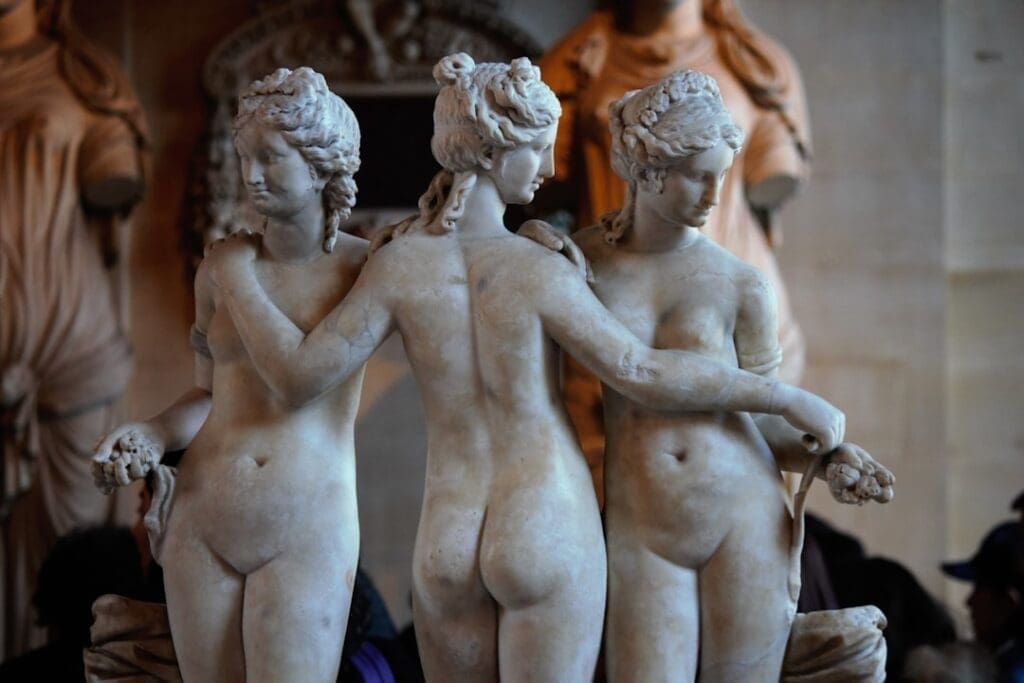
Irish crafts are thriving: meet the potters, weavers and woodturners keeping old skills alive and find out where to see and buy their work.
The Enduring Allure of Irish Craftsmanship
As I sit here, a warm mug of tea clutched in my hands – a mug, I might add, that bears the subtle, earthy tones of hand-thrown Irish pottery – I often reflect on the profound connection I feel to the world of Irish crafts. It's more than just an aesthetic appreciation; it’s a deep-seated respect for the hands that shape, weave, and carve, for the stories embedded in every finished piece, and for the living heritage that pulses through these ancient traditions.
My journey into understanding Irish crafts, particularly pottery, weaving, and woodturning, has been one of constant discovery, revealing not just artistic skill but also a resilient cultural identity. From the vibrant studios nestled in bustling city centres to the solitary workshops tucked away in the serene countryside, I've witnessed firsthand the dedication of contemporary Irish artisans who are not merely replicating the past but are actively innovating, breathing new life into time-honoured techniques. This exploration isn't just about admiring beautiful objects; it's about understanding the ethos, the challenges, and the vibrant future of a craft landscape that continues to captivate and inspire me.
A Personal Connection to Crafted Beauty
My fascination with Irish crafts began subtly. Perhaps it was a childhood memory of a sturdy, hand-knitted Aran sweater, its intricate cables whispering tales of fishermen and wild seas. Or maybe it was the way a simple, unglazed pot, purchased years ago at a small market, felt so utterly right in my home, a grounding presence amidst mass-produced items. Over time, this casual appreciation blossomed into a genuine passion.
I began seeking out craft fairs, visiting studios, and engaging in conversations with the makers themselves. It was in these interactions that I truly understood the depth of skill, the patience, and the often solitary dedication required to bring these pieces to life. Each potter, weaver, and woodturner I’ve encountered has shared a part of their story, their inspiration, and their meticulous process, enriching my understanding immensely.
I’ve come to see these crafts not just as products, but as embodiments of a tangible history, carrying the echoes of generations of skilled hands and creative minds. The warmth of a well-turned wooden bowl, the comforting weight of a hand-woven blanket, the tactile pleasure of a perfectly proportioned ceramic mug – these aren’t just sensory experiences for me; they are direct connections to the heart of Ireland itself.
In exploring the rich traditions of Irish crafts, one can appreciate the intricate artistry of pottery, weaving, and woodturning that reflect the cultural heritage of Ireland. For those interested in the natural landscapes that inspire these crafts, a related article titled "Conquering Nephin: A Walk to the Summit" delves into the breathtaking scenery of Nephin Mountain, which has undoubtedly influenced many artisans. You can read more about this inspiring journey by visiting Conquering Nephin: A Walk to the Summit.
The Earth's Embrace: Contemporary Irish Pottery
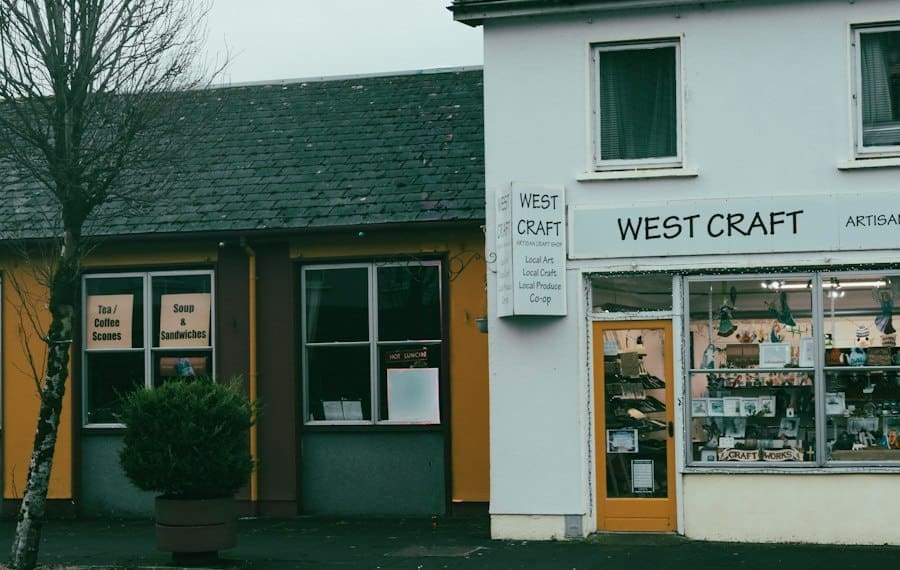
My exploration of Irish pottery has been particularly enlightening, revealing a vibrant sector that seamlessly blends ancient techniques with modern aesthetics. When I think of Irish pottery, images of practical, robust stoneware often come to mind, perfect for the hearty, everyday needs of Irish life. However, I’ve been consistently surprised and delighted by the sheer diversity of styles and approaches I encounter today.
From the rustic charm of traditional functional ware to the ethereal beauty of delicate porcelain, Irish potters are pushing boundaries while remaining deeply rooted in their heritage. I’ve observed studios where the rhythmic hum of the potter's wheel is the soundtrack to creation, each piece taking shape under skilled hands, imbued with an individuality that factory-made items simply cannot replicate. The process itself – from the selection and preparation of the clay to the firing in often custom-built kilns – is a testament to patience and a profound understanding of material science.
Echoes of Ancient Traditions in Modern Forms
The history of pottery in Ireland stretches back thousands of years, with archaeological finds revealing early hand-built vessels used for storage and cooking. This ancient lineage, I believe, imbues contemporary Irish pottery with a unique depth. While the forms and glazes have undoubtedly evolved, the fundamental connection to the earth and the transformative power of fire remain. I've spoken with potters who draw direct inspiration from megalithic art, incorporating spirals and ancient symbols into their designs, creating pieces that feel timeless.
Others are more focused on the tactile experience, designing mugs and bowls that fit perfectly in the hand, enhancing the simple pleasure of daily rituals. I’ve noticed a strong emphasis on durability and functionality, even in highly decorative pieces. This, to me, speaks to a very Irish sensibility – a desire for beauty that serves a purpose, that can withstand the rigours of everyday life and become a cherished part of a home. The colours often mirror the Irish landscape: deep greens, earthy browns, slate greys, and the occasional burst of vibrant blue, reflecting the sky and sea.
Innovation in Clay: New Glazes and Techniques
What truly excites me about the current pottery scene is the spirit of innovation. While tradition is respected, it is not a constraint. I’ve seen potters experimenting with innovative glaze recipes, achieving stunning, unexpected textures and colours. There are those who incorporate wild clay harvested from their own land, creating pieces with a unique, unrepeatable character. Others are exploring alternative firing methods, such as Raku, which produces dramatic, often metallic finishes, or wood firing, which leaves subtle, ash-induced patterns on the surface.
The blend of traditional throwing techniques with contemporary hand-building methods also results in incredibly diverse forms. Some artists are creating sculptural pieces that transcend pure functionality, exploring abstract concepts and narrative through clay. This dynamic interplay between the ancient and the modern ensures that Irish pottery remains relevant and exciting, continually offering new expressions of artistic skill and creative vision. It’s a field that feels alive, continually evolving, and always offering something new to discover and admire.
+ Join Our Writing Community for FREE
Chain Story Online
Fun, free, flash fiction writing with writers just like you. You have ~100 words to begin a story or continue a story and make it yours.
Story Bible Studio
Digital space for writers to plot, plan, and build better stories. Designed by writers for writers. Your final draft awaits.
Woven Narratives: The Art of Irish Textiles
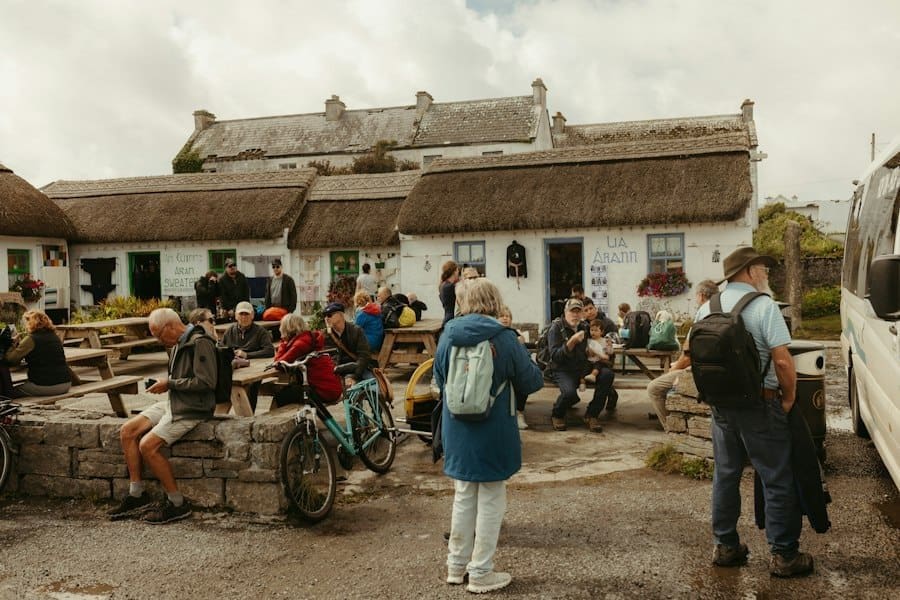
My journey through Irish crafts wouldn't be complete without immersing myself in the intricate world of weaving. There's something inherently captivating about the rhythmic interplay of warp and weft, the transformation of simple threads into complex patterns and textures. From the robust utility of tweed to the ethereal beauty of hand-loomed scarves, Irish weaving tells a story of landscape, heritage, and enduring skill. When I visit a weaving studio, the air often hums with the gentle clatter of looms, and the scent of natural fibres – wool, linen, silk – fills my senses. It's a craft that demands incredible patience, precision, and an almost intuitive understanding of how different fibres will behave under tension and in combination.
The Rich Tapestry of Irish Textile History
The history of weaving in Ireland is as old as its landscape, with evidence of textile production dating back millennia. For centuries, weaving was a crucial cottage industry, providing clothing, blankets, and essential household items. The iconic Aran sweater, with its complex cable and diamond patterns, is a powerful symbol of this heritage, each stitch often carrying symbolic meaning related to fishermen’s hopes and family prosperity. Tweed, particularly Donegal Tweed, is another hallmark, celebrated globally for its durability, warmth, and the unique flecks of colour that evoke the rugged Irish countryside.
I’ve learned that these traditions weren't merely about creating fabric; they were about preserving knowledge, passing down intricate patterns from one generation to the next, often by touch and memory rather than written instructions. This oral and tactile tradition, I believe, is what gives Irish textiles their profound sense of authenticity and connection to the past. Modern weavers, while often using updated equipment, still honour this legacy, frequently incorporating traditional motifs and colours into their contemporary designs.
Modern Weaving: From Loom to Lifestyle
Today, Irish weaving is experiencing a significant renaissance, moving beyond traditional forms into exciting new territories. I’ve observed weavers who are masters of traditional methods, producing luxurious blankets and scarves that uphold the highest standards of craftsmanship. But I’ve also encountered incredibly innovative designers who are pushing the boundaries of textile art. They are experimenting with unexpected material combinations, introducing contemporary colour palettes, and creating sculptural pieces that defy conventional definitions of weaving.
The use of sustainable and locally sourced fibres is also a growing trend, reflecting a global shift towards ethical production and a desire to connect the finished product directly to its origins. I've seen everything from exquisitely hand-dyed yarns transforming into one-of-a-kind art pieces to technically sophisticated weaves used in high-fashion garments. The adaptability of weaving means it can cater to both timeless classics and cutting-edge design, making it an incredibly versatile and enduring craft.
The tactile nature of woven goods – the comforting weight of a blanket, the soft drape of a shawl – makes them deeply personal and cherished items, something I’ve always found particularly appealing. Each thread, each intersection, represents a deliberate choice and a skilled hand, culminating in a piece that holds a tangible story.
If you're looking for a collaborative writing platform, check out Chain Story Online. It's a great way to connect with other writers and create stories together. Many users have found inspiration and creativity through Chain Story Online.
The Whispering Woods: The Craft of Woodturning
My admiration for woodturning stems from a deep appreciation for the transformation of raw natural material into objects of beauty and utility. There’s an almost magical quality to watching a woodturner work, as a rough, often irregular piece of timber is steadily refined, revealing the hidden grain and character within. The rhythmic whir of the lathe, the gentle curl of wood shavings, and the evolving form emerging from the block – it’s a meditative and captivating process that I find utterly absorbing. Irish woodturning, much like its ceramic and textile counterparts, blends a rich heritage with a dynamic contemporary approach, producing pieces that range from practical kitchenware to intricate sculptural forms.
Connecting to Ireland's Arboreal Legacy
Ireland’s lush, green landscape has always been intertwined with its history, and wood has been a fundamental material for centuries, used in everything from tools and dwellings to furniture and decorative items. While extensive ancient forests are largely gone, the legacy of working with wood persists. I’ve met woodturners who source their timber locally, often from fallen trees or ethically managed woodlands, giving new life to ancient oaks, yews, and beeches. This connection to the land is palpable in their work; they speak of the wood’s character, its history, and how best to coax out its inherent beauty.
The grain patterns, the knots, and even slight imperfections become integral parts of the final piece, celebrating the natural world rather than trying to mask it. Traditional forms, such as bowls and platters, continue to be popular, often showcasing the natural edge of the timber, creating a striking contrast between the smooth, turned interior and the raw exterior. This direct relationship with the source material, I believe, is a cornerstone of authentic Irish woodturning.
The Evolution of Form and Function
What I find particularly exciting about modern Irish woodturning is the sheer breadth of artistic expression. While practical items like bowls, platters, and candle holders are still very much in demand, many woodturners are exploring more artistic and sculptural avenues. I’ve seen incredibly intricate hollow forms, sometimes no larger than an apple, revealing extraordinary thinness and precision. Others incorporate carving, pyrography (wood burning), or even inlay techniques to add further decorative elements. The choice of finish also plays a crucial role, with some opting for a simple oil to allow the natural wood to shine through, while others use lacquers or stains to enhance specific features or introduce colour.
There’s a strong emphasis on technique and mastery of the lathe, enabling turners to create shapes that are both aesthetically pleasing and structurally sound. I’ve observed turners who push the boundaries of what is traditionally possible on a lathe, creating segmented pieces or employing off-centre turning to achieve truly unique forms. This blend of traditional skill with creative innovation ensures that Irish woodturning remains a vibrant and respected craft, offering both timeless pieces and contemporary works of art that continue to impress and inspire me.
In exploring the rich traditions of Irish crafts, one can gain deeper insights by reading a related article that delves into the intricacies of contemporary craftsmanship in Ireland. This piece highlights the revival of ancient techniques and the innovative approaches taken by modern artisans. For those interested in pottery, weaving, and woodturning, the article serves as an excellent resource. You can find it here: Irish Crafts Today, where the beauty and skill of these crafts are celebrated.
The Future Woven, Thrown, and Turned
As I reflect on my journey through the world of Irish pottery, weaving, and woodturning, I feel a profound sense of optimism for their future. These are not static, museum-bound crafts; they are living, breathing traditions, continually adapting and evolving. The artisans I've encountered are not merely perpetuating ancient techniques; they are infusing them with contemporary sensibilities, responding to modern tastes, and addressing global concerns such as sustainability and ethical production. I see a growing appreciation, both domestically and internationally, for the quality, authenticity, and story embedded within handmade Irish crafts. This resurgence is driven by a desire for unique, meaningful objects in an increasingly mass-produced world, and it speaks volumes about the enduring value of human skill and creativity.
Challenges and Opportunities for Artisans
Of course, the path of the artisan is rarely without its challenges. Competition from mass-produced goods, the rising cost of materials, and the need for effective marketing and distribution are constant considerations. However, I’ve also observed incredible resilience and ingenuity within the craft community. Many artisans are leveraging online platforms to reach global audiences, fostering direct connections with customers who value their work. Collaborative initiatives, craft trails, and shared studio spaces are also creating supportive networks, allowing makers to share knowledge, resources, and inspiration.
Furthermore, educational institutions and craft councils are playing a vital role in nurturing new talent and ensuring that these invaluable skills are passed on to the next generation. I see a strong sense of community amongst these artisans, a shared passion that transcends individual disciplines and strengthens the overall craft sector. This collective spirit, I believe, is a powerful force for the future.
The Enduring Appeal of Authenticity
Ultimately, the continued allure of Irish crafts, for me, lies in their authenticity. In a world saturated with digital experiences, there is an innate human need for tangible, handmade objects that connect us to a real place, a real person, and a real story. Each piece of Irish pottery, every woven textile, and every turned wooden object carries the imprint of its maker’s hands, their intention, and their unique artistic vision. These crafts are not just decorative items; they are cultural ambassadors, carrying fragments of Irish history, landscape, and spirit into homes around the world.
As I look at my own collection of Irish crafts, I don't just see beautiful objects; I see the dedication, the passion, and the living heritage that continue to thrive in the skilled hands of Ireland’s contemporary artisans. Their work enriches my life, and I am certain it will continue to captivate and inspire future generations, ensuring that these ancient traditions continue to whisper their stories in new and exciting ways.
Related reading: How to Buy Your First Piece of Original Art Without Overspending · Celtic Art Explained: Knots, Spirals and Their Meaning
Enda Storrie is a writer and the creator of Story Bible, the planning journal and app for writers, and Chain Story Online, a free collaborative storytelling platform.