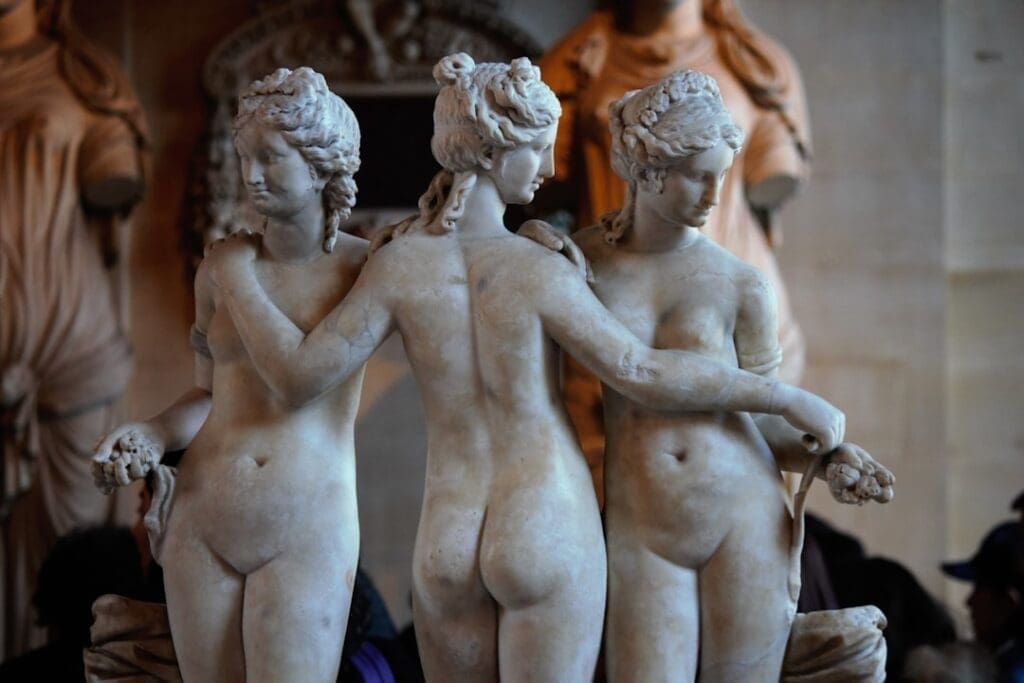
Buying original art for the first time: where to find affordable pieces, how to judge value, framing tips and supporting artists.

My Journey into Art Collecting
For years, I admired art from afar, scrolling through galleries online, and occasionally popping into local exhibitions. The idea of owning an original piece felt like a luxurious indulgence, something reserved for the ultra-wealthy or those with an innate understanding of art history. My budget, however, was far from "ultra-wealthy," and my art history knowledge was limited to what I vaguely remembered from high school.
But a persistent longing to bring beauty and unique expression into my living space finally pushed me to take the plunge. I realized that my perceived barriers were largely self-imposed and that with a bit of research and a strategic approach, I could indeed acquire a piece of original art without emptying my savings account. This article chronicles my discoveries and offers a guide for anyone looking to make their first art purchase, proving that art ownership is more accessible than you might think.
" While some art does appreciate in value, chasing that dragon as a first-time buyer on a limited budget is a recipe for disappointment and potential overspending. My goal was to find a piece that resonated with me, that spoke to my aesthetic, and that I would genuinely enjoy looking at every day. This shift in mindset immediately reduced the pressure and opened up a world of possibilities beyond the established "blue-chip" artists.
I started viewing art not as a commodity, but as an experience, a conversation, and a personal statement. This emotional connection became the bedrock of my decision-making process, allowing me to trust my instincts rather than getting bogged down in external validation or speculative future value.
If you're considering purchasing your first piece of original art without overspending, you might find it helpful to explore the broader context of financial decisions in today's world. A related article that delves into the implications of remote work on personal finances is available at Remote Work: Exploring Benefits & Drawbacks in 2024. This piece discusses how the shift to remote work can impact your budget and spending habits, providing valuable insights that may influence your art-buying decisions.
Defining My Aesthetic and Budget
Before I even began to browse, I knew I needed to get a clear picture of what I liked and, crucially, what I could realistically afford. This preliminary introspection saved me countless hours of aimless searching and helped me filter out pieces that, while beautiful, were simply out of my league.
Understanding My Personal Style
I started by looking at my existing décor. Was my home minimalist or maximalist? Did I lean towards vibrant colors or muted tones? Did I prefer abstract forms or figurative representations? I flipped through interior design magazines, perused Pinterest boards, and even took note of art I admired in friends' homes or public spaces. I realized I was drawn to contemporary pieces, often with a subtle narrative or a strong sense of texture.
I also discovered a fondness for landscapes, but with a modern, almost abstract interpretation, rather than hyper-realistic depictions. This exercise wasn't about defining a rigid "type" of art I had to buy, but rather understanding the general direction of my taste. It allowed me to identify recurring themes, colors, and artistic approaches that genuinely appealed to me. I also paid attention to the emotions different artworks evoked.
Did they make me feel calm, energized, thoughtful, or joyful? This emotional response was a crucial indicator of a piece's potential to become a cherished part of my home.
Setting a Realistic Financial Limit
This was perhaps the most critical step. I sat down with my budget and honestly assessed how much I was comfortable spending. I decided on a range rather than a single fixed number, allowing for some flexibility if I found something truly exceptional. My initial thought was to cap it at a few hundred dollars, but after a bit more research and realizing the potential for emerging artists, I extended my upper limit slightly, understanding that quality often comes with a slightly higher, yet still affordable, price tag.
I also factored in potential framing costs, which can sometimes add a significant amount to the overall expense. It's easy to fall in love with a piece only to realize the frame alone is half your budget. By acknowledging this upfront, I could either allocate more funds or seek out pieces that were already framed or those that could be displayed unframed (like canvases).
Having a clear budget in mind prevented me from falling in love with pieces I simply couldn't afford, thereby avoiding disappointment and frustration.
+ Join Our Writing Community for FREE
Chain Story Online
Fun, free, flash fiction writing with writers just like you. You have ~100 words to begin a story or continue a story and make it yours.
Story Bible Studio
Digital space for writers to plot, plan, and build better stories. Designed by writers for writers. Your final draft awaits.
Where to Find Affordable Original Art
Once I had a handle on my aesthetic and budget, the real fun began: the hunt! I quickly realized that the traditional gallery model wasn't the only, or even the primary, place to find affordable original art. A whole world of alternative avenues opened up to me.
Exploring Local Art Fairs and Open Studios
My local art scene proved to be a treasure trove. I started attending art fairs, often held in parks or community centers, where artists directly sell their work. This was a fantastic way to meet artists in person, hear about their creative process, and see a wide variety of styles. The direct interaction often meant better prices, as there was no gallery commission involved.
I also kept an eye out for "open studio" events, where artists invite the public into their workspaces. This offered an even more intimate glimpse into their world and sometimes allowed for negotiating a slightly better price, especially for pieces that might not yet be formally exhibited. I found that artists at these events were often genuinely excited to connect with new collectors and were more than happy to discuss their work in detail.
It was through one such open studio that I discovered a local painter whose vibrant abstract landscapes instantly captivated me.
Online Marketplaces for Emerging Artists
The internet is a powerful tool for art discovery, especially for those on a budget. I spent hours browsing online platforms dedicated to emerging artists. Websites like Saatchi Art, Etsy (for smaller, independent artists), and even Instagram proved invaluable. On these platforms, I could filter by price, style, and even location, allowing me to narrow down my search considerably.
The sheer volume of work available was initially overwhelming, but by sticking to my defined aesthetic and budget, I could efficiently sift through options. I learned to look for artists with consistent styles, clear descriptions of their work, and good reviews from other buyers. Many artists on these platforms are eager to build their reputation and clientele, making their work more accessible price-wise.
I found myself drawn to a particular artist on Saatchi Art whose mixed-media pieces had incredible depth and texture, and their prices were surprisingly reasonable for original works.
University and Art School Exhibitions
Another excellent, often overlooked, resource is art school exhibitions. Graduates and current students often showcase their work at very affordable prices, sometimes even below market value, as they are just beginning their careers. These exhibitions offer a glimpse into the future of art and a chance to acquire a piece from an artist who might one day become highly sought after.
Even if they don't reach international fame, you still own a unique piece of their artistic journey. I remember attending a graduate show at a local university and being genuinely impressed by the raw talent and innovative approaches on display. While I didn't purchase anything on that particular visit, it broadened my understanding of contemporary art trends and showed me the diverse range of artistic practices that exist.
It's a fantastic way to support emerging talent and potentially snag a future masterpiece.
If you're looking for a collaborative writing platform, check out Chain Story Online. It's a great way to connect with other writers and create stories together. Many users have found inspiration and creativity through Chain Story Online.
Evaluating a Piece and Making the Purchase
Finding a piece I loved within my budget was exciting, but the next step was crucial: evaluating it thoroughly before making the commitment. I wanted to ensure I was making an informed decision and not just an impulsive one.
Assessing Quality and Condition
When I found a piece I was seriously considering, I took my time to examine it closely. If it was online, I zoomed in on high-resolution images, looking for any imperfections, cracks, or inconsistencies in the paint or medium. , archival paper, professional-grade paints) and the technique. If I was viewing it in person, I looked at it from different angles and in varying light conditions.
I checked the canvas tension, the quality of the stretcher bars, and the neatness of the edges. For works on paper, I checked for creases, tears, or signs of fading. I also considered the artist's signature and any other markings on the back, which can offer clues about the piece's provenance or history. A well-executed piece, even from an emerging artist, will usually demonstrate a certain level of craftsmanship and attention to detail.
Understanding the Artist's Story and Intent
Beyond the visual appeal, I found that connecting with the artist's story and their intent behind the piece significantly enhanced my appreciation for it. When possible, I read artist statements, watched interviews, or engaged in conversations with the artist directly. Understanding what inspired them, their creative process, and the message they intended to convey added a layer of depth to the artwork.
It transformed the piece from just an object into a narrative, a piece of someone's soul. For the piece I eventually bought, the artist spoke passionately about their connection to the landscape and how they translated their emotional response into abstract forms. This personal connection made the artwork even more meaningful to me and solidified my decision to purchase it.
It's not just about the brushstrokes; it's about the human story behind them.
Negotiating and Finalizing the Deal
When buying from an independent artist or at an art fair, there's often a little wiggle room for negotiation, especially for first-time buyers. I approached this politely and respectfully, never demanding a discount but rather inquiring if there was any flexibility on the price. Sometimes, artists are willing to offer a slight reduction, especially if it means finding a good home for their work.
Other times, they might offer to include framing or shipping at no extra cost. It never hurts to ask! I also made sure to get a receipt, preferably one that included the artist's name, the title of the artwork, the medium, dimensions, and the date of purchase. ). The artist I bought from was delighted to hear I was a first-time collector and even offered me a small print as a thank you, which was a lovely unexpected bonus.
If you're looking to enhance your living space with unique pieces, you might find it helpful to explore tips on selecting art that resonates with you while staying within your budget. A related article that offers valuable insights is available at Enda Storrie's guide, which provides practical advice on navigating the art market and making informed choices. This resource can help you understand the nuances of art buying, ensuring that your first purchase is both meaningful and financially sound.
Living with My First Piece of Original Art
The moment I brought my first piece of original art home was truly special. It wasn't just a decoration; it felt like an extension of myself, a conversation starter, and a source of daily inspiration. Integrating it into my living space was a joyful process, and caring for it has become a small, mindful ritual.
Displaying My New Acquisition Thoughtfully
Choosing the right spot for my artwork was important. I considered the light in the room – direct sunlight can fade colors over time, so I opted for a wall that received indirect, natural light. I also thought about the scale of the piece in relation to the wall space and surrounding furniture. My chosen piece was a medium-sized canvas, so I found a prominent spot in my living room where it could be admired without feeling cramped or overwhelmed by other elements.
I also thought about the background color of the wall; a neutral tone often allows the art to truly stand out. Hanging it at eye level was key, allowing for comfortable viewing. I used proper picture hanging hardware to ensure it was securely mounted and level. It instantly transformed the room, adding a focal point and a splash of personality that store-bought prints simply couldn't replicate.
Caring for My Artwork
Owning original art comes with a responsibility to care for it properly so it can be enjoyed for years to come. I learned a few basic principles. Firstly, I avoid touching the surface of the artwork, especially with bare hands, as oils from my skin can leave marks. I use a soft, dry cloth or a feather duster for occasional dusting, being very gentle.
I also maintain a relatively stable temperature and humidity in my home, as extreme fluctuations can damage art. Keeping it away from direct heat sources like radiators or fireplaces is also important. If my piece had been on paper, I would have ensured it was framed with archival, acid-free materials and UV-protective glass to prevent fading and deterioration. While I don't need a professional conservator for my relatively new acquisition, being mindful of these basic care guidelines helps preserve its beauty and integrity.
It's a small effort that contributes to the longevity of the piece.
The Lasting Joy of My Purchase
Looking back, buying my first piece of original art was an incredibly rewarding experience. It wasn't just about the object itself; it was about the journey of discovery, the connection with an artist, and the joy of bringing something truly unique and meaningful into my home. Every time I glance at it, it evokes a subtle sense of peace and wonder.
It reminds me of the beauty that exists in the world and the power of human creativity. It has also opened my eyes to the accessibility of art and the vibrant community of artists who are creating incredible work outside of the mainstream art market. I no longer see art collecting as an exclusive club, but as an open invitation to anyone who appreciates beauty and expression.
Final Thoughts on Buying Original Art
My first purchase has definitely inspired me to continue exploring and building a personal collection, one meaningful piece at a time, always staying true to my budget and, most importantly, my heart.
Related reading: Irish Artists You Should Know: 10 Painters Who Shaped Ireland · How to Start Painting With Watercolours: A Beginner’s Guide
Enda Storrie is a writer and the creator of Story Bible, the planning journal and app for writers, and Chain Story Online, a free collaborative storytelling platform.