

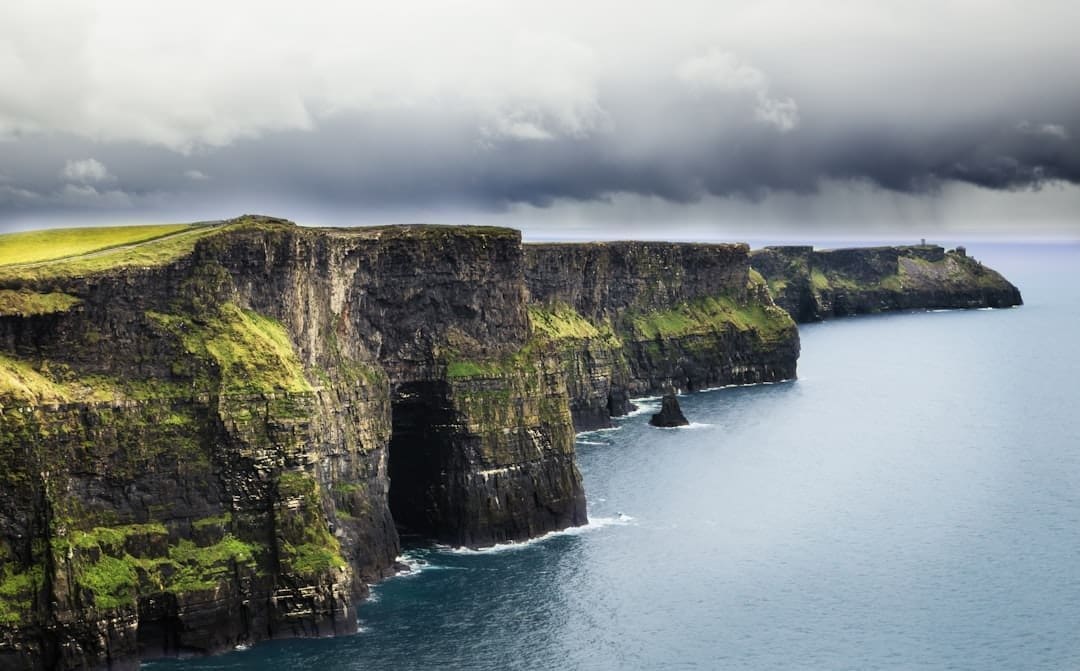
I’ve always felt a pull towards the Emerald Isle, a sort of ancestral hum that grows louder with each passing year. It’s a pull I’ve indulged through music, literature, and, most recently, a deep dive into its art. And what a journey it’s been. Exploring the beauty of Irish art isn’t just about looking at pretty pictures or intricate sculptures; it’s about peeling back layers of history, myth, and a resilient spirit that has shaped a nation. It’s a surprisingly vast and varied landscape, one that continues to surprise and inspire me.
When I first started delving into Irish art, I knew I had to begin at the very beginning. The Celts, of course, are the foundational figures, and their artistic legacy is nothing short of breathtaking. Their intricate knotwork, often referred to as Celtic knot or interlace, is something I find myself mesmerized by. It’s not just decorative; there’s a profound philosophical depth to it, representing eternity, the interconnectedness of all things, and the cyclical nature of life. I’ve spent hours poring over images of stone carvings, metalwork, and jewelry, trying to decipher the stories woven into those seemingly endless loops and twists.
The Power of the Metalworker’s Hand
The skill of the ancient Irish metalworkers is truly astounding. I’m not just talking about the famous Tara Brooch, though its exquisite craftsmanship is undoubtedly a highlight. Think about the intricate filigree, the delicate granulation, the vibrant enamel work. These were not simple tools or adornments; they were statements of power, status, and artistry. When I look at a torc, a neck ring worn by chieftains, I don’t just see gold; I see the confidence, the authority, and the immense skill it took to create such a formidable piece. It’s a tangible connection to a past where art was intrinsically linked to leadership and ceremony.
Illuminated Manuscripts: A Divine Canvas
Then there are the illuminated manuscripts, and honestly, they are the jewels in Ireland’s artistic crown for me. The Book of Kells is, of course, the most famous, and for good reason. The sheer density of detail, the vibrant colours that have endured for over a thousand years, and the complex symbolism within its pages are mind-boggling. When I trace the intricate spirals and zoomorphic designs with my eyes, I can almost feel the quiet dedication of the scribes and artists who labored over them. These weren’t just religious texts; they were works of devotion, meticulously crafted to glorify God and preserve knowledge. The Book of Durrow and the Lindisfarne Gospels (though partially created by Irish monks in Northumbria) also showcase this extraordinary tradition, each with its unique stylistic flourishes. I find myself pondering the lives of the individuals who painstakingly created these masterpieces, their faith and their artistry intertwined in every brushstroke.
Stone Carvings: Whispers from the Megalithic Past
Beyond the precious metals and illuminated pages, Ireland’s landscape is dotted with ancient stone carvings, particularly at megalithic sites like Newgrange. These engravings, often geometric patterns and spirals, are far older than the Celts. They speak of a mysterious, prehistoric people who had a deep connection to the land and its astronomical cycles. I find these carvings incredibly evocative. They are subtle, yet powerful, hinting at beliefs and rituals that we can only guess at today. The sheer scale of the monuments themselves, coupled with these enigmatic markings, creates an atmosphere of profound antiquity.
For those interested in exploring the vibrant world of Irish art, a fascinating article titled “The Evolution of Irish Art: From Ancient Traditions to Contemporary Expressions” provides an in-depth look at the rich history and diverse styles that characterize this unique cultural heritage. You can read the article here: The Evolution of Irish Art. This piece delves into the influences that have shaped Irish artistic expression over the centuries, making it a must-read for art enthusiasts and historians alike.
The Landscape as Muse: Capturing the Irish Spirit
One of the most striking aspects of Irish art, for me, is its deep and abiding connection to the natural landscape. It’s more than just a backdrop; it’s a living, breathing entity that has inspired generations of artists. From the wild, windswept coastlines to the rolling green hills and mystical bogs, Ireland’s scenery is a constant source of creative energy.
The Golden Age of Irish Landscape Painting
The 19th and early 20th centuries saw a flourishing of Irish landscape painting. Artists like Paul Henry, Jack B. Yeats, and George Russell (AE) are figures I’ve come to deeply admire. Paul Henry’s distinctive style, with its bold brushstrokes and evocative skies, perfectly captures the rugged beauty of the West of Ireland. His paintings of the Maamturks and Connemara feel raw and untamed, mirroring the very soul of the region. I can practically feel the wind whipping across the canvas when I look at his work.
Jack B. Yeats: The Pulse of Irish Life
Jack B. Yeats, however, offers a different, yet equally vital, perspective on the Irish landscape. While he certainly painted seascapes and rural scenes, he also captured the vibrant, chaotic energy of Irish life. His canvases are filled with movement, colour, and a palpable sense of humanity. I love how he depicts street scenes, circuses, and sporting events, infusing them with a lively dynamism that reflects the spirit of the people who inhabit these landscapes. His work is less about the static beauty of a place and more about the life that pulses within it.
George Russell (AE): The Mystical Visionary
George Russell, or AE, brings a more spiritual and mystical dimension to landscape art. He was a poet and painter, and his works often have an ethereal quality, imbuing the familiar Irish countryside with a sense of the otherworldly. I find his paintings of bogs and twilight scenes to be particularly compelling. They speak to the ancient myths and folklore that are so deeply ingrained in Irish culture, suggesting that there’s more to the landscape than meets the eye.
The Revival and the Modern Voice: Identity and Innovation
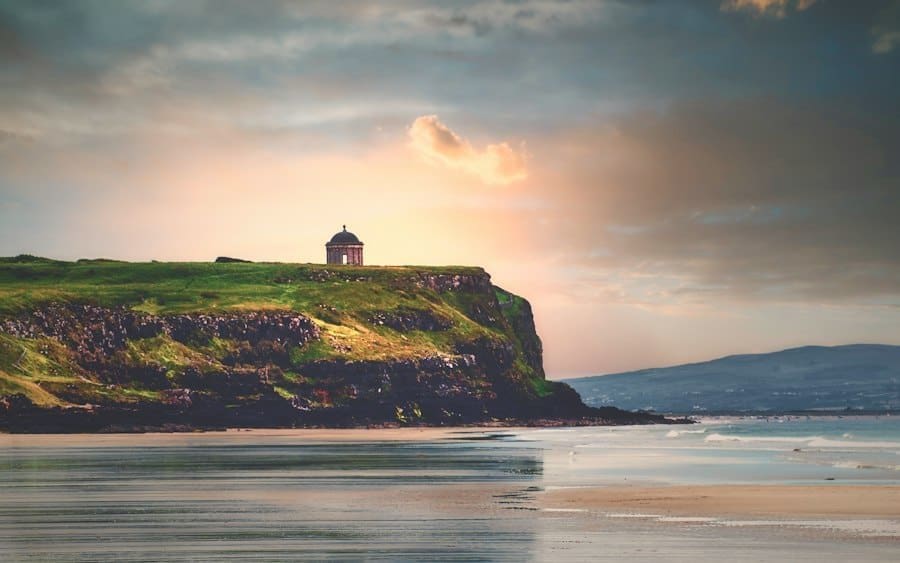
The late 19th and early 20th centuries were a period of immense cultural and political upheaval in Ireland, and this was inevitably reflected in its art. The Irish Literary Revival and the burgeoning national consciousness fueled a desire to explore and celebrate Irish identity, and artists played a crucial role in this movement.
The Arts and Crafts Movement: Craftsmanship Reimagined
The Arts and Crafts movement had a significant impact on Irish art, emphasizing traditional crafts and the value of handcrafted objects. I’ve seen beautiful examples of pottery, textiles, and metalwork from this era, all reflecting a renewed appreciation for skilled artistry and often incorporating Celtic motifs. This movement was about more than just aesthetics; it was a way of preserving cultural heritage and promoting local industries in the face of industrialization. It instilled a sense of pride in Irish craftsmanship.
The Abbey Theatre and Visual Arts
The Abbey Theatre, founded in 1904, was central to the Irish Literary Revival, and its influence extended to the visual arts. Set designers and costume designers drew inspiration from traditional Irish motifs and the burgeoning sense of national identity. While not always the primary focus, the visual elements of theatrical productions contributed to the overall artistic landscape, helping to shape public perception of Irish culture.
Early 20th Century Modernism: New Directions
As the 20th century progressed, Irish artists began to engage with international modernist movements. Figures like Mainie Jellett and Evie Hone were pioneers in introducing abstract art to Ireland. I find their work fascinating because it represents a conscious effort to bridge the gap between Ireland’s rich artistic heritage and the global artistic dialogue of the time. Jellett, in particular, was a key figure in advocating for modern art in Ireland, believing it was essential for the country’s cultural development. Hone, known for her stained-glass work, brought a unique spiritual dimension to modernist abstraction.
Sure, here is the sentence with the clickable link:
Check out the amazing features of Story Bible Studio for all your storytelling needs.
Contemporary Irish Art: A Global Dialogue and a Local Heart
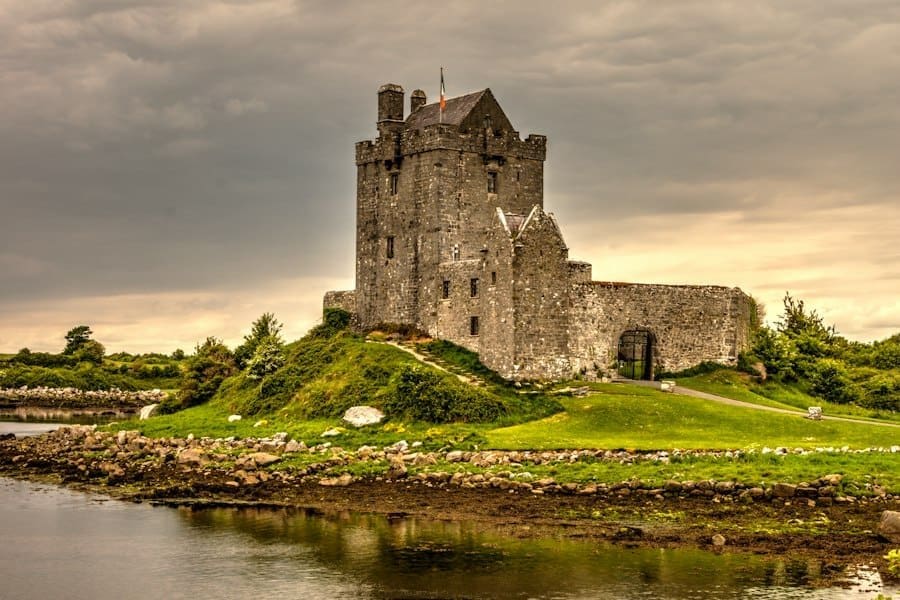
Today, Irish art is a dynamic and diverse field, reflecting a nation that is both deeply connected to its past and engaged with the global contemporary art scene. I’m continually impressed by the breadth of talent and the willingness of Irish artists to experiment and push boundaries.
The Dublin Contemporary Art Scene
Dublin, in particular, has become a hub for contemporary art, with numerous galleries and art spaces showcasing a wide range of work. From conceptual installations to vibrant paintings and thought-provoking sculptures, the city offers a stimulating environment for artists and art lovers alike. I’ve enjoyed exploring galleries like the Irish Museum of Modern Art (IMMA) and The Hugh Lane, which consistently present engaging and challenging exhibitions. It’s exciting to see how artists are interpreting contemporary issues through the lens of their Irish heritage.
Artists Exploring Identity and Belonging
Many contemporary Irish artists grapple with themes of identity, belonging, and the complexities of modern Irish society. I’ve encountered artists who explore the impact of globalization, emigration, and the country’s evolving social landscape. Their work often challenges traditional narratives and offers fresh perspectives on what it means to be Irish in the 21st century. This exploration of identity is not always about looking backward; it’s about understanding how history shapes the present.
The International Reach of Irish Art
Irish artists are increasingly gaining international recognition, exhibiting their work in major galleries and biennales around the world. This global reach is a testament to the quality and relevance of contemporary Irish art. It’s encouraging to see how artists are engaging in a global dialogue while still maintaining a distinctly Irish sensibility in their work. This isn’t about assimilation; it’s about contributing a unique voice to the international conversation.
Irish art has a rich and diverse history that reflects the country’s cultural heritage and influences from various movements. A fascinating exploration of how modern technology is reshaping the art world can be found in a related article that discusses the impact of digital platforms on creative expression. For those interested in understanding this intersection, you can read more about it in this insightful piece on WordPress websites and their role in promoting artistic endeavors.
The Enduring Power of Storytelling in Irish Art
Throughout my exploration, one thread has remained consistently strong: the enduring power of storytelling in Irish art. Whether it’s an ancient Ogham stone, a meticulously illuminated manuscript, a sweeping landscape, or a provocative contemporary installation, there’s an inherent narrative quality that draws me in.
Myth and Folklore: The Foundation of Narrative
Ireland is a land steeped in myth and folklore, and these ancient tales have profoundly influenced its art. I’ve seen how mythological figures like Cú Chulainn and the Tuatha Dé Danann appear in various forms, their stories reinterpreted and given new life by artists. The rich tapestry of Irish legends provides a seemingly inexhaustible source of inspiration, offering archetypes and narratives that resonate deeply. It’s this deep well of stories that gives Irish art its unique flavour.
Social Commentary Through Artistic Lenses
Beyond myth, Irish art has also been a powerful vehicle for social commentary. Artists have used their work to address political issues, social injustices, and the changing fabric of Irish society. I find these pieces to be particularly powerful, as they offer a visual record of historical moments and the human experiences within them. The Troubles, for instance, have been a subject of much artistic exploration, with artists grappling with its impact and legacy.
Personal Narratives and Universal Truths
In contemporary art, the emphasis often shifts to more personal narratives, but these often tap into universal truths. I’ve seen artists explore themes of family, loss, love, and memory, using their personal experiences as a gateway to broader human understanding. This ability to connect the individual to the collective is a hallmark of great art, and it’s something I consistently find in the work of Irish artists.
In conclusion, my journey through the beauty of Irish art has been a deeply enriching experience. It’s a continuous revelation, a constant discovery of new layers and perspectives. From the intricate artistry of the ancient Celts to the vibrant contemporary scene, Irish art offers a profound glimpse into a culture that is both resilient and endlessly creative. It’s a testament to the power of human expression, the enduring spirit of a nation, and the ability of art to tell stories that transcend time. I feel as though I’ve only just scratched the surface, and I eagerly anticipate further explorations into this fascinating and beautiful artistic landscape. The echoes of the past and the voices of the present continue to sing, and I am captivated by their melody.
