Remote job interview tips: set up your space, test your tech, answer remote-specific questions and stand out on a video call.
Mastering Your Digital Stage
The world of work has irrevocably shifted, and with it, the landscape of job interviews. Gone are the days when a firm handshake and polished shoes were the primary indicators of professionalism. Now, my screen is my stage, and the camera, my audience. As someone who has navigated this new terrain, both as an interviewee and an interviewer, I've come to understand that standing out in a remote job interview isn't just about what I say, but how I present myself within this digital medium. This article is my comprehensive guide, born from experience and observation, on how I believe you, too, can master your digital stage and leave a lasting, positive impression.
Pre-Interview Preparation: Setting the Scene for Success
Before I even consider logging into that video call, I know the crucial groundwork I need to lay. It's not just about brushing up on my resume or rehearsing answers; it's about meticulously crafting the environment and my technical setup to ensure a seamless and professional presentation.
Optimizing My Technical Setup
The most brilliant answers can be lost if my technology falters. I always begin by testing everything.
Internet Connection Stability
My internet connection is my lifeline. Before any remote interview, I run a speed test to ensure I have ample bandwidth. If my home Wi-Fi seems unreliable, I consider relocating to a space with a stronger connection, or even having a mobile hotspot as a backup. There's nothing more frustrating than freezing mid-sentence or dropping off the call entirely, and I want to avoid giving the impression of disorganization or a lack of preparation.
Audio and Video Quality
My webcam and microphone are my voice and face to the world. I never rely on my laptop's built-in components without testing them first. Often, an external webcam offers better resolution and a more flattering angle. Similarly, a good quality headset with a noise-canceling microphone can make a dramatic difference, ensuring my voice comes through clearly without ambient distractions. I test my audio and video with a friend or by recording myself on a platform like Zoom or Google Meet, paying close attention to any echoes, static, or pixelation.
Software and Platform Familiarity
I make sure I'm familiar with the specific video conferencing platform the interviewer will be using. Whether it's Zoom, Microsoft Teams, Google Meet, or something more niche, I download and test the software well in advance. I check my camera and microphone settings within the application, ensuring my name is displayed professionally and my profile picture (if applicable) is appropriate. The last thing I want is to be fumbling with settings as the interview begins.
Crafting My Interview Environment
My physical surroundings speak volumes about my professionalism. I treat my background as an extension of my professional brand.
Choosing a Professional Background
I select a quiet, well-lit space with a clean and uncluttered background. A blank wall is ideal, or a neatly arranged bookshelf can work. I avoid busy patterns, personal photos, or anything that might be distracting. I want the interviewer's focus to be squarely on me, not on my laundry pile or a cluttered desk. Sometimes, I opt for a virtual background if my physical space isn't ideal, but I make sure it's a professional and static image, not a distracting animated one.
Ensuring Adequate Lighting
Good lighting is paramount. I position myself facing a natural light source, like a window, whenever possible. If natural light isn't an option, I use a ring light or position lamps in front of me, ensuring my face is evenly lit and free from harsh shadows. Backlighting, where the light source is behind me, is a common mistake I avoid, as it can make me appear silhouetted and obscure my features.
Minimizing Distractions
Before the interview, I inform everyone in my household that I'll be in an important meeting. I silence my phone, close unnecessary tabs on my computer, and put pets in another room. I even go as far as ensuring my doorbell is off if I expect deliveries. Every effort I make to eliminate potential interruptions contributes to a smooth and professional interview experience.
If you're preparing for a remote job interview and want to ensure you make a lasting impression, you might find it helpful to explore additional resources that can enhance your online presence. One such article is titled "Unleashing the Power of WordPress Websites for Your Business Success," which discusses how a well-crafted website can elevate your professional image and showcase your skills effectively. You can read it here: Unleashing the Power of WordPress Websites for Your Business Success. This insight can complement your video interview preparation by helping you create a strong personal brand online.
Non-Verbal Communication in a Digital World
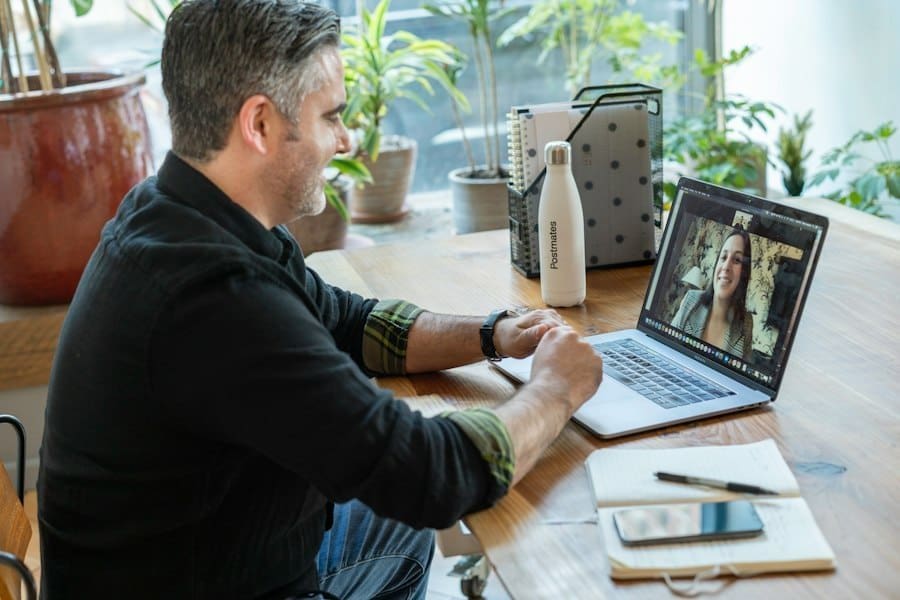
In a remote interview, my non-verbal cues are amplified and, in some ways, constrained by the two-dimensional nature of the screen. I've learned that I need to be more deliberate and conscious about how I present myself visually, as these cues heavily influence an interviewer's perception of my confidence, engagement, and professionalism.
Eye Contact and Camera Awareness
Maintaining "eye contact" through a screen is a unique skill that requires practice. I understand that looking directly into the camera lens simulates direct eye contact with the interviewer, creating a sense of connection.
Looking at the Camera, Not the Screen
This is perhaps the most challenging aspect of remote non-verbal communication for me. My natural inclination is to look at the interviewer's face on my screen. However, I know that this makes me appear to be looking down or away. I consciously train myself to look directly into my webcam, especially when I'm speaking. It feels a bit unnatural at first, but the impact it has on connecting with the interviewer is significant. I often position the interviewer's video feed just below my webcam to make this easier.
Strategic Gaze During Listening
While I maintain camera eye contact when speaking, I allow myself to occasionally glance at the interviewer's face on the screen when they are speaking. This shows that I am engaged and paying attention to their expressions. It's a delicate balance: I don't want to stare blankly into the camera for the entire interview, but I want to convey attentiveness.
The "Rule of Thirds" for Framing
I ensure my head and shoulders are clearly visible, filling roughly the top two-thirds of the screen. This framing provides a professional and engaging view, similar to how I would present myself in an in-person meeting. I avoid being too close to the camera, which can be overwhelming, or too far back, which can make me seem distant.
+ Join Our Writing Community for FREE
Chain Story Online
Fun, free, flash fiction writing with writers just like you. You have ~100 words to begin a story or continue a story and make it yours.
Story Bible Studio
Digital space for writers to plot, plan, and build better stories. Designed by writers for writers. Your final draft awaits.
Body Language and Demeanor
Even though I'm sitting down, my body language still conveys a wealth of information. I make sure my posture, gestures, and overall demeanor project confidence and enthusiasm.
Maintaining Good Posture
I sit upright, with my shoulders back and my feet flat on the floor. Good posture not only makes me look more confident and alert but also helps with vocal projection. Slouching can convey disinterest or a lack of energy, which I actively avoid.
Intentional Hand Gestures
I use natural, controlled hand gestures to emphasize points, just as I would in person. However, I'm mindful not to overdo it or make gestures that are too wide, as they can appear distracting or cut me out of the frame. I practice keeping my gestures within the frame and close to my body.
Conveying Engagement and Enthusiasm
A genuine smile and an energetic demeanor go a long way. I nod occasionally when the interviewer is speaking to show I'm listening and engaged. My facial expressions are open and friendly. I remind myself that my enthusiasm for the role and the company should be palpable, even through the screen.
Articulating My Value and Asking Strategic Questions
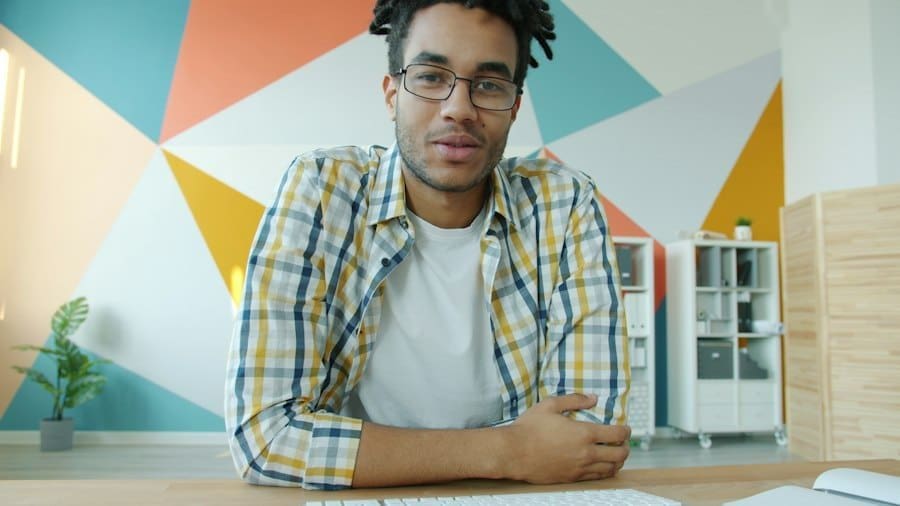
Beyond the technical and non-verbal aspects, the core of any interview remains my ability to clearly articulate my skills, experiences, and potential contributions. In a remote setting, where some of the natural back-and-forth might be subtly hindered, I find it even more important to be concise, impactful, and ready to engage thoughtfully.
Crafting Concise and Impactful Answers
The digital medium often calls for greater clarity and brevity. I focus on delivering my messages efficiently without sacrificing depth.
The STAR Method for Behavioral Questions
When faced with behavioral questions (e.g., "Tell me about a time you faced a challenge..."), I consistently employ the STAR method: Situation, Task, Action, Result. This structured approach helps me provide concrete examples that demonstrate my skills and achievements in a clear, concise, and compelling way. It ensures I don't ramble and that every story has a powerful takeaway.
Situation: Setting the Scene
I briefly describe the context or background of the situation. I make sure it's relevant to the question and provides enough detail for the interviewer to understand the scenario.
Task: Defining My Responsibility
I then outline my specific role and responsibilities within that situation. What was I expected to achieve? What was the problem I needed to solve?
Action: Detailing My Steps
This is where I explain the specific actions I took to address the task. I focus on "I" statements, highlighting my individual contributions and decision-making process.
Result: Quantifying My Impact
Finally, and most crucially, I explain the outcome of my actions. I quantify the results whenever possible using numbers, percentages, or concrete examples of success. This demonstrates the tangible value I brought to the situation.
Focusing on Value Proposition
Every answer I give, every experience I share, I frame it in terms of the value I can bring to their company and this specific role. I research the company thoroughly and tailor my responses to align with their mission, values, and the job description's requirements. I don't just list my skills; I explain how those skills translate into solutions for their potential needs.
Practicing for Fluency
I practice my answers out loud, not just in my head. This helps me refine my wording, identify areas where I might stumble, and ensure my delivery is smooth and confident. I even record myself sometimes to catch any verbal tics or awkward phrasing.
Asking Thought-Provoking Questions
The questions I ask at the end of an interview are just as important as my answers. They demonstrate my engagement, curiosity, and strategic thinking.
Researching the Company and Role Deeply
I never go into an interview without a list of well-researched questions. These aren't generic questions I could find answers to on their website's FAQ page. Instead, they delve into the team dynamics, company culture, future projects, or specific challenges related to the role. This shows I've done my homework and am genuinely interested in the nuances of the position.
Focusing on Growth and Contribution
My questions often revolve around growth opportunities, learning curves, and how I can contribute to the company's success. For example, I might ask, "What are the biggest challenges facing this team in the next 6-12 months, and how do you envision this role contributing to overcoming them?" or "What does success look like for someone in this role within their first year?"
Avoiding Self-Serving Questions (Initially)
While compensation and benefits are important, I generally save those questions for later stages of the interview process, or when explicitly invited to ask them. My initial questions are focused on the role, the team, and the company, demonstrating my genuine interest in the work itself.
Professionalism Beyond the Interview Call
My professionalism doesn't end when I hit the "leave meeting" button. The follow-up is an integral part of making a lasting impression and can significantly influence the hiring decision.
The Power of a Prompt and Personalized Thank You
A well-crafted thank-you note is not merely a formality; it's an opportunity to reinforce my candidacy and reiterate my enthusiasm.
Sending a Timely Follow-Up Email
I aim to send my thank-you email within 24 hours of the interview. This demonstrates my promptness and continued interest. Delaying it too long can make me seem less engaged or organized.
Personalizing Each Message
I never send a generic thank-you note. I tailor each email to the specific interviewer, referencing something unique we discussed during our conversation. For example, "I particularly enjoyed our discussion about the upcoming project in [area] and how my experience in [relevant skill] could be applied." This shows I was attentive and valued our individual conversation.
Reaffirming My Interest and Qualifications
I use the thank-you note as a final opportunity to reiterate my enthusiasm for the role and briefly highlight how my skills align with the company's needs. If there was a point I felt I didn't fully elaborate on during the interview, I might briefly touch on it here, providing a concise reinforcement of my capabilities.
Demonstrating Continued Engagement
Sometimes, the hiring process can be lengthy. I understand that patience is key, but there are also ways to subtly demonstrate continued engagement without being overly persistent.
Respecting the Stated Timeline
If the interviewer provides a timeline for next steps, I adhere to it. I resist the urge to follow up before that timeline has passed, as it can appear impatient or demanding.
Thoughtful Follow-Up If No Update
If the stated timeline passes without any communication, I send a polite and brief follow-up email. I reiterate my interest and inquire about the status of my application, offering any additional information they might require. This shows my continued interest without being aggressive.
Leveraging Network Connections (When Appropriate)
If I have a connection within the company, I might subtly reach out to them (after the thank-you note) to express my enthusiasm and perhaps ask them to put in a good word, provided it's a genuine connection and not a cold outreach. This is a delicate balance and requires careful judgment.
If you're looking to enhance your chances of success in a remote job interview, you might find it helpful to explore additional strategies that can set you apart. A related article that offers valuable insights is available at Enda Storrie's website, where you can discover more tips on presenting yourself effectively in virtual settings. By combining these techniques with the advice on how to stand out on video, you can create a compelling presence that resonates with potential employers.
If you're looking for a collaborative writing platform, check out Chain Story Online. It's a great way to connect with other writers and create stories together. Many users have found inspiration and creativity through Chain Story Online.
Mindset and Resilience: Navigating the Remote Interview Journey
Beyond all the technical setup and strategic communication, my internal state—my mindset and resilience—plays a colossal role in how I perform. Remote interviews can sometimes feel isolating, and it's easy to get discouraged. I've learned that cultivating a positive outlook and an ability to bounce back are just as crucial as any other tip.
Cultivating a Confident and Positive Outlook
My attitude is contagious, even through a screen. I believe that approaching each interview with confidence and genuine enthusiasm significantly impacts my performance and the interviewer's perception of me.
Believing in My Own Value
Before logging on, I take a moment to reflect on my accomplishments and the unique skills I bring to the table. I remind myself why I'm a strong candidate for the role. This internal pep talk helps me project self-assurance and authority. Doubts can easily translate into hesitant speech or a lack of conviction, so I actively work to suppress them.
Visualizing Success
I visualize a successful interview. I picture myself confidently answering questions, connecting with the interviewer, and leaving a positive impression. This mental rehearsal can calm nerves and prepare me for the actual event, almost like a mental dress rehearsal.
Embracing the "Practice Makes Perfect" Mantra
I don't expect to ace every interview. I view each interview, successful or not, as a learning opportunity. If I stumble, I learn from it. If I don't get the job, I reflect on what I could have done differently and apply those lessons to the next opportunity. This mindset prevents discouragement and fuels continuous improvement.
Managing Nerves and Pressure
Even with extensive preparation, nerves are natural. I've developed strategies to manage them effectively so they don't derail my performance.
Pre-Interview Rituals
I have a few small rituals that help me calm down. This might involve a few deep breaths, listening to a favorite piece of calming music, or reviewing a short list of positive affirmations. These small actions help ground me and clear my mind before the interview begins.
Hydration and Energy Levels
I ensure I'm well-hydrated before an interview, keeping a glass of water nearby. I also make sure I've eaten something light and nutritious so I'm not battling hunger pangs or low energy during the call. Physical comfort contributes greatly to mental clarity.
The Art of the Pause
When faced with a difficult question, I've learned the power of a brief pause. Instead of rushing to answer, I take a moment to collect my thoughts. This not only allows me to formulate a more coherent response but also demonstrates thoughtfulness and composure to the interviewer. It also prevents me from sounding flustered or unprepared.
Learning from Setbacks
Final Thoughts on Remote Job Interview
Not every interview results in a job offer, and that's okay. I don't let rejections define my worth. Instead, I try to gather feedback if possible, reflect on my performance, and use those insights to refine my approach for future opportunities. Resilience in the face of setbacks is a critical skill, not just for interviews, but for career growth in general. I understand that the remote interview landscape is competitive, and persistence, coupled with continuous refinement of my approach, is what will ultimately lead to success.
Next step: Want to go further? Read the best free tools for remote teams.
Related reading: Video Call Fatigue: Why It Happens and How to Beat It · Freelancing From Home: How to Get Started
Enda Storrie is a writer and the creator of Story Bible, the planning journal and app for writers, and Chain Story Online, a free collaborative storytelling platform.