Asynchronous communication for remote teams: fewer meetings, better written updates, clear tools and habits that work across time zones.
My Journey to Asynchronous Enlightenment
For years, I was a fervent believer in the real-time gospel. My understanding of productivity was inextricably linked to buzzing Slack channels, packed meeting schedules, and the immediate gratification of an instant reply. The hustle, the constant "being on," felt like a badge of honor, a testament to my commitment and a surefire way to keep projects moving forward. We were a co-located team for a long time, and this model worked, or so I thought.
Our office hummed with the energy of collaboration, the quick huddle over a monitor, the spontaneous whiteboard session. There was a certain magic to that immediate connection, the rapid-fire exchange of ideas that often sparked innovative solutions. However, even then, I noticed subtle inefficiencies. The same questions would be asked repeatedly because one person was on a call when another explained it. Deep work was constantly interrupted by "quick" questions that, upon reflection, could have been an email.
Then came the seismic shift: remote work. Initially, I tried to replicate our synchronous office environment online. My calendar became a battlefield of Zoom links, and Slack notifications pinged incessantly. The early mornings blurred into late nights as I tried to keep pace with colleagues in different time zones, driven by the ingrained belief that immediate responses were crucial for progress. I felt a constant pressure to be "available," to demonstrate my engagement and ensure no ball was dropped. The exhaustion was palpable.
I was perpetually tethered to my devices, my personal life bleeding into my professional one with an alarming lack of boundaries. I realized this wasn't sustainable, not for me, and certainly not for my team. The very energy I once celebrated was now draining me, leaving me feeling fragmented and less effective, despite my best efforts. It was during this period of burnout and introspection that I began to question the very foundation of my work philosophy.
The turning point was a particularly frustrating week where I spent more time coordinating meetings and chasing responses than actually doing the work. I was managing a project with critical dependencies, and the constant back-and-forth, the missed connections due to time zone differences, and the sheer volume of "urgent" requests pushed me to my breaking point. I started observing how my most productive colleagues operated. They weren't always the loudest or the most visible in real-time discussions. Instead, they seemed to be consistently delivering high-quality work, often with less apparent stress. I noticed their communication patterns were different.
They would post detailed updates, ask thoughtful questions that anticipated follow-ups, and seemed to have a knack for structuring information in a way that required less immediate interaction. This observation sparked a curiosity in me, a desire to understand their secret. It was the first glimmer of understanding that perhaps there was a different, more effective way to work, a way that didn't demand constant real-time interaction. It was the beginning of my asynchronous awakening.
Asynchronous communication has become a vital aspect of how remote teams operate effectively, allowing team members to collaborate across different time zones without the need for real-time interaction. For a deeper understanding of the dynamics of remote work and the strategies that enhance team productivity, you can explore the article titled "The Future of Remote Work: Embracing Flexibility and Collaboration" available at this link. This article delves into the evolving landscape of remote work and offers insights on how teams can thrive in an asynchronous environment.
Embracing a New Communication Paradigm

Shifting to an asynchronous mindset wasn't like flipping a switch; it was a deliberate and often challenging process of re-educating myself and slowly influencing my team. The initial hurdle was overcoming the ingrained habit of instant gratification. We’re so conditioned to expect immediate replies that anything less can feel like a slowdown or even a lack of respect.
I had to consciously resist the urge to ping someone immediately and instead, frame my questions and requests with the understanding that a response might not come for hours, or even the next day. This required a fundamental shift in how I structured my own work and how I managed my expectations of others. It meant thinking ahead, providing all necessary context in my initial communication, and anticipating potential questions.
The Power of Detailed Documentation
One of the cornerstones of effective asynchronous communication, I quickly learned, is impeccable documentation. In a synchronous environment, we often rely on verbal explanations, impromptu whiteboard sessions, and quick clarifications. These informal exchanges are lost in an asynchronous setting. I realized that every decision, every process, every project update needed to be meticulously documented and easily accessible. This wasn't just about creating a repository of information; it was about ensuring that anyone, at any time, could find the answers they needed without having to interrupt another person.
For example, when starting a new project, instead of a kickoff meeting that might leave some participants confused or with unanswered questions, I began to create a comprehensive project brief. This brief would outline the project goals, scope, key stakeholders, timelines, and any relevant background information. It became a living document, updated as the project progressed, serving as the single source of truth. Similarly, for recurring tasks, I started documenting step-by-step procedures, including screenshots and explanations for common issues. This reduced the number of "how-to" questions and empowered team members to resolve issues independently.
Crafting Effective Asynchronous Messages
The way I wrote my messages also underwent a significant transformation. I moved away from terse, fragmented messages and embraced a more comprehensive and thoughtful approach. Each message became a mini-document in itself, designed to convey maximum information with minimal ambiguity.
My new approach to message crafting involved several key elements:
- Clear Subject Lines: No more vague "Question" or "Update." My subject lines now concisely summarize the message's content, e.g., "Project X: Bi-Weekly Update & Next Steps" or "Feedback Request: Marketing Campaign Draft."
- Comprehensive Context: I learned to assume the recipient might not have the immediate context of my request. Before diving into the specifics, I would briefly explain the "why" behind my message, linking it to previous discussions or relevant documents.
- Actionable Requests: Instead of simply stating a problem, I would clearly articulate what I needed from the recipient. "Could you review the attached draft by Friday and provide your thoughts on [specific aspects]?" is far more effective than "Take a look at this draft when you can."
- Anticipating Questions: I started to pre-empt potential follow-up questions and address them directly within my initial message. If I was sharing a proposal, I'd include details about the rationale behind my choices, potential challenges, and alternative solutions considered.
- Organized Structure: For longer messages, I adopted a clear structure using bullet points, numbered lists, and bold text to enhance readability and make it easier to digest the information.
This meticulous approach to communication significantly reduced the back-and-forth, allowing for more focused work on both ends. It transformed my internal communication from reactive to proactive, ensuring clarity and efficiency.
Shifting Meeting Culture
Meetings, once a ubiquitous part of my daily routine, became a tool I used sparingly and strategically. I started questioning the necessity of every meeting. Could this discussion be an email? Could the information be shared in a well-documented update? If the answer was yes, I would opt for an asynchronous approach. When meetings were necessary, their purpose became much more focused. They were no longer for information sharing (which could be done asynchronously) but for critical decision-making, brainstorming complex issues that truly benefited from real-time interaction, or building team cohesion. Before scheduling a meeting, I now make sure to:
- Define a Clear Agenda: Every meeting has a defined purpose and a set of objectives.
- Pre-Circulate Materials: All relevant documents and information are shared well in advance, allowing participants to come prepared and avoid using meeting time for reading.
- Capture Decisions and Action Items: Meeting summaries with clear action items and responsible parties are distributed promptly after the meeting, creating a record for future reference.
This shift meant fewer, shorter, and much more productive meetings. It freed up significant blocks of time for deep work, not just for me but for my entire team.
+ Join Our Writing Community for FREE
Chain Story Online
Fun, free, flash fiction writing with writers just like you. You have ~100 words to begin a story or continue a story and make it yours.
Story Bible Studio
Digital space for writers to plot, plan, and build better stories. Designed by writers for writers. Your final draft awaits.
The Unforeseen Benefits of Asynchronous Work
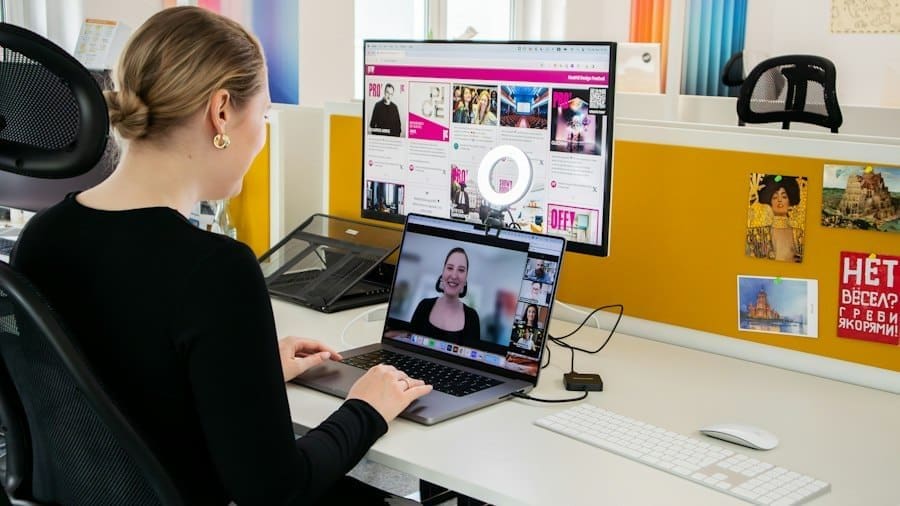
The transition to asynchronous communication, while initially challenging, unlocked a cascade of unexpected and profoundly positive outcomes, not just for my productivity but for my overall well-being and the effectiveness of my team.
Empowering Deep Work and Focus
Perhaps the most significant benefit I experienced was the ability to engage in true deep work. No longer constantly interrupted by notifications or the pressure to respond immediately, I could allocate substantial blocks of time to focused tasks that required sustained concentration. This meant I could tackle complex problem-solving, strategic planning, or writing extensive reports without the constant mental context-switching that had previously fragmented my day.
I found myself producing higher quality work, with fewer errors, simply because I had the mental space to fully immerse myself in the task at hand. The feeling of being "in flow" became a regular occurrence, a stark contrast to the scattered feeling of my previous synchronous-heavy existence. This newfound ability to concentrate has been transformative for my personal productivity and the quality of my output.
Fostering Autonomy and Ownership
Asynchronous communication naturally encourages greater autonomy and ownership within the team. When individuals are responsible for digesting information, formulating thoughtful responses, and contributing to shared documents at their own pace, they develop a deeper understanding of their tasks and how they fit into the larger picture. I observed team members taking more initiative, proactively identifying solutions, and contributing more comprehensive insights.
They weren't just executing tasks; they were genuinely invested in the outcomes. This shift reduced my own burden as a manager because I could trust that my team members were capable of self-managing their contributions and making informed decisions without constant oversight. It moved us away from a hierarchical "wait for instructions" model to a more collaborative and empowered one.
Enhancing Inclusivity and Equity
One of the most heartwarming discoveries was how asynchronous communication leveled the playing field for different communication styles and working preferences. In a synchronous meeting, the loudest voices often dominate, and those who need time to process information or articulate their thoughts carefully can get overlooked. In an asynchronous environment, everyone has the opportunity to contribute thoughtful, well-considered responses.
I noticed that quieter team members, who might hesitate to speak up in a live meeting, thrived in this new setup. They could take their time to formulate their ideas, research supporting information, and articulate their perspectives in writing. This led to a richer diversity of viewpoints being shared and considered, ultimately resulting in better decision-making. Furthermore, for team members in different time zones, or those with family responsibilities or personal appointments, asynchronous work provided invaluable flexibility. They could contribute effectively without having to warp their schedules to match everyone else's, leading to a much more equitable and less stressful work environment. This inclusivity fostered a stronger sense of belonging and allowed everyone to contribute their best work.
Creating a Permanent Knowledge Base
Every well-crafted asynchronous message, every detailed project update, every documented decision, contributes to a robust and ever-growing knowledge base. This wasn't just about storing information; it was about creating a living repository of our collective wisdom. New team members could onboard more quickly by accessing past discussions and project briefs. Recurring questions could be answered by simply pointing to an existing document.
This permanent record reduced institutional knowledge loss and ensured continuity, even as team members moved to different projects or left the organization. I found myself spending less time answering repetitive questions and more time on strategic initiatives, knowing that the answers were readily available to anyone who sought them. It transformed our internal communication from ephemeral conversations into enduring assets.
Tools and Strategies I Now Swear By
My embrace of asynchronous communication wouldn't have been possible without a strategic selection of tools and a disciplined approach to their utilization. It’s not just about having the tools; it’s about using them effectively to support a delayed-response workflow.
Centralized Communication Platforms
For our primary communication, we rely heavily on platforms that allow for structured, threaded conversations and robust search functionality.
- Slack/Microsoft Teams (with a caveat): While these are often seen as real-time tools, we've deliberately shifted our usage. Our channels are organized by project or topic, and we encourage thorough, context-rich messages rather than rapid-fire chat. Crucially, we have strict guidelines around expectations for response times – no expectation of immediate replies for most channels. We use specific channels for truly urgent matters, but those are rare. I find myself using the "remind me" feature constantly, allowing me to process messages when I'm ready, rather than immediately.
- Asynchronous Project Management Tools: Tools like Asana, Jira, or Trello are indispensable. Every task, every sub-task, every bug report, every feature request lives here. Crucially, all communication related to a specific task happens within that task's comments. This keeps conversations contextual and makes it easy to trace decisions and progress. I document detailed requirements, attach relevant files, and add notes directly to tasks. This ensures that when a team member picks up a task, they have all the necessary information without needing to ask me.
Robust Documentation and Knowledge Sharing Systems
A strong knowledge base is the backbone of asynchronous work. Without it, people will constantly need to ask for information.
- Confluence/Notion/Google Docs: These are our go-to for creating and maintaining living documents. Project plans, team processes, decision logs, meeting summaries (when meetings occur), and FAQs are all stored here. The key is making them easily searchable and ensuring they are regularly updated. I personally ensure that any significant decision made asynchronously is captured in a formal document, linked from relevant project management tasks. This prevents important information from being lost in a chat thread. I also advocate for a culture where anyone who discovers missing information or a process that could be better documented is empowered to update it.
- Shared Drive (Google Drive/SharePoint): For all files – designs, code, marketing assets, reports – a well-organized shared drive is critical. Strict naming conventions and folder structures ensure that anyone can find what they need without having to ask where a specific document is located. I make it a point to link directly to files in our project management tools and documentation, rather than attaching them to messages, to ensure everyone always accesses the most current version.
Video Messaging and Explainer Tools
While text-based communication is our default, some explanations benefit from a visual or audio component without requiring a live meeting.
- Loom/Vidyard: These tools allow me to record short videos explaining complex concepts, walking through a design, or providing feedback on a document. I can talk through my screen, highlighting specific points, and deliver a more nuanced message than text alone. These videos are then shared asynchronously, allowing recipients to watch them at their convenience. This is particularly effective for design reviews or demonstrating software functionality. It cuts down on misinterpretations that can arise from text-only explanations of visual things.
- Voice Notes: For quick, slightly more personal messages that don't require visual aids, I sometimes use voice notes within our communication platforms. These can convey tone more effectively than text and are quicker to record than typing a long message, especially when I'm on the go.
Establishing Clear Expectations and Norms
Tools alone aren't enough; the culture surrounding their use is paramount. We've developed a set of team norms:
- Response Time Guidelines: We’ve established clear, realistic expectations for response times (e.g., "expect a reply within 24 hours on project-related messages," "urgent issues marked with [URGENT] will be addressed within 2 hours"). This removes the pressure for constant monitoring.
- "No Meeting Wednesdays" (or similar): Designating specific days or blocks of time as meeting-free encourages deep work and reinforces the asynchronous mindset.
- "Think Before You Ping": We encourage team members to first check documentation or attempt to solve a problem independently before reaching out to others. This reduces unnecessary interruptions.
- "Don't Just Ask for X, Ask for Y": If you need information, explain why you need it. This helps the person providing the information give a more comprehensive answer and sometimes even solve a deeper problem you didn't realize you had.
- Transparency by Default: We operate with a bias towards making information public and accessible. If something isn't confidential, it goes into a shared channel or document, not a private message.
By combining these tools with a disciplined approach and clear team norms, I've found that asynchronous communication not only works but thrives, allowing our remote team to achieve remarkable levels of productivity and collaboration.
Asynchronous communication has become a vital aspect of how remote teams operate effectively, allowing members to collaborate across different time zones without the need for real-time interaction. A related article that explores the importance of planning and preparation in outdoor activities, such as hiking, can provide valuable insights into how structured approaches can enhance teamwork. You can read more about this in the article on conquering Nephin, which highlights the significance of strategy and communication in achieving goals. For more details, check out the article here.
If you're looking for a collaborative writing platform, check out Chain Story Online. It's a great way to connect with other writers and create stories together. Many users have found inspiration and creativity through Chain Story Online.
Maintaining Connection and Culture Asynchronously
One of the biggest concerns I initially had about a fully asynchronous model was the potential for isolation and a decline in team camaraderie. I worried that without the spontaneous water cooler chats and impromptu social interactions, the team would feel disconnected, like a collection of individual contractors rather than a cohesive unit. This was a valid concern, and addressing it required intentional effort to foster connection in new ways.
Dedicated Social Channels and Activities
We couldn't rely on serendipitous interactions, so we created intentional spaces for them. We set up dedicated Slack channels for non-work-related topics, such as "pets," "hobbies," "what I'm cooking," or "weekend plans." These channels became surprisingly vibrant, allowing team members to share glimpses of their personal lives and connect over shared interests. I often participate, sharing photos of my own pets or an interesting book I'm reading, to encourage others.
We also introduced optional, informal virtual social gatherings. These aren't meetings with an agenda; they're simply "coffee breaks" or "happy hours" where people can drop in, chat, and play online games if they wish. The key is that they are optional and have no work agenda, reducing the pressure to attend and making them genuinely enjoyable. I've found that keeping these social interactions light and informal, focusing on shared interests rather than work, helps bridge the gap created by physical distance.
Intentional Check-Ins and One-on-Ones
While team-wide communication shifted to asynchronous channels, I maintained regular, albeit more structured, one-on-one check-ins with each team member. These are not about status updates (which should be handled asynchronously) but about individual well-being, career development, and providing a space for personal connection. During these calls, I make a point to actively listen, ask about their workload, challenges, and aspirations, and offer support. This dedicated time allows for deeper conversations that might not happen in a public asynchronous forum. I find these sessions invaluable for understanding how each person is doing, addressing any concerns they might have, and ensuring they feel supported and heard. It's a critical component of maintaining a strong team dynamic when daily interactions are mostly text-based.
Celebrating Successes and Milestones
Acknowledging achievements and milestones is crucial for team morale, whether co-located or remote. In an asynchronous setup, this requires a more deliberate approach. We created a dedicated "wins" channel where team members can post about their accomplishments, big or small. I make a point to regularly highlight individual and team successes, often in public asynchronous updates or through a short video message.
Celebrating birthdays, anniversaries, or significant life events (with the individual's consent) also helps build a sense of community. Public recognition, even if delayed, reinforces positive behaviors and ensures that hard work doesn't go unnoticed. I've found that a simple "great job on that report!" or "congratulations on shipping that feature!" can go a long way in an asynchronous environment.
Fostering a Culture of Empathy and Understanding
Finally, I believe the most important aspect of maintaining connection asynchronously is fostering a culture of empathy and understanding. We openly acknowledge that everyone works differently, has different life circumstances, and might be operating in different time zones. We encourage team members to be explicit about their availability and response expectations. If someone is going offline for a few hours or a day, they communicate it clearly. If someone needs more time to respond to a complex request, they say so. This transparency builds trust and reduces anxiety.
Final Thoughts on Asynchronous Communication
I actively promote the idea that asynchronous communication is not about being "always on" but about "always contributing" in a sustainable way. We understand that life happens, and sometimes a response will be delayed. By building this foundation of mutual respect and understanding, we’ve managed to create a remote team that feels genuinely connected, supportive, and collaborative, even without constant real-time interaction. It's about respecting each other's time and boundaries, trusting in each other's commitment, and recognizing that quality of contribution matters more than speed of reply.
Next step: Want to go further? Read the best free tools for remote teams.
Related reading: How to Build Relationships With Colleagues You Never Meet · Video Call Fatigue: Why It Happens and How to Beat It
Enda Storrie is a writer and the creator of Story Bible, the planning journal and app for writers, and Chain Story Online, a free collaborative storytelling platform.