Yoga for beginners: a gentle 15-minute routine with simple poses, breathing tips and how to build a calm, flexible habit at home.
I remember my first few times on a yoga mat. It felt a little awkward, a bit like trying to learn a new language with only a phrasebook. I was intimidated by the images of seemingly impossibly flexible people I saw online and in magazines, twisting themselves into intricate poses. I thought, "There's no way I can do that."
But I also felt a deep yearning for something more, a way to connect with my body, calm my mind, and find a sense of peace amidst the daily chaos. That's when I discovered the beauty of starting small, of understanding that yoga isn't about perfection, but about presence. This article is my way of sharing that discovery with you, especially if you're a beginner, just dipping your toes into the vast ocean of yoga. We'll explore a gentle, achievable 15-minute routine designed to make you feel good, not overwhelmed.
Embracing the Beginner's Mindset in Yoga
When I first started yoga, I made the mistake of thinking it was all about the physical poses, the asanas. I pushed myself too hard, focused on how I looked, and often felt frustrated when my body didn't comply with my mental image of what a pose should be. It took me a while to understand that yoga is so much more than just stretching. It's a holistic practice that integrates mind, body, and spirit. For beginners, this understanding is crucial. It frees us from the pressure of performance and allows us to truly experience the benefits.
Letting Go of Expectations
One of the biggest hurdles I faced as a beginner was letting go of expectations. I'd compare myself to others, or even to my own past athletic abilities, which often led to feelings of inadequacy. What I learned, however, is that yoga is a deeply personal journey. My body is unique, with its own history, strengths, and limitations. Your body is the same. There's no right or wrong way to "do" a pose, only your way.
The goal isn't to touch your toes if your hamstrings are tight, but rather to feel the stretch, to breathe into it, and to honor what your body is capable of on any given day. This shift in perspective was truly liberating for me. It transformed yoga from a challenging physical endeavor into a compassionate self-exploration. I started to see my mat as a sanctuary, a place where I could connect with myself without judgment.
The Importance of Listening to Your Body
My yoga instructors always emphasized listening to my body, and it's a lesson I've carried into all aspects of my life. In the beginning, I'd often push through discomfort, thinking "no pain, no gain." This is a dangerous mindset in yoga. Discomfort is a signal; pain is a stop sign. There's a subtle but important difference. Discomfort might be the sensation of a muscle lengthening, a gentle stretch that feels good but is unfamiliar.
Pain, however, is sharp, sudden, or persistent, and it's your body telling you to back off. Learning to discern these signals takes practice and patience. For me, it meant slowing down, breathing more deeply, and sometimes modifying a pose or skipping it entirely. It taught me self-compassion and the wisdom of respecting my body's boundaries. This isn't about weakness; it's about intelligent practice and preventing injury.
Cultivating Breath Awareness
Before I started yoga, I never really paid attention to my breath. It was just something my body did automatically. But in yoga, the breath, or pranayama, is central to the practice. It's the anchor that connects the mind and body. When I first tried to focus on my breath, I found my mind wandering constantly. It felt like trying to catch a slippery fish. Over time, however, with consistent practice, I started to notice the subtle rhythms of my inhalation and exhalation.
I learned to breathe more deeply, more fully, into my belly rather than just my chest. This simple act had a profound impact on my nervous system, helping me to feel calmer, more centered, and more present both on and off the mat. For beginners, simply observing your breath, noticing its length and quality, is a powerful starting point. Don't worry about complex breathing techniques yet; just breathe and observe.
If you're looking to enhance your overall well-being alongside your yoga practice, you might find inspiration in the article about hiking, titled "Conquering Nephin: A Walk to the Summit." This piece explores the physical and mental benefits of hiking, which can complement the gentle 15-minute yoga routine for beginners. Engaging in both activities can promote mindfulness and strengthen your connection to nature. You can read more about this invigorating experience by visiting the article here: Conquering Nephin: A Walk to the Summit.
Preparing for Your 15-Minute Gentle Yoga Session
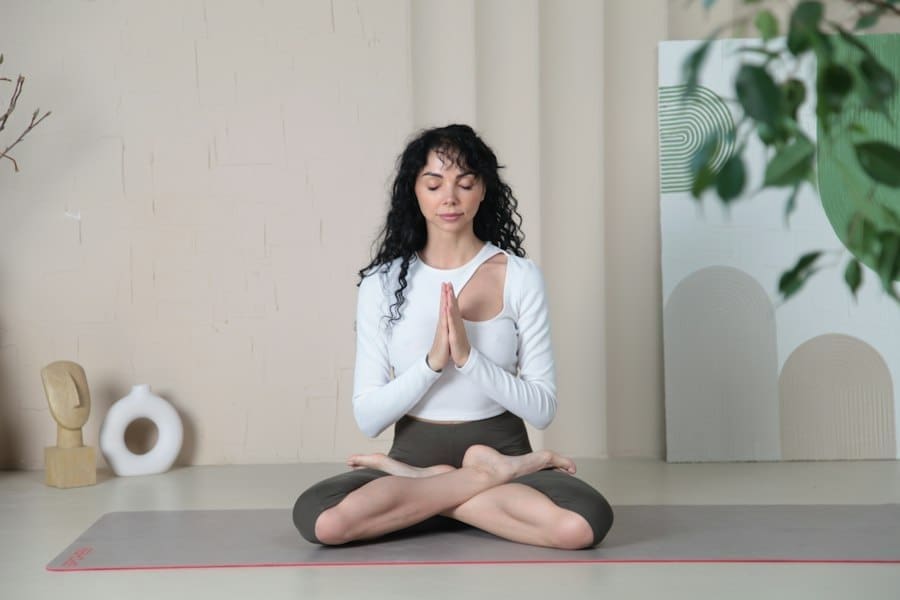
Before I even step onto my mat, I like to create a little ritual for myself. It helps me transition from the busyness of my day to the quiet space of my practice. This preparation isn't just about gathering props; it's about setting an intention and making the experience as comfortable and enjoyable as possible.
Choosing Your Space and Attire
I find that having a dedicated space, even a small corner, helps to signal to my brain that it's time for yoga. It doesn't need to be fancy; a clear patch of floor is perfect. I make sure there's enough room to extend my arms and legs without bumping into anything. Sometimes, I'll light a candle or put on some gentle music, but often, the quiet of my home is enough. The key is to choose a space where you won't be easily interrupted.
As for attire, comfort is absolutely paramount. I always opt for clothing that allows for a full range of motion without restricting me. Think soft, breathable fabrics. I prefer leggings or loose-fitting pants and a comfortable top. Avoid anything too tight, stiff, or with too many distracting embellishments. Remember, this is about feeling good in your body, not about fashion. I also like to practice barefoot to allow my feet to ground and spread naturally.
If you're just starting your journey into yoga, you might find it helpful to explore additional resources that can enhance your practice. One such article is a comprehensive guide on the benefits of mindfulness meditation, which complements the gentle routine outlined in "Yoga for Beginners: A Gentle 15-Minute Routine." This guide provides insights into how mindfulness can improve your overall well-being and deepen your yoga experience. To learn more about this enriching practice, check out the article here: mindfulness meditation.
+ Join Our Writing Community for FREE
Chain Story Online
Fun, free, flash fiction writing with writers just like you. You have ~100 words to begin a story or continue a story and make it yours.
Story Bible Studio
Digital space for writers to plot, plan, and build better stories. Designed by writers for writers. Your final draft awaits.
Essential Props (and What to Do if You Don't Have Them)
When I first started, I thought I needed a whole arsenal of yoga props. While they can be incredibly helpful, especially as you advance, for a beginner's gentle 15-minute routine, you really only need a few basics.
A Yoga Mat
This is probably the most essential item. A yoga mat provides cushioning for your joints and offers grip, preventing you from slipping. I remember trying to practice on a carpeted floor once, and my hands kept sliding! If you don't have a specific yoga mat, a thick towel or a carpeted area can work in a pinch, but be mindful of stability. Look for a mat with good grip and sufficient thickness to protect your knees and wrists.
A Blanket or Towel
I use a folded blanket or a thick towel for extra padding under my knees, or to sit on to elevate my hips, especially in seated poses. This slight elevation can make a big difference in the comfort of your lower back and hips, allowing your spine to lengthen more easily. Don't underestimate the power of a simple blanket to enhance your practice. I often roll one up and place it under my neck for support in savasana, too.
Blocks or Sturdy Books
Yoga blocks are fantastic for bringing the floor closer to you, especially if you have tight hamstrings or a stiff back. They can provide support in standing poses, help you reach the floor more comfortably, and offer stability. When I first started, I didn't have blocks, so I used thick, hardcover books (think dictionaries or encyclopedias) stacked up. They worked perfectly! Just make sure they are stable and won't slip. A sturdy cushion or even a small stool can also be adapted.
If you're looking for a collaborative writing platform, check out Chain Story Online. It's a great way to connect with other writers and create stories together. Many users have found inspiration and creativity through Chain Story Online.
Your Gentle 15-Minute Beginner's Yoga Routine
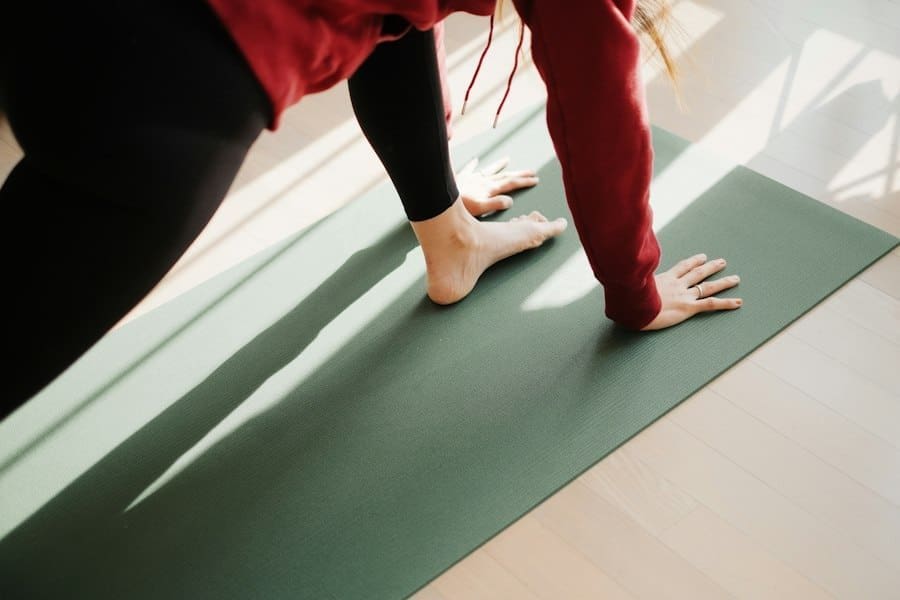
Now, let's get to the practice itself. This routine is designed to be gentle, accessible, and effective for complete beginners. It focuses on foundational poses, mindful movement, and connecting with your breath. Remember, the goal isn't perfection, but presence. Move slowly, listen to your body, and enjoy the experience. I always remind myself that even 15 minutes is a powerful commitment to my well-being.
1. Centering and Breath Awareness (2 minutes)
I always start my practice by simply arriving on my mat. This helps to set the tone for the rest of the session.
Easy Pose (Sukhasana)
I like to begin by sitting comfortably on my mat in Easy Pose. I might sit directly on the floor, or if my hips are tight, I'll place a folded blanket or cushion underneath my sitting bones to elevate them slightly. This helps my spine to lengthen more naturally. I cross my shins, placing one foot in front of the other, allowing my knees to drop towards the floor. My hands can rest gently on my knees, palms up or down, whatever feels most natural. I gently close my eyes or soften my gaze downwards.
Mindful Breathing
Once I'm settled, I take a moment to simply notice my breath. I don't try to change it or control it, just observe. I notice the cool air entering my nostrils and the warm air leaving. I feel my belly expand with each inhale and gently contract with each exhale. I might place one hand on my belly and the other on my chest to feel the movement. This helps to bring my awareness inward, away from external distractions, and into the present moment. I try to extend my inhales and exhales a little, making them smooth and even. This simple practice helps calm my nervous system and prepare my body and mind for the movements to come.
2. Gentle Warm-Up (4 minutes)
After centering, I gently warm up my spine and joints. These movements are fluid and connected with the breath.
Cat-Cow Flow (Marjaryasana-Bitilasana)
I move onto my hands and knees, ensuring my wrists are directly under my shoulders and my knees are under my hips. My fingers are spread wide, pressing evenly into the mat. As I inhale, I drop my belly towards the mat, lift my chest and tailbone, and look slightly forward (Cow Pose). I feel a gentle stretch along the front of my torso.
Then, as I exhale, I round my spine towards the ceiling, tucking my chin towards my chest and drawing my navel towards my spine (Cat Pose). I imagine a cat stretching its back. I repeat this flowing movement for several rounds, coordinating each movement with my breath. This sequence is a wonderful way to awaken the flexibility of the spine and warm up the core. I focus on making each movement slow and deliberate, not rushing through it.
Seated Side Bend
From Easy Pose, I inhale and reach my right arm up towards the ceiling. As I exhale, I gently lean over to my left side, placing my left hand on the mat beside me. I keep both sitting bones grounded and try not to collapse forward. I feel a nice stretch along my right side body, from my hip all the way to my fingertips.
I take a few breaths here, allowing the stretch to deepen slightly with each exhale. Then, on an inhale, I return to center, and repeat on the other side. This helps to open up the intercostal muscles and sides of my torso, which often get tight from sitting. I'm careful not to overstretch, just a gentle lengthening.
3. Standing Poses for Stability and Strength (5 minutes)
Next, I move into some standing poses. These help build strength and improve balance, even in their gentlest forms.
Mountain Pose (Tadasana) with Arm Raises
I stand at the top of my mat, feet hip-width apart, or even slightly wider for more stability. My toes are pointing forward, and I distribute my weight evenly through both feet. I engage my leg muscles, lift my kneecaps, and lengthen my spine upwards, as if a string is pulling the crown of my head towards the ceiling. My shoulders are relaxed down my back, and my arms hang loosely by my sides, palms facing forward. This is Mountain Pose, a foundational pose for grounding.
From here, as I inhale, I slowly sweep my arms out to the sides and up towards the ceiling, palms facing each other. I keep my shoulders relaxed, away from my ears. As I exhale, I slowly lower my arms back down to my sides. I repeat this motion several times, linking my breath to the movement. This simple action helps to connect my lower body to my upper body and opens up the chest and shoulders.
Warrior II (Virabhadrasana II) - Modified
I step my right foot back about 3-4 feet, turning my right foot out so it's parallel to the short edge of the mat, and my left foot points straight forward. I make sure my left heel is in line with the arch of my right foot. I bend my left knee, keeping it stacked directly over my left ankle, ensuring my knee doesn't collapse inward. My hips are open to the side of the mat.
I extend my arms out to shoulder height, parallel to the floor, palms facing down, looking over my left fingertips. I feel the strength in my legs and the expansion in my chest. I hold for a few breaths, focusing on my foundation and my breath. Then, I straighten my front leg, turn my feet forward, and switch sides, stepping my left foot back to repeat on the other side. If balancing is challenging, I might keep my feet slightly closer together.
Tree Pose (Vrksasana) - Modified
From Mountain Pose, I shift my weight onto my left foot. I place the sole of my right foot on the inside of my left ankle, with my toes still on the mat for balance. If I feel stable, I might slide my foot up to my calf (avoiding placing it directly on the knee joint), or even to my inner thigh. I bring my hands to my heart center in Anjali Mudra.
I focus my gaze on a non-moving point in front of me (my drishti) to aid my balance. I try to lengthen my spine and keep my hips level. I hold for a few breaths, then gently release and repeat on the other side. This pose is wonderful for improving balance and concentration. If I'm struggling with balance, I might even place one hand on a wall for support.
4. Gentle Floor Stretches (3 minutes)
After the standing poses, I move to the floor for some gentle stretches that help release tension.
Child's Pose (Balasana)
From hands and knees, I gently sit my hips back towards my heels. My knees can be together or spread wide apart, whichever feels more comfortable. I walk my hands forward, resting my forehead on the mat. My arms can extend forward, or I can bring them back alongside my body with my palms facing up. This pose is incredibly calming and restorative. It gently stretches the hips, thighs, and ankles, and helps to relieve stress. I often take a few deep breaths here, feeling my belly press against my thighs, which provides a gentle internal massage. It's my go-to pose for rest and surrender.
Supine Spinal Twist (Supta Matsyendrasana)
I lie down on my back, drawing both knees into my chest. I extend my arms out to a "T" shape, palms facing up. As I exhale, I gently let both knees fall over to my right side, keeping both shoulders as close to the mat as possible. I might look over my left shoulder for a deeper twist. I feel a gentle stretch in my spine and outer hip.
I take several deep breaths here, allowing my body to soften into the twist. Then, I bring my knees back to center on an inhale, and repeat on the other side. This twist is excellent for releasing tension in the lower back and promoting spinal mobility. I'm careful not to force the twist; it's about finding a comfortable release.
5. Final Relaxation (1 minute)
I always end my practice with a period of rest and integration. This is just as important as the physical poses.
Corpse Pose (Savasana)
I lie flat on my back, allowing my legs to extend long, about hip-width apart, with my feet falling open naturally. My arms rest by my sides, palms facing up, slightly away from my body. I make sure my head and spine are in a neutral position. I close my eyes and allow my body to feel heavy and supported by the mat. I take a few deep breaths, and then let my breath return to its natural rhythm.
I focus on relaxing every part of my body, starting from my toes and moving all the way up to the crown of my head. I let go of any tension I'm holding, mentally scanning my body for areas of tightness and consciously releasing them. This final relaxation, even for just a minute, allows my body to absorb the benefits of the practice and helps to integrate the physical and mental aspects of the yoga session. It's a moment of complete surrender and peace, and I always emerge from it feeling refreshed and renewed.
I remember when I first started practicing Savasana, my mind would race. I'd be thinking about my to-do list, what I needed to make for dinner, or a conversation from earlier in the day. It felt impossible to just "be." But with consistent practice, I learned to gently bring my attention back to my breath whenever my mind wandered. I realized that Savasana isn't about clearing your mind completely; it's about acknowledging your thoughts without judgment and then choosing to return to the present moment. It's a powerful lesson in mindfulness that extends far beyond the yoga mat.
Even this short minute of Savasana can make a significant difference in how you feel after your practice. It's the sweet reward for your efforts, allowing your body to fully process and integrate all the wonderful sensations and benefits you've cultivated. After this minute, I slowly wiggle my fingers and toes, gently roll to one side, and push myself up to a seated position, taking a moment to thank myself for showing up on the mat.
Final Thoughts on Yoga for Beginners
This 15-minute routine might seem short, but it's a powerful start. Consistency, even in small doses, is far more impactful than sporadic long sessions. I've found that these gentle movements and the focus on breath have transformed not just my body, but also my ability to handle stress, my self-awareness, and my overall sense of well-being. I truly hope this guide inspires you to roll out your mat and begin your own gentle journey into the world of yoga. Remember, it's not about being good at yoga; it's about being good to yourself.
Related reading: Mindfulness for Beginners: A Five-Minute Daily Practice · Strength Training Over 40: Why It Matters and How to Start
Enda Storrie is a writer and the creator of Story Bible, the planning journal and app for writers, and Chain Story Online, a free collaborative storytelling platform.