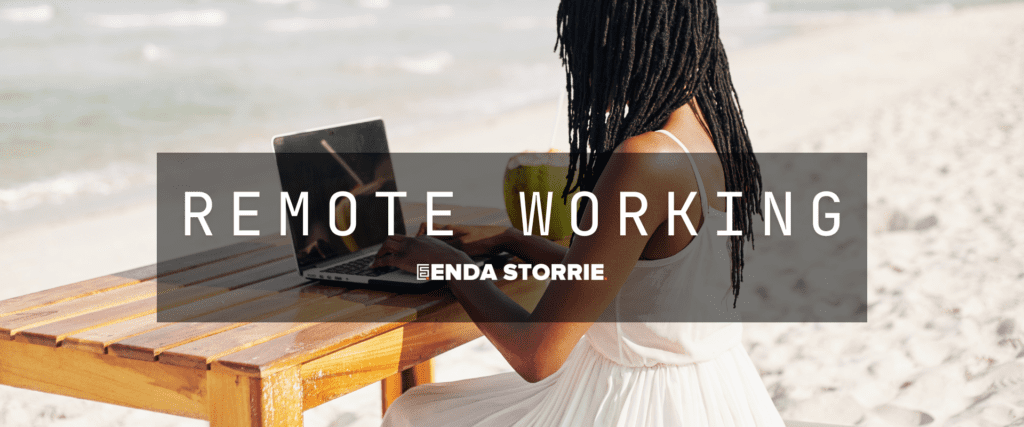
Set work-life boundaries when your home is your office: clear hours, a closing ritual, separate spaces and ways to truly switch off.

The Blurring Lines: My Personal Struggle
I remember the initial thrill of working from home. No more soul-crushing commute, the freedom to brew my own coffee exactly how I liked it, and the glorious notion of wearing sweatpants all day. It felt like a liberation, a leap into a more efficient, less stressful professional existence. But what started as a dream quickly morphed into a subtle, insidious challenge. The lines, once so clearly delineated between "work" and "life," began to blur, then bleed, and eventually, dissolve almost entirely.
My home, once a sanctuary, became an extension of my office, and my office, in turn, permeated every corner of my personal space. This wasn’t just about having a laptop on my kitchen table; it was about the mental intrusion, the constant hum of pending tasks, the persistent feeling of being "on" even when I desperately needed to switch off. I found myself checking emails at 10 PM, drafting responses while waiting for dinner to cook, and even waking up in the middle of the night with work-related anxieties swirling in my head.
The physical proximity of my workspace to my living space created a psychological trap, making it incredibly difficult to disengage. It became apparent that the initial joy of working from home was inextricably linked to my ability to manage this blurring, to consciously construct and defend boundaries that didn't naturally exist in this new paradigm. This personal struggle, shared by countless others, became the driving force behind my quest to understand and implement effective work-life boundaries.
The Illusion of Flexibility
One of the most appealing aspects of working from home, for me, was the perceived flexibility. I imagined myself taking midday breaks for exercise, running errands with ease, and generally orchestrating my day with an unprecedented level of autonomy. In reality, however, this flexibility often translated into working more hours, not fewer. The absence of a physical office to leave meant there was no natural end-point to my workday. If I started later, I felt compelled to work later to compensate.
If I took a break, I felt guilty and often made up for it by working through my lunch or staying online well into the evening. This illusion of flexibility, while tempting, often led to an insidious encroachment of work into my personal time. I found myself sacrificing personal appointments, delaying household chores, and pushing back social engagements, all in the name of "getting things done" or "making up for lost time."
The freedom I had envisioned became a self-imposed prison, where the expectation to be constantly available, fueled by the very tools that were meant to empower me, chipped away at my ability to genuinely disconnect. The ease of "just checking one more email" or "finishing that last task" quickly snowballed into an extended workday that left me feeling drained and resentful, ironically defeating the very purpose of remote work's supposed benefits.
The Mental Health Toll
The continuous blending of my work and personal life began to take a significant toll on my mental well-being. I experienced a heightened sense of stress and anxiety, largely due to the difficulty in truly switching off. My mind was constantly buzzing with work-related thoughts, making it challenging to relax or fully immerse myself in leisure activities. Sleep became elusive, often punctuated by restless nights spent replaying work conversations or strategizing for the next day.
The lack of a clear separation also led to feelings of isolation. While I cherished the peace and quiet of my home office, I missed the casual interactions with colleagues, the impromptu coffee breaks, and the simple act of leaving the house to go to work. This social deprivation, coupled with the persistent mental load of my job, contributed to a general sense of ennui and even a touch of burnout.
I noticed a decline in my motivation for personal hobbies and a diminished capacity for joy in activities I once loved. It became undeniably clear that without strong boundaries, my mental health was at risk, and that the convenience of working from home was far outweighed by the psychological costs if not properly managed. This realization was a crucial turning point, prompting me to actively seek strategies for re-establishing those vital distinctions.
In exploring the complexities of maintaining work-life boundaries when your home doubles as your office, it's insightful to consider the article on effective remote work strategies found at Enda Storrie's blog. This resource provides valuable tips on how to create a dedicated workspace, establish a routine, and implement techniques to separate professional responsibilities from personal life, ultimately contributing to a healthier work-life balance.
Crafting a Dedicated Workspace
My first crucial step in re-establishing boundaries was to create a distinct physical workspace. Initially, I had embraced the "work anywhere" mantra, moving my laptop from the kitchen table to the sofa, then to the bedroom. This seemingly flexible approach, however, proved to be a disaster for my mental well-being. My entire home started to feel like my office, and every surface became a potential desk. This constant visual reminder of work made it impossible to relax.
So, I committed to setting up a dedicated workspace, a sanctuary purely for my professional endeavors. This wasn't about having a grand home office with ergonomic furniture (though that would be lovely!), but about clearly demarcating a specific area that was, and only was, for work.
Even if it was just a corner of a spare room, or a designated spot at a dining table that could be "packed away" at the end of the day, the principle remained the same: create a physical separation. This tangible boundary served as a powerful psychological cue, signaling to my brain when it was time to engage in work mode and, more importantly, when it was time to disengage. It provided a sense of ritual, a clear beginning and end to my workday that had been sorely missing when my office was essentially everywhere.
The Importance of Physical Separation
For me, the physical separation of my workspace from my living space was paramount. When my laptop was on the kitchen counter, my meals felt like working lunches, and dinner conversations were often punctuated by the looming presence of my unfinished tasks. By moving my workstation to a dedicated desk in a quiet corner of my apartment, I immediately felt a shift.
This wasn't a sprawling office; it was a small, unassuming space, but its intentional designation made all the difference. When I sat at that desk, my mind instinctively transitioned into work mode. When I left it, I could consciously leave the work behind.
This physical act of moving away from my workspace at the end of the day became a symbolic "commute" for me, signaling the end of my working hours and the beginning of my personal time. It prevented the insidious creep of work into every aspect of my home life, allowing me to fully enjoy my evenings and weekends without the constant visual reminder of pending tasks. The simple act of closing the laptop and walking away from that designated spot created a mental break that was otherwise impossible to achieve when my office was nomadic within my home.
Optimizing Your Workspace for Focus
Beyond just physical separation, I realized the importance of optimizing my dedicated workspace for focus and productivity. This involved minimizing distractions and creating an environment conducive to deep work. First, I focused on ergonomics. While I didn't invest in a full standing desk setup immediately, I made sure my chair was comfortable and supportive, and my monitor was at eye level. Small adjustments like these prevented physical discomfort from becoming a distraction. Next, I decluttered my desk.
A clean, organized workspace translates to a clearer mind, so I made it a habit to tidy up my desk at the end of each day. I also invested in noise-canceling headphones, which became indispensable for blocking out household sounds and helping me concentrate, especially during demanding tasks. Lighting played a surprisingly significant role; I ensured my workspace was well-lit, preferably with natural light, to reduce eye strain and maintain alertness.
Finally, I personalized my space with a few small, non-distracting items that brought me joy – a plant, a favorite mug – making it feel more inviting and less sterile. These seemingly minor adjustments collectively created an environment where I could genuinely focus on my work, minimizing the temptation to drift off into household chores or personal browsing, and reinforcing the boundary between my professional and personal selves.
+ Join Our Writing Community for FREE
Chain Story Online
Fun, free, flash fiction writing with writers just like you. You have ~100 words to begin a story or continue a story and make it yours.
Story Bible Studio
Digital space for writers to plot, plan, and build better stories. Designed by writers for writers. Your final draft awaits.
Establishing Daily Rituals and Routines
Once I had my dedicated workspace, the next crucial step was to embed structure into my day through rituals and routines. Without the natural rhythms of an office environment – the commute, the scheduled meetings, the lunch breaks with colleagues – my days at home initially felt like a formless blob. This lack of structure made it incredibly easy for work to spill over into my personal time, and for personal distractions to interrupt my work flow.
I learned that creating intentional routines was not about rigidity, but about creating predictable patterns that signaled to my brain when to switch "on" for work and when to switch "off." These rituals became my personal equivalent of a commute, a lunch bell, or the closing of the office door. They provided the necessary framework to maintain focus, manage my energy levels, and ultimately, protect my personal time. The implementation of these routines was a gradual process, but over time, they became second nature, acting as silent guardians of my work-life balance.
The Morning Power Hour
My morning routine became a sacred ritual, instrumental in setting the tone for a productive workday and creating a clear boundary before diving into tasks. I started by waking up at a consistent time, even on weekends, to regulate my sleep cycle. Crucially, my first hour upon waking was strictly dedicated to myself, completely devoid of work-related activities. This "Morning Power Hour" involved things like making a fresh cup of coffee, reading a non-work book, meditating for 10-15 minutes, or going for a short walk around my neighborhood. I deliberately avoided checking emails or looking at my work calendar during this time.
This intentional buffer allowed me to ease into the day calmly and purposefully, rather than being jolted directly into work demands. By nourishing my mind and body first, I found that I approached my workday with greater clarity, focus, and a sense of control. This dedicated personal time before the professional day began was a powerful way to assert my boundaries and remind myself that my personal well-being was just as important as my professional responsibilities. It became the anchor that prevented my work from immediately consuming my entire day from the moment I opened my eyes.
The End-of-Day Shutdown Sequence
Just as important as my morning routine was my end-of-day shutdown sequence. This ritual became my psychological "commute home," signaling to my brain that the workday was officially over. Around 30 minutes before my planned finish time, I would begin this sequence. It typically involved reviewing my accomplishments for the day, jotting down a few key tasks for the following morning (to clear my mind and prevent lingering thoughts), and then closing all work-related applications and tabs on my computer. I would then physically stand up from my desk, turn off the lights in my workspace, and literally "walk away" from it.
Sometimes, I would even take a short walk around the block, mimicking a traditional commute, to create a stronger mental separation. This conscious disengagement was vital. It prevented me from drifting back to my computer "just to check one more thing" and allowed me to transition smoothly into my personal time without the lingering shadow of work. This deliberate shutdown ritual helped me to fully switch off, ensuring that my evenings and weekends were genuinely free from the mental demands of my job, thereby protecting my personal life and allowing for true rejuvenation.
Digital Detox and Communication Management
In the age of constant connectivity, managing digital interactions became one of the most challenging, yet essential, aspects of establishing work-life boundaries. My smartphone and laptop, while indispensable tools for my remote work, were also the primary culprits in blurring the lines. The constant ping of notifications, the ever-present temptation to "just check" an email, and the feeling of being perpetually "on-call" made true disconnection nearly impossible.
I realized that merely setting up a physical workspace and rituals wasn't enough; I needed a proactive strategy for managing my digital presence and communications. This involved not only technical adjustments but also a significant shift in my mindset regarding availability and responsiveness. It required me to actively reclaim control over my digital devices rather than allowing them to dictate my schedule and mental state.
Silencing Notifications and Setting Expectations
One of the most impactful changes I made was rigorously managing my notifications. Every non-essential notification on my work computer and phone was silenced. This meant no pop-ups for new emails, no chat alerts outside of working hours, and no social media pings during concentrated work blocks. I also established "do not disturb" schedules on my devices that automatically activated outside of my working hours.
This simple act drastically reduced the constant urge to check my phone or glance at my screen, allowing me to focus more deeply during work and genuinely relax during personal time. Beyond technical adjustments, I also learned the importance of setting clear expectations with colleagues and clients regarding my availability. This wasn't about being unresponsive, but about communicating my working hours clearly.
I often included a note in my email signature stating my typical working hours and when to expect a response. If I received an email outside of those hours, I resisted the urge to reply immediately unless it was a genuine emergency. This proactive communication helped manage expectations and reduced the pressure I felt to be constantly available, thereby reinforcing my boundaries without alienating my professional contacts. It was about teaching others, and myself, that I have dedicated periods for work and dedicated periods for rest.
Defining Communication Channels and Response Times
Another critical aspect of my digital detox strategy involved defining clear communication channels and setting realistic response times. In the beginning, I was responding to every ping, every email, every message, regardless of the platform or the urgency. This led to a fragmented workday and the feeling of constantly being pulled in multiple directions. I learned to streamline. For urgent matters, I communicated clearly which channel was appropriate (e.g., a phone call for immediate issues, dedicated chat for quick queries).
For less urgent items, email was the default. This helped reduce the constant context-switching and allowed me to batch my responses, dedicating specific times during my workday to check and reply to emails or messages. Furthermore, I deliberately cultivated a mindset of "asynchronous communication" where appropriate. Not every message requires an immediate response, and by internalizing this, I empowered myself to respond thoughtfully rather than reactively.
I set personal guidelines, for instance, aiming to respond to emails within 24 hours during working days, rather than within 24 minutes. This allowed me to prioritize tasks without the constant pressure of an overflowing inbox, and also signaled to others that I valued focused work time. By actively managing these digital facets, I regained a sense of control over my attention and time, transforming my devices from demanding masters into obedient tools that served my productivity and well-being.
Establishing work-life boundaries can be particularly challenging when your home doubles as your office, as many have discovered during recent times. To explore this topic further, you might find it helpful to read about the importance of setting boundaries in various aspects of life, including the balance between work and leisure. A related article that delves into the significance of maintaining personal space while working from home can be found here, where it discusses how outdoor activities can provide a necessary escape and help in re-establishing those essential boundaries.
If you're looking for a collaborative writing platform, check out Chain Story Online. It's a great way to connect with other writers and create stories together. Many users have found inspiration and creativity through Chain Story Online.
Scheduling Personal Time and Self-Care
While establishing work-related boundaries was paramount, I quickly discovered that it wasn't enough. I needed to be equally proactive in scheduling and protecting my personal time and self-care activities. Without consciously carving out these moments, they would inevitably be swallowed by the ever-present demands of work, or by the endless list of household chores that often compete for attention when working from home. My personal time, once a spontaneous luxury, now needed to be treated with the same importance and intentionality as a client meeting or a project deadline. This shift in perspective was vital for ensuring that my life wasn't solely defined by my professional responsibilities, and that I was nourishing all aspects of my being.
Blocking Out Time for Non-Work Activities
One of the most effective strategies I adopted was to literally block out time in my calendar for non-work activities. This might seem overly formal for personal pursuits, but I found it indispensable. Just as I would schedule a meeting with a colleague, I started scheduling blocks for my gym sessions, walks, cooking, hobbies, and even dedicated downtime for reading or watching a movie. These blocks weren't just placeholders; they were non-negotiable appointments with myself.
When these activities appeared on my calendar, I treated them with the same respect as I would any professional commitment, making it much harder to skip them or allow work to encroach. This also helped to visually balance my calendar, making it clear that my day wasn't solely dominated by work tasks. It served as a powerful reminder that my personal life deserved dedicated attention and planning, and by actively reserving these slots, I ensured that self-care and personal enjoyment were consistently prioritized rather than being squeezed into the margins of an already packed workday. This intentional scheduling became the bedrock of my work-life balance, safeguarding my mental and physical health.
Embracing Hobbies and Interests
Reconnecting with my hobbies and interests became a vital part of my self-care strategy. When my work and personal life blurred, many of my passions had fallen by the wayside, replaced by the pervasive hum of professional obligation. I realized that actively pursuing these non-work activities was essential for mental rejuvenation and for maintaining a sense of identity beyond my job. I made a conscious effort to pick up my guitar again, dedicate time to my gardening, and explore new recipes.
These activities provided a much-needed mental break, allowing my brain to switch gears and engage in different kinds of problem-solving or creative expression. They offered a sense of accomplishment outside of my professional sphere and a much-needed emotional outlet. The joy and satisfaction derived from these hobbies helped to replenish my energy reserves, making me more engaged and productive when I returned to work. Embracing hobbies wasn't just about filling time; it was about nurturing my inner self, providing a counterbalance to the demands of my profession, and ultimately, contributing to a more holistic and fulfilling life.
The Continuous Journey of Adjustment
Establishing work-life boundaries when my home is my office has been far from a one-time fix; it's an ongoing process, a continuous journey of adjustment and refinement. What works one month might need tweaking the next, and new challenges are always emerging. I’ve learned that flexibility within the framework of my boundaries is key, and self-compassion is paramount when things inevitably don't go according to plan.
This isn't about achieving a perfect, static balance, but about developing the awareness and tools to continuously adapt and protect my well-being in an ever-evolving work landscape. It's about recognizing that the "ideal" boundary might shift depending on project demands, personal circumstances, or even the time of year. My personal experience has taught me that this journey requires consistent effort, regular self-assessment, and a willingness to iterate on my strategies.
Adapting to Evolving Demands
My work, like many professions, isn't static. There are peak periods, urgent projects, and times when I genuinely need to put in extra hours. I've learned that rigid, inflexible boundaries can sometimes be counterproductive, leading to stress when they inevitably break. Instead, I've focused on developing adaptable boundaries. This means that during particularly demanding times, I might consciously allow for a temporary extension of my work hours, but I'll always ensure that this is compensated for later with dedicated time off or lighter days.
For example, if I have to work late on a Tuesday, I might plan for an earlier finish on Friday or take a longer lunch break on Wednesday. The key is that these adjustments are conscious choices, not passive slippages. I communicate these temporary shifts to my partner and, where appropriate, to my team, managing expectations proactively. This adaptive approach acknowledges the realities of my professional life while still maintaining the core principle of protecting my personal time. It's about bending without breaking, and understanding that balance is a dynamic state, not a fixed point.
Regular Self-Assessment and Iteration
To ensure my boundaries remain effective, I've made a habit of regular self-assessment and iteration. Every few weeks, or whenever I feel a sense of imbalance creeping in, I take time to reflect on how well my boundaries are holding up. Am I consistently working beyond my designated hours? Am I feeling drained or resentful? Am I making time for my personal interests?
This introspection helps me identify weak points or areas where my strategies might need an update. For instance, I might realize that a particular type of notification is still distracting me, or that my morning routine has become rushed. Based on these observations, I then iterate on my approach. This could mean adjusting my "do not disturb" schedule, trying a new end-of-day ritual, or even experimenting with a different schedule for checking emails.
Final Thoughts on Work-life Boundaries
It's a continuous cycle of observation, reflection, and adjustment. This iterative process prevents me from falling back into old habits and ensures that my work-life boundaries remain a living, breathing system that actively supports my well-being, rather than a rigid set of rules that quickly become outdated or unsustainable. This continuous effort, for me, is the real secret to thriving when my home is also my office.
Next step: Want to go further? Read our home office desk setup guide.
Related reading: Balancing Remote Work and Mental Health · How to Manage Your Time When Working From Home
Enda Storrie is a writer and the creator of Story Bible, the planning journal and app for writers, and Chain Story Online, a free collaborative storytelling platform.