Volunteering and wellbeing go hand in hand: how giving your time builds connection, purpose and happiness, and how to get started.
The Innate Drive to Connect
I often find myself reflecting on the fundamental human need for connection, for purpose, and for contributing something beyond my immediate self. This introspection invariably leads me to the concept of volunteering, not just as a noble act for others, but as a profoundly enriching experience for the volunteer themselves. It’s a reciprocal relationship, a symbiotic dance where the giving of time and effort flows outwards, yet the benefits accrue inwards, subtly but powerfully shaping my mental, emotional, and even physical landscape.
I've personally experienced this transformative power, observing how dedicated acts of service have consistently uplifted my spirits, provided a sense of meaning during challenging times, and fostered a deeper appreciation for my own circumstances and abilities. It's a journey of self-discovery masked as selflessness, a paradoxical truth that continues to fascinate and motivate me. I believe this inherent human drive to connect and contribute is a cornerstone of our wellbeing, a force often overlooked in the relentless pursuit of individualistic goals. When I step into a volunteer role, I'm not just offering assistance; I'm participating in a larger tapestry of human interdependence, and that participation is, for me, deeply gratifying.
Understanding the Reciprocal Nature of Giving
From my perspective, the beauty of volunteering lies in its inherent reciprocity. It's never a one-way street. While my actions might directly benefit an individual, a community, or a cause, the emotional and psychological returns for me are often immeasurable. I've noticed that the more I invest myself in helping others, the more I feel a sense of purpose and belonging. This isn't about seeking personal gain, but rather an organic outcome of engaging in meaningful work. It’s a natural feedback loop: the positive impact I have on someone else reflects back, reinforcing my sense of self-worth and competence.
I remember a specific instance where I was helping at a local food bank. The simple act of sorting donations and interacting with the recipients, even if only briefly, left me with a profound sense of satisfaction that lasted for days. It wasn't about being thanked, though gratitude is always appreciated, but about witnessing firsthand the direct positive effect of my time and effort. This intrinsic reward is, I believe, a key component of the wellbeing aspect of volunteering.
The Evolutionary Roots of Altruism
I've often pondered the evolutionary underpinnings of altruism. Why do we, as a species, possess this innate capacity and desire to help others, even at a potential cost to ourselves? From an evolutionary psychology standpoint, it makes perfect sense. My understanding is that cooperative behaviors have been crucial for our survival and prosperity as a social species. Helping others within my group, or even extending that to broader communities, strengthens social bonds, fosters trust, and ultimately contributes to the collective good, which in turn benefits me indirectly.
When I engage in volunteering, I feel a connection to something larger than myself, a primal sense of contributing to the group's welfare. It's a feeling that resonates deeply within me, suggesting that this propensity for altruism isn't just a learned behavior, but perhaps something woven into the very fabric of our being. This deep-seated connection to communal well-being, in my opinion, plays a significant role in the psychological benefits I experience through volunteering.
Volunteering has been shown to significantly enhance personal wellbeing, and a related article that delves deeper into this topic is available at Enda Storrie's blog. This piece explores various ways in which helping others not only benefits the community but also fosters a sense of purpose and fulfillment in the volunteers themselves. By engaging in acts of kindness, individuals can experience improved mental health, increased happiness, and a stronger sense of connection to others.
Enhancing Mental and Emotional Health
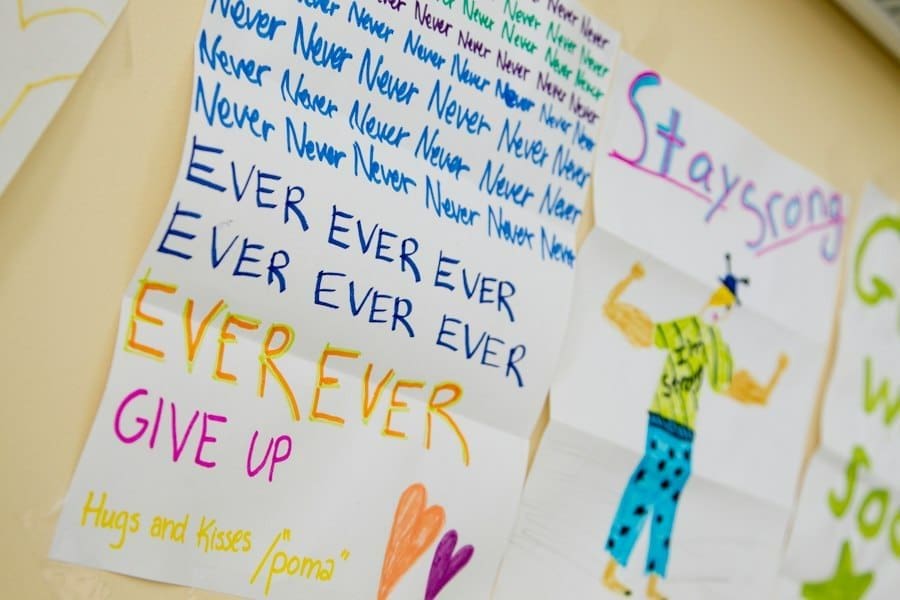
I can personally attest to the profound positive impact volunteering has had on my mental and emotional health. In moments of stress, anxiety, or even just general malaise, immersing myself in a volunteer activity has consistently provided a much-needed reset. It's as if the act of focusing on someone else's needs momentarily shifts my own internal landscape, putting my personal struggles into a different perspective.
I've found that the simple act of stepping outside my own concerns and dedicating my energy to a cause I believe in can be incredibly therapeutic. The sense of accomplishment, the genuine connections I forge, and the inherent meaning I derive from helping others all contribute to a robust sense of emotional well-being. It's not a magic cure for mental health challenges, but it's certainly a powerful tool in my arsenal for maintaining a healthy mind and spirit.
Reducing Stress and Anxiety
From my own experience, volunteering is an excellent antidote to stress and anxiety. When I'm feeling overwhelmed by the demands of daily life, engaging in a volunteer activity often provides a welcome distraction and a constructive outlet for my energy. The focus shifts from my own internal worries to external tasks and interactions. For example, when I volunteered at an animal shelter, the simple act of caring for the animals and interacting with fellow volunteers created a calming effect.
The present moment became paramount, and my mind had less space to ruminate on anxieties. I've noticed a significant reduction in my stress levels after even a short volunteering session. It's as if the act of giving back allows my brain to release feel-good chemicals, acting as a natural stress reliever. This is more than just a distraction; it's an active engagement that reorients my mental state.
Boosting Self-Esteem and Confidence
I’ve always found that volunteering significantly bolsters my self-esteem and confidence. When I dedicate my time and skills to a cause, I'm actively demonstrating my capabilities and value. Successfully completing a task, seeing the direct positive impact of my efforts, or even just being a reliable presence for an organization reinforces my belief in my own worth. I recall a time when I was feeling particularly unsure of myself, and I started volunteering to tutor children in reading.
Witnessing their progress, even in small increments, and knowing that I played a part in their learning journey was incredibly empowering. It wasn't about being perfect, but about being present and contributing. This tangible evidence of my positive impact directly translates into a stronger sense of self-efficacy and a belief in my ability to make a difference, which in turn enhances my overall confidence.
+ Join Our Writing Community for FREE
Chain Story Online
Fun, free, flash fiction writing with writers just like you. You have ~100 words to begin a story or continue a story and make it yours.
Story Bible Studio
Digital space for writers to plot, plan, and build better stories. Designed by writers for writers. Your final draft awaits.
Fostering a Sense of Purpose and Meaning
Perhaps one of the most profound benefits I've personally experienced from volunteering is the cultivation of a deeper sense of purpose and meaning in my life. In a world that can sometimes feel chaotic or impersonal, aligning myself with a cause that resonates with my values provides a powerful anchor. When I'm volunteering, I'm not just passing time; I'm actively working towards something greater than myself.
This sense of contributing to a larger good, of being a part of a positive change, fills a void that material possessions or individual achievements often cannot. For me, it's about connecting my actions to a broader narrative, understanding that my small efforts contribute to a larger tapestry of human flourishing. This inherent meaning, this feeling of being useful and impactful, is a cornerstone of my sustained happiness and mental wellbeing.
Building Stronger Social Connections
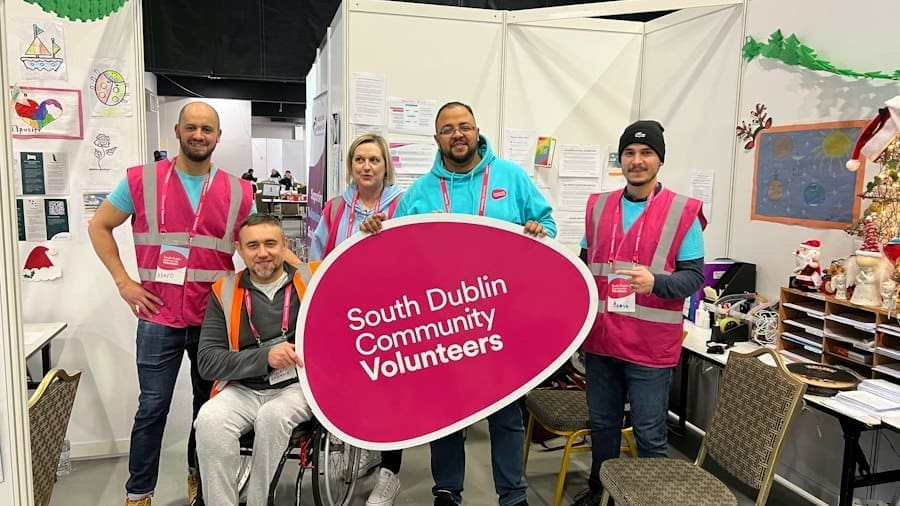
I've consistently found that volunteering is an unparalleled avenue for building stronger social connections. Stepping into a volunteer role often means entering a new social environment, filled with individuals who share a common interest and a similar desire to contribute. This shared purpose acts as a powerful bonding agent, quickly fostering camaraderie and a sense of community. My own experiences have shown me that these connections can be incredibly diverse, ranging from fellow volunteers of all ages and backgrounds to the individuals I'm serving, each interaction enriching my social tapestry. In an increasingly isolated world, the opportunity to connect with others on a meaningful level, outside of work or family obligations, is incredibly valuable for my overall wellbeing.
Expanding My Social Network
One of the most immediate and tangible benefits I've observed from volunteering is the expansion of my social network. Each new volunteer opportunity introduces me to a new group of people, many of whom share similar values and interests. These aren't superficial acquaintances; they are often individuals with whom I can connect on a deeper level, united by a shared commitment to a cause.
I've met some truly inspiring people through my volunteer work, individuals whose passion and dedication have motivated me in turn. These connections often transcend the volunteering environment, leading to lasting friendships and valuable professional contacts. It's a natural and organic way to meet like-minded individuals, enriching my social life in ways that might not be possible through other avenues.
Overcoming Isolation and Loneliness
For me, volunteering has been a powerful tool in combating feelings of isolation and loneliness. In periods where I might have felt disconnected or adrift, immersing myself in a volunteer activity has provided a crucial sense of belonging. The structured interaction, the shared goals, and the inherent teamwork involved in most volunteer roles naturally foster connection. I remember a time when I had recently moved to a new city and felt quite isolated.
Volunteering at a local community garden not only provided me with a positive activity but also quickly introduced me to a group of welcoming individuals. We worked together, shared stories, and built a sense of camaraderie that significantly eased my feelings of loneliness. It's an active step towards engagement, proving that taking the initiative to help others often results in a profound positive impact on my own social well-being.
Fostering Empathy and Compassion
I've found that volunteering is an incredibly effective way to cultivate and deepen my empathy and compassion. When I engage with individuals from diverse backgrounds or those facing challenges different from my own, it naturally broadens my perspective. Hearing their stories, witnessing their struggles, and actively participating in efforts to alleviate their difficulties allows me to step outside my own experiences and truly understand others' perspectives. This isn't just an intellectual exercise; it's an emotional one.
I recall volunteering at a homeless shelter, and the conversations I had with the residents profoundly shifted my understanding of homelessness, moving beyond statistics to individual narratives. This direct exposure fosters a greater sense of compassion, making me more understanding and less judgmental, which I believe is a vital component of my personal growth and overall emotional intelligence.
Developing New Skills and Perspectives
From my personal vantage point, volunteering has proven to be an invaluable platform for developing new skills and broadening my perspectives. It's an arena where I can experiment, learn, and grow without the pressures often associated with formal employment or academic pursuits. Every volunteer role, no matter how seemingly small, presents opportunities to acquire new knowledge, hone existing abilities, and encounter situations that challenge my preconceptions. This continuous learning and exposure to diverse environments contribute significantly to my personal and professional development, adding dimensions to my life that I might not otherwise discover. It's a dynamic process of self-improvement that consistently keeps me engaged and intellectually stimulated.
Acquiring Transferable Skills
I've often found that volunteering is an excellent way to acquire a wide array of transferable skills that are valuable in all aspects of my life, both personal and professional. Whether it's organizational skills from coordinating events, communication skills from interacting with the public, problem-solving skills from tackling unexpected challenges, or teamwork skills from collaborating with other volunteers, the practical experience gained is immense.
I remember volunteering to help organize a charity run, and I learned a great deal about logistics, budgeting, and public relations – skills I later applied in my professional career. These aren't just abstract concepts; they are concrete abilities I develop through hands-on application, making them deeply ingrained and readily usable in various contexts. It's a low-risk, high-reward environment for skill development.
Gaining Diverse Perspectives
One of the most enriching aspects of volunteering for me is the opportunity to gain diverse perspectives. My volunteer work has consistently exposed me to individuals, communities, and challenges that exist far outside my usual bubble. This exposure forces me to confront my own biases, question my assumptions, and develop a more nuanced understanding of the world.
Whether it's working with people from different socioeconomic backgrounds, cultural origins, or with unique life experiences, each interaction broadens my worldview. I recall volunteering with an organization that supports refugees, and the stories I heard and the resilience I witnessed profoundly altered my understanding of global migration and human endurance. This expanded perspective is invaluable, fostering intellectual humility and a more compassionate outlook on humanity.
Discovering Hidden Talents
I've been pleasantly surprised by how volunteering has helped me discover hidden talents and interests I never knew I possessed. Sometimes, in the course of helping out, I'm asked to take on a task that I might not have considered my forte, but I give it a try, and to my delight, I find I'm actually quite good at it, or at least enjoy the process.
For example, I once volunteered for an environmental cleanup project and discovered a knack for identifying different plant species and even enjoyed the physical labor involved. This often leads to a deeper exploration of these newfound interests. It’s an environment that encourages exploration and stepping outside my comfort zone, which can be incredibly liberating and fulfilling. This self-discovery aspect is a wonderful bonus to the primary goal of helping others.
Volunteering has been shown to significantly enhance personal wellbeing, as engaging in acts of kindness not only benefits those in need but also fosters a sense of purpose and fulfillment in the volunteers themselves. For instance, a recent article discusses the transformative experience of hiking Nephin, where the journey to the summit symbolizes overcoming personal challenges while also connecting with nature and community. You can read more about this inspiring adventure in the article Conquering Nephin: A Walk to the Summit, which highlights how such experiences can contribute to overall mental health and resilience.
If you're looking for a collaborative writing platform, check out Chain Story Online. It's a great way to connect with other writers and create stories together. Many users have found inspiration and creativity through Chain Story Online.
Fostering a Healthier Lifestyle
I've observed that my engagement in volunteering frequently spills over into fostering a healthier lifestyle overall. The very act of committing to a volunteer role often involves physical activity, encourages me to be more mindful of my time and resources, and frequently connects me with environments and routines that promote general well-being. It's not a direct prescription for health, but rather a positive ripple effect, a natural consequence of dedicating myself to meaningful service. This holistic improvement in my lifestyle, from increased physical activity to better dietary choices, underscores the comprehensive nature of the benefits I experience through volunteering.
Encouraging Physical Activity
For me, volunteering often acts as a wonderful catalyst for encouraging physical activity. Many volunteer roles inherently involve movement, whether it’s walking dogs at an animal shelter, gardening in a community plot, helping with park cleanups, or assisting at a charity race. These activities get me off the couch and into motion, often without even realizing I'm exercising.
I find it to be a much more engaging and purposeful way to be active compared to a sterile gym environment. I remember volunteering at a local historical society, and a significant part of my role involved sorting and moving old documents and artifacts, which provided a surprising amount of physical exertion. This incidental exercise is a fantastic bonus, contributing positively to my physical health without feeling like a chore.
Promoting Mindful Living
I've also found that volunteering significantly promotes mindful living in my daily life. When I'm engaged in a volunteer activity, my focus is almost entirely on the present moment and the task at hand. This naturally reduces the mental clutter of worries about the past or future, allowing me to be fully present.
Whether it's carefully preparing meals at a soup kitchen or patiently listening to someone's story, the act of serving demands my full attention. This practice of mindfulness during volunteering often translates into my other activities, making me more aware and appreciative of the small details in my everyday life. It's a gentle but powerful way to cultivate a sense of presence and gratitude, leading to a more peaceful and considered existence.
Connecting with Nature
Final Thoughts on Volunteering and Wellbeing
For me, many volunteering opportunities offer the wonderful benefit of connecting with nature, which I find incredibly restorative. Whether it's participating in park cleanups, maintaining trails, working in a community garden, or assisting with wildlife conservation efforts, these activities often place me directly in natural environments. There's something inherently calming and grounding about being outdoors, breathing fresh air, and interacting with the natural world. I recall spending a weekend volunteering at a nature reserve, planting trees and clearing invasive species. The physical work combined with the serene surroundings left me feeling revitalized and deeply connected to the environment. This connection to nature is a potent balm for the soul, contributing significantly to my mental and emotional well-being.
Related reading: Loneliness and Health: Why Connection Matters · Prioritizing Health and Well-being: A Holistic Approach
Enda Storrie is a writer and the creator of Story Bible, the planning journal and app for writers, and Chain Story Online, a free collaborative storytelling platform.