

The emerald isle, a land steeped in myth and melody, has long captivated the world with its vibrant culture. For me, as an Irishman, this fascination has always felt deeply personal, woven into the very fabric of my identity. And nowhere is this connection more tangible, more alive, than in the realm of Irish film. It’s not just about watching movies; it’s about seeing my home, my stories, and my people reflected on screen, often in ways that surprise and move me to my core. The impact of Irish film, both on me and on a global scale, is a rich tapestry of evolving narratives, burgeoning talent, and a powerful assertion of our unique voice in the international cinematic landscape.
Growing up, the stories I heard were often steeped in history. The Troubles, the Famine, the fight for independence – these were not just textbook chapters but lived experiences, passed down through generations. Irish cinema, in its early iterations, grappled with these weighty themes, often with a raw, unflinching honesty that resonated deeply. I remember seeing films that depicted the struggles of our ancestors, the quiet desperation and the fierce resilience. These weren’t always glamorous portrayals; they were often gritty, human, and profoundly affecting. They offered a sense of understanding, a visual validation of the collective memory that shaped us.
The Shadow of the Struggle: Early Portrayals of Conflict
The partition of Ireland and the subsequent decades of conflict cast a long shadow over our nation’s psyche. It’s inevitable, then, that this would find its way onto the silver screen. I recall the powerful, often gut-wrenching, depictions of sectarian violence and the human cost of political division. These films, while sometimes difficult to watch, were crucial in their ability to foster empathy and provide a platform for dialogue. They showed me the complexities of these issues, the nuances that often get lost in simplistic narratives. They humanized the ‘other’ and forced audiences, both Irish and international, to confront the brutal realities of conflict.
Beyond the Battlefield: Individual Lives Amidst Turmoil
What struck me most about these early historical films was their ability to transcend the grand political narratives and focus on the individual lives caught in the crossfire. I saw stories of families torn apart, of ordinary people trying to navigate impossible circumstances, of love and loss blooming in the shadow of violence. These intimate portrayals were incredibly powerful. They reminded me that history, for all its grand sweep, is ultimately made up of individual choices and experiences. They showed the quiet acts of courage, the moments of solidarity, and the enduring hope that persisted even in the darkest of times.
The Famine’s Scar: Cinematic Memory of a Catastrophe
The Great Famine is another event etched into the Irish consciousness. Its legacy is a complex blend of sorrow, anger, and a profound sense of loss. When I encountered films that delved into this period, it was a visceral experience. They didn’t just show hardship; they conveyed the gnawing hunger, the despair, and the sheer scale of the tragedy. These cinematic interpretations served as a vital tool for remembrance, ensuring that the sacrifices of our forebears were never forgotten. They were a stark reminder of our nation’s vulnerability and the importance of remembering the past to inform the future.
The Art of Remembrance: Fictionalizing Historical Trauma
The challenge for filmmakers grappling with such profound historical trauma is immense. How do you fictionalize an event that caused such widespread suffering without trivializing it? I believe Irish filmmakers have often succeeded by focusing on the human stories, on the individual experiences of survival and loss. They used the power of visual storytelling to evoke emotions that words alone often fail to capture. These films became a form of collective grieving, a way for us as a nation to process and understand this defining moment in our history.
If you’re interested in exploring the vibrant world of Irish cinema, you might want to check out this insightful article on the evolution of Irish film and its impact on global cinema. It delves into the unique storytelling techniques and cultural themes that define Irish filmmaking. For more information, visit this article.
The Rise of a New Voice: Irish Cinema’s Modern Renaissance
As Ireland has evolved, so too has its cinema. The past few decades have witnessed a remarkable renaissance, a surge of creativity and innovation that has seen Irish filmmakers burst onto the global stage. I’ve been fortunate enough to witness this evolution firsthand, from the independent gems to the critically acclaimed blockbusters. It’s a testament to the enduring spirit of storytelling in this country, a spirit that continues to find new and exciting ways to express itself.
From Grit to Glamour: Diverse Genres and Stories
Gone are the days when Irish cinema was solely defined by its historical dramas. Today, we see a vibrant spectrum of genres, from laugh-out-loud comedies and gripping thrillers to thought-provoking science fiction and heartwarming romances. This diversification is crucial. It demonstrates the breadth of talent and the multifaceted nature of Irish experience. I’ve seen films that celebrate our contemporary lives, our everyday struggles and triumphs, our unique sense of humor, and our evolving social landscape. This evolution has allowed a wider audience to connect with Irish stories, finding themselves reflected in characters and situations that feel both familiar and fresh.
The Comedic Genius: Finding Humor in the Everyday
Irish humor is legendary, a coping mechanism and a cultural cornerstone. It’s no surprise, then, that comedy has become such a powerful force in our modern cinema. I’ve laughed until my sides ached at the sharp wit and observational humor of films that capture the absurdity and charm of Irish life. These comedies don’t shy away from the difficulties, but they find the light in the darkness, the laughter in the struggle. They showcase a resilience that is quintessentially Irish, a refusal to be defeated by circumstance. These films have introduced a global audience to our particular brand of comedic sensibility, proving that joy and laughter can be just as potent as drama.
The International Stage: Irish Talent on a Global Scale
The international success of Irish films and filmmakers has been nothing short of spectacular. I’ve watched with immense pride as Irish actors, directors, and writers have garnered international acclaim, awards, and recognition. This global reach has been transformative. It has not only brought Irish stories to new audiences but has also opened doors for future generations of talent. It’s a powerful validation of our creative capabilities and a testament to the universal appeal of compelling storytelling.
Hollywood’s Irish Connection: From Stars to Studios
The influence of Irish talent extends beyond our own shores, with many Irish actors and directors making significant contributions to Hollywood and other international film industries. I’ve seen Irish actors inhabit iconic roles, bringing their unique charisma and depth to characters from around the world. This cross-pollination has been incredibly beneficial, enriching both Irish and global cinema. It demonstrates that our stories and our talent have a universal resonance, capable of captivating audiences far beyond our own island.
The Power of Place: Ireland as a Character in its Own Right
For me, Ireland is more than just a backdrop; it’s an active participant in the stories told on screen. The landscapes, the cities, the very atmosphere of the country are imbued with a unique character that filmmakers have masterfully captured. This sense of place is integral to the appeal of Irish cinema, offering a window into a world that is both familiar and exotic to many viewers.
Irish cinema has been gaining international recognition for its unique storytelling and rich cultural narratives. A fascinating exploration of this topic can be found in a related article that delves into the evolution of Irish film and its impact on global cinema. For those interested in learning more, you can read the article here. This piece highlights key filmmakers and iconic films that have shaped the landscape of Irish filmmaking, showcasing the vibrant creativity that continues to emerge from the Emerald Isle.
The Wild Atlantic Way and Beyond: Cinematic Landscapes
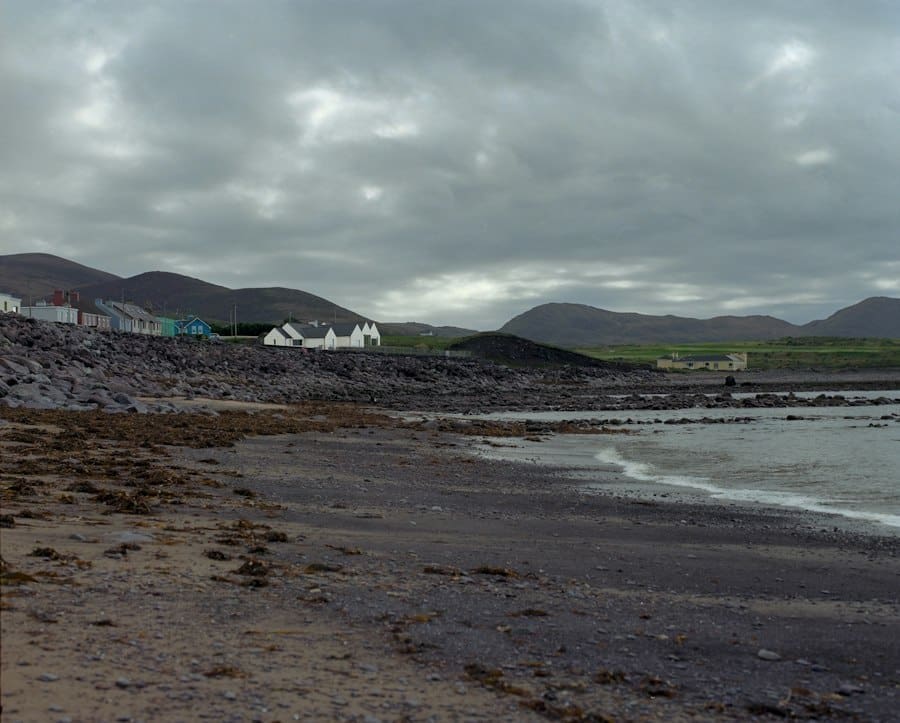
The breathtaking beauty of the Irish landscape has always been a draw, and its presence in film has amplified this. I’ve seen the rugged coastlines, the rolling green hills, and the mist-shrouded mountains brought to life on screen, often acting as a character in themselves. These cinematic vistas have inspired a sense of wanderlust in audiences worldwide, encouraging them to experience the magic of Ireland firsthand. They’ve shown me my own country through new eyes, highlighting the dramatic beauty I sometimes take for granted.
From Bustling Cities to Remote Islands: Capturing the Irish Spirit
Beyond the natural splendor, Irish cinema also captures the vibrant energy of our cities and the quiet solitude of our remote islands. I’ve seen Dublin portrayed in all its multifaceted glory, from its historic pubs to its modern urban sprawl. And I’ve witnessed the stark beauty and resilience of life on the Aran Islands and other offshore communities. These diverse settings contribute to the rich tapestry of Irish stories, showcasing the varied experiences and enduring spirit of our people.
Sure, here is the sentence with the clickable link:
I love using the Story Bible Studio to organize and develop my story ideas.
Storytelling with Heart: The Emotional Resonance of Irish Cinema
What truly sets Irish cinema apart, in my experience, is its profound emotional resonance. There’s an inherent vulnerability and honesty in the stories we tell, a willingness to explore the depths of human experience that connects with audiences on a deeply personal level.
Love, Loss, and Longing: Universal Themes Explored
Whether it’s a tale of star-crossed lovers, a family grappling with grief, or individuals yearning for connection, Irish films often tap into the universal emotions that bind us all. I’ve been moved to tears by the poignant portrayals of love and loss, and inspired by the unwavering hope that often permeates these narratives. These are stories that speak to the human condition, transcending cultural and geographical boundaries.
The Irish Soul: Capturing a Unique Sensibility
There’s a certain intangible quality, a “soul,” that I feel is present in many Irish films. It’s a blend of melancholy and mirth, of resilience and romanticism, of a deep connection to the land and a keen awareness of the human heart. This unique sensibility is what makes Irish cinema so compelling and so captivating. It’s a reflection of who we are, a nation that has weathered its storms but has always found a way to laugh, to love, and to create. It’s a privilege to witness this reflection, to see my own heritage articulated and celebrated on screen. The impact of Irish film is not just on the world; it’s a profound affirmation of our identity, a constant reminder of the stories that make us who we are.
