Unveiling the Nordic Walking Phenomenon
Imagine a brisk walk through nature, but with an added element that transforms it from a simple stroll into a full-body workout. This is Nordic Walking. You might have seen people striding along trails, parks, or even city streets, rhythmically propelling themselves forward with specially designed poles. Far from being just “walking with sticks,” Nordic Walking is a unique and effective fitness activity that originated in Finland as a summer training method for cross-country skiers. It quickly gained popularity across Scandinavia and Europe, and now it’s making its way around the globe, offering a low-impact, high-reward exercise option for people of all ages and fitness levels.
At its core, Nordic Walking elevates the natural act of walking by engaging your upper body, core, and lower body simultaneously. Unlike trekking poles, which are primarily used for balance and support on uneven terrain, Nordic Walking poles are integral to the propulsion and rhythm of your stride. When you walk, you naturally swing your arms. Nordic Walking amplifies this natural movement, transforming your arm swing into a powerful push that engages your chest, back, shoulders, and arms. This coordinated effort distributes the workload across more muscle groups, reducing the perceived effort of the walk while significantly increasing your calorie burn and cardiovascular benefits.
You’ll discover that the technique is surprisingly intuitive, often described as an exaggerated form of your natural walking gait. The key lies in the purposeful planting of the poles and the coordinated movement of your arms and legs. It’s a continuous, flowing motion, where your left foot and right pole strike the ground together, and vice versa. This contralateral pattern is what makes Nordic Walking so efficient and effective. It’s not about leaning on the poles; it’s about pushing off them, actively engaging your muscles to propel yourself forward.
Beyond the physical benefits, which we’ll delve into shortly, Nordic Walking offers a refreshing way to connect with the outdoors. It encourages you to explore new paths, breathe in fresh air, and enjoy the sights and sounds of your surroundings. It’s an activity that can be adapted to almost any environment, from smooth paved paths to challenging wilderness trails. Whether you’re seeking a gentle introduction to fitness, a way to enhance your existing walking routine, or a comprehensive full-body workout, Nordic Walking presents a compelling and accessible option.
If you’re interested in exploring the benefits of Nordic walking and how to get started, you might also enjoy reading about a different walking adventure in the article titled “Conquering Nephin: A Walk to the Summit.” This piece details the experience of hiking to the summit of Nephin, showcasing the beauty of nature and the physical challenges of walking in a more rugged terrain. You can find the article here: Conquering Nephin: A Walk to the Summit.
The Myriad Benefits You’ll Experience
When you embrace Nordic Walking, you’re not just taking a walk; you’re unlocking a spectrum of physical and mental advantages that can profoundly impact your overall well-being. The beauty of this activity lies in its holistic approach to fitness, engaging your entire body in a way that traditional walking simply cannot achieve.
Enhanced Calorie Expenditure and Weight Management
One of the most immediate benefits you’ll notice is the increased calorie burn. Because you’re actively engaging your upper body, core, and lower body, you’re using significantly more muscle groups than during regular walking. Studies have shown that Nordic Walking can increase calorie expenditure by 20-46% compared to walking without poles. This translates directly into more efficient weight management and a greater potential for fat loss. You’ll find yourself burning more calories in the same amount of time, making your workouts more effective and helping you reach your fitness goals faster.
Full-Body Muscle Engagement
Imagine a workout that strengthens nearly 90% of your body’s muscles. That’s what Nordic Walking offers you. As you push off the poles, you’re actively engaging your triceps, biceps, shoulders, and pectoral muscles. Your back muscles, particularly the latissimus dorsi, are also heavily involved in the propulsion. Furthermore, your core muscles (abdominals and obliques) are constantly working to stabilize your torso and maintain balance, providing a dynamic core workout with every step. Of course, your legs, glutes, and calves are working just as hard as in regular walking, but with the added support and propulsion from your upper body, you can often cover more ground with less perceived effort. This comprehensive muscle engagement not only builds strength and endurance but also improves muscle tone throughout your body.
Improved Cardiovascular Health
By engaging more muscle groups, Nordic Walking elevates your heart rate more effectively than conventional walking. This increased cardiovascular demand strengthens your heart and lungs, improving your overall cardiovascular fitness. Regular Nordic Walking can lead to a reduction in blood pressure, improved cholesterol levels, and a decreased risk of heart disease. You’ll experience enhanced stamina and feel less winded during everyday activities, enjoying a greater capacity for physical exertion.
Reduced Strain on Joints
For many people, particularly those with joint issues, high-impact exercises can be prohibitive. Nordic Walking offers a fantastic low-impact alternative. The poles distribute some of the weight and impact forces away from your lower body joints, particularly your knees and hips. This makes it an ideal activity for individuals recovering from injuries, those with arthritis, or anyone looking for a joint-friendly way to stay active. The gentle, rhythmic movement helps to lubricate your joints and improve flexibility without excessive stress.
Enhanced Balance and Stability
The active use of poles significantly improves your balance and stability, especially on uneven terrain. The poles act as extensions of your body, providing additional points of contact with the ground. This enhanced stability is particularly beneficial for older adults or anyone looking to improve their coordination and reduce the risk of falls. As you become more proficient, you’ll feel more confident and secure on your feet, allowing you to explore a wider variety of environments.
Mental Well-being and Stress Reduction
Like all forms of outdoor exercise, Nordic Walking is a powerful stress reliever. The rhythmic motion, coupled with the fresh air and natural surroundings, can have a profoundly calming effect on your mind. It offers an opportunity to disconnect from daily stressors, clear your head, and practice mindfulness. The feeling of accomplishment after a good Nordic Walk, combined with the release of endorphins, can boost your mood, reduce anxiety, and improve your overall mental well-being. It’s a chance to immerse yourself in the present moment, enjoying the physical sensation of movement and the beauty of your environment.
Essential Gear You’ll Need to Get Started
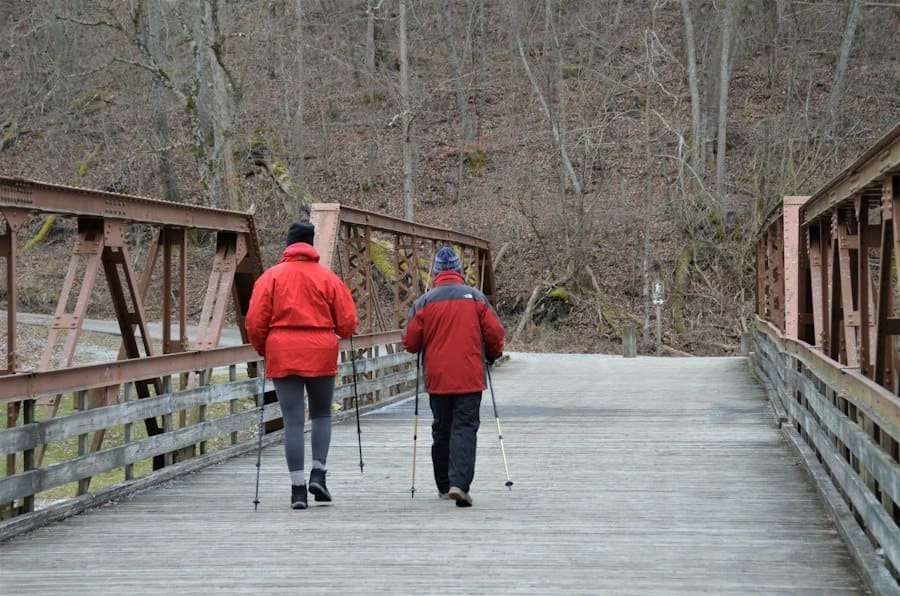
Before you embark on your Nordic Walking journey, you’ll need to gather a few key pieces of equipment. While the barrier to entry is relatively low, having the right gear will significantly enhance your experience, comfort, and effectiveness.
The Poles: Your Most Important Tool
This might seem obvious, but the poles are truly the cornerstone of Nordic Walking. You cannot simply use trekking poles or ski poles; Nordic Walking poles are specifically designed for the technique.
Types of Nordic Walking Poles
You’ll generally encounter two main types of Nordic Walking poles: fixed-length and adjustable.
Fixed-Length Poles: These poles are often preferred by more experienced Nordic Walkers or those who plan to use them extensively. They are lighter, more durable, and transmit power more efficiently because they don’t have moving parts that can wear out or rattle. The main drawback is that you’ll need to ensure you purchase the correct length for your height, as they cannot be adjusted.
Adjustable Poles: These poles offer versatility, making them a good choice for beginners or those who might share poles with others. They typically consist of two or three sections that can be extended or retracted. While slightly heavier and potentially less rigid than fixed-length poles, their adjustability allows you to fine-tune the length for different terrains or to accommodate different users. They are also more compact for travel.
Key Features of Nordic Walking Poles
Regardless of whether you choose fixed-length or adjustable, there are several crucial features to look for.
The Straps: This is perhaps the most distinctive feature of Nordic Walking poles. Unlike simple loops found on trekking poles, Nordic Walking poles feature a glove-like strap (often called a “Nordic strap” or “power grip strap”) that attaches securely to your hand. This ergonomic design allows you to relax your grip on the pole handle during the backswing and then effectively push off the ground during the forward swing. The strap should fit snugly but comfortably, allowing for proper blood circulation and effortless release and regrip of the handle.
The Handles: Look for handles made from comfortable, sweat-absorbing materials like cork or high-quality rubber. Cork is often preferred for its ergonomic feel and ability to wick away moisture. The handle should feel natural in your hand, allowing for a relaxed yet secure grip.
The Tips: Nordic Walking poles come with two types of tips: a metal carbide tip for off-road use (grass, dirt, gravel) and removable rubber “paws” or “asphalt pads” for hard surfaces like pavement and concrete. The rubber tips are crucial for providing grip and reducing noise on paved surfaces, while the carbide tips offer superior traction on natural trails. Ensure your poles come with both, and that the rubber tips are easy to attach and remove.
Material: Poles are typically made from aluminum or carbon fiber. Aluminum poles are more affordable and durable, while carbon fiber poles are lighter and offer better vibration dampening, which can be beneficial for longer walks. A higher percentage of carbon fiber generally means a lighter, more expensive pole.
Footwear: Support Your Stride
Your choice of footwear is vital for comfort and injury prevention. You’ll want shoes that offer good support, cushioning, and flexibility.
Walking Shoes or Trail Runners: For most Nordic Walking, a comfortable pair of athletic walking shoes or trail running shoes will suffice. Look for shoes with good arch support, adequate cushioning to absorb impact, and a flexible sole that allows your foot to roll naturally through your stride. If you plan to walk on varied terrain, trail running shoes offer better grip and protection.
Avoid Stiff Hiking Boots: While hiking boots might seem appropriate for outdoor activity, their stiff soles can hinder the natural rolling motion of your foot, which is essential for proper Nordic Walking technique. Save your heavy boots for serious trekking.
Clothing: Dress for Comfort and Conditions
Your clothing should be comfortable, allow for a full range of motion, and be appropriate for the weather conditions.
Layering: The key to outdoor activity is layering. Start with a moisture-wicking base layer to draw sweat away from your body. Add an insulating layer for warmth if it’s cold, and a waterproof and windproof outer layer if there’s a chance of rain or strong winds. Even on cooler days, you’ll quickly warm up with Nordic Walking, so it’s better to shed layers as needed.
Comfortable Fabrics: Choose breathable fabrics that won’t chafe or restrict your movement. Technical athletic wear made from synthetic materials is often ideal.
Optional but Recommended Accessories
While not strictly necessary to start, these accessories can enhance your Nordic Walking experience.
Water Bottle or Hydration Pack: Staying hydrated is crucial, especially during longer walks.
Small Backpack or Fanny Pack: To carry water, snacks, keys, phone, and any layers you might shed.
GPS Watch or Fitness Tracker: To monitor your distance, speed, heart rate, and calories burned, if you enjoy tracking your progress.
Sun Protection: Sunscreen, sunglasses, and a hat are important, especially if you’ll be walking outdoors for extended periods.
Mastering the Nordic Walking Technique
The beauty of Nordic Walking lies in its deceptively simple yet highly effective technique. It’s an extension of your natural walking gait, amplified by the purposeful use of poles. While it might feel a little awkward at first, with a bit of practice, you’ll quickly find your rhythm and enjoy a smooth, powerful stride.
The Foundational Stance
Before you even start walking, get comfortable with holding the poles. You want to feel relaxed and ready to move.
- Pole Length Adjustment: If you have adjustable poles, the general rule of thumb for length is that when you stand upright with the pole tip on the ground, your elbow should form roughly a 90-degree angle. Alternatively, for a quicker estimate, your pole length should be about 0.68 to 0.7 times your height in centimeters. Experiment to find what feels most comfortable and effective for you.
- Wearing the Straps: Slide your hands into the glove-like straps. The strap should fit snugly across the back of your hand and around your thumb. This secure connection is crucial for transferring power from your arm to the pole and for allowing you to relax your grip during the backswing. You shouldn’t need to tightly clench the handle.
- Initial Pole Position: Hold the poles lightly by the handles, with the tips angled slightly backward behind you. Your arms should be relaxed and hanging naturally by your sides.
The Basic Nordic Walking Movement
Now, let’s break down the coordinated movements that make up the Nordic Walking stride. It’s all about mimicking and enhancing your natural walking pattern.
Arm Swing and Pole Plant
This is where the magic happens. Think of your arms as actively propelling you forward, not just dangling.
- Contralateral Movement: As your right foot steps forward, your left arm swings forward, and the left pole plants slightly ahead of your body, around the mid-foot level or slightly in front.
- Simultaneously: As your left foot steps forward, your right arm swings forward, and the right pole plants.
- The Plant: The pole should land at a slight angle, with the tip pointing backward. You’re aiming for a gentle, rhythmic “tap” rather than a forceful stab. The sound on pavement should be a soft “click-clack” as the rubber tips make contact.
The Push-Off and Release
Once the pole is planted, you’re not just letting it sit there; you’re actively pushing off it.
- Active Push: As you step forward, push off the pole firmly with your hand and forearm. Feel the power transfer through the strap. This push is what engages your upper body muscles.
- Release the Grip: As your arm extends backward during the push, you should relax your grip on the handle, allowing your hand to open and the pole to swing freely behind you, held only by the strap. Imagine “throwing” the pole backward with a relaxed hand. This hand opening is key to engaging your triceps and preventing forearm fatigue.
- Regrip and Swing Forward: As your arm swings forward again for the next plant, gently close your hand to regrip the handle, ready for the next push.
Leg Movement and Body Posture
Your lower body movements are similar to regular walking, but with an enhanced focus on posture.
- Natural Stride: Maintain your natural walking stride length, allowing your foot to roll from heel to toe.
- Body Posture: Stand tall with a slight forward lean from your ankles (not your waist). Keep your shoulders relaxed and back, your chest open, and your gaze directed about 10-15 feet ahead of you. Engage your core muscles lightly to support your torso. Avoid slouching or hunching over the poles.
- Head Up: Look forward, not down at your feet. This helps maintain balance and awareness of your surroundings.
Common Mistakes to Avoid
Even though it’s an intuitive activity, a few common errors can hinder your progress and diminish the benefits.
- “Dragging” the Poles: Don’t let the poles just drag behind you. They need to be actively engaged in every step.
- “Skiing” with Poles: Avoid leaning too heavily on the poles or using them like ski poles where your weight is primarily supported by them. The poles are for propulsion, not solely for support (though they do offer stability).
- Too Short or Too Long Poles: Incorrect pole length can strain your shoulders, back, or wrists. Take the time to find the right length for you.
- Gripping Too Tightly: This will lead to forearm fatigue and prevent proper arm extension and muscle engagement. Rely on the straps.
- Short Arm Swings: Ensure you’re getting a full, natural arm swing, allowing your hand to open on the backswing.
- Hunching Over: Maintain good posture throughout your walk to maximize core engagement and prevent back strain.
Practice Makes Perfect
Don’t expect to be an expert on your first walk. Start slowly on flat, even terrain. Focus on coordinating your opposite arm and leg, and on the active push and release with your hands. Practice opening and closing your hand with the strap. Begin with shorter walks and gradually increase your duration and intensity. You might find it helpful to watch instructional videos or even consider a beginner’s class with a certified Nordic Walking instructor to refine your technique. Before you know it, the movements will become second nature, and you’ll be enjoying the full benefits of this wonderful activity.
If you’re interested in exploring the benefits of Nordic Walking, you might find this article on walking techniques particularly helpful. It provides insights into various walking styles and how they can enhance your fitness routine. By incorporating Nordic Walking into your regimen, you can improve your cardiovascular health while enjoying the great outdoors.
Designing Your First Nordic Walking Program
Once you have your gear and a basic understanding of the technique, it’s time to put it into practice. Starting a new fitness routine can feel daunting, but with a structured approach, you’ll build stamina and confidence progressively.
Your Initial Walks: Focus on Form, Not Speed
Your very first Nordic Walks should be short and focused entirely on mastering the technique. Don’t worry about distance or speed yet.
- Warm-Up (5-10 minutes): Always start with a light warm-up. This could include gentle arm circles, shoulder rolls, leg swings, and ankle rotations. You can also do a few minutes of slow, exaggerated walking without poles to get your muscles ready.
- The First Steps (10-15 minutes): Find a flat, even surface like a paved path or a grassy field. Start walking slowly, deliberately focusing on the contralateral movement (right foot/left pole, left foot/right pole). Pay attention to planting the pole at the correct angle, pushing off, and releasing your grip. Don’t be afraid to exaggerate the movements initially to feel the muscle engagement.
- Cool-Down (5 minutes): Finish your walk with some gentle stretches, focusing on your hamstrings, quadriceps, calves, shoulders, and chest. Hold each stretch for 20-30 seconds.
- Frequency: Aim for 2-3 of these short, technique-focused walks in your first week.
Gradually Increasing Duration and Intensity
As your technique becomes more natural, you can gradually increase the duration and intensity of your walks.
Weeks 2-4: Building Endurance
- Extend Duration: Once you feel comfortable with the basic technique, start extending your walks. Aim for 20-30 minute sessions, 3-4 times per week.
- Vary Terrain (Slightly): Introduce very gentle inclines or slightly uneven surfaces to challenge your balance and engage different muscle groups. Continue to focus on maintaining good form.
- Monitor Your Effort: You should be able to hold a conversation comfortably, but feel like you’re working. This is often referred to as a “moderate intensity.”
Weeks 5-8: Enhancing Fitness
- Increase Walk Time: Gradually work up to 45-60 minute sessions, 3-5 times per week.
- Incorporate Intervals: To boost your cardiovascular fitness, try incorporating short bursts of higher intensity. For example, walk briskly for 2-3 minutes, then return to a moderate pace for 5 minutes, repeating this cycle several times.
- Explore New Routes: Challenge yourself with longer inclines or more varied terrains like gentle hiking trails. This will naturally increase the intensity and muscle engagement.
- Focus on Power: As your technique improves, consciously focus on generating more power with each pole push. Feel your upper body working.
Advanced Nordic Walking: Pushing Your Limits
Once you’re comfortable with regular Nordic Walking, you can explore ways to further enhance your workouts.
- Longer Distances: Tackle longer routes, perhaps exploring nature parks or more extensive trail systems.
- Challenging Terrain: Seek out steeper hills, rugged trails, or even soft sand to significantly increase the workout intensity. The poles will be invaluable for balance and propulsion on these surfaces.
- Varying Speeds and Inclines: Experiment with walking faster on flats and maintaining a strong pace on inclines. Use the poles to drive you up hills, shortening your stride and leaning into the incline.
- Strength-Focused Workouts: Incorporate specific exercises into your Nordic Walking routine. For example, perform lunges or squats with the poles for balance during breaks, or use the poles for resistance in arm exercises.
Listening to Your Body and Staying Consistent
The most important aspect of any fitness program is consistency and listening to your body.
- Rest and Recovery: Allow your body time to recover between sessions, especially when you’re starting out or increasing intensity. Rest days are crucial for muscle repair and growth.
- Stay Hydrated: Drink plenty of water before, during, and after your walks.
- Nutrition: Fuel your body with healthy, balanced meals to support your activity level.
- Adjust as Needed: If you feel pain, slow down, reduce the intensity, or take a rest day. Don’t push through discomfort. Nordic Walking should be enjoyable, not agonizing.
- Make It a Habit: Find ways to integrate Nordic Walking into your routine that make it sustainable. Walk with friends, explore new areas, or use it as a way to unwind after a busy day. The more consistent you are, the greater the benefits you’ll reap.
By following this progressive approach, you’ll build your confidence, refine your technique, and unlock the full potential of Nordic Walking as a fantastic, full-body fitness activity that you can enjoy for years to come.
P.S. Enjoyed this? Become an insider and I'll send you one of my favourite posts every couple of weeks.