Is film photography worth trying in a digital age? Cameras, film stock, costs, developing in Ireland and the joy of slowing down.
The Allure of the Analog
I remember the first time I held a digital camera. It was a clunky, low-resolution affair, a far cry from the sleek DSLRs and mirrorless cameras I've come to know. The instant gratification was undeniable: snap a shot, see it immediately, delete if it's not perfect. For years, I embraced this digital efficiency, honing my skills in post-processing, chasing the sharpest image, the most vibrant colors. Digital photography became my default, my bread and butter, the tool I used to capture everything from family holidays to professional assignments. But somewhere along the line, a quiet curiosity began to stir within me, a longing for something more tactile, more deliberate, more... real.
It started subtly, with articles I'd stumble upon, then videos, then conversations with other photographers who spoke with a reverence for film that I hadn't understood. They talked about the grain, the dynamic range, the "look" that digital simply couldn't replicate. My initial reaction was dismissive. Why would anyone willingly trade convenience for a slower, more expensive, and seemingly outdated process? The world had moved on, and so had I. Or so I thought. This internal debate intensified, fueled by an almost subconscious desire to disconnect from the endless scroll and the pixel-perfect obsession.
I wanted to feel a connection to the photographic process that went beyond clicking a button and tweaking sliders. This growing intrigue ultimately led me down the rabbit hole, where I discovered a rich, thriving community of film photographers, each with their own story and their own reasons for embracing the analog. It was an intimidating prospect, to be sure, like learning a new language after years of speaking fluently in another. But the challenge, I realized, was part of the appeal.
A Journey Back in Time
My initial dive into film photography was tentative, almost like testing the waters with a toe before plunging in. I didn't want to invest heavily until I understood if it was truly for me. My first film camera was a hand-me-down from a relative – a battered but functional Pentax K1000, a legendary workhorse known for its mechanical simplicity and robust build. It felt alien in my hands, a weighty brick compared to my featherlight mirrorless camera. There was no LCD screen to check my settings, no autofocus, no internal light meter in working order. It was a baptism by fire, forcing me to rely on my understanding of exposure, my eye for composition, and a trusty handheld light meter.
Loading the film itself was an act of deliberate intention. The delicate threading, the satisfying click as it engaged, the winding of the lever – each step felt significant, a commitment to the 36 potential images contained within that little canister. And then came the shooting. No rapid-fire bursts, no instant review. Each press of the shutter button was a conscious decision, a moment of thoughtful consideration.
It was a complete paradigm shift from my digital workflow, where I often shot multiple frames of the same subject, hoping to catch that one perfect moment. With film, every frame counted, every click was an investment of both time and money. This forced me to slow down, to observe more keenly, to anticipate rather than react. It was a humbling experience, and surprisingly, a liberating one. The pressure of perfection, paradoxically, seemed to lessen when I knew I couldn't immediately see the results.
In exploring the relevance of film photography in today's digital landscape, you might find the article "The Resurgence of Film Photography: A Nostalgic Journey" particularly insightful. This piece delves into the reasons behind the renewed interest in film, highlighting the unique qualities that attract both seasoned photographers and newcomers alike. For a deeper understanding of this fascinating topic, you can read more about it here.
The Tangible Rewards of Analog
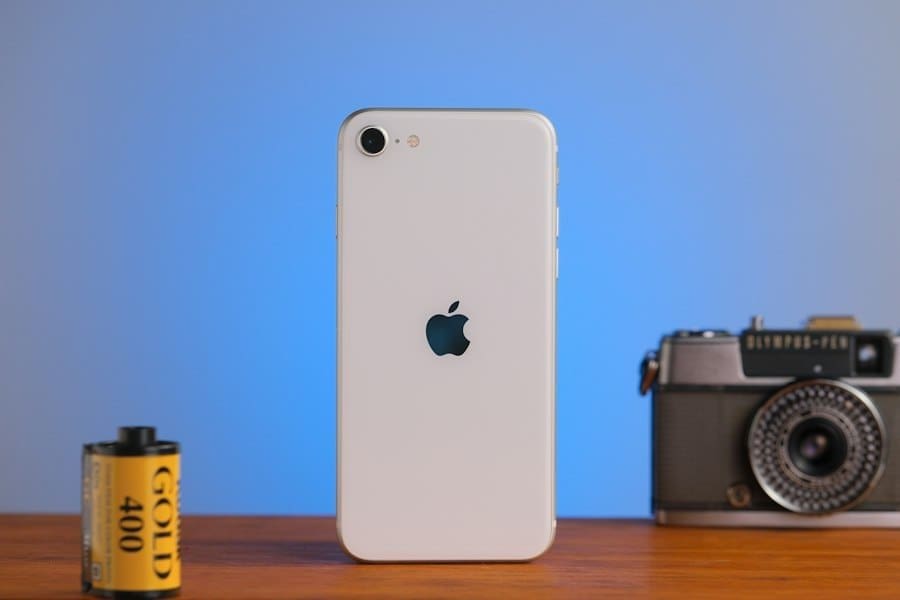
As I continued my film journey, I started to discover the unique qualities that draw so many to this medium. It wasn't just about nostalgia; there was a tangible difference in the final output, a character that was distinct from anything I could achieve digitally. The grain, often seen as a flaw in the digital realm, became a beautiful textural element, adding depth and a sense of timelessness to my images. Different film stocks offered different color palettes, different levels of contrast, and even different emotional responses. It was like having a vast array of paintbrushes, each designed to create a specific artistic effect.
The process of developing film, initially daunting, became another integral part of the experience. The darkroom, or in my case, a makeshift dark bag in my bathroom, transformed into a sanctuary of anticipation. The smell of the chemicals, the careful agitation, the gradual appearance of an image on the negative – it was a magical, almost alchemical process. And then, the printing. Holding a physical print in my hands, a manifestation of light and chemicals, felt fundamentally different from viewing an image on a screen. It had weight, a presence, a story etched into its surface.
The Unique Aesthetic of Film
One of the most compelling aspects for me is the unparalleled aesthetic of film. It's difficult to articulate precisely, but there's a certain "je ne sais quoi" that film possesses. It's often described as organic, natural, or even dreamy. For instance, color negative films like Kodak Portra or Fuji Pro 400H are renowned for their incredible skin tones, often rendering them with a soft, flattering warmth that is challenging to replicate digitally without extensive manipulation. Slide films, on the other hand, offer stunning color saturation and fine grain, perfect for capturing vibrant landscapes or punchy street scenes.
Black and white film introduces an entirely different universe of aesthetics. The varying levels of contrast, the nuances in tonality, and the distinct grain structures of different black and white stocks like Ilford HP5 Plus or Kodak Tri-X give each image a unique voice. I've found that shooting black and white film forces me to see in terms of light, shadow, and form, stripping away the distraction of color and emphasizing the essence of the subject.
The way highlights roll off into shadows on film, the subtle transitions, often appears more pleasing and less abrupt than what I can achieve with a digital sensor. This unique visual signature isn't just about color or grain; it's also about the way film handles light, its inherent dynamic range, and its ability to render subtle details in both highlights and shadows in a way that often feels more forgiving and natural than digital.
+ Join Our Writing Community for FREE
Chain Story Online
Fun, free, flash fiction writing with writers just like you. You have ~100 words to begin a story or continue a story and make it yours.
Story Bible Studio
Digital space for writers to plot, plan, and build better stories. Designed by writers for writers. Your final draft awaits.
The Unpredictable and Rewarding Development Process
The development process, for me, moved from a chore to an art form in itself. Initially, I outsourced my developing, but the curiosity to understand the entire cycle led me to try it myself. My first attempts were fraught with anxiety – did I mess up the temperature? Was the agitation consistent? Would anything even appear on the film? The moment I pulled the developed negatives from the tank, still wet and glistening, and held them up to the light, was one of pure exhilaration. Seeing the faint but discernible images, a ghostly echo of the moments I had captured, was an incredibly rewarding experience.
What I've come to appreciate is the element of unpredictability. While there are standard procedures, variations in temperature, agitation, and even the freshness of the chemicals can subtly alter the final outcome. This isn't a bug; it's a feature. It adds a layer of uniqueness to each roll, a slight imperfection that contributes to the charm.
Sometimes, a slight under-development might lead to a more muted, ethereal look, while a touch of over-development could enhance contrast and create a bolder image. It's a continuous learning process, a dance between science and intuition, and each successful roll feels like a small victory. This hands-on involvement, from loading the film to seeing the final negative, creates a deeper connection to the image and the entire photographic journey.
Embracing Deliberation and Mindfulness
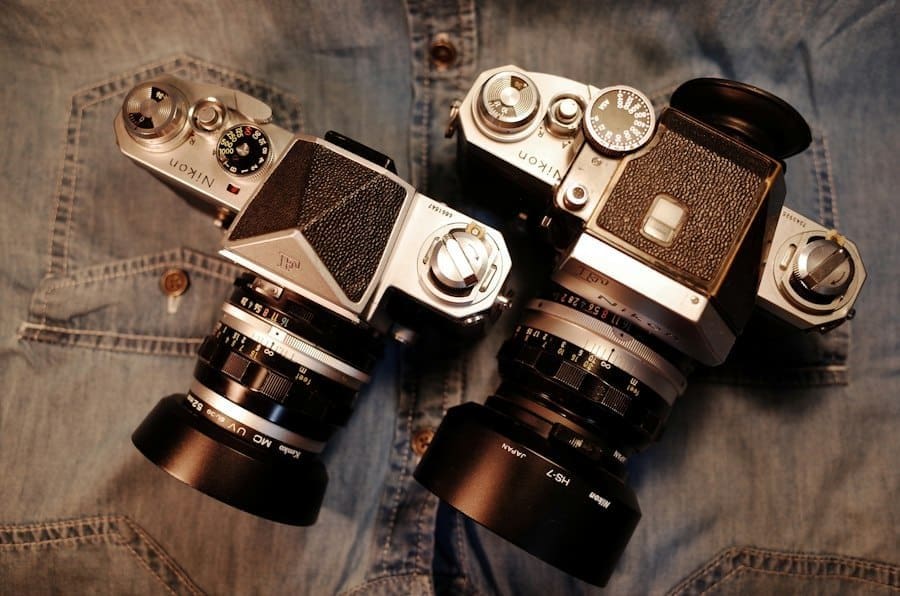
One of the most profound shifts I experienced when moving from digital to film was a complete reorientation of my photographic mindset. Digital, with its endless capacity and instant feedback, often encouraged a "spray and pray" approach – shoot many, keep the best. Film, however, demands a deliberate, mindful approach. Each frame is a precious commodity, a finite resource. This scarcity forces me to slow down, to truly see, to compose thoughtfully, and to wait for the decisive moment.
It’s an exercise in patience and observation. Before I even lift the camera to my eye, I find myself observing the light, studying the composition, anticipating the action. I’m no longer just reacting; I’m actively engaging with my surroundings, becoming more present in the moment. This intentionality, I've discovered, translates into more impactful images, not because they are technically perfect, but because they are imbued with more thought and feeling.
The Art of Slow Photography
The concept of "slow photography" has become central to my film practice. It’s a deliberate rejection of the hurried, instant gratification culture that often dominates digital photography. With film, there’s no immediate review. I can’t check the histogram, examine the sharpness, or adjust the white balance on the fly. This absence of instant feedback forces me to trust my instincts, my understanding of light, and my eye for composition. It's a humbling experience, as it highlights any gaps in my technical knowledge, but it also fosters a deeper connection to the craft.
I find myself spending more time planning a shot, considering the lens choice, the aperture, the shutter speed, and the specific film stock I'm using to achieve a particular look. This pre-visualization, this mental rehearsal, enhances my understanding of light and shadow, and how they interact with my subject. It’s not about capturing as many images as possible; it’s about capturing the image, the one that truly encapsulates the moment or the emotion I'm trying to convey. This slowing down isn't a limitation; it's a liberation, allowing me to fully immerse myself in the photographic process.
Disconnecting from the Screen
Perhaps one of the most unexpected benefits of shooting film has been the forced disconnection from screens. In an age where we are constantly tethered to our phones, computers, and tablets, the act of photographing with film offers a much-needed digital detox. There’s no temptation to immediately upload to social media, no pressure to instantly share, no endless scrolling through images on a tiny LCD.
After a shooting session, the camera goes back in its bag, and the film awaits its development. This delay, this anticipation, is a crucial part of the experience. It allows me to live in the moment while I'm shooting, and then later, to relive those moments with fresh eyes when the developed negatives or prints are finally revealed. It transforms photography from an instant consumption activity into a more contemplative art form.
This break from the digital feedback loop allows for a more introspective relationship with my work, fostering a deeper appreciation for the individual images rather than getting lost in a sea of digital files. It's a refreshing change of pace that enriches my creative life and allows me to focus on the artistic expression rather than the technical perfection or immediate validation.
The Practicalities and Challenges
While the romantic notion of film photography is appealing, I've also had to confront the practical realities and challenges of this analog pursuit in a predominantly digital world. It's not always a smooth ride, and there are definitely trade-offs involved. The costs, the availability of materials, and the learning curve are all factors that need to be considered.
However, for me, these challenges have often turned into opportunities for growth and deeper engagement with the craft. They’ve forced me to be more resourceful, more patient, and more intentional in my approach. It’s a commitment, yes, but one that has consistently yielded rewards that outweigh the difficulties.
Cost and Availability
One of the most significant considerations for any aspiring film photographer is the cost. Film rolls themselves are not inexpensive, and the price has steadily increased over the years due to declining demand and rising production costs. A single roll of professional-grade film can easily cost more than a high-capacity SD card. Then there's the development cost. While I now develop my black and white film at home, color film still requires professional lab processing, which adds another layer of expense per roll. This financial investment per frame makes every shutter click feel more significant, discouraging casual shooting and encouraging careful consideration.
Beyond the cost, there's the issue of availability. While popular film stocks are still readily available online and in specialized camera stores, finding obscure or expired film can be a treasure hunt. Some beloved film stocks have been discontinued, making them increasingly rare and expensive. This scarcity can be both a challenge and an exciting aspect, as it sometimes leads to discovering new favorite films or experimenting with expired stocks that yield unpredictable but often beautiful results. While digital photographers can simply buy a new memory card, film photographers must actively manage their film supply, often buying in bulk to save on costs and ensure they have their preferred stocks on hand.
The Learning Curve and Imperfection
Embarking on the film photography journey, especially after years of digital experience, involves a steep learning curve. There are no instant previews, no automatic white balance, and often, no autofocus. I had to relearn the fundamentals of exposure, understand the nuances of different film speeds (ISO), and master manual focus. The process of loading film correctly, understanding light metering without an automatic system, and anticipating rather than reacting to the scene all require practice and patience. My first few rolls were a mixed bag – some frames were perfectly exposed, others were completely over or underexposed, and many were out of focus.
This initial period of imperfection can be frustrating, but it's also where the real learning happens. Each mistake is a lesson, each successful shot a triumph. Film photography teaches you to embrace imperfections. Grain, light leaks, dust spots, and even slight chemical stains can all become part of the image's character, rather than flaws to be meticulously removed. This acceptance of the imperfect, this willingness to relinquish some control, is a liberating aspect of film photography. It reminds me that art isn't always about pristine perfection, but often about capturing feeling and authenticity, even if it comes with a few beautiful "flaws."
In exploring the relevance of film photography in today's digital landscape, it's interesting to consider how enthusiasts are finding value in traditional methods. A related article that delves deeper into this topic is available at Enda Storrie's blog, where the author discusses the unique qualities of film and the nostalgic appeal it holds for many photographers. This perspective adds depth to the ongoing conversation about whether film can coexist with digital technology and what that means for the future of photography.
If you're looking for a collaborative writing platform, check out Chain Story Online. It's a great way to connect with other writers and create stories together. Many users have found inspiration and creativity through Chain Story Online.
The Enduring Value in a Modern World
So, after delving deeply into film photography, after experiencing its joys and its challenges, I find myself continually asking: is it worth trying in this digital age? My answer, without hesitation, is a resounding yes. It's not about abandoning digital entirely; I still rely on my digital cameras for many projects, appreciating their speed, versatility, and efficiency. Instead, it's about expanding my creative toolkit, enriching my photographic journey, and discovering new ways to see and create.
Film photography, for me, has become a counterbalance to the often overwhelming digital landscape. It's a return to fundamentals, a practice in patience, and a celebration of the tangible. It offers a unique aesthetic, a deeply satisfying process, and a connection to the craft that goes beyond mere pixels. It reminds me why I fell in love with photography in the first place: the magic of capturing light, the joy of storytelling, and the enduring power of a single image.
A Complementary Practice, Not a Replacement
I don't see film photography as a replacement for digital, but rather as a powerful complement. Each medium has its strengths, and by understanding and utilizing both, I believe I've become a more versatile and thoughtful photographer. Digital excels in its speed, its low-light capabilities, its ability for quick iteration, and its immediate review. It's invaluable for fast-paced events, commercial work requiring immediate deliverables, or situations where I need a high volume of images.
Film, on the other hand, excels in its unique aesthetic, its profound ability to slow me down, and the tangible nature of the negatives and prints. It's my preferred choice for personal projects, portraiture, landscapes where I want a particular mood, or simply when I want to enjoy the process of creating. The insights I gain from shooting film – a deeper understanding of light, composition, and the importance of each shot – invariably influence my digital work, making me more deliberate even when I'm shooting with a memory card. Using both allows me to choose the best tool for the creative vision, rather than being limited by the capabilities of a single medium.
A Rewarding Journey of Self-Discovery
Beyond the technical aspects and the aesthetic qualities, my venture into film photography has been a profoundly rewarding journey of self-discovery. It has forced me to question my assumptions, challenge my habits, and embrace a different way of seeing the world. The limitations of film, rather than being restrictive, have paradoxically opened up new avenues of creativity. Without the crutch of instant review, I've had to trust my eye more, to rely on my intuition, and to accept that not every image will be "perfect" by conventional standards.
Final Thoughts on Film Photography
This process has taught me patience, resilience, and a deeper appreciation for the craft itself. It's not just about the final image; it's about the entire experience – the anticipation, the struggle, the learning, and the eventual reveal. In a world saturated with ephemeral digital images, film photography offers something enduring, something tangible, something that connects me to the rich history of the medium and to my own creative spirit. It's an invitation to slow down, to be present, and to find beauty in the deliberate act of creation. And for me, that's undeniably worth trying.
Related reading: Photography for Beginners: How to Take Better Photos With Your Phone · How to Make Time for Creativity When Life Is Busy
Enda Storrie is a writer and the creator of Story Bible, the planning journal and app for writers, and Chain Story Online, a free collaborative storytelling platform.