The Echoes of a Distant Cry: Understanding the Doolough Famine Walk
Imagine yourself standing at the edge of a vast, tranquil valley. The air is crisp, carrying the scent of peat and damp earth. Mountains, their peaks often shrouded in mist, rise majestically around you, their slopes a patchwork of greens and browns. This is Doolough, a place of breathtaking natural beauty in County Mayo, Ireland. But beneath this serene facade lies a profound and sorrowful history, a history you are about to walk. The Doolough Famine Walk is not merely a scenic trek; it’s a pilgrimage, a powerful act of remembrance that connects you directly to one of the darkest periods in Irish history: the Great Famine. As you embark on this journey, you’ll not only witness the stunning landscape but also feel the echoes of the suffering and resilience that shaped this land and its people. You’ll be invited to contemplate the stark realities of poverty, injustice, and the human spirit’s enduring strength in the face of unimaginable hardship.
This walk is a physical representation of a tragic historical event that occurred in March 1849. Hundreds of starving people, desperate for food and relief, walked this very path, hoping for aid from British Poor Law Guardians. Their desperate plea for survival was met with indifference, and many perished on the return journey, their bodies scattered across the desolate landscape. By retracing their steps, you are not just an observer; you become a participant in remembering their ordeal. The experience is designed to be immersive, forcing you to consider the sheer scale of the tragedy and the human cost of political and social neglect. You’ll find yourself reflecting on the choices made by those in power, the desperation of the poor, and the enduring legacy of a famine that forever altered the course of Irish history.
Doolough Valley: The Famine Walk in Mayo is a poignant reminder of the Great Famine’s impact on Ireland’s history and landscape. For those interested in exploring more about this significant event and its lasting effects, a related article can be found at Enda Storrie’s blog, which delves into the historical context and personal stories associated with the famine and its memorials.
Retracing the Steps of Desperation: The Historical Context of the Walk
To truly understand the weight of the Doolough Famine Walk, you must first grasp the historical context of the Great Famine itself. It wasn’t just a natural disaster; it was a complex interplay of environmental blight, political policy, and social structures that led to widespread starvation and death. The potato, a staple crop for the vast majority of the Irish population, failed catastrophically for several consecutive years due to late blight, a disease that ravaged the potato crops from 1845 to 1849. This agricultural catastrophe exposed the deep-seated vulnerabilities of a population reliant on a single crop for sustenance, living under colonial rule that often prioritized economic interests over human welfare.
The Potato Blight and Its Impact
Imagine a world where your primary food source, the one thing that keeps your family alive, suddenly turns to black rot in the fields. This was the reality for millions of Irish families. The potato blight devastated yields, turning once bountiful fields into desolate wastelands. For tenant farmers, who often paid their rent in kind or labor, the loss of their potato crop meant not only starvation but also eviction. Landlords, many of whom were absentee English gentry, continued to demand rent, often resorting to brutal measures to clear their land for more profitable livestock farming. You’ll find it difficult to reconcile the image of a verdant Irish landscape with the historical accounts of widespread famine and destitution. The contrast is stark, and it underscores the profound tragedy that unfolded here. The blight wasn’t a one-off event; its recurring nature meant that any attempts at recovery were repeatedly thwarted, plunging communities deeper into despair with each passing year.
The Role of British Poor Law Guardians
During the famine, the British government implemented the Poor Law system in Ireland, which established workhouses and outdoor relief for the destitute. However, the system was woefully inadequate to cope with the scale of the crisis. Workhouses were often overcrowded, unsanitary, and riddled with disease, making them places of last resort for the starving. Outdoor relief, when available, was often conditional and meager, barely enough to sustain life. The Doolough incident highlights a particularly callous aspect of this system. In March 1849, hundreds of starving individuals from Louisburgh and the surrounding areas walked approximately eleven miles to Delphi Lodge, where two British Poor Law Guardians were staying. Their desperate plea was to be deemed eligible for relief. Imagine the hope, the desperation, that fueled such a journey in their weakened state. You will walk a fraction of that distance, but the knowledge of their ordeal will weigh heavily on each step. The guardians, reportedly enjoying a lavish meal, refused to even see the starving petitioners, sending them back empty-handed into the brutal weather. This act of cold indifference, leading to the deaths of many on their return journey, became a symbol of the official neglect that exacerbated the famine’s toll.
The Legacy of the Famine: Beyond Death and Starvation
The Great Famine was not just a period of mass starvation; it was a cataclysmic event that reshaped Irish society, demography, and national identity. Millions died from hunger and disease, and millions more emigrated, primarily to North America. This mass exodus, known as the Irish Diaspora, scattered Irish people across the globe, leaving an indelible mark on the cultures and economies of many nations. The famine also fueled a deep sense of resentment towards British rule and contributed to the rise of Irish nationalism. As you traverse Doolough Valley, you’ll be walking through a landscape that witnessed the raw suffering of this era, a landscape that forever bears the scars of a famine that could have been mitigated, if not entirely prevented. The memory of the famine continues to be a powerful force in Irish collective consciousness, shaping perspectives on social justice, human rights, and the responsibilities of governance.
Embarking on the Walk: Your Journey Through Doolough
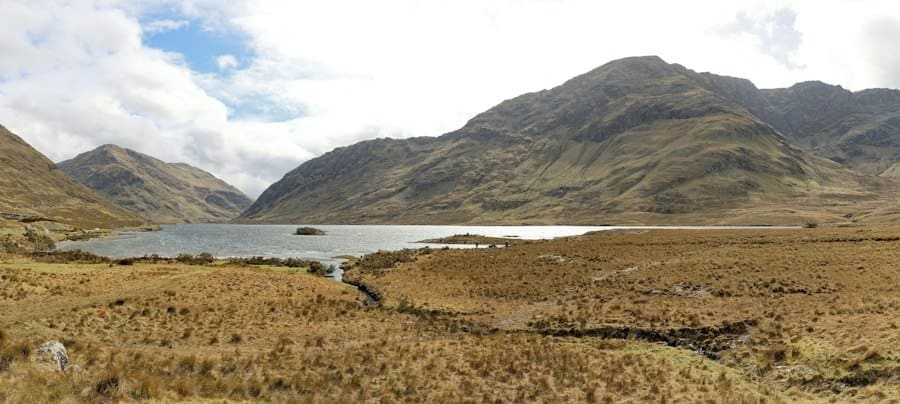
The Doolough Famine Walk typically begins at Louisburgh and follows the historic path through the valley, ending near the village of Delphi. While the full historical route is approximately 11 miles, organized walks often cover a significant portion of it, allowing you to experience the vastness and remoteness of the area. It’s not a technically challenging walk, but the emotional weight of the journey can be profound. You’ll find yourself moving through a landscape that is both stunningly beautiful and historically heavy, a constant reminder of the lives lost and the struggles endured.
The Starting Point: Louisburgh
Your journey often commences in Louisburgh, a picturesque coastal town that served as a significant hub during the famine. Even today, you can feel the echoes of its past, as a community that witnessed firsthand the devastating impact of the potato blight. Before you set out, take a moment to reflect on the starting point of the original walkers – their homes, their desperation, the arduous journey they were about to undertake with hope dwindling with every step. You will be starting with fresh clothes and a full stomach, a stark contrast to their reality, and this awareness will underscore the solemnity of the walk. The modern walk often includes a brief opening ceremony or reflection, setting the tone for the profound experience that lies ahead. You’ll likely be surrounded by fellow walkers, some silently contemplative, others sharing hushed conversations, all united by a common purpose of remembrance.
The Valley Path: A Landscape of Memory
As you venture into Doolough Valley, you’ll be enveloped by a dramatic and often solitary landscape. The path, sometimes a well-trodden track, at other times a rugged trail, winds its way alongside the Doolough Lake, a shimmering expanse of water reflecting the majestic mountains. You’ll pass by weathered stone walls, remnants of ancient settlements, and perhaps even abandoned cottages, each a silent witness to centuries of human endeavor and hardship. Imagine the starving individuals making this journey in harsh weather conditions, their bodies weakened by hunger, their hope fading with each mile. You might notice the silence, broken only by the wind, the cry of a bird, or the rhythmic crunch of your own footsteps. This silence can be incredibly powerful, allowing you to connect with the past in a deeply personal way. Look around you and contemplate the immense beauty of the landscape and the cruel irony that such a beautiful place could be the scene of such profound suffering.
The Memorial Stone at Doolough
A crucial point on your journey is the memorial stone erected in Doolough, a simple yet powerful monument commemorating those who perished on that fateful day in 1849. This stone serves as a focal point for reflection and remembrance. As you approach it, you might feel a lump in your throat, a sense of grief for the anonymous dead. Take a moment to pause, read the inscription, and acknowledge the lives lost. Many participants leave small tokens, flowers, or stones at the memorial, a silent tribute to the victims. This act of communal remembrance strengthens the bond between the present and the past, ensuring that the stories of those who suffered are never forgotten. You will likely find yourself moved by the collective solidarity of those around you, all sharing in this act of remembering and honoring.
Beyond the Physical: The Emotional and Spiritual Impact
The Doolough Famine Walk is far more than a physical challenge; it’s an intensely emotional and spiritual experience. It’s an opportunity for deep reflection, not only on the historical tragedy but also on broader themes of social justice, human responsibility, and the enduring power of empathy. You’ll likely find yourself confronting uncomfortable truths about human nature, power dynamics, and the consequences of indifference.
Confronting Injustice and Indifference
As you walk the path, the story of the British Poor Law Guardians’ refusal to help the starving will undoubtedly resonate deeply. You’ll grapple with the concept of indifference in the face of unimaginable suffering. How could those in power turn away people on the brink of death? This contemplation can evoke feelings of anger, sadness, and frustration. However, it also serves as a potent reminder of the importance of compassion and the dangers of allowing political or economic ideologies to overshadow basic human needs. You might consider parallels with contemporary issues of poverty, displacement, and humanitarian crises, understanding that while the context changes, the fundamental human struggles often remain the same. The walk becomes a catalyst for questioning social structures and advocating for change.
A Journey of Empathy and Connection
The act of walking the same path as those who suffered creates a powerful sense of empathy. You’re not just reading about history; you’re experiencing a fragment of it. The physical exertion, the exposure to the elements, and the solitude of certain stretches of the walk can help you connect with the physical hardships faced by the famine victims. This embodied understanding can transform abstract historical facts into a visceral reality. You might find yourself imagining their hunger, their pain, their fading hopes, forging a profound connection with their plight. This shared experience, even across centuries, can be a deeply moving and humbling one. The silence of the valley often amplifies these feelings, allowing you to process the weight of the past without distraction.
The Power of Collective Remembrance
Participating in the Doolough Famine Walk, especially as part of an organized group, fosters a sense of collective remembrance and solidarity. You are walking alongside others who share a desire to honor the past and learn from its lessons. This shared experience can be incredibly powerful, creating a community of individuals united by a common purpose. You’ll witness quiet moments of contemplation, shared tears, and perhaps even hopeful discussions about how to prevent such tragedies from recurring. This collective act transforms individual suffering into a shared memory, ensuring that the victims are not forgotten and their story continues to serve as a cautionary tale. The very act of gathering and walking together becomes a testament to the enduring human spirit and our capacity for both suffering and resilience.
Doolough Valley, known for its poignant Famine Walk in Mayo, serves as a powerful reminder of Ireland’s tragic history during the Great Famine. The breathtaking landscape contrasts sharply with the sorrowful stories of those who traversed this path in search of relief. For a deeper understanding of the historical context surrounding this event, you can explore a related article that delves into the broader implications of the famine on Irish society. This insightful piece can be found here, offering valuable perspectives on the enduring legacy of this period.
Preserving the Memory: The Enduring Significance of the Walk
The Doolough Famine Walk is not just a historical reenactment; it’s a vital act of cultural preservation and education. It ensures that the memory of the Great Famine remains alive, preventing future generations from forgetting the profound impact it had on Ireland and the world. By participating, you contribute to this ongoing effort to honor the past and learn from its lessons.
A Living Memorial for Future Generations
The Doolough Famine Walk serves as a living memorial, a dynamic and interactive way to engage with history. Unlike static monuments or museum exhibits, the walk invites you to physically participate in the act of remembrance, creating a more personal and memorable experience. It ensures that the story is passed down, not just through textbooks, but through the embodied experience of those who undertake the journey. You become a custodian of this memory, carrying its weight and its lessons forward. This active form of remembrance is crucial for maintaining the relevance of historical events in an ever-changing world. The continued annual staging of the walk ensures that the story is retold and re-experienced, preventing it from fading into obscurity.
Educating and Inspiring Social Justice
Beyond remembrance, the Doolough Famine Walk serves a powerful educational purpose. It highlights the devastating consequences of social injustice, economic inequality, and political indifference. By confronting the stark realities of the famine, you are encouraged to critically examine contemporary issues of poverty, human rights, and the responsibilities of governance. The walk can inspire you to become an advocate for social justice, prompting reflection on how to prevent similar tragedies from unfolding in our modern world. It is a powerful reminder that history, when truly understood, can be a catalyst for positive change. You might find yourself motivated to learn more, to speak out, and to contribute to efforts that address similar vulnerabilities in current societies.
A Call to Action and Reflection
Ultimately, the Doolough Famine Walk is a call to action and reflection. It compels you to consider your own role in creating a more just and compassionate world. What lessons can be learned from the famine that are relevant today? How can we ensure that the suffering of the past is not repeated? As you complete the walk, perhaps reaching Delphi Lodge or another designated endpoint, take time to process your emotions and thoughts. The experience will likely stay with you long after your feet have rested. It’s an invitation to carry the memory, not as a burden, but as a source of wisdom and inspiration to work towards a future where no one is left to starve, and where indifference is replaced by empathy and action. You will leave Doolough Valley not just with memories of a beautiful landscape, but with a deeper understanding of human resilience, the cost of neglect, and the enduring importance of remembering.
P.S. Enjoyed this? Become an insider and I'll send you one of my favourite posts every couple of weeks.