Novel November writing sprints with friends: how to set them up, run timed sessions that boost your word count and keep your group going all month.
Bonus: Download the free Story Bible Starter Kit and plan your story section by section as you read.
Unleashing Your Inner Author: The Power of Collaborative Sprints
November rolls around, and with it, the annual challenge of NaNoWriMo. While the idea of churning out 50,000 words in a single month can feel daunting, imagine tackling it not in isolation, but alongside your closest writing companions. Novel November Writing Sprints, especially when run with friends, transform the solitary act of creation into a vibrant, supportive, and incredibly productive experience.
You’re not just chasing a word count; you’re building a shared journey, celebrating victories together, and providing that crucial motivational boost when the words simply won't flow. This isn't about competition; it's about collective growth, mutual encouragement, and discovering the sheer joy of creating together. By embracing the sprint format, you’ll find that the seemingly insurmountable mountain of a novel becomes a series of achievable peaks, each one conquered with the cheer of your friends echoing in your ears.
The Synergistic Benefits of Group Sprints
Working on your novel in tandem with friends offers a unique blend of advantages that solo writing simply can't replicate. The most obvious benefit is accountability. When you commit to a sprint with others, you're not just letting yourself down if you don't show up or produce; you're letting your writing buddies down too. This subtle social pressure can be a powerful motivator, especially on those days when inspiration seems to be hiding.
Beyond accountability, there's the invaluable element of shared energy. The act of writing can be draining, but when you're all typing away in unison, there's an almost palpable sense of shared purpose that can fuel your focus and sustain your effort. You become a collective engine, each writer contributing to the forward momentum of the group.
Furthermore, collaborative sprints create a built-in support system. Facing plot holes, character dilemmas, or simply writer's block feels less overwhelming when you have a ready-made sounding board. While the sprint itself is for writing, the moments before and after become opportunities for quick brainstorming, commiseration, and celebrating milestones. You're not just writing alongside friends; you're building a mini-community dedicated to seeing each other succeed in their creative endeavors. This communal aspect can significantly reduce the feelings of isolation that often accompany long-form writing projects, making the entire experience more enjoyable and sustainable.
If you're looking to enhance your writing experience during Novel November, you might find the article on organizing writing sprints with friends particularly useful. It provides practical tips and strategies to keep everyone motivated and engaged throughout the month. For more insights and resources, check out this related article on writing tools and support at Enda Storrie's Shop.
Laying the Groundwork: Before the First Word
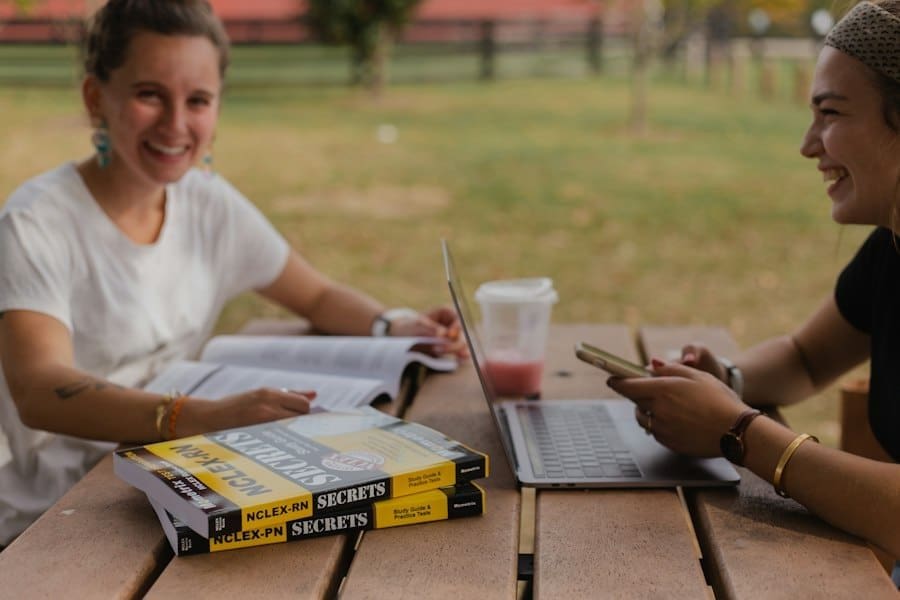
Before you and your friends dive headfirst into word-generating madness, a little preparation goes a long way. Think of it as setting the stage for a successful creative endeavor. Without a clear understanding of expectations, tools, and individual goals, your sprints might lack direction or fizzle out prematurely. This pre-sprint phase is about aligning your collective vision and ensuring everyone is on the same page, ready to contribute meaningfully.
Defining Your Sprint Structure and Schedule
The first crucial step is to decide on the practicalities of your sprints. How long will each sprint last? Common durations are 25 minutes (Pomodoro style), 45 minutes, or even an hour, followed by short breaks. The ideal duration often depends on your group's collective attention span and stamina. Some groups might prefer shorter, more frequent sprints throughout the day, while others might opt for longer, more intense sessions. Discuss and agree upon a schedule that works for everyone. Will you sprint daily? A few times a week? At specific times? Consistency is key here. Having a predictable schedule makes it easier for everyone to plan their day and commit to the sprints.
Also consider what constitutes a "break." Should breaks be silent, allowing for mental decompression, or are they opportunities for quick chats and encouragement? Defining these parameters upfront helps manage expectations and keeps the sprints focused and productive. You might even consider incorporating "warm-up" or "cool-down" periods before and after the main sprint session. A brief five-minute warm-up could involve reviewing your notes or outlining your next scene, while a cool-down could be for logging word counts and sharing small victories.
Choosing Your Communication and Tracking Tools
How will you communicate during and between sprints? A dedicated communication channel is essential. This could be a group chat on WhatsApp, Discord, Slack, or even a simple email thread. Discord, with its voice channels and text chats, is particularly well-suited for live sprints, allowing for silent co-working in voice channels and quick messages in text.
Beyond communication, you'll want a way to track your progress. While individual word counters are standard, a shared tracking method can be incredibly motivating. A simple Google Sheet or a dedicated app like Pacemaker can allow everyone to log their word counts after each sprint, creating a visible, collective record of your progress. Seeing everyone's numbers climb can be a powerful incentive to keep pushing. You could also use a shared document for outlining high-level goals for the sprint or even a "parking lot" for non-writing related thoughts that might distract you during the sprint itself.
Setting Individual and Group Goals
While NaNoWriMo has its 50,000-word target, discuss what success looks like for your group. Will you collectively aim for a certain word count by the end of November? Or will the focus be more on consistent daily effort? Encourage each friend to set their own individual goals for the month and even for each sprint. Perhaps one person wants to hit a specific chapter goal, while another is focusing on character development.
Having individual goals provides personal direction, while a loosely defined group goal fosters a sense of shared purpose without creating undue pressure. Emphasize that the primary goal is to support each other in making progress on your respective novels. Celebrate all milestones, big or small. Finishing a chapter, writing a difficult scene, or even just showing up consistently – these are all victories worthy of acknowledgement within your group.
+ Join Our Writing Community for FREE
Chain Story Online
Fun, free, flash fiction writing with writers just like you. You have ~100 words to begin a story or continue a story and make it yours.
Story Bible Studio
Digital space for writers to plot, plan, and build better stories. Designed by writers for writers. Your final draft awaits.
The Art of the Sprint: Maximizing Productivity Together

With your groundwork laid, it's time to dive into the core activity: the sprints themselves. This is where the magic happens, where words flow, and novels begin to take shape. While the act of writing is individual, the collective environment of a group sprint can amplify your focus and productivity in surprising ways.
Starting and Ending Each Sprint Effectively
Before each sprint begins, take a moment to set a clear intention. A quick check-in with your friends can be invaluable: "What are you hoping to achieve in this sprint?" This could be a specific scene, a character arc, or simply a certain word count. Articulating your goal, even if only to yourself or a quiet message in the group chat, primes your brain for focused work. Use a timer that everyone can see or hear, whether it's a shared screen showing a countdown or an agreed-upon alarm. When the timer starts, the talking stops, and the fingers fly.
When the sprint ends, immediately log your word count. This instant feedback loop is incredibly motivating. A quick "How did it go?" or a "Great job, everyone!" in the chat can reinforce the positive atmosphere. Avoid lengthy discussions during the break, however, to maintain momentum. Keep breaks brief – five to ten minutes is usually sufficient – to allow for a quick stretch, hydration, or a mental palate cleanse before the next round. The goal is to maximize writing time, not to turn breaks into extended chat sessions.
Leveraging the Power of Silent Co-Working
One of the most potent aspects of group sprints, especially when done virtually, is the power of silent co-working. If you're using a platform like Discord, establishing a voice channel where everyone can mute their microphones and simply "be" in each other's presence creates a sense of shared focus. You're not talking, but you're not alone. The subtle ambient sounds of typing (if mics are unmuted and people are comfortable) or simply the knowledge that others are also intensely focused on their work can be incredibly grounding and motivating.
This silent camaraderie reduces distractions because you feel a gentle pressure not to break the communal silence. It replicates the feeling of working in a quiet library or co-working space, but with the added layer of knowing your specific friends are on the other end, pursuing similar creative goals. It transforms the often solitary nature of novel writing into a shared endeavor, fostering a sense of accountability and collective effort without the need for constant interaction.
Injecting Fun and Motivation: Mini-Challenges and Rewards
To keep the energy high and prevent burnout, weave in elements of fun and friendly competition. Introduce mini-challenges during certain sprints. For example, "Sprint 3: Write a scene with an unexpected twist" or "Sprint 5: Incorporate a sensory detail you haven't used yet." These can add a playful element and encourage experimentation.
Consider small, informal rewards. Maybe the person with the highest word count in a particular sprint gets bragging rights, or the group collectively celebrates when someone hits a personal milestone. These don't need to be material rewards; often, the recognition and encouragement from your friends are more than enough. You could even create a shared playlist of writing music to play during sprints, or set themed "sprint days" – "Dialogue Day," "Description Day," etc. The key is to keep things light, engaging, and to continually remind everyone why you're doing this: to have fun while making progress on your novels.
Navigating Challenges and Sustaining Momentum
Even with the best intentions and the most supportive friends, the path to a finished novel is rarely smooth. You'll encounter obstacles, motivation will wane, and life will inevitably throw curveballs. The true strength of your writing group lies in its ability to navigate these challenges together and sustain momentum through the ups and downs.
Addressing Writer's Block and Burnout
Writer's block is an almost inevitable part of the creative process. When it strikes one of your friends, or even you, your group can be a powerful resource. Instead of wallowing alone, open a quick discussion during a break. "I'm completely stuck on this scene – any quick ideas?" A fresh perspective from a friend who understands your project (even if they haven't read it) can often unlock new ideas. Sometimes, simply talking through the problem aloud is enough to find a solution.
Burnout is another significant threat. Encourage open communication about fatigue or a flagging muse. If someone needs to skip a sprint or even a day, that should be acceptable without judgment. The goal is long-term progress, not short-term heroics that lead to exhaustion. Suggest taking a break, switching to a different part of the novel, or engaging in a creative activity unrelated to writing. Sometimes, a temporary step back is the best way to regain perspective and renewed energy. Remind each other that it's a marathon, not a sprint, and sustainable effort trumps sporadic bursts.
Managing Group Dynamics and Conflict
Working closely with friends on an intense project can sometimes lead to unexpected challenges in group dynamics. What if one friend consistently misses sprints? Or another dominates the conversation during breaks? Addressing these issues promptly and respectfully is crucial for maintaining a healthy and productive environment.
Establish clear guidelines early on about participation and communication. If someone is struggling to commit, a private, gentle check-in can be more effective than public shaming. "Hey, we've missed you in the sprints – everything okay? We'd love to have you back when you're ready." Foster an atmosphere of empathy and understanding. If conflicts arise, address them openly and directly, focusing on the behavior rather than the person. Remember, the goal is to support each other's writing journey, and that includes ensuring the group environment itself is conducive to creative work for everyone. Flexibility and mutual respect are paramount.
Celebrating Milestones and Maintaining Motivation Long-Term
Sustaining momentum over an entire month requires consistent motivation, and celebrating milestones is a powerful way to provide it. Don't wait until the very end to acknowledge progress. Celebrate hitting 10,000 words, completing a character's backstory, finishing a tricky chapter, or even just showing up for every scheduled sprint for a week. These smaller victories provide bursts of dopamine that reinforce positive habits and keep everyone feeling good about their efforts.
Create a shared "celebration ritual." This could be a virtual toast, a special emoji in the chat, or a dedicated "victory lap" message where everyone shares their biggest win from the day or week. Beyond NaNoWriMo, discuss how your group might continue these sprints. Perhaps you transition to "Revising December" sprints, or "Drafting January" sprints for subsequent projects. The habits and camaraderie you build during Novel November can extend far beyond the initial challenge, fostering a lifelong network of supportive writing friends.
If you're looking to enhance your writing experience during Novel November, you might find it helpful to explore the article on collaborative writing techniques. This resource offers valuable insights on how to effectively work with friends, making your writing sprints not only productive but also enjoyable. By incorporating these strategies, you can create a supportive environment that fosters creativity and motivation throughout the month.
Running Sprints in Story Bible Studio
If your group wants something more than a shared timer, Story Bible Studio has sprints built into its distraction-free editor, and your word count updates as you type, so nobody has to tally up afterwards. Set up a group and run your own word count challenge with a leaderboard: everyone writes in their own manuscript, and the whole group can see who's on track for 50,000. A little friendly competition does wonders on a cold Tuesday night.
Beyond November: Cultivating a Lasting Writing Community
While Novel November provides an excellent catalyst, the relationships and routines you build during this intense month have the potential to grow into a truly invaluable, long-term writing community. Think of the sprints not just as a one-off event, but as the foundation for sustained creative collaboration and support.
Expanding Beyond Word Count Challenges
Once November concludes, the focus doesn't have to vanish. Your group can evolve beyond purely word-count-driven sprints. Consider shifting to sprints focused on revision, editing, or even outlining future projects. "Revision Sprints" could involve everyone dedicating time to polishing specific chapters, while "World-Building Sprints" might be about developing the lore for your next fantasy epic. The shared time and accountability remain powerful, even when the goal isn't just raw word count.
You could also incorporate dedicated critique sessions into your group's routine. After a period of writing, commit to reading a chapter or a specific scene from one another's work, providing constructive feedback. This elevates the group from simply co-working to genuine peer mentorship, adding another layer of depth and value to your collective efforts. This transition from individual progress to collaborative refinement can be incredibly enriching.
Organizing Regular Check-ins and Accountability Sessions
Even if structured sprints become less frequent after November, maintaining regular check-ins is vital for keeping your writing projects alive. Schedule weekly or bi-weekly "coffee dates" (virtual or in-person) where everyone can share their progress, discuss challenges, and set new goals. These sessions don't need to be long or involve actual writing; their purpose is to provide a consistent touchpoint for accountability and support.
During these check-ins, celebrate ongoing achievements, even if they're not sprint-related. Did someone secure an agent? Finish a challenging rewrite? Share these victories and offer encouragement for upcoming tasks. Having a standing appointment with your writing friends acts as a powerful reminder that you're not alone in your creative journey, and that your efforts are seen and valued by a supportive community.
Nurturing Your Writing Friendships
Ultimately, the most profound benefit of running Novel November Writing Sprints with friends is the deepening of your creative bonds. These shared experiences, the triumphs and the struggles, forge a unique connection. Invest in these friendships beyond just the writing. Celebrate birthdays, offer support during personal challenges, and maintain genuine interest in each other's lives outside of your novels.
Final Thoughts on Novel November Writing Sprints
A strong, supportive writing community is a precious resource, one that can sustain you through years of creative work. It provides a safe space for vulnerability, honest feedback, and unwavering encouragement. The collaborative sprints during November are merely the beginning of what can become a lifelong journey of mutual artistic growth and friendship. Embrace the power of your collective, and you'll find that the act of writing becomes not just more productive, but infinitely more joyful and fulfilling.
Plan your Novel November in Story Bible Studio: set your 50,000-word target, track your daily word count and keep your characters and plot notes beside your draft. Create your free Story Bible Studio account, grab the free Story Bible Starter Kit, then follow our 30-day novel writing plan and see how Story Bible Studio helps you write 50,000 words.
Related reading: How to Write 50,000 Words in a Month This November · How to Write a Novel When You Work Full-Time
Enda Storrie is a writer and the creator of Story Bible, the planning journal and app for writers, and Chain Story Online, a free collaborative storytelling platform.
P.S. Enjoyed this? Become an insider and I'll send you one of my favourite posts every couple of weeks.