Healthy winter soups to batch cook on a budget: hearty recipes, freezing tips and cheap seasonal veg that keep you warm all week.
Embracing the Chill with Nutritious, Budget-Friendly Soups
As the days shorten and the mercury drops, my thoughts invariably turn to warmth, comfort, and the soothing embrace of a steaming bowl of soup. Winter, for me, is a season of introspection and coziness, and nothing embodies that more perfectly than a hearty, healthy soup simmering on the stove. But as a staunch advocate for mindful spending and efficient cooking, I've also learned that these winter comforts don't have to break the bank or consume all my free time.
This past year, I’ve truly honed my skills in batch cooking, especially when it comes to soups, discovering how incredibly satisfying and economical it can be. It’s a method that allows me to eat well, even when my schedule is packed, and ensures I always have a nutritious meal just a reheat away. My kitchen, particularly in winter, transforms into a small-scale production line, turning humble ingredients into delicious, nourishing meals that last for days.
The beauty of batch cooking soups, especially with a budget in mind, lies in its simplicity and versatility. I'm not talking about bland, repetitive meals, but rather a strategic approach that maximizes flavor and nutrition without excessive cost or effort. It’s about leveraging seasonal produce, inexpensive pantry staples, and smart cooking techniques to create a repertoire of soups that are both delicious and deeply satisfying.
This article is my personal guide, sharing the wisdom I've gathered and the recipes I've perfected, all aimed at helping you, too, transform your winter kitchen into a haven of healthy, budget-friendly, and utterly delightful soup-making. I've found that the initial investment of time on a weekend afternoon pays dividends throughout the busy week, freeing me from the daily dilemma of "what's for dinner?" and keeping my wallet happily intact.
If you're looking to warm up this winter while sticking to a budget, check out our article on Healthy Winter Soups to Batch Cook on a Budget. This resource offers a variety of delicious and nutritious soup recipes that are perfect for meal prepping and can help you save money. For more tips on healthy eating and budget-friendly cooking, visit this related article.
The Strategic Art of Budget-Friendly Batch Cooking
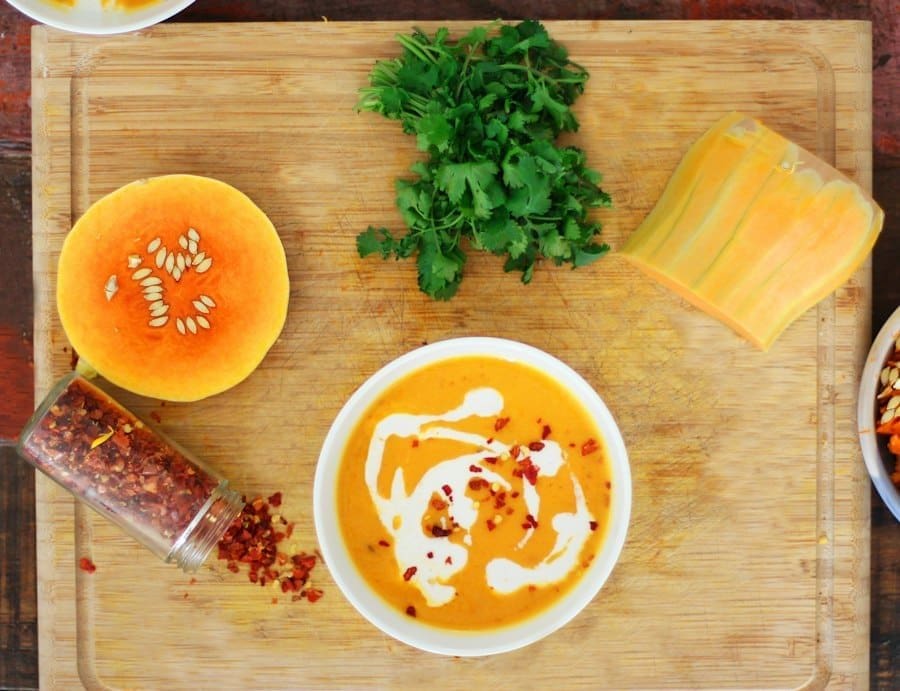
When I decided to seriously tackle my food budget, especially during the colder months, batch cooking became my secret weapon. It’s not just about making a big pot of something; it’s about making smart choices that amplify savings and efficiency. I’ve discovered that by thinking a few steps ahead, I can dramatically reduce food waste, cut down on impulsive takeaway orders, and ensure I’m eating wholesome, home-cooked meals even on my busiest days.
Leveraging Sales and Seasonal Produce
My first stop before any batch cooking session is always the supermarket flyer and the produce section. I've learned that building my soup recipes around what's on sale or what's in season is the most effective way to save money. Root vegetables like carrots, potatoes, parsnips, and sweet potatoes are typically inexpensive and abundant in winter. They form the backbone of many of my favorite soups, adding substance, natural sweetness, and a wealth of nutrients. Lentils, dried beans, and grains like barley are also consistently affordable and incredibly filling.
I keep a mental (and sometimes physical) list of these budget-friendly staples, allowing them to guide my recipe choices for the week. For example, if butternut squash is on special, I immediately think of a creamy butternut squash soup, perhaps with a touch of ginger and coconut milk. If carrots are particularly cheap, a large batch of roasted carrot and ginger soup is on the menu. This flexibility is key to both cost-effectiveness and culinary creativity.
Smart Protein Choices for Hearty Soups
While vegetables and legumes provide a fantastic base, I often want a little extra protein to make my soups more substantial, especially for lunch or dinner. Here, too, I employ a budget-conscious strategy. I often use inexpensive cuts of meat that are perfect for slow simmering, like chicken thighs or drumsticks, or even turkey necks and backs, which contribute incredible flavor to broths. When I find ground meat on sale, I'll cook a large batch and divide it, using some for soup and freezing the rest for later.
Canned beans and lentils are, of course, superstar protein sources, requiring no pre-soaking and cooking quickly. Eggs can also be a surprisingly good addition, gently poached directly in a hot soup just before serving, adding richness and protein without much cost. My ultimate go-to for budget protein, though, is dried legumes. A big bag of split peas or red lentils can make several enormous batches of soup for pennies per serving.
The Power of the Pantry: Staples for Flavor and Efficiency
My pantry is an ally in my batch cooking endeavors. Having a well-stocked supply of staples means I rarely need to make a last-minute dash to the store, which inevitably leads to impulse buys. Canned tomatoes, vegetable or chicken broth (or bouillon cubes for extra savings), dried herbs and spices, onions, garlic, and inexpensive grains like rice or barley are always on hand. These ingredients form the foundational flavors and textures of most of my soups.
I also keep a variety of oils, vinegars, and condiments like soy sauce or Worcestershire sauce, which can elevate a simple soup from good to great with just a dash. Investing in a good selection of spices, like cumin, coriander, turmeric, paprika, and dried Italian herbs, is a one-time cost that pays dividends in flavor for months, transforming humble vegetables into exciting culinary experiences.
Essential Tools and Techniques for Soup Success
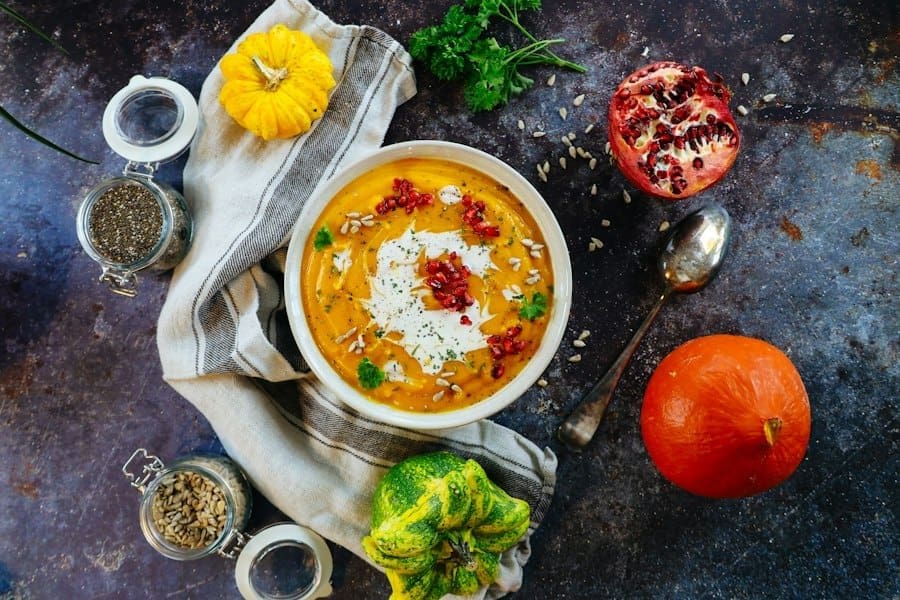
My journey into batch cooking soups has taught me that while ingredients are crucial, the right tools and techniques can make the process significantly smoother and more enjoyable. I don't advocate for an overly complicated kitchen, but there are a few items and methods that I've found indispensable.
The Workhorses: Large Pots and Slow Cookers
The most obvious, yet most important, tool for batch cooking soup is a large, heavy-bottomed stockpot. Mine is 8 quarts, and it's perfect for making enough soup to last me several days, or even a week, with some to freeze. A good quality pot distributes heat evenly, preventing scorching and allowing for proper simmering. I also frequently rely on my slow cooker. It’s an absolute game-changer for set-it-and-forget-it convenience.
I can load it up in the morning with ingredients, and by evening, a delicious, tender soup is ready. This is particularly useful for soups that benefit from long, slow cooking, like bean or lentil soups, or those with tougher cuts of meat. The slow cooker also uses less energy than constantly simmering a pot on the stovetop, which adds another layer to its budget-friendly appeal.
+ Join Our Writing Community for FREE
Chain Story Online
Fun, free, flash fiction writing with writers just like you. You have ~100 words to begin a story or continue a story and make it yours.
Story Bible Studio
Digital space for writers to plot, plan, and build better stories. Designed by writers for writers. Your final draft awaits.
Streamlining with Food Processors and Immersion Blenders
To save precious time on chopping, especially when dealing with large quantities of vegetables, my food processor is a true hero. Dicing onions, carrots, and celery (the classic mirepoix base for many soups) takes mere seconds. It ensures uniform pieces, which leads to even cooking. For creamy soups, an immersion blender is non-negotiable for me.
Instead of carefully transferring hot soup in batches to a standard blender, risking spills and burns, I can simply stick the immersion blender directly into the pot and blend until smooth. It’s safer, faster, and creates less washing up – a win-win in my book! If I don't want a completely smooth soup, I might just blend a portion of it to add body and richness, leaving some chunks for texture.
Mastering the Art of Freezing for Future Feasts
One of the cornerstones of successful batch cooking is proper storage, and for soups, freezing is often the best option for long-term preservation. I've experimented with various methods and found a few that work consistently well. First, I always allow the soup to cool completely before transferring it to containers. Freezing hot soup can lower the temperature of the freezer and potentially affect other frozen items. I use both reusable plastic containers (BPA-free, of course) and heavy-duty freezer bags.
For individual portions, freezer-safe containers are ideal. For larger batches, freezer bags are great because they lay flat, taking up less space once frozen. I always label each container or bag with the soup's name and the date it was made. This prevents mystery meals in the future! When reheating, I usually thaw the soup in the refrigerator overnight, then gently reheat it on the stovetop or in the microwave.
My Go-To Healthy, Budget-Friendly Soup Recipes
Over the years, I've developed a repertoire of soups that consistently deliver on taste, nutrition, and cost-effectiveness. These are my absolute favorites, the ones I turn to again and again throughout the winter months. They are adaptable, allowing for ingredient swaps based on what I have on hand or what's on sale.
Hearty Lentil and Vegetable Soup
This is arguably my most frequently made soup. It’s incredibly nourishing, packed with fiber and protein, and incredibly cheap to make. I start by sautéing a generous amount of chopped onions, carrots, and celery in a little olive oil until softened. Then, I add a few cloves of minced garlic and cook for another minute until fragrant. Next comes a can of diced tomatoes (undrained), dried brown or green lentils (rinsed thoroughly), vegetable broth, a bay leaf, and a blend of dried herbs – typically thyme, oregano, and a pinch of cumin. Sometimes, I’ll throw in a chopped potato or sweet potato for extra body.
I bring it all to a boil, then reduce the heat and simmer gently for about 30-40 minutes, or until the lentils are tender. Seasoning generously with salt and pepper at the end is crucial. Before serving, I often stir in a handful of fresh spinach or kale to wilt, adding a vibrant green and extra nutrients. This soup freezes beautifully, and a squeeze of fresh lemon juice or a dollop of plain yogurt before eating really brightens up the flavors.
Creamy Butternut Squash and Apple Soup with Ginger
This soup is pure autumnal bliss, but I make it all winter long because butternut squash is usually quite affordable. It’s naturally sweet, incredibly smooth, and feels wonderfully luxurious. I begin by roasting cubed butternut squash and a chopped apple (like Honeycrisp or Fuji) with a little olive oil, salt, and pepper until tender and slightly caramelized. Roasting brings out their natural sweetness and adds depth of flavor that boiling just can’t achieve. While they roast, I sauté some chopped onion and a generous amount of grated fresh ginger in a pot.
Once the squash and apple are roasted, I add them to the pot with vegetable broth. I let it simmer for about 10-15 minutes to allow the flavors to meld, then I use my immersion blender to create a silky-smooth consistency. Sometimes I'll add a splash of coconut milk or a tiny bit of cream for extra richness, but it's delicious without it. A sprinkle of toasted pumpkin seeds or a swirl of chili oil makes for a fantastic garnish.
Chicken (or Chickpea) Noodle Soup with a Twist
My version of chicken noodle soup goes beyond the traditional, often incorporating a few extra veggies and whole-wheat noodles for added nutrition. When I use chicken, I usually start with chicken thighs or drumsticks, simmering them in water with an onion, carrots, celery, and a bay leaf to create a flavorful broth. Once cooked, I shred the chicken and discard the bones. For a vegetarian option, I simply omit the chicken and use vegetable broth, adding canned chickpeas towards the end.
To the strained broth, I add more chopped carrots, celery, and sometimes even some frozen peas or corn. I bring it to a simmer, then add whole-wheat egg noodles (or another small pasta shape) and cook until al dente. The shredded chicken (or chickpeas) goes back in, along with fresh parsley. A touch of turmeric not only gives it a beautiful golden hue but also adds anti-inflammatory properties. This soup is particularly comforting when I'm feeling under the weather, and a big batch means I’m covered for days.
Spicy Black Bean and Corn Soup
This is a vibrant, zesty soup that’s incredibly satisfying and very budget-friendly. I start by sautéing chopped onion, bell pepper (any color works, often what's on sale!), and a jalapeño (seeded for less heat, or left in for a kick) until softened. Then I add minced garlic, chili powder, cumin, and a pinch of smoked paprika, cooking until fragrant. Next come two cans of black beans (rinsed and drained), one can of diced tomatoes with green chilies (Rotel is great here), and vegetable broth.
I let it simmer for about 20-30 minutes to allow the flavors to meld. Towards the end, I stir in a cup or so of frozen corn. I often blend about half of the soup with an immersion blender to thicken it slightly while leaving some beans and corn whole for texture. A squeeze of lime juice, a dollop of Greek yogurt or sour cream, and some fresh cilantro are essential finishing touches. Sometimes I'll add some leftover cooked rice to make it even heartier.
Minestrone (My Kitchen Sink Version)
Minestrone is the ultimate "clean out the fridge" soup, and my version is perpetually flexible. I start with a base of sautéed onion, carrots, and celery. Then, I add garlic and a generous amount of Italian seasoning. Next, I’ll add whatever vegetables I have on hand – zucchini, green beans, cabbage, spinach, kale, diced bell peppers, leftover roasted vegetables – literally anything. A can of diced tomatoes and plenty of vegetable broth form the liquid base.
For protein and fiber, I usually add a can of cannellini beans or kidney beans, rinsed and drained. Small pasta, like ditalini or elbow macaroni, goes in during the last 10-15 minutes of cooking. Sometimes, I’ll stir in a spoonful of pesto at the end for an extra burst of flavor. This soup is incredibly versatile and allows me to minimize food waste while still creating a delicious, healthy meal. A sprinkle of Parmesan cheese is always welcome, but it’s delicious even without it.
If you're looking for nutritious and affordable meal options this winter, consider exploring healthy soups that can be batch-cooked to save both time and money. A great resource to complement your cooking journey is an article that discusses how to leverage WordPress websites for your business success, which can help you share your culinary creations with a wider audience. You can read more about it here. With the right recipes and a little planning, you can enjoy delicious, warming soups while staying within your budget.
If you're looking for a collaborative writing platform, check out Chain Story Online. It's a great way to connect with other writers and create stories together. Many users have found inspiration and creativity through Chain Story Online.
Maximizing Nutrition and Flavor on a Budget
Creating healthy, budget-friendly soups is about more than just finding cheap ingredients; it's about smart cooking practices that enhance both the nutritional value and the taste. I've learned that small adjustments can make a big difference.
Enhancing Flavor with Aromatics and Spices
One of my biggest takeaways in soup making is the power of aromatics and spices. They are inexpensive and transform a simple broth into something truly complex and delicious. I almost always start my soups by sautéing onions, garlic, and often carrots and celery. This foundational step, known as mirepoix or soffritto, creates a deep, savory base that permeates the entire soup.
Beyond these basics, I've stocked my spice rack with essentials like cumin, coriander, smoked paprika, turmeric, chili powder, and various dried herbs (oregano, thyme, rosemary, bay leaves). A pinch of these can elevate humble vegetables to new heights. For example, a dash of smoked paprika gives black bean soup a wonderful depth, and a bay leaf truly transforms a lentil soup. I also keep fresh ginger and garlic on hand whenever possible, as their vibrant flavors are unparalleled.
Boosting Nutrient Content with Hidden Veggies
Batch cooking is an excellent opportunity to sneak in extra vegetables, especially for those in my household who might be a bit pickier. For creamy soups like my butternut squash or even a pureed lentil soup, I'll often add an extra carrot, a handful of spinach, or even a zucchini, blending them seamlessly into the soup. This adds vitamins, minerals, and fiber without altering the flavor profile significantly.
For chunky soups, I’m always liberal with the amount of vegetables I include, aiming for a rainbow of colors to ensure a broad spectrum of nutrients. Frozen vegetables are a fantastic budget-friendly option here; they're picked at their peak ripeness and flash-frozen, locking in nutrients, and they can be added directly to the pot without thawing.
Smart Seasoning and Finishing Touches
Seasoning is not just about adding salt and pepper; it's an art that develops the soup's character. I taste my soups throughout the cooking process, adjusting salt, pepper, and spices as needed. I also find that adding an acidic element at the end – a squeeze of lemon or lime juice, a splash of vinegar, or a dollop of plain yogurt – can brighten the flavors and balance the richness.
Fresh herbs, like parsley or cilantro, stirred in just before serving, add a pop of freshness and aroma that truly elevates the experience. These small, inexpensive additions make a significant impact, turning a simple, budget-friendly soup into a gourmet-feeling meal. Don't underestimate the power of a tiny drizzle of good olive oil or a sprinkle of toasted seeds for added texture and healthy fats, either.
If you're looking to warm up during the chilly months while sticking to a budget, you might find inspiration in a related article about nutritious winter meals that are both affordable and easy to prepare. These recipes not only focus on wholesome ingredients but also emphasize the importance of batch cooking to save time and money. For more ideas on how to make the most of your grocery budget, check out this helpful resource on budget-friendly cooking.
Safe Storage and Reheating Practices
While the joy of batch cooking is having delicious meals ready to go, ensuring food safety is paramount. I've learned to follow strict guidelines to keep my batch-cooked soups fresh and safe to eat.
Cooling Soups Quickly and Safely
After cooking a large pot of soup, the most crucial step for safe storage is to cool it down rapidly. Leaving a large pot of hot soup on the counter for hours creates a prime breeding ground for bacteria. My method involves dividing the hot soup into smaller, shallower containers immediately after cooking. This increases the surface area and allows for faster cooling. I often place these smaller containers in an ice bath in my sink for about 20-30 minutes, stirring occasionally, until the temperature drops. Once they are no longer steaming, I transfer them to the refrigerator. I aim to get the soup into the fridge within two hours of cooking.
Optimal Refrigerator and Freezer Storage
For soups destined for the refrigerator, I ensure they are stored in airtight containers. Properly stored, most vegetable-based and legume-based soups will last safely in the refrigerator for 3-4 days. Soups containing meat should also be consumed within 3-4 days. If I've made an exceptionally large batch, or if I know I won't get to it within that timeframe, it goes straight to the freezer. As mentioned earlier, I use freezer-safe containers or heavy-duty freezer bags, always labeled with the contents and date. Soups can generally be frozen for up to 3 months without a significant decline in quality. Beyond that, they are still safe to eat but might experience some textural changes.
Reheating for Best Taste and Safety
When it's time to enjoy a batch-cooked soup, I prioritize proper reheating. For refrigerated soups, I can simply reheat them on the stovetop over medium heat, stirring occasionally until hot and simmering, or in the microwave. For frozen soups, the safest method is to thaw them overnight in the refrigerator before reheating. If I'm in a pinch, I might use the defrost setting on my microwave or place the frozen block of soup in a pot with a tiny bit of water at the bottom, heating it over very low heat until it begins to melt, then increasing the heat and stirring until fully hot.
Final Thoughts on Healthy Winter Soups
It’s important to reheat soups thoroughly until they are steaming hot (at least 165°F or 74°C) to kill any potential bacteria. I never just warm it up; it needs to be piping hot all the way through. Once reheated, I try not to reheat the same portion multiple times; it’s best to only reheat what I plan to consume in one sitting. By following these simple steps, I ensure that my batch-cooked soups are not only delicious and healthy but also perfectly safe to enjoy throughout the chilly winter months.
Related reading: Meal Prep for Beginners: Save Time and Money Every Week · 5 Tips for Healthy Eating on a Budget
Enda Storrie is a writer and the creator of Story Bible, the planning journal and app for writers, and Chain Story Online, a free collaborative storytelling platform.