How to drink more water without thinking about it: easy habits, flavour ideas and simple cues that keep you hydrated through the day.
My Silent Journey to Hydration
I used to be terrible at drinking water. I’d wake up, chug a coffee, and then probably wouldn't think about a glass of water until late afternoon, if at all. My skin felt dry, I often had a dull headache, and my energy levels fluctuated wildly throughout the day. I knew, intellectually, that hydration was crucial for overall health, but the act of remembering to drink water felt like another chore added to an already overflowing mental to-do list.
I tried all the classic advice: setting alarms, buying fancy water bottles, even downloading apps that buzzed at me every hour. For a while, these strategies worked, but inevitably, the novelty wore off, the alarms became irritating background noise, and the apps were quickly uninstalled. I needed a different approach – one that integrated hydration seamlessly into my life, almost without my conscious thought. This is the story of how I transformed my hydration habits, not through willpower or constant reminders, but by subtly nudging myself towards a healthier, more hydrated existence.
My Early Hydration Struggles and Failed Attempts
My initial forays into the world of proper hydration were, to put it mildly, a series of valiant but ultimately fleeting efforts. I remember the enthusiasm with which I purchased my first "motivational" water bottle – the kind with time markers printed down the side, encouraging you to reach specific ounces by certain hours. For a glorious week, I was a hydration superstar.
I proudly refilled it, tracked my progress, and felt a smug satisfaction with each tick of the clock. But then, life happened. A busy morning meant I missed the 9 AM mark, and suddenly, the whole system felt broken. The guilt of falling behind was almost worse than not trying at all, and soon, the fancy bottle was relegated to the back of the cupboard, a silent testament to another failed healthy habit.
The Alarm Clock Tyranny
Next came the alarms. I set hourly reminders on my phone, each one chirping a gentle "Drink Water!" message. At first, it was effective. Each ping served as a helpful nudge, pulling me away from my work for a quick sip. However, the gentle nudges soon morphed into irritating interruptions. I'd be deep in concentration, and suddenly, my phone would blast its reminder, jarring me out of my flow. I found myself instinctively hitting snooze, then dismiss, and eventually, just turning the alarms off altogether. The constant digital nagging felt less like support and more like a parental scolding, and my rebellious inner self decided it wasn't going to be told what to do by a machine.
The App Overload
Then came the apps. Oh, the apps! There's an app for everything these days, and hydration is no exception. I downloaded several, each promising to be the ultimate solution to my water woes. Some offered cute little animated characters that would cheer me on; others provided detailed graphs of my daily intake. For a brief period, the gamification aspect was intriguing. I enjoyed seeing my progress represented visually, and the little badges I earned for consistent hydration gave me a fleeting sense of accomplishment. But like the alarms, the novelty wore off.
Entering every single glass of water became tedious. If I forgot to log a drink, the app's data was inaccurate, and then what was the point? The constant interaction required by the apps felt like more work, not less, and soon, they too joined the discarded water bottles and silenced alarms in the graveyard of my forgotten health initiatives. I realized then that conscious effort, however well-intentioned, wasn't sustainable for me. I needed a more subconscious approach.
If you're looking to improve your hydration habits effortlessly, you might also find value in exploring how to enhance your online presence, as discussed in the article on unleashing the power of WordPress websites for your business success. Just as staying hydrated can boost your overall well-being, having a strong online platform can significantly impact your business growth. You can read more about it here: Unleashing the Power of WordPress Websites for Your Business Success.
Integrating Hydration into My Routine
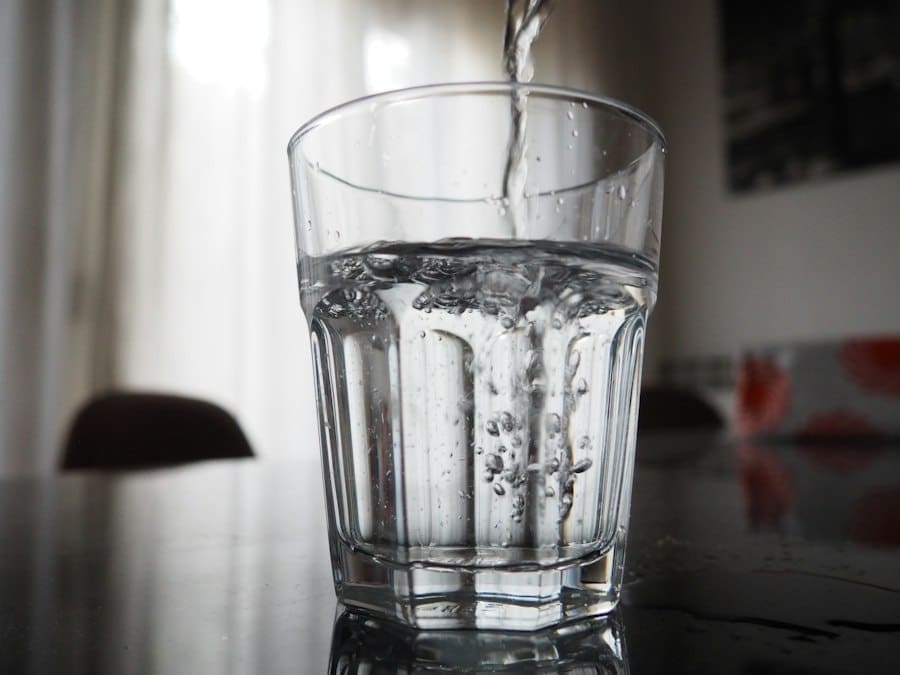
My breakthrough came when I stopped trying to make drinking water a separate activity and started weaving it into the fabric of my existing routine. This wasn't about adding another item to my checklist; it was about subtly modifying the habits I already performed without thinking. The key was to make water an almost invisible, yet ever-present, part of my day. I decided to analyze my daily flow, pinpointing moments when I naturally paused or transitioned between activities. These became my hydration opportunities.
The Morning Ritual Redefined
My mornings used to be a blur of coffee, getting ready, and rushing out the door. Now, my first conscious action upon waking is to drink a large glass of water. I keep a dedicated glass on my bedside table, filled the night before. This simple act means that before my feet even hit the floor, I've already consumed a significant amount of water. There's no thinking involved; it's simply the first step in my morning sequence. As I move into the kitchen to prepare my coffee, I fill another glass of water and place it next to my coffee cup.
While I wait for the coffee to brew or steep, I sip from the water. This allows me to hydrate even before the caffeine kicks in, setting a much healthier tone for the day. I've found that this initial hydration also helps to kickstart my metabolism and clear away the morning grogginess more effectively than just coffee alone. It's a small change, but it makes a huge difference in how I feel throughout the first part of my day.
+ Join Our Writing Community for FREE
Chain Story Online
Fun, free, flash fiction writing with writers just like you. You have ~100 words to begin a story or continue a story and make it yours.
Story Bible Studio
Digital space for writers to plot, plan, and build better stories. Designed by writers for writers. Your final draft awaits.
Strategic Placement and Visual Cues
I became a master of strategic water placement. Instead of relying on memory, I relied on my environment. I always have a water bottle or a glass of water within arm's reach wherever I am. At my desk, a large tumbler is always full. When I move from my desk to the living room, I consciously grab a glass or bottle of water to take with me. It's like my brain has been rewired to associate moving to a new space with carrying water. The visual cue of seeing the water bottle constantly reminds me to drink without requiring any mental effort. It’s simply there, an extension of my environment.
The "Before and After" Rule
I also implemented a "before and after" rule for specific activities. Before I start eating a meal, I take a few sips of water. Before I begin a work task, I take a few sips. After I finish a phone call, a few sips. Before and after leaving the house, a few sips. These are natural pauses in my day, moments when my attention shifts.
By coupling water intake with these natural transitions, I'm leveraging existing habits instead of trying to create entirely new ones. It’s almost Pavlovian; the activity triggers the sip of water. I've found that this also helps with satiety during meals, and it keeps my throat from getting dry during long conversations or periods of focused work.
The "Empty Container" Prompt
Another powerful strategy I adopted was using the "empty container" as a prompt for refilling. Instead of having to remember to refill my bottle, the act of seeing it empty immediately triggered the thought of going to the water cooler or faucet. This might sound obvious, but for someone like me who used to ignore an empty glass for hours, it was a revelation. I made sure to always have a refill station easily accessible, whether it was a filter pitcher in the fridge or a water cooler at work. The visual of the empty vessel became my unconscious signal to hydrate, turning what used to be a point of neglect into an automatic action.
Leveraging My Environment for Hydration
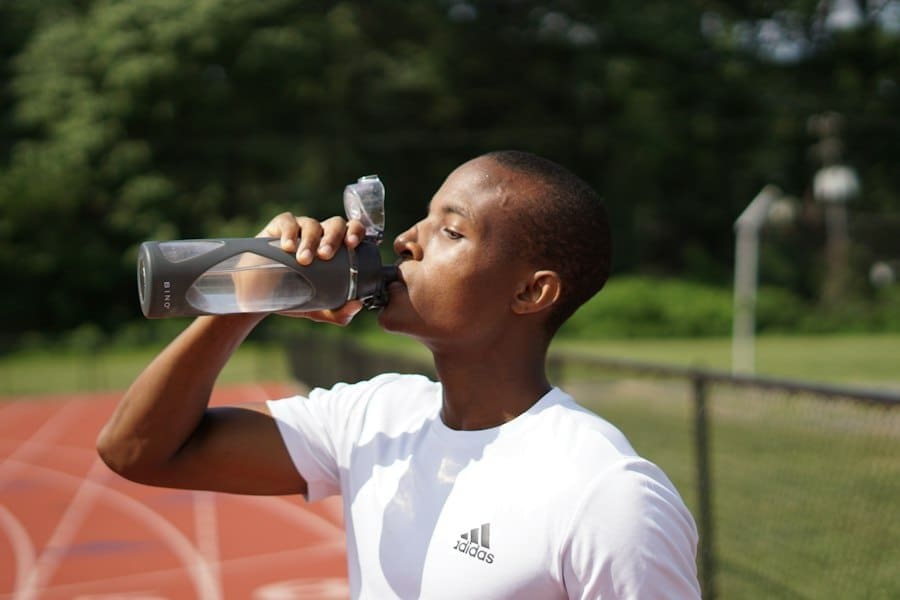
My environment is now my greatest ally in my quest for effortless hydration. I've consciously designed my surroundings to make drinking water the easiest and most obvious choice. It's about removing friction and making the healthy option the path of least resistance. This means not just having water available, but making it appealing and readily accessible at all times.
The Power of the Right Vessels
I realized that the type of vessel I used played a significant role. My expensive, large water bottle might have been intimidating or too heavy to carry around everywhere. I've since accumulated a variety of water containers, each suited for a specific purpose. At my desk, I have a large, clear glass pitcher with a lid, accompanied by a dedicated drinking glass. This makes it easy to see how much water I’ve consumed and how much is left.
For workouts or when I’m out and about, I use a lightweight, insulated stainless steel bottle that keeps my water cold for hours. The key is to have something that is comfortable to drink from and easy to access. If I have to struggle to open a lid, or if the spout is awkward, I’m less likely to drink. I even keep small, reusable water bottles in my car and my bag, so I'm never caught unprepared. The variety keeps things interesting and practical for different situations.
The "Water Stations" Concept
I've created "water stations" throughout my home and office. This means having readily available, filtered water in multiple locations. In my kitchen, I have a large filtered water pitcher in the fridge, always cold and ready to pour. In my office, I have a small countertop filter dispenser. By having these stations, I eliminate the excuse of having to walk to a different room or wait for water to filter. It’s about reducing the effort required to get a glass of water to absolute zero. When water is always within reach and already prepared, the mental barrier to drinking it significantly diminishes. It becomes as simple as reaching out and pouring.
Adding Flavor Without Sugar
Plain water can sometimes feel, well, plain. To combat this, I've experimented with natural ways to add flavor without resorting to sugary drinks. I often infuse my water with slices of cucumber, lemon, lime, mint, or berries. I keep a small tray of these fresh ingredients in my fridge, ready to be dropped into a pitcher or bottle. This adds a subtle, refreshing taste that makes drinking water more enjoyable without adding calories or artificial ingredients. It’s a simple trick, but it makes a huge difference in my willingness to reach for water throughout the day. The visual appeal of infused water is also a bonus; it looks more inviting than just a plain glass.
The Strategic Placement of Glassware
Beyond the water source itself, the availability of clean glassware is surprisingly important. I make sure there are always clean glasses available near my water stations. If I have to search for a clean glass, or if the only option is a dirty one, I’m less likely to hydrate. This simple organizational hack ensures that when I see the water, I also see an immediate, clean vessel to drink from. It’s these tiny, almost imperceptible eliminations of friction that collectively lead to a significant increase in my daily water intake. I often find myself absentmindedly picking up a glass and taking a few sips, simply because it's there and ready.
The Subtle Art of Habit Stacking
Habit stacking is where the magic truly happens for me. It’s about linking the new habit (drinking water) to an existing, ingrained habit. This way, the act of drinking water isn't something I have to consciously remember; it becomes an automatic consequence of something else I'm already doing. It leverages the power of routine and makes hydration an almost invisible addition to my day.
Anchoring Water to Existing Routines
I’ve identified several key anchor habits in my daily life. The moment I finish brushing my teeth, I immediately drink a small glass of water. This follows the morning wake-up water ritual, ensuring a double dose of hydration early on. When I sit down at my desk to start work, my first action is to take a few sips from my ever-present water bottle.
This signals the start of my workday and the start of my desk-side hydration. Similarly, before and after every meal, a few sips of water are mandatory. These aren't conscious decisions anymore; they're simply the next step in a sequence of actions. My brain now associates "brush teeth" with "drink water," and "sit at desk" with "drink water."
The Post-Bathroom Break Sip
This one might sound a little strange, but it has proven incredibly effective for me. Every time I use the bathroom, when I wash my hands, I also take a quick sip of water. It's a natural pause in the flow of activity, a moment when I'm already at a sink. It's a very low-effort way to get an extra sip or two throughout the day, and it adds up surprisingly quickly. It’s a completely unconscious act now; the flush of the toilet and the subsequent handwashing triggers the desire for a sip. It’s a tiny, almost negligible amount each time, but over the course of a day, these small, automated sips contribute significantly to my overall intake.
The "Waiting" Game
I've also started using "waiting" as a trigger. If I'm waiting for coffee to brew, waiting for a webpage to load, waiting for a meeting to start, or waiting for food to cook, I automatically reach for my water. These are typically idle moments where my mind isn't fully engaged, making them perfect opportunities for a quick, thoughtless sip. Instead of pulling out my phone, I pull out my water bottle. It's a productive way to fill those small pockets of downtime and transform otherwise wasted moments into hydration opportunities. This strategy turns moments of impatience into moments of self-care.
If you're looking for ways to stay hydrated throughout the day without constantly reminding yourself to drink water, you might find it helpful to explore strategies that integrate hydration into your daily routine. One interesting approach is discussed in a related article that examines the evolving landscape of remote work and its impact on our daily habits. You can read more about this in the article on remote work, which highlights how our work environments can influence our health and wellness practices, including hydration.
If you're looking for a collaborative writing platform, check out Chain Story Online. It's a great way to connect with other writers and create stories together. Many users have found inspiration and creativity through Chain Story Online.
Monitoring My Progress Without Obsessing
While my goal was to drink more water without thinking about it, a little bit of passive monitoring initially helped reinforce these new habits. The key was to ensure this monitoring didn’t become another burdensome chore or a source of anxiety. I needed a way to gauge my success without feeling like I was constantly tracking or judging myself.
The Visual Cue of Emptiness and Refills
My primary method of monitoring became the visual cue of my water containers. If my large desk pitcher was empty by early afternoon, I knew I was doing well. If my personal water bottle was being refilled multiple times throughout the day, that was a good sign. There’s no exact measurement or logging involved; it's simply a quick glance at the physical evidence. The satisfaction comes from seeing the progress visually, not from entering data into an app. This low-fidelity tracking gives me a general sense of my hydration levels without demanding any mental effort. It's a much more intuitive and less stressful way to check in with myself.
Listening to My Body
Perhaps the most important "monitoring" I do now is listening to my body. I've become much more attuned to the subtle signals of dehydration. If I feel a slight dullness in my head, a touch of fatigue, or my lips feel dry, my immediate, automatic response is to reach for water. These are no longer generalized feelings I ignore; they're direct calls for hydration. This internal feedback loop is far more effective and personalized than any external reminder could ever be. I've trained myself to recognize these cues as opportunities to hydrate, rather than just vague discomforts.
The Occasional Mental Check-in
Final Thoughts on Drink More Water
Once or twice a day, I'll do a very quick, non-judgmental mental check-in. "Have I had enough water today?" This isn't about counting ounces; it's about a general feeling. If the answer is "probably not," I'll make a conscious effort to have a few extra glasses in the next hour or two. This brief mental inventory is just enough to keep me accountable without triggering the obsessive tracking tendencies I'd experienced in the past. It’s a gentle recalibration, not a strict audit. It’s about maintaining a general awareness without allowing it to consume my focus. This periodic, light-touch reflection helps ensure I don't completely lose sight of my goal while still maintaining the 'effortless' aspect.
Related reading: Healthy Lunches for Work That Cost Less Than €3 · How to Cut Down on Sugar Without Feeling Deprived
Enda Storrie is a writer and the creator of Story Bible, the planning journal and app for writers, and Chain Story Online, a free collaborative storytelling platform.