Gardening for wellbeing: how growing your own food lifts mood, gets you moving and connects you with nature, even in a small space.
My Journey into Cultivating Wellness
For years, I found myself adrift in the relentless current of a fast-paced life, chasing deadlines, battling stress, and feeling increasingly disconnected from the very world that sustained me. My days were a blur of screens and meetings, my nights often restless, punctuated by the nagging feeling that something vital was missing. Then, almost by accident, I stumbled upon gardening, or more accurately, I tripped and fell headfirst into a patch of earth that would soon become my sanctuary.
It started innocently enough – a desire for fresher herbs, a fleeting thought about the satisfaction of growing my own tomatoes. Little did I know, this seemingly simple endeavor would blossom into a profound journey of self-discovery and holistic well-being, transforming not just my diet, but my entire outlook on life. This article is my personal testament to the power of gardening, particularly the act of growing my own food, and why I believe it's one of the most enriching experiences anyone can embrace for a healthier, happier existence.
I started small, with a few potted herbs on my apartment balcony. The sheer joy of snipping fresh basil for my pasta or seeing the first tiny red berry emerge on a miniature strawberry plant was intoxicating. It was a tangible connection to something real, something alive, in a world that often felt increasingly abstract. As my confidence grew, so did my ambition. I moved from pots to raised beds in a shared community garden, then eventually, to a small plot in my own backyard.
Each seed I sowed, each seedling I nurtured, felt like an investment not just in my future meals, but in my own mental and physical health. The act of growing food, I discovered, is a multi-faceted therapy, offering a wealth of benefits that extend far beyond the plate. It's a journey I wholeheartedly recommend, and through these words, I hope to share the profound impact it has had on me, encouraging others to dig in and discover their own green haven of wellness.
In addition to exploring the benefits of gardening for mental and physical health in "Gardening for Wellbeing: Why Growing Food Is Good for You," readers may find the article on sustainable gardening practices equally enlightening. This related piece delves into how eco-friendly gardening not only enhances personal wellbeing but also contributes positively to the environment. For more insights, you can check out the article here: Sustainable Gardening Practices.
The Mental and Emotional Harvest
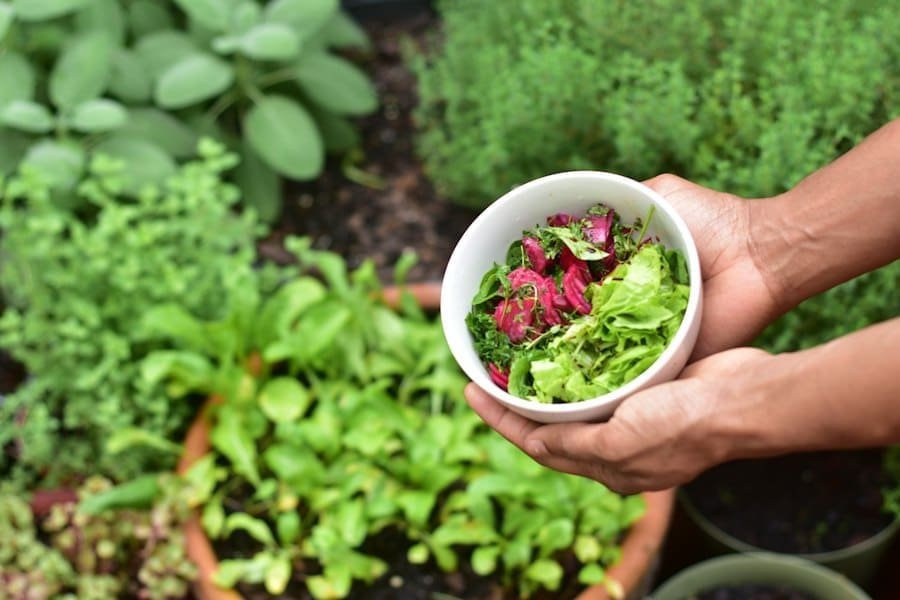
One of the most immediate and profound benefits I experienced from gardening was a significant improvement in my mental and emotional state. The constant hum of anxiety and the weight of daily pressures began to dissipate the moment my hands touched the soil. There’s something inherently grounding about connecting with nature in such an intimate way. It's a form of active meditation, a mindful practice that brings me back to the present moment.
A Natural Stress Reliever
I’ve found that the simple act of being outdoors, surrounded by living plants, is incredibly calming. The gentle rhythm of gardening – the digging, planting, watering, and weeding – creates a meditative flow. My mind, usually buzzing with thoughts and concerns, quiets down. I focus on the task at hand: the texture of the soil, the scent of the damp earth, the feeling of the sun on my skin. This focused attention acts as a powerful antidote to stress.
I've read about studies linking gardening to reduced cortisol levels, the body's primary stress hormone, and I can attest to its truth based on my own experience. After a challenging day, spending an hour in my garden feels like a reset button for my brain. The worries that seemed insurmountable often shrink in perspective amidst the quiet resilience of my plants.
Cultivating Patience and Perseverance
Gardening has been an unexpected teacher of patience. Unlike instant gratification, growing food requires time and consistent effort. I've learned that some seeds take weeks to germinate, and some plants require months before they bear fruit. There are setbacks – pests, diseases, unexpected weather – that demand adaptation and perseverance. I’ve had entire crops fail, and it was disheartening. But instead of giving up, I learned to analyze what went wrong, adjust my approach, and try again. This process has translated into other areas of my life, making me more resilient and less prone to frustration when faced with challenges. The garden reminds me that growth is often slow, incremental, and requires unwavering commitment.
A Boost to My Mood and Self-Esteem
There’s an undeniable surge of pride and joy I feel when I harvest my first ripe tomato or a basket full of crisp lettuce. It’s a tangible reward for my efforts, a testament to my ability to nurture life. This sense of accomplishment is incredibly good for my self-esteem. It’s a reminder that I am capable, that I can create something beautiful and nourishing with my own hands.
Furthermore, the exposure to sunlight, even on cloudy days, helps regulate my circadian rhythm and boosts my vitamin D levels, both of which are linked to improved mood. I’ve noticed a significant reduction in feelings of lethargy and a general uplift in my spirits since I started gardening regularly. The vibrant colors of the flowers and vegetables, the buzzing of bees, and the chirping of birds all contribute to a feeling of natural abundance and happiness.
Physical Activity and Nutritional Gains
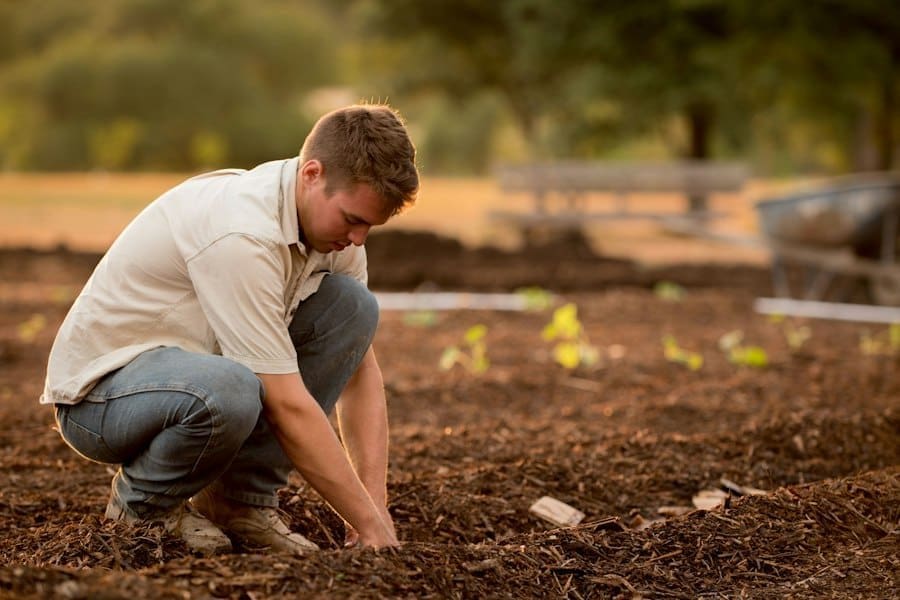
Beyond the mental and emotional benefits, gardening has become an integral part of my physical fitness routine and has dramatically improved my dietary habits. It's an enjoyable way to stay active, and the fresh, organic produce I harvest is a game-changer for my health.
+ Join Our Writing Community for FREE
Chain Story Online
Fun, free, flash fiction writing with writers just like you. You have ~100 words to begin a story or continue a story and make it yours.
Story Bible Studio
Digital space for writers to plot, plan, and build better stories. Designed by writers for writers. Your final draft awaits.
A Full-Body Workout in the Garden
Many people don't realize that gardening is a legitimate form of exercise. I certainly didn't at first. Digging, bending, lifting bags of soil, raking, and carrying water cans all engage different muscle groups. I often break a sweat while working in my garden, and I can feel the effects in my core, arms, and legs. It's a low-impact activity that I can tailor to my energy levels, and it never feels like a chore.
Unlike a sterile gym environment, my garden offers fresh air, natural sunlight, and a constantly changing landscape. I've noticed an improvement in my flexibility and strength, and I sleep much better on days I've spent time tending my plants. It's exercise disguised as a pleasurable hobby, and for someone who used to struggle with maintaining a consistent exercise routine, this has been a revelation.
The Unparalleled Freshness of Homegrown Food
One of the most compelling reasons I started gardening was for the food, and it has exceeded all my expectations. The taste of a sun-ripened tomato picked straight from the vine or a handful of freshly washed spinach from my garden is incomparable to anything I can buy in a store. There's a depth of flavor and a vibrant freshness that mass-produced produce simply cannot match. This isn't just about taste; it's about nutrition. When I harvest my own vegetables, I know exactly where they came from and what went into growing them. I avoid pesticides and harmful chemicals, ensuring that my family and I are consuming the purest, most nutrient-dense food possible.
Diversifying My Diet and Encouraging Healthier Choices
My garden has encouraged me to experiment with a wider variety of vegetables and fruits. I've planted heirloom varieties that aren't available in supermarkets, discovering new flavors and textures. This diversity has enriched my diet, ensuring I get a broader spectrum of vitamins, minerals, and antioxidants. Knowing the effort that goes into growing each item also makes me more conscious of food waste.
I'm more likely to utilize every part of the plant and get creative with recipes to ensure nothing goes to waste. My children, who were once picky eaters, are now more enthusiastic about trying vegetables because they've been involved in the growing process. They’ve seen the tiny seeds transform into edible treasures, making them more invested in eating what they've helped cultivate.
Fostering Connection and Community
My gardening journey has also unexpectedly opened doors to new social connections and a deeper sense of community. What started as a solitary pursuit has branched out into meaningful interactions with like-minded individuals.
Sharing the Bounty and Building Relationships
One of the most heartwarming aspects of growing my own food is the opportunity to share it. I often find myself with an abundance of certain crops, and there’s immense joy in sharing my surplus with neighbors, friends, and family. It’s a simple act of generosity that fosters goodwill and strengthens bonds. I've received delicious homemade jams and baked goods in return, creating a wonderful cycle of sharing and appreciation. These exchanges aren’t just about food; they're about building relationships, demonstrating care, and celebrating the abundance of nature together. It’s a genuine connection that feels increasingly rare in our often-isolated modern lives.
Learning from and Contributing to the Community Garden
When I first joined a community garden, I was a novice. I learned so much from the more experienced gardeners around me. They shared their knowledge about soil amendments, pest control, and optimal planting times. I've spent countless hours chatting with fellow gardeners, swapping tips, seeds, and stories. This shared passion creates an instant camaraderie. We celebrate each other's successes and offer support during challenges.
I've also found myself in the position of being able to share my own accumulated knowledge with newer gardeners, which is a truly satisfying experience. This reciprocal learning environment is invaluable and has made me feel like an active and contributing member of a vibrant local community. It's a place where diverse backgrounds converge over a common love for the earth and its produce.
Bridging Generations and Cultivating Empathy
Gardening offers a unique opportunity to bridge generational gaps. I’ve seen older gardeners patiently teach younger ones how to properly prune a rose bush, sharing wisdom passed down through generations. Conversely, younger gardeners often introduce innovative techniques or new plant varieties. This intergenerational exchange is enriching for everyone involved. Furthermore, tending to living things, understanding their needs, and observing their growth cycles fosters a deep sense of empathy. I’ve become more attuned to the natural world, more appreciative of the intricate balance of ecosystems, and more aware of my role in sustaining them. This broadened perspective extends to human relationships, encouraging a more compassionate and understanding outlook.
Gardening for wellbeing is a fascinating topic that highlights the numerous benefits of growing your own food, not just for nutrition but also for mental health. Engaging with nature and nurturing plants can significantly reduce stress and promote a sense of accomplishment. For those interested in exploring the connection between outdoor activities and mental wellness, a related article discusses the invigorating experience of hiking, particularly the journey to the summit of Nephin. You can read more about this refreshing adventure in the article Conquering Nephin: A Walk to the Summit.
If you're looking for a collaborative writing platform, check out Chain Story Online. It's a great way to connect with other writers and create stories together. Many users have found inspiration and creativity through Chain Story Online.
Environmental Stewardship and Sustainability
As I delved deeper into growing my own food, my awareness of environmental issues naturally sharpened. Gardening has transformed me into a more conscious consumer and a more active steward of the environment.
Reducing My Carbon Footprint
By growing my own produce, I significantly reduce my carbon footprint. I eliminate the need for transportation from distant farms, often across continents, which burns fossil fuels and contributes to air pollution. There's no refrigeration or packaging waste associated with my homegrown food. I simply walk a few steps to my garden and harvest what I need. This direct, farm-to-table (or rather, garden-to-plate) approach is the epitome of sustainable eating. It's a small but meaningful way I contribute to a healthier planet, and it makes me feel empowered to make a positive impact.
Promoting Biodiversity and Supporting Local Ecosystems
My garden is a buzzing hub of activity. I see bees, butterflies, and other beneficial insects flitting among my flowers and vegetable plants. By choosing to grow a diverse array of heirloom varieties and native plants, I am actively contributing to local biodiversity. I avoid chemical pesticides and herbicides, opting for natural pest control methods, which protects pollinators and other essential creatures. I've created a mini-ecosystem in my backyard that supports not just my family, but also the local wildlife. Knowing that my efforts are helping to sustain these vital creatures brings me immense satisfaction and a deeper connection to the natural world around me.
Understanding the Cycle of Life and Resource Management
Gardening has given me a profound appreciation for the cycle of life and the preciousness of resources. I compost all my kitchen scraps and garden waste, turning what would otherwise be trash into nutrient-rich soil for my plants. This closed-loop system is incredibly satisfying. I collect rainwater to irrigate my garden, reducing my reliance on municipal water sources. I’ve learned about soil health, water conservation, and the importance of healthy ecosystems. This practical understanding of resource management extends beyond my garden, influencing my choices as a consumer and my overall approach to living sustainably. I've become more mindful of consumption, waste, and the impact my actions have on the environment.
In exploring the many benefits of engaging in gardening for wellbeing, it's interesting to consider how remote work can also impact our mental health and productivity. A related article discusses the balance between the advantages and challenges of working from home, highlighting how activities like gardening can serve as a refreshing break from screen time. You can read more about this in the article on remote work and its implications for our daily lives. For further insights, check out this exploration of remote work.
A Continuous Journey of Learning and Growth
My journey into gardening for wellbeing is far from over; it’s an ongoing process of learning, experimenting, and growing, much like the plants themselves. Every season brings new challenges and new triumphs, and with them, new lessons.
Embracing Experimentation and Problem-Solving
I've learned to view gardening as a grand experiment. Each year, I try new plant varieties, experiment with different planting techniques, and observe the results. Not everything works out, and that's okay. When a plant struggles, I research potential causes – is it a nutrient deficiency? A pest problem? Too much or too little water? This problem-solving aspect is intellectually stimulating. It encourages critical thinking and a willingness to adapt. I've become adept at identifying plant diseases, understanding soil pH, and even forecasting local weather patterns with a newfound interest. This continuous learning keeps my mind engaged and prevents complacency.
The Therapeutic Power of Observation
One of the most undervalued aspects of gardening, for me, is the simple act of observation. I spend time just watching my plants grow. I marvel at the intricate details of a flower bud unfolding, the delicate dance of a bee pollinating a squash blossom, or the slow, steady transformation of a tiny seed into a food-bearing plant. These moments of quiet observation are incredibly grounding and therapeutic. They remind me of the beauty and resilience of nature, and how much there is to appreciate in the everyday. It's a powerful antidote to the fast-paced, often overwhelming demands of modern life, a reminder to slow down and truly see the world around me.
Cultivating Self-Reliance and Resilience
Growing my own food has instilled in me a profound sense of self-reliance. While I don't grow everything I eat, knowing that I can produce a significant portion of my family's food provides a deep sense of security and empowerment. It's a tangible skill that connects me to our ancestors and reminds me of the fundamental human connection to the land. This self-reliance also fosters resilience.
Final Thoughts on Gardening for Wellbeing
When I face a challenge in my garden, I don't give up; I find a solution. This mindset has permeated other aspects of my life, making me more confident in my ability to overcome obstacles. My garden is not just a source of food; it's a testament to my capacity for growth, adaptation, and sustained effort. It’s a living classroom where I learn new things every single day, and for that, I am eternally grateful.
Related reading: Loneliness and Health: Why Connection Matters · The Mental Health Benefits of Walking
Enda Storrie is a writer and the creator of Story Bible, the planning journal and app for writers, and Chain Story Online, a free collaborative storytelling platform.