A home workout with no equipment: a 20-minute bodyweight plan for strength and fitness that fits into any day, any room.
The Unveiling of My Home Workout Journey
For years, my fitness routine felt intrinsically linked to a gym membership. The clanking of weights, the hum of treadmills, the sheer variety of machines – it all contributed to what I perceived as a "proper" workout. Then, life happened. A demanding work schedule, a new baby, and the constant juggling act of modern existence meant that carving out time to travel to and from the gym became an almost insurmountable hurdle. My fitness began to suffer. I felt sluggish, my energy levels plummeted, and the once-firm resolve to stay active started to crumble under the weight of daily responsibilities. This is where my journey into the world of no-equipment home workouts truly began.
I wasn't looking for a quick fix or a magic bullet. What I desperately needed was a sustainable, effective routine that fit seamlessly into my chaotic life. The idea of a 20-minute workout, performed in the comfort of my living room, initially seemed too good to be true. Could such a short, equipment-free session genuinely make a difference? Skepticism, I admit, was my primary emotion.
However, as I delved deeper into the possibilities, researching bodyweight exercises and understanding the principles of high-intensity interval training (HIIT), a glimmer of hope emerged. I realized that my previous assumptions about fitness were limiting; a gym wasn't a prerequisite for progress. My living room, with its limited space and lack of fancy apparatus, could indeed become my personal fitness sanctuary. This article details my personal 20-minute no-equipment workout plan, born from necessity and refined through consistent practice, proving that effective fitness is accessible to anyone, anywhere.
If you're looking for an effective way to stay fit without the need for gym equipment, check out the article on "Home Workout With No Equipment: A 20-Minute Plan." This guide offers a variety of exercises that can be done in the comfort of your home, making it easy to incorporate fitness into your daily routine. Additionally, if you're interested in exploring the great outdoors as a form of exercise, you might find inspiration in this related article about hiking: Conquering Nephin: A Walk to the Summit, which details a scenic hike that can also serve as a fantastic workout.
The Foundational Principles of My Equipment-Free Regimen
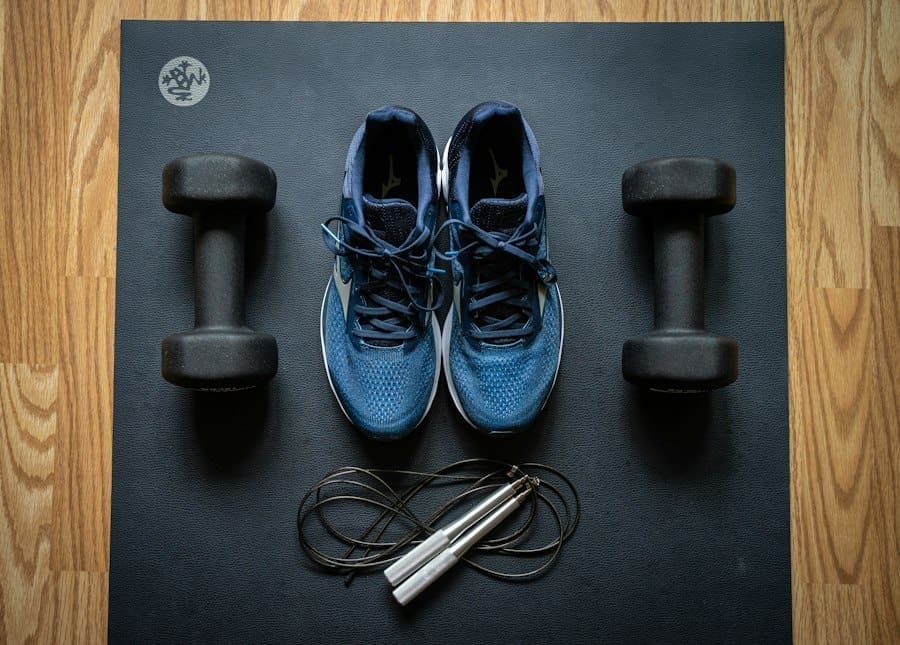
Before diving into the specific exercises, I want to share the core philosophies that underpin my 20-minute no-equipment workout. These principles are what transformed my initial skepticism into genuine enthusiasm and, more importantly, delivered tangible results. I firmly believe that understanding these concepts is crucial for anyone embarking on a similar fitness journey. It's not just about doing the movements; it's about how and why you do them.
Maximizing Efficiency with Bodyweight Training
The beauty of bodyweight training lies in its simplicity and effectiveness. My own body became my gym. I discovered that by cleverly manipulating factors like leverage, tempo, and range of motion, I could create exercises that were just as challenging, if not more so, than those requiring external weights. There’s a certain primal satisfaction in mastering control over your own body, moving it through space with strength and precision.
Furthermore, bodyweight exercises often engage multiple muscle groups simultaneously, leading to greater overall strength and improved functional fitness – the kind of strength that helps with everyday tasks, not just lifting heavy objects in a gym. I learned to appreciate the subtle differences in a squat performed with perfect form versus one done carelessly, understanding that each repetition had the potential to build true strength and stability.
The Power of High-Intensity Interval Training (HIIT)
For someone with limited time, HIIT became my secret weapon. The concept is straightforward: short bursts of intense exercise followed by brief recovery periods. This approach allows me to pack a significant punch into a mere 20 minutes. My heart rate soars, my muscles burn, and I feel a profound sense of accomplishment in a fraction of the time it would take for a traditional steady-state cardio session.
The post-exercise metabolic boost, often referred to as the "afterburn effect," is an added bonus, meaning my body continues to burn calories even after I’ve finished my workout. This efficiency is what made the 20-minute commitment truly viable for my lifestyle. I found that pushing myself hard for those short intervals was much more manageable than trying to sustain a moderate pace for an hour.
Prioritizing Proper Form and Mind-Muscle Connection
This is perhaps the most critical principle for me. Without equipment, the temptation might be to rush through exercises, but I quickly learned that sacrificing form for speed is a recipe for injury and ineffective training. Every single rep, every single movement, is an opportunity to strengthen my body. I focus intently on engaging the correct muscles, feeling the contraction, and maintaining control throughout the entire range of motion.
This "mind-muscle connection" not only prevents injury but also significantly enhances the effectiveness of each exercise. It turns a seemingly simple movement, like a push-up, into a powerful full-body engagement. I often perform exercises in front of a mirror (or even record myself) to ensure my form is impeccable. This attention to detail has been a game-changer for my progress and confidence.
My 20-Minute No-Equipment Workout Plan: The Breakdown
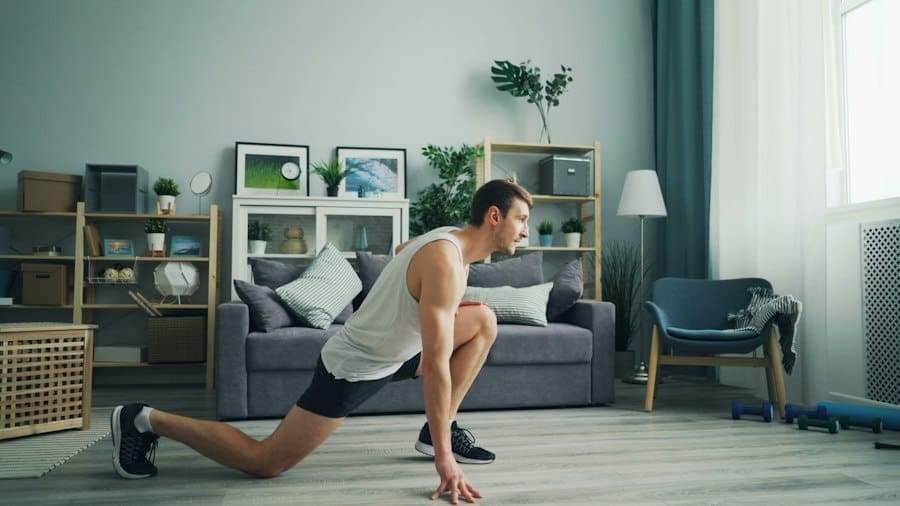
This is the core of my routine, carefully curated and tested. I've broken it down into a warm-up, the main circuit, and a cool-down, ensuring a complete and effective session within the 20-minute timeframe. Remember, the goal is to move efficiently and with intention.
+ Join Our Writing Community for FREE
Chain Story Online
Fun, free, flash fiction writing with writers just like you. You have ~100 words to begin a story or continue a story and make it yours.
Story Bible Studio
Digital space for writers to plot, plan, and build better stories. Designed by writers for writers. Your final draft awaits.
Dynamic Warm-up (2 Minutes)
I always start with a dynamic warm-up to prepare my body for the exertion ahead. This isn't about static stretching; it's about gentle movement that increases blood flow, lubricates my joints, and activates my muscles. Skipping the warm-up, I've learned, often leads to feeling stiff and less agile during the main workout.
- Arm Circles (30 seconds): I start with small forward circles, gradually increasing the size, then reverse for backward circles. This gets my shoulders and upper back ready.
- Leg Swings (30 seconds per leg): Holding onto a wall or chair for balance, I swing one leg forward and backward, then side to side. This warms up my hips and hamstrings.
- Torso Twists (30 seconds): Standing with feet shoulder-width apart, I gently twist my torso from side to side, keeping my hips relatively stable. This awakens my core and spine.
- High Knees (30 seconds): A light jog in place, bringing my knees up towards my chest. This elevates my heart rate and gets my lower body firing.
Main Circuit (16 Minutes – 2 Rounds)
This is where the magic happens. I perform each exercise for 45 seconds, followed by a 15-second rest period to transition to the next exercise. Once I complete all eight exercises, that constitutes one round. I then take a 60-second break before diving into the second round. Two rounds fit perfectly into my 16-minute slot, offering a full-body challenge.
- Squats (45 seconds work, 15 seconds rest): I focus on keeping my chest up, back straight, and pushing my hips back as if sitting in a chair. My knees track over my toes, and I aim for at least parallel thighs. This targets my glutes, quads, and core.
- Push-ups (45 seconds work, 15 seconds rest): I start in a plank position, hands slightly wider than shoulder-width. I lower my chest towards the floor, keeping my body in a straight line, then push back up. If a full push-up is too challenging, I modify by doing them on my knees or against a wall. This is excellent for chest, shoulders, and triceps.
- Lunges (alternating legs) (45 seconds work, 15 seconds rest): I step forward with one leg, lowering my hips until both knees are bent at approximately 90-degree angles. My front knee stays behind my toes, and my back knee hovers just above the floor. I push off the front foot to return to standing, then alternate legs. This works my quads, hamstrings, and glutes, and challenges my balance.
- Plank (45 seconds work, 15 seconds rest): I hold myself up on my forearms and toes, keeping my body in a straight line from head to heels. I actively engage my core, squeezing my glutes and drawing my navel towards my spine. This is a phenomenal exercise for core strength and stability.
- Glute Bridges (45 seconds work, 15 seconds rest): Lying on my back with knees bent and feet flat on the floor close to my glutes, I lift my hips off the floor until my body forms a straight line from shoulders to knees. I squeeze my glutes at the top and lower with control. This isolates and strengthens my glutes and hamstrings.
- Triceps Dips (45 seconds work, 15 seconds rest): Using a sturdy chair or bench, I place my hands shoulder-width apart on the edge, fingers pointing forward. I lower my body by bending my elbows, keeping them close to my body, until my upper arms are parallel to the floor, then push back up. This effectively targets my triceps.
- Jumping Jacks (45 seconds work, 15 seconds rest): A classic cardio booster. I jump my feet out to the sides while raising my arms overhead, then jump back to the starting position. This gets my heart rate up and works my entire body.
- Bicycle Crunches (45 seconds work, 15 seconds rest): Lying on my back, I place my hands behind my head. I bring one knee towards my chest while simultaneously lifting my opposite shoulder off the floor and twisting to touch my elbow to that knee. I alternate sides in a cycling motion. This is fantastic for my obliques and rectus abdominis.
Cool-down and Stretching (2 Minutes)
Just as important as the warm-up, the cool-down helps my body transition back to a resting state, improves flexibility, and can reduce muscle soreness. I hold each stretch for about 20-30 seconds.
- Quad Stretch (30 seconds per leg): Standing tall, I grab one ankle and gently pull my heel towards my glutes, keeping my knees together. I feel the stretch in the front of my thigh.
- Hamstring Stretch (30 seconds per leg): Sitting on the floor with one leg extended and the other bent with the sole of my foot against my inner thigh, I reach towards my extended foot, keeping my back straight.
- Child's Pose (30 seconds): Kneeling on the floor, I sit my hips back onto my heels and extend my arms forward, resting my forehead on the mat. This is a gentle stretch for my back and shoulders.
- Figure-Four Stretch (30 seconds per side): Lying on my back, I cross one ankle over the opposite knee. I then gently pull the uncrossed leg towards my chest, feeling the stretch in my glute and outer hip.
Sustaining Motivation and Adapting the Routine
Consistency is undeniably the most challenging aspect of any fitness journey. I’ve had my share of days where the couch looked far more appealing than a series of push-ups. However, over time, I've developed strategies to keep myself motivated and to adapt this 20-minute plan to continue challenging myself.
Overcoming Internal Resistance
The biggest hurdle for me is often just starting. I've found that setting a specific time for my workout and treating it like any other important appointment helps immensely. I don't "think" about exercising; I simply do it. Another trick I employ is having my workout clothes ready the night before. This eliminates any mental friction in the morning.
On days when I feel particularly unmotivated, I remind myself that 20 minutes is a short commitment, and I always feel better afterward. The positive feeling of accomplishment and increased energy invariably outweighs the initial reluctance. I also track my progress, not just in terms of repetitions, but also in how I feel during and after the workout. Seeing tangible improvements, even small ones, fuels my desire to continue.
Progressive Overload Without Equipment
One of the common misconceptions about bodyweight training is that you can't achieve progressive overload, which is essential for continued strength gains. I've discovered this to be completely untrue. There are numerous ways to make exercises more challenging without adding external weight.
- Increasing Repetitions/Duration: The most straightforward method. If I can comfortably do 10 push-ups, I aim for 12, then 15, and so on. Similarly, extending the work interval from 45 seconds to 50 seconds can make a big difference.
- Decreasing Rest Periods: Shortening the 15-second rest between exercises or the 60-second break between rounds forces my body to work harder and improves my cardiovascular endurance.
- Improving Form and Range of Motion: Performing exercises with impeccable form and through a full, controlled range of motion is often much harder than doing them sloppily. For instance, a push-up where my chest truly touches the floor is far more challenging than a shallow one.
- Adding Variations and Plyometrics: Once standard exercises become easy, I introduce more challenging variations. For example, instead of regular squats, I might do jump squats. Instead of regular push-ups, I might try plyometric push-ups (where my hands briefly leave the ground). Single-leg variations, like pistol squats (modified if needed), also significantly increase the difficulty.
- Manipulating Tempo: Slowing down the eccentric (lowering) phase of an exercise, or pausing at the most challenging point, increases time under tension, leading to greater muscle engagement and strength. For example, a 3-second lower on a squat or push-up.
Listening to My Body and Adapting as Needed
While consistency is key, so is flexibility. Some days, my body just isn't up for a high-intensity session. On those days, I don't push through pain. Instead, I modify the workout. I might reduce the intensity, opt for more recovery-focused movements, or even take an active rest day with a brisk walk. The goal is long-term health, not short-term heroics that lead to burnout or injury.
I've also learned that the 20-minute framework is highly adaptable. If I have an extra 5 minutes, I might add another round or dedicate more time to stretching. If I'm pressed for time, I might shorten the rest intervals slightly. This adaptability has been crucial in making fitness a sustainable part of my life, rather than a rigid chore.
If you're looking to enhance your fitness routine without the need for any equipment, you might find inspiration in a related article that offers a comprehensive guide to effective bodyweight exercises. This resource provides valuable insights on how to maximize your workouts at home, making it easier to stay active and healthy. You can check it out for more tips on creating a balanced fitness plan at Enda Storrie.
If you're looking for a collaborative writing platform, check out Chain Story Online. It's a great way to connect with other writers and create stories together. Many users have found inspiration and creativity through Chain Story Online.
Beyond the Workout: Complementary Habits for Holistic Fitness
While my 20-minute no-equipment workout forms the cornerstone of my physical activity, I've realized that true fitness is a multifaceted endeavor. The benefits of those 20 minutes are amplified exponentially when complemented by other healthy habits. It’s a holistic approach that truly transformed how I feel and perform day-to-day.
Nutritional Support for Energy and Recovery
I quickly understood that I couldn't out-train a poor diet. Fueling my body properly became just as important as performing the exercises. I prioritize whole, unprocessed foods: plenty of fruits, vegetables, lean proteins, and complex carbohydrates. I focus on adequate hydration throughout the day, as water is essential for everything from energy levels to muscle function.
After my workouts, I make sure to consume a balance of protein and carbohydrates to aid in muscle repair and replenish glycogen stores. This doesn't mean strict dieting; it means making conscious, healthy choices most of the time. The difference in my energy levels and recovery, once I started paying close attention to my nutrition, was remarkable. My muscles felt less fatigued, and I had more vitality for both my workouts and my daily tasks.
Prioritizing Adequate Sleep
Sleep is, in my opinion, the unsung hero of fitness. For a long time, I viewed sleep as a luxury rather than a necessity. However, with the added demands of workouts and a busy life, I quickly learned that insufficient sleep sabotaged my progress. When I'm well-rested, I have more energy for my workouts, my focus is sharper, and my recovery is much more efficient.
Conversely, a night of poor sleep leaves me sluggish, prone to skipping workouts, and craving unhealthy foods. I now aim for 7-8 hours of quality sleep each night, treating it with the same importance as my exercise routine. Creating a consistent bedtime routine and ensuring my bedroom is dark and cool has significantly improved my sleep quality, which in turn has had a profound positive impact on my fitness and overall well-being.
Incorporating Active Recovery and Mindfulness
My 20-minute intense workouts are crucial, but so are periods of active recovery and mental well-being. On my "off" days from the circuit, I often go for a brisk walk or a light jog, or engage in some gentle yoga or stretching. This helps with blood circulation, reduces muscle stiffness, and keeps my body moving without overtaxing it. Beyond physical recovery, I've also integrated mindfulness practices into my daily life.
Final Thoughts on Home Workout With No Equipment
Taking a few minutes each day for deep breathing, meditation, or simply quiet reflection helps manage stress, which in turn positively impacts my energy, sleep, and overall health. I’ve found that a calm mind is just as important as a strong body, and these practices help me stay grounded and focused, making me more resilient to the stresses of daily life and more consistent with my healthy habits.
Related reading: Strength Training Over 40: Why It Matters and How to Start · Staying Fit: The Importance of Keeping Active
Enda Storrie is a writer and the creator of Story Bible, the planning journal and app for writers, and Chain Story Online, a free collaborative storytelling platform.