Seasonal eating in Ireland month by month: what fruit and veg are fresh, why it tastes better, costs less and helps local growers.
The Allure of Ireland's Seasonal Bounty
As I stand on the edge of my garden, watching the rain-kissed leaves dance, I often find myself reflecting on the deep connection between food, place, and time. In Ireland, this connection feels particularly potent, a rhythmic dance with nature that has shaped our culinary traditions for centuries.
For me, embracing seasonal eating isn't just a trend; it's a way of life, a commitment to freshness, flavour, and sustainability that resonates deeply with my Irish heritage. It’s about more than just what’s on my plate; it’s about understanding the land, supporting local producers, and experiencing the true taste of each passing month. I believe that by tuning into the natural cycles of our produce, we can unlock a whole new dimension of flavour and nutrition that packaged, out-of-season goods simply cannot offer.
I’ve always been drawn to the vibrant colours and aromas of a farmers’ market, a kaleidoscope of what the season has to offer. It’s here that I connect with the hardworking individuals who nurture the earth, whose passion for their craft is palpable in every crisp apple or earthy potato. For me, each visit is an education, a chance to learn about new varieties, understand growing cycles, and discover innovative ways to incorporate seasonal ingredients into my cooking.
This journey of discovery has not only enriched my palate but has also deepened my appreciation for the intricate web of life that sustains us. It's a mindful approach to eating, one that encourages me to slow down, savour each bite, and truly understand where my food comes from. I often find myself experimenting with traditional Irish recipes, adapting them to highlight the freshest ingredients available, creating meals that are both familiar and exciting. This exploration of our culinary heritage, coupled with a commitment to seasonal eating, forms the cornerstone of my approach to food.
Why I Embrace Seasonal Eating
For me, the reasons to embrace seasonal eating in Ireland are manifold. Firstly, the flavour is simply unparalleled. A strawberry picked in July, bursting with sweet juiciness, bears no resemblance to its pale, flavourless cousin imported in December. Eating with the seasons means enjoying produce at its peak ripeness, when it has developed its full flavour profile and nutritional value. I often find myself marveling at the intensity of taste in a freshly dug potato or the vibrant sweetness of a carrot pulled straight from the soil. This heightened sensory experience makes cooking and eating a much more joyful and satisfying affair for me.
Secondly, it's about supporting my local community and the environment. When I choose seasonal produce, I'm invariably choosing locally grown produce. This reduces food miles, which in turn lowers carbon emissions and helps to protect our precious environment. Moreover, I'm directly supporting Irish farmers and growers, helping to sustain their livelihoods and preserve the rich agricultural landscape of our country. I feel a sense of pride knowing that my choices contribute to a more resilient and sustainable food system right here at home. It’s a small but significant way for me to make a positive impact.
Finally, there's the economic benefit. Seasonal produce, particularly when bought directly from farmers or at local markets, often comes at a more affordable price. The abundance of a particular crop at its peak season means lower production costs for farmers, which is then reflected in the price I pay. This allows me to enjoy high-quality, nutritious food without breaking the bank, a factor that is increasingly important in our modern lives. I find that this economic advantage encourages me to be more creative in the kitchen, finding new and exciting ways to incorporate seasonal gluts into my weekly meals.
For those interested in exploring the benefits of seasonal eating in Ireland, a related article that delves into the importance of sourcing local produce is available at this link: Enda Storrie's Shop. This resource highlights various seasonal ingredients and offers insights into how they can enhance your culinary experiences throughout the year. By embracing seasonal eating, you not only support local farmers but also enjoy fresher and more flavorful meals.
A Month-by-Month Guide to Ireland's Larder
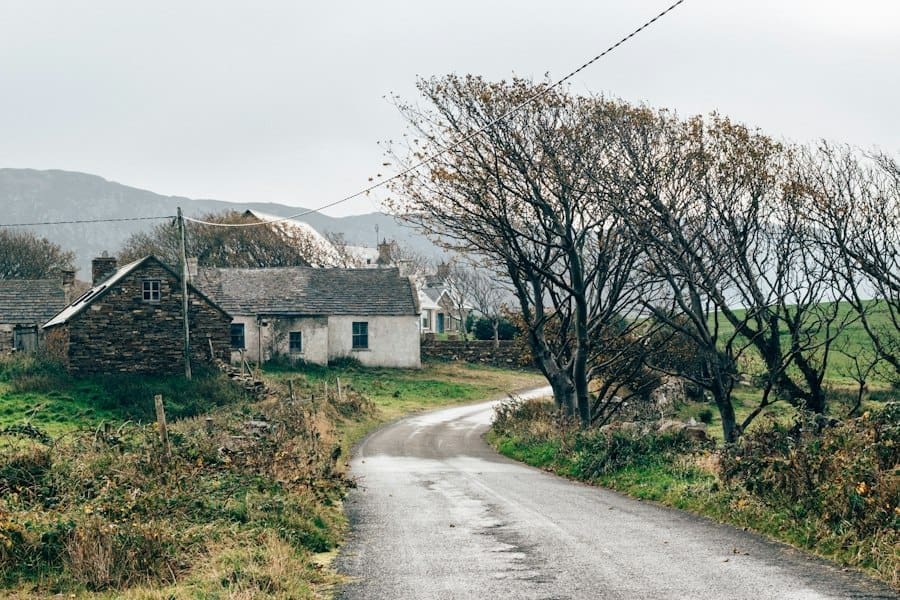
As I navigate the culinary calendar of Ireland, I find myself anticipating each new month with a sense of excitement, eager to discover what fresh delights it will bring. This month-by-month journey through our seasonal produce is not just a practical guide; it’s a celebration of nature’s rhythm and the rich tapestry of flavours that unfold throughout the year.
January: A Time for Hearty Roots and Winter Greens
January, for me, is a month of hearty, comforting flavours. The landscape might be stark, but the larder is far from empty. I often turn to root vegetables like parsnips, swede (rutabaga), and carrots, which have been sweetened by the winter frosts. These form the backbone of many warming stews and roasts that I enjoy during this chilly month. I also find myself reaching for robust greens like kale and Brussels sprouts, which stand up well to cooking and provide essential nutrients during the colder days. Apples, stored from the autumn harvest, remain a versatile staple for baking and snacking. For a taste of the sea, mussels are often plentiful and incredibly fresh.
February: Emerging Greens and Early Shoots
February, for me, marks the subtle turning of the year, a gentle shift towards spring. While still very much a winter month, I start to see glimpses of new life. Purple sprouting broccoli begins to make an appearance, offering a vibrant burst of colour and flavour. Leeks continue to be abundant and versatile, forming the basis of many comforting soups and gratins. I also enjoy the last of the stored apples and pears, savouring their sweetness before the new season’s fruits arrive. On the coast, native oysters are often at their peak, a true delicacy that I occasionally treat myself to.
March: The Promise of Spring's First Fruits
March brings a palpable sense of anticipation. For me, it’s a month of exciting new arrivals. Rhubarb is often the first "fruit" of the spring, its tartness a welcome counterpoint to the heavier winter fare. I love making crumbles and pies with it. Spring cabbage and spinach also start to come into their own, offering fresh, crisp textures. New season potatoes, though perhaps not as widely available as later in the year, can sometimes be found, a true harbinger of warmer days. Wild garlic, foraged from hedgerows, adds a pungent, earthy flavour to my cooking that I adore.
Seasonal eating in Ireland not only enhances the flavor of meals but also supports local farmers and promotes sustainability. For those interested in exploring the breathtaking landscapes that accompany Ireland's seasonal bounty, a related article on conquering Nephin offers a perfect blend of adventure and appreciation for nature. You can read more about this inspiring hike and its stunning views by visiting conquering Nephin. Embracing both seasonal produce and the great outdoors can lead to a richer, more fulfilling lifestyle.
April: A Burst of Green and Tender Lamb
April, for me, is truly when spring arrives in full force. The fields are vibrant with new growth, and my kitchen reflects this abundance. Asparagus, with its delicate flavour and tender spears, is a star of the month. I often simply steam it and serve with butter. Tenderstem broccoli continues to be a favourite, alongside spring onions and radishes, which add a peppery crunch to salads. Lamb, especially new season lamb, is also a culinary highlight, perfectly paired with the fresh greens. I also start to see more variety in my salad leaves, which is always a welcome change.
+ Join Our Writing Community for FREE
Chain Story Online
Fun, free, flash fiction writing with writers just like you. You have ~100 words to begin a story or continue a story and make it yours.
Story Bible Studio
Digital space for writers to plot, plan, and build better stories. Designed by writers for writers. Your final draft awaits.
May: Summer's Gentle Introduction
May, in my experience, feels like the gentle introduction to summer. The days grow longer, and the produce becomes even more varied. Broad beans, with their unique texture and flavour, are a joy to shell and cook. I often pair them with mint. New potatoes are now widely available, their earthy sweetness a delight. Salad leaves are plentiful, and I find myself making vibrant, colourful salads every day. Rhubarb is still going strong, allowing for more dessert experiments. I also start to see the first of the Irish strawberries, a truly special moment.
June: The Peak of Early Summer Delights
June, for me, is a glorious month for produce. Strawberries are abundant and at their absolute best – I could eat them by the punnet! New potatoes are still excellent, and I often use them for potato salads or simply boiled with butter and chives. Asparagus continues to be in season, alongside peas, which are a true summer treat. The first of the Irish tomatoes begin to ripen, offering a taste of sunshine. Courgettes (zucchini) also start to appear, versatile for grilling, frying, or baking. I also love the freshness of summer cabbage and the crispness of cucumbers.
July: Berry Bonanza and Garden Goodness
July is, in my opinion, a true feast for the senses. It’s the height of berry season, and I find myself indulging in raspberries, blueberries, and blackcurrants – perfect for desserts, breakfasts, or simply eaten fresh. Broad beans and peas are still excellent, and the first of the runner beans make an appearance. Irish tomatoes are now in full swing, bursting with flavour, and I use them in everything from salads to sauces. Beetroot, both golden and purple, adds vibrant colour and earthy sweetness to my meals. Courgettes and cucumbers are plentiful, as are a wide variety of salad leaves.
August: Abundance and the First Hints of Autumn
August, for me, represents the peak of summer’s bounty before the subtle shift towards autumn begins. Blackberries start to ripen, perfect for crumbles and jams, often foraged from hedgerows near my home. Sweetcorn is a delightful summer treat, often enjoyed simply boiled or grilled. Runner beans and French beans are at their best, and the last of the excellent Irish tomatoes are picked. Plums also begin to appear, offering a sweet and juicy snack. Marrow, a larger cousin of the courgette, is also available for those who enjoy its mild flavour.
September: The Harvest Moon's Rich Offerings
September, for me, is a truly abundant month, signaling the full glory of the harvest. Apples are plentiful, ranging from crisp eating apples to cooking varieties perfect for pies. Pears also come into season, offering a delicate sweetness. Root vegetables like carrots, parsnips, and potatoes are readily available, forming the basis of comforting autumn meals. Cabbage varieties are numerous, and I find myself experimenting with different types. Wild mushrooms, if I’m lucky enough to find them, add a wonderful earthy dimension to my cooking. This is a time for preserving and making the most of the last of summer’s warmth.
October: A Celebration of Roots and Orchard Fruits
October, in my eyes, is a beautiful month, with the landscape ablaze in autumn colours and the produce reflecting this rich palette. Pumpkins and squash become readily available, perfect for soups, roasting, and of course, Halloween decorations. Apples and pears continue to be abundant and delicious. Root vegetables like potatoes, carrots, parsnips, and swede are at their peak, providing warmth and sustenance as the days shorten. Brussels sprouts begin to make their appearance, a welcome addition to the cooler weather meals. I often find myself making hearty gratins and roasts during this time.
November: Comforting Flavours for Cooler Days
November, for me, is a month of hearty, comforting flavours that truly embrace the chill in the air. Cabbage and kale continue to be excellent, providing robust greens for stews and stir-fries. Brussels sprouts are now in full swing, and I often roast them with bacon or chestnuts. Leeks are abundant, perfect for soups and casseroles. Apples and pears, stored from the autumn harvest, remain a staple, providing sweetness for desserts and snacks. Root vegetables like parsnips, swede, and potatoes are still excellent, forming the core of many warming dishes.
December: Festive Feasts and Winter Warmers
December, for me, is a month for celebration and indulging in seasonal delights. While fresh produce might be less varied, the quality of what’s available is exceptional. Brussels sprouts and parsnips are essential for Christmas dinner, often roasted to perfection. Cabbage and leeks remain excellent and versatile. Stored potatoes, carrots, and swede form the backbone of many festive meals. Apples and pears are still going strong, perfect for spiced mulled fruit or warm crumbles. I often find myself incorporating seasonal herbs like sage and rosemary into my festive cooking, adding depth and aroma to my dishes.
Integrating Seasonal Eating into My Daily Life
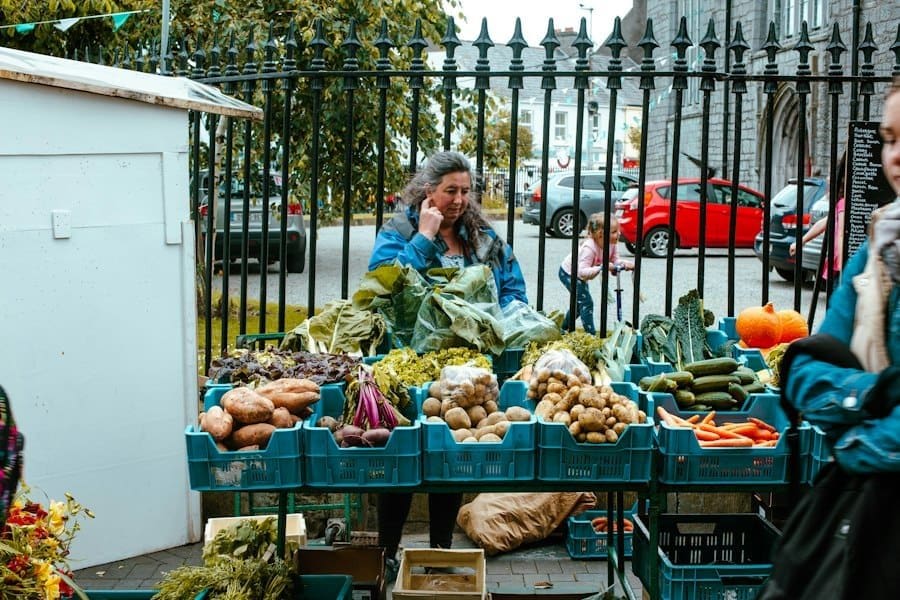
For me, integrating seasonal eating into my daily life isn't just about knowing what's available; it's about actively seeking it out and making conscious choices that align with the rhythm of the year. It’s a journey of discovery and adaptation that has enriched my culinary experience immensely. I often find myself planning my meals around what’s fresh, rather than what I think I want to eat, and this approach has opened up a world of new flavours and recipes.
My Go-To Sourcing Strategies
My primary strategy for sourcing seasonal produce is a combination of direct-from-farm purchases and farmers' markets. I’m fortunate to live near a couple of excellent markets, and I make it a point to visit them weekly. This allows me to connect directly with the growers, ask about their methods, and truly understand the journey of my food. I love the vibrant atmosphere, the chance to sample new produce, and the sense of community that these markets foster.
Beyond markets, I also keep an eye out for roadside stalls and farm shops, especially when I’m exploring different parts of the country. These often offer incredibly fresh produce, sometimes picked just hours before. I've also started exploring local Community Supported Agriculture (CSA) schemes, where I receive a weekly box of whatever is in season from a local farm. This guarantees freshness and introduces me to vegetables I might not ordinarily choose, encouraging me to be more adventurous in the kitchen.
Another important aspect of my sourcing is understanding the seasons of seafood. Ireland is an island nation, and our waters are teeming with incredible fresh fish and shellfish. I make an effort to buy fish that is in season and sustainably caught, often from local fishmongers who can tell me exactly where and when the fish was landed. This ensures not only the best flavour but also supports responsible fishing practices.
Creative Cooking and Preservation Techniques
When I have an abundance of a particular seasonal ingredient, I turn to various creative cooking and preservation techniques to make the most of it. For me, this is where the real magic of seasonal eating lies – transforming fresh produce into delicious meals and ensuring that none of its goodness goes to waste.
Utilising Seasonal Gluts
When I find myself with a glut of a particular vegetable or fruit – perhaps a generous haul of courgettes in August or a bounty of apples in September – I see it as an exciting challenge rather than a problem. For courgettes, I might grate them into fritters, bake them into bread, spiralize them into pasta alternatives, or simply sauté them with garlic and herbs.
With apples, I often make large batches of applesauce, apple crumble, or chutney. I also enjoy experimenting with different varieties of cabbage, transforming them into slaws, stir-fries, or even fermenting them into sauerkraut. This approach not only prevents waste but also encourages me to be more inventive and less reliant on a fixed set of recipes.
Freezing for Future Enjoyment
Freezing is one of my go-to methods for preserving seasonal produce. I often blanch vegetables like peas, broad beans, and green beans before freezing them, ensuring they retain their vibrant colour and nutrients. Berries are perfect for freezing whole, to be enjoyed in smoothies, crumbles, or simply as a refreshing snack throughout the colder months. I also freeze batches of homemade tomato sauce or pesto made with summer basil, allowing me to savour the taste of summer long after the season has passed. This simple technique extends the enjoyment of seasonal ingredients without compromising much on flavour or nutritional value.
Jams, Pickles, and Fermentation
For more long-term preservation, I often turn to jams, pickles, and fermentation. Making strawberry or blackcurrant jam in the summer is a ritual for me, filling my pantry with little jars of sunshine that I can enjoy on toast or with scones throughout the year. Pickling vegetables like cucumbers, carrots, or even wild garlic scape provides a tangy, crunchy addition to meals. I’ve also been experimenting more with fermentation, making my own sauerkraut and kimchi from seasonal cabbage. These fermented foods are not only delicious but also offer numerous health benefits. These traditional methods connect me to a rich history of food preservation and provide a deep satisfaction in knowing that I'm making the most of every harvest.
If you're looking for a collaborative writing platform, check out Chain Story Online. It's a great way to connect with other writers and create stories together. Many users have found inspiration and creativity through Chain Story Online.
My Perspective on the Broader Impact
For me, choosing to eat seasonally in Ireland is more than just a personal preference; it's a conscious decision that ripples outwards, creating a positive impact on various levels. I genuinely believe that by making these choices, I am contributing to a healthier, more sustainable future for our island and its people. It's a commitment that aligns with my values and brings a profound sense of satisfaction.
Supporting Local Economy and Farmers
When I choose seasonal produce, I'm directly supporting Irish farmers and the local economy. This is incredibly important to me. I know that my money is going directly into the hands of the hardworking individuals who cultivate our land, rather than being siphoned off by large corporations or overseas producers. This helps to sustain rural communities, preserve traditional farming practices, and ensure that our agricultural landscape remains vibrant and productive. I've had countless conversations with farmers at markets, hearing about the challenges and triumphs of their work, and it makes me feel even more connected to the food I eat. Their dedication is inspiring, and I feel a sense of shared purpose in supporting them.
Furthermore, a strong local food system creates jobs within the community, from farm labourers to market vendors and distributors. It fosters a sense of local pride and self-sufficiency, reducing our reliance on often-fragile global supply chains. For me, it's about building resilience within our food system, ensuring that we have access to fresh, healthy food no matter what external pressures arise. I feel a tangible sense of contribution every time I fill my basket with locally grown produce.
Environmental Benefits I Observe
The environmental benefits of seasonal eating are something I feel strongly about. By choosing local and seasonal, I am significantly reducing the food miles associated with my groceries. This means fewer greenhouse gas emissions from transportation, contributing to a smaller carbon footprint. I often reflect on the energy that goes into flying in produce from thousands of miles away, and it reinforces my commitment to buying local.
Moreover, seasonal eating often means supporting farms that employ more sustainable practices. Smaller, local farms are often more attuned to the health of their soil and ecosystems, using fewer pesticides and chemicals. They are less likely to engage in monoculture, promoting biodiversity within their fields. I've noticed the vibrancy of these farms – the buzzing of bees, the diversity of plant life – and it assures me that I am making choices that are kinder to the planet. It's a personal protest against the industrialization of food and a quiet affirmation of ecological balance. The joy of knowing that my food hasn't travelled across continents, but rather just a few miles from farm to plate, is immeasurable.
Health and Well-being
From a personal health perspective, seasonal eating has transformed my well-being. I believe that food eaten at its peak ripeness is at its most nutritious. It's packed with vitamins, minerals, and antioxidants that are often diminished in produce that has been picked prematurely or stored for extended periods. I’ve noticed a significant improvement in my energy levels and overall vitality since embracing this way of eating.
Beyond the physical benefits, there’s a profound psychological aspect. Eating with the seasons encourages a greater connection to nature and its cycles. It prompts me to be more mindful about my food choices and to appreciate the abundance each season brings. There's a certain joy in anticipating the arrival of spring asparagus or summer berries, and a comfort in the hearty root vegetables of winter.
Final Thoughts on Seasonal Eating in Ireland
This mindful approach to food has reduced my food waste significantly, as I'm more inclined to use every part of a vegetable when I know how much effort went into growing it. It's a holistic approach to health, encompassing not just the nutritional content of my meals but also the joy of cooking, the connection to nature, and the support of my community.
Related reading: 5 Tips for Healthy Eating on a Budget · Meal Prep for Beginners: Save Time and Money Every Week
Enda Storrie is a writer and the creator of Story Bible, the planning journal and app for writers, and Chain Story Online, a free collaborative storytelling platform.