Learning an instrument as an adult: choosing what to play, finding lessons, practising in short bursts and why it's never too late to start.
My Journey Begins: Why Now, and Why an Instrument?
For years, the thought nagged at me. A quiet, persistent hum in the background of my adult life. "You should learn an instrument." It wasn't a sudden epiphany, but rather a slow, organic growth from various seeds planted along the way. Perhaps it was the wistful sigh I'd let out listening to a particularly moving piano piece, or the unconscious tapping of my foot to a catchy guitar riff.
As a child, I had the usual smattering of music lessons – a few months of recorder, a brief flirtation with the piano that ended abruptly when my attention span proved shorter than a half-note. Back then, it felt like a chore, another item on a busy school-day checklist. But now, as an adult, the motivation feels entirely different. It’s not about fulfilling an expectation or impressing anyone. It's about personal enrichment, a challenge, and a genuine desire to connect with music on a deeper, more intimate level.
Life as an adult can be wonderfully fulfilling, but it also often falls into predictable routines. Work, responsibilities, family – they all demand time and energy, and often, creative outlets get pushed to the side. I found myself craving something new, something that would engage a different part of my brain, something that wasn't tied to productivity metrics or deadlines. Learning an instrument presented itself as the perfect antidote to the mundane. It promised mental stimulation, a sense of accomplishment, and a pathway to self-expression I hadn’t fully explored.
There’s a certain allure to the idea of creating something beautiful with my own hands, of translating emotions into sound. Beyond the artistic appeal, I’ve read countless articles about the cognitive benefits of learning an instrument at any age – improved memory, enhanced problem-solving skills, even stress reduction. As someone who battles the occasional anxiety, the meditative aspect of focusing intently on a piece of music, of losing myself in the rhythm and melody, held significant appeal. It felt like a gentle invitation to slow down, breathe, and simply be.
The "why now" isn't a crisis or a void I'm trying to fill; it's more like a blossoming realization that there's a part of me that has been dormant, waiting for the right moment to awaken and sing. This isn't just about picking up a hobby; it's about embarking on a journey of self-discovery and joyful exploration.
If you're considering taking up an instrument as an adult, you might find valuable insights in the article "Learning an Instrument as an Adult: Where to Start." This piece offers practical tips and resources to help you embark on your musical journey. Additionally, you can explore more about personal experiences and advice related to adult learning in this related article found at Enda's Story, which shares inspiring stories of individuals who have successfully navigated the challenges of learning music later in life.
Choosing My Companion: Deciding Which Instrument is Right for Me
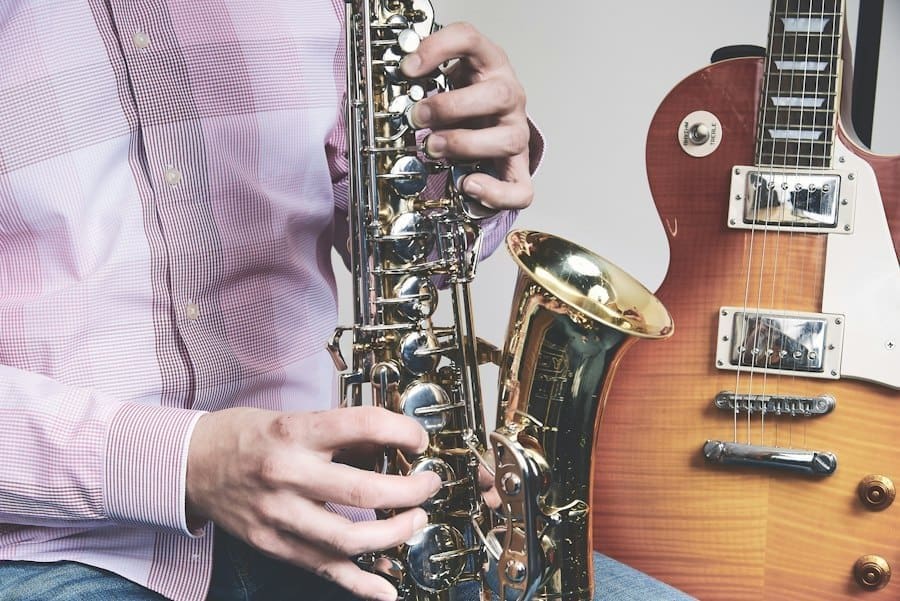
This, for me, was one of the most daunting yet exciting parts of the whole process. The sheer array of instruments available is overwhelming, each with its own unique voice, challenges, and appeal. I knew I couldn’t just pick one at random; it needed to resonate with me on some level. My initial instinct was to jump straight to the piano, given its ubiquity and the vast amount of available learning resources. However, I decided to take a step back and really consider what I wanted from this experience.
My Personal Preferences and Listening Habits
My first approach was to reflect on the music I genuinely love to listen to. Do I gravitate towards intricate classical pieces, or am I more drawn to the raw energy of rock? Do I prefer the mellow tones of folk music, or the complex harmonies of jazz? I spent a good amount of time actively listening, not just passively, but trying to identify the instruments that stood out to me. I noticed a consistent pull towards instruments that could be played solo, or at least sound complete on their own. While I admire orchestral music, I wasn't envisioning myself joining a symphony anytime soon. I wanted something that offered a degree of self-sufficiency.
I also considered the kind of sound I found most aesthetically pleasing. The warm, resonant tones of an acoustic guitar have always captivated me. The ability to sing along while playing was a big plus, as I enjoy singing and saw this as a potential synergistic skill. The piano's versatility was undeniable – its capacity to play both melody and harmony simultaneously was incredibly appealing. I also briefly considered the ukulele, known for its cheerful sound and relatively gentle learning curve, but ultimately, I felt it might not offer the long-term depth I was seeking.
Practical Considerations: Space, Cost, and Portability
Beyond personal preference, practicality played a huge role in my decision-making process. As an adult with a somewhat limited living space, a grand piano was immediately out of the question. Even a full-sized upright piano presented a significant challenge. This led me to consider digital pianos, which offer a full range of sounds and weighted keys in a more compact, portable, and often more affordable package.
Cost was another major factor. While I was willing to invest, I wasn't looking to break the bank on my first instrument, especially given that I was still in the exploratory phase. Researching starter models for various instruments became a key part of my process. I discovered that a decent beginner acoustic guitar or digital piano could be acquired without an exorbitant upfront cost, which was reassuring.
Portability was surprisingly important to me as well. While I wasn't planning on busking, the idea of being able to easily move my instrument, or even take it to a friend's house, held a certain appeal. A full-sized drum kit, for example, would have been a non-starter in this regard. The compact nature of an acoustic guitar, or even a smaller digital keyboard, fit my lifestyle much better.
Researching Learning Curves and Available Resources
Finally, I delved into the practicalities of learning. How steep was the initial learning curve for various instruments? Would I quickly feel a sense of accomplishment, or would it be a long, arduous climb before I could play anything recognizable? I looked into online tutorials, local teachers, and even communities dedicated to adult learners.
The sheer volume of online resources for both guitar and piano was impressive. YouTube channels, dedicated learning apps, online courses – it seemed like there was an endless supply of material. This was a huge comfort, as I knew that even if I couldn’t always commit to in-person lessons, I would have a wealth of knowledge at my fingertips. I also looked into the physical demands of each instrument. Would it require significant finger strength, or intricate coordination? My research suggested that both guitar and piano, while challenging, were accessible to adult beginners without requiring exceptional physical attributes.
After much deliberation, weighing my preferences against the practicalities, I settled on two primary contenders: the acoustic guitar and the digital piano. Ultimately, the guitar's portability, its ability to be played and sung with, and the emotional connection I felt to its sound nudged it slightly ahead. I decided to start with the acoustic guitar, knowing that the skills learned (especially finger dexterity and musical theory) could easily transfer to other instruments down the line if I chose to explore further. This felt like a solid, well-reasoned starting point for my musical adventure.
My First Steps: Setting Myself Up for Success
Once I had decided on the acoustic guitar, the next crucial phase was setting myself up for success. This wasn't just about buying an instrument; it was about creating an environment and a mindset conducive to learning and sticking with it. I knew from past experiences that good intentions often fall by the wayside without proper planning and realistic expectations.
Acquiring the Right Gear (and Not Too Much of It)
My first practical step was to acquire the guitar itself. I resisted the urge to splurge on a high-end model. Instead, I focused on finding a good quality beginner acoustic guitar. I read reviews, watched comparison videos, and eventually went to a local music store.
I explained to the salesperson that I was an absolute beginner adult learner and wanted something comfortable to hold and play, with decent intonation, but without a hefty price tag. They recommended a few models in my budget range, and I tried holding each one, feeling the neck, and even strumming a few open chords (or attempting to!). I settled on a popular dreadnought-style acoustic guitar that felt good in my hands and had a warm, balanced tone.
Beyond the guitar itself, I knew I'd need a few essential accessories:
- Picks: A variety of thicknesses to experiment with different sounds and playing styles.
- Tuner: Absolutely crucial for a beginner. I opted for a clip-on digital tuner for its ease of use.
- Strap: Even if I mostly played sitting down, having a strap would allow me to practice standing occasionally and get used to the feel.
- Gig Bag: For protection and easy transport.
- Spare Strings: Because strings break, especially when you're learning!
- Capo: An inexpensive tool that allows me to easily change the key of songs without learning new chord shapes.
- Online Metronome App: Essential for developing rhythm and timing.
I made a conscious effort to avoid buying too much gear upfront. The goal was to start playing, not to amass a collection of accessories I might not even need. I could always add more advanced equipment later if my passion for the instrument grew.
+ Join Our Writing Community for FREE
Chain Story Online
Fun, free, flash fiction writing with writers just like you. You have ~100 words to begin a story or continue a story and make it yours.
Story Bible Studio
Digital space for writers to plot, plan, and build better stories. Designed by writers for writers. Your final draft awaits.
Setting Realistic Goals and Expectations
This was perhaps the most important mental preparation I undertook. I knew I wouldn’t be a virtuoso overnight, or even in a year. I needed to banish any notions of instant gratification. My primary goal was simply to enjoy the process and make consistent progress, however small.
My initial goals were very modest:
- Learn the basic open chords (G, C, D, Em, Am).
- Be able to transition smoothly between these chords.
- Develop a basic strumming pattern.
- Play a simple song all the way through.
I also set a very clear expectation for myself regarding practice time: consistency over duration. I decided I would commit to at least 15-20 minutes of practice every single day, rather than trying to cram in one long session a week. I knew that daily repetition, even for short periods, would yield better results for building muscle memory and retaining information. I also mentally prepared myself for the inevitable frustrations – sore fingertips, buzzing strings, and chords that just wouldn't sound right. I told myself that these were normal parts of the learning process and not a sign of failure. It was important to celebrate small victories, like finally getting a clean-sounding chord, or managing a smooth chord change.
Finding My Learning Pathway: Instructor vs. Self-Taught vs. Hybrid
With my gear and mindset in place, the final piece of the puzzle was deciding on my learning method. I considered three main options:
- Purely Self-Taught: Relying solely on free online resources like YouTube tutorials and chord charts. This appealed to my independent nature and was the most budget-friendly option.
- Formal Lessons: Hiring a private instructor for weekly lessons. This offered personalized feedback and structured learning, but came with a higher financial commitment.
- Hybrid Approach: Combining online resources for initial learning and supplemental practice, with occasional lessons for personalized guidance and correction.
After careful consideration, I decided to start with a hybrid approach. I began by using a popular online guitar learning app that offered structured lessons, interactive exercises, and progress tracking. This allowed me to learn at my own pace, on my own schedule, and get comfortable with the basics without feeling rushed or judged. After a few weeks, once I had a better understanding of the fundamentals and knew some basic chords, I planned to seek out a local instructor for occasional lessons.
This way, I could address any bad habits I might have developed, get personalized feedback on my technique, and ask specific questions that online resources couldn't fully answer. This blend felt like the best balance of flexibility, affordability, and effective learning for an adult beginner like myself. It allowed me to dive in immediately while still keeping the option for professional guidance open for when I felt I needed it most.
Overcoming Obstacles: My Mental and Physical Hurdles
Learning an instrument as an adult is not always a smooth, linear progression. I quickly discovered that it's a marathon, not a sprint, filled with its own unique set of challenges. Some were physical, others mental, but all required persistence and a willingness to push through discomfort.
The Physical Pain and Discomfort
This was perhaps the most immediate and undeniable hurdle. My fingertips, soft from years of typing and relatively little manual labor, quickly became incredibly sore. Pressing down on steel strings, even light gauge ones, for sustained periods was genuinely painful at first. I developed calluses, which was a welcome sign of progress, but the initial discomfort made me want to put the guitar down more than once.
Beyond the fingertips, my fretting hand ached from holding unfamiliar shapes, and my wrist felt stiff from the repetitive motions of strumming. I also noticed tension building in my shoulders as I hunched over the instrument. I quickly learned the importance of proper posture and taking frequent breaks. I would set a timer for 15-20 minutes, practice intensely, then put the guitar down, stretch my hands and arms, and walk around.
This not only alleviated physical discomfort but also prevented mental fatigue. I also found that warm-up exercises for my fingers and hands before each practice session helped immensely, improving flexibility and reducing stiffness. I accepted that discomfort was part of the process, but recognized the difference between good muscle development and actual injury. If something felt truly painful, I stopped and reassessed.
The Mental Roadblocks: Frustration, Impatience, and Self-Doubt
While the physical challenges were tangible, the mental ones were often more insidious. I frequently found myself battling frustration when a chord wouldn't sound clean, or when my fingers tangled trying to switch between shapes. My initial progress felt incredibly slow, and there were moments of overwhelming impatience, wishing I could just play a song without all the fumbling.
Self-doubt was another unwelcome visitor. I’d see videos of incredibly talented guitarists and feel a wave of discouragement, wondering if I was simply too old, or lacked the natural aptitude. I had to constantly remind myself that this was my journey, not a competition. My goal was personal enjoyment and growth, not professional mastery. I combat this by focusing on small victories. When I finally nailed a chord transition I’d been struggling with, or successfully played a simple song all the way through, I celebrated those moments. I also learned to be kind to myself. If a practice session felt particularly bad, I’d acknowledge the frustration, but then consciously choose to try again the next day with a fresh perspective.
One effective strategy I employed was journaling my progress. Even if it was just a few bullet points each day – "Learned C chord," "Still struggling with G to C transition," "Played first verse of 'House of the Rising Sun'" – it allowed me to visually track my small improvements, which helped counter the feeling of stagnation. I also learned to embrace mistakes as learning opportunities rather than failures. A buzzing string wasn't a sign of incompetence; it was a cue to adjust my finger pressure or position.
Sticking with It: Motivation and Consistency
Maintaining motivation over weeks and months was crucial. The initial excitement eventually gives way to the grind of daily practice. I found a few strategies particularly effective for maintaining consistency:
- Making it a Habit: I tried to practice at the same time each day, integrating it into my routine like brushing my teeth. This reduced the mental energy required to "decide" to practice.
- Varying My Practice: Doing the same drills every day quickly led to boredom. I tried to mix things up – some days focusing on chords, other days on strumming patterns, and some days just trying to learn a new, simple song.
- Learning Songs I Love: This was a huge motivator. Even if I could only play a simplified version of a song I loved, the act of making music that resonated with me was incredibly rewarding. It provided a tangible goal beyond just mastering techniques.
- Connecting with Other Learners (Online): While I haven't joined a local group yet, simply watching other adult learners on YouTube, or reading forums about their struggles and successes, made me feel less alone in my journey. It provided a sense of camaraderie and shared experience.
- Celebrating Progress, No Matter How Small: I can't emphasize this enough. Being able to play a new chord, switch between two chords smoothly, or even just identify a note by ear – these are all accomplishments. Acknowledging them fuels the desire to keep going.
Overcoming these obstacles has taught me patience, resilience, and the importance of self-compassion. It's a continuous process, but each hurdle overcome reinforces my belief that learning an instrument as an adult is not only possible but deeply rewarding.
If you're considering picking up an instrument as an adult, you might find it helpful to explore various resources that can guide you on your journey. One such resource is an article that discusses the transformative experience of hiking and conquering challenges, much like learning a new instrument. You can read more about this inspiring adventure in the article about conquering Nephin, which highlights the importance of perseverance and setting goals. Check it out here for some motivation that could apply to your musical endeavors.
If you're looking for a collaborative writing platform, check out Chain Story Online. It's a great way to connect with other writers and create stories together. Many users have found inspiration and creativity through Chain Story Online.
My Continued Growth: Beyond the Basics
As the initial soreness faded and the basic chords became more familiar, I felt a shift in my learning journey. It moved from being purely about overcoming immediate challenges to a more deliberate and enjoyable exploration of the instrument. I realized that "beyond the basics" wasn't about achieving mastery, but about expanding my capabilities and deepening my understanding.
Expanding My Repertoire and Techniques
My early focus was on learning open chords and simple strumming patterns to play folk and pop songs. Once I had a decent grasp of those, I started to deliberately broaden my horizons.
- Barre Chords: This was a monumental leap. The infamous barre chord, where one finger holds down multiple strings across a fret, felt impossible at first. My hand ached, the notes buzzed, and my frustration levels soared. But I persevered, practicing for short bursts, focusing on proper finger placement and consistent pressure. Slowly, painstakingly, the F major and B minor chords began to sound clean. Mastering just one or two barre chords opened up a whole new universe of songs. It felt like unlocking a secret level in a game.
- Fingerpicking: After strumming, I wanted to explore more nuanced ways of playing. Fingerpicking, where individual strings are plucked with the fingers rather than strummed with a pick, offered a softer, more intricate sound. I started with simple patterns, focusing on one string at a time, gradually building up speed and complexity. This required a different kind of coordination and a more delicate touch, but it was incredibly satisfying to hear melodies emerge from my fingertips.
- Music Theory Basics: While I wasn't aiming to become a music theorist, I realized that a basic understanding of theory would significantly enhance my learning. I started looking up explanations of scales, intervals, and chord construction. Understanding why certain chords sounded good together, or how a scale was built, made learning new songs less about rote memorization and more about understanding underlying patterns. It felt like developing a new language for music. I focused on practical theory – how it applied to the fretboard – rather than abstract concepts.
Seeking Guidance and Community
While online resources remained invaluable, I eventually took the plunge and started taking occasional in-person lessons. This was a game-changer. My instructor immediately identified subtle issues with my posture, hand position, and finger pressure that I couldn't detect on my own. Their personalized feedback accelerated my progress significantly. They also introduced me to new exercises and techniques tailored to my specific challenges and interests. These lessons provided a structured path and accountability, which was incredibly motivating.
I also began to engage more with online guitar communities. Watching other adult learners, sharing my own small victories (and frustrations), and asking questions in forums created a sense of belonging. It was reassuring to know that others faced similar struggles and that progress, even slow, was universal. I haven't yet joined a local jam session, but it's a goal for the future, to experience the joy of making music with others.
Embracing the Lifelong Learning Mindset
The biggest realization for me has been that learning an instrument is a continuous journey, not a destination. There's always something new to learn, another technique to master, another song to explore. This shift in mindset has been incredibly liberating. I no longer feel the pressure to "be good" at the guitar; instead, I simply focus on the process of learning and growing.
This means:
- Continual Practice and Exploration: Even when I don't have dedicated practice time, I try to pick up the guitar for a few minutes, even just to noodle around or try a new chord shape.
- Diversifying My Learning Resources: I rotate between different online tutorials, books, and instructors to get varied perspectives and learning styles.
- Listening Actively: I pay more attention to the guitar parts in songs I love, trying to identify chords, riffs, and techniques, and then attempting to replicate them.
- Patience and Persistence (Still!): Even months or years in, there are still challenging techniques and frustrating plateaus. The ability to push through these moments, rooted in the initial lessons of perseverance, remains essential.
My journey with the guitar is far from over. Each day brings a new discovery, a new challenge, and a deeper appreciation for the beauty and complexity of music. It’s a rewarding pursuit that has enriched my life in ways I hadn't fully anticipated, proving that it's never too late to pick up an instrument and let the music begin.
Learning an instrument as an adult can be a rewarding yet challenging journey, and many individuals often seek guidance on how to begin. A helpful resource that complements this topic is an article that explores the benefits of leveraging technology for personal growth and skill development. You can find valuable insights in this article about enhancing your learning experience through digital platforms by visiting this link. By integrating modern tools into your practice routine, you can make the process of mastering an instrument more engaging and effective.
The Unexpected Rewards: More Than Just Notes and Chords
When I first embarked on this journey, my primary motivations were personal enrichment, a new hobby, and the satisfaction of learning a new skill. What I've discovered, however, is that the rewards of learning an instrument as an adult extend far beyond the ability to play a few songs. It has quietly, subtly, but profoundly impacted other areas of my life.
Enhanced Cognitive Function and Mental Agility
One of the most noticeable benefits has been a palpable improvement in my cognitive function. I find myself more focused, especially during tasks that require sustained attention. Learning the guitar demands a unique blend of simultaneous activities: reading tablature or chord charts, coordinating both hands independently, listening intently to the sounds I'm producing, and maintaining rhythm. This multi-tasking has felt like a rigorous workout for my brain.
I've noticed an improvement in my memory, not just for musical pieces, but in recalling other information as well. Problem-solving skills have also sharpened. When I encounter a difficult passage in a song, I don't just give up; I break it down, analyze the individual components, and try different approaches until I find one that works. This analytical approach has started to spill over into how I tackle challenges in my professional life too.
Moreover, the sheer act of learning something entirely new, pushing past initial discomfort and intellectual hurdles, has fostered a sense of mental agility. It's a constant reminder that my brain is capable of adapting and growing, regardless of age. This confidence in my own learning capacity has been truly empowering.
Stress Reduction and Emotional Expression
In our fast-paced world, finding healthy outlets for stress is paramount. For me, playing the guitar has become a powerful form of meditation and stress relief. When I pick up my instrument, the outside world fades away. All my focus is directed towards the notes, the rhythm, and the feel of the strings under my fingers. It’s a complete immersion that quietens the constant chatter of everyday worries. There's a therapeutic quality to the vibrations of the wood against my body and the melodies emanating from my hands.
Beyond stress reduction, the guitar has opened up a new avenue for emotional expression. There are days when I'm feeling a particular emotion – joy, sadness, contemplative quiet – and I find myself gravitating towards certain chords or melodies that seem to perfectly encapsulate that feeling. It’s a way to process and release emotions without words, a deeply personal and cathartic experience. Being able to create something beautiful, or even just something that resonates with my internal state, is incredibly fulfilling. It’s a form of self-care that nurtures my soul.
A Renewed Sense of Accomplishment and Patience
In adult life, moments of pure, unadulterated accomplishment can sometimes feel few and far between. Often, our achievements are tied to work or family responsibilities, which while rewarding, don't always offer the same kind of personal, skill-based triumph. Learning an instrument provides a constant stream of small victories: finally getting a clean barre chord, playing a new song all the way through without mistakes, mastering a new strumming pattern. Each of these moments, no matter how minor, provides a genuine sense of pride and validation. It's a reminder of what I can achieve through persistent effort.
This journey has also been an profound exercise in patience. I've learned that true progress isn't about giant leaps, but about consistent, incremental steps. There have been countless moments of frustration, of wanting to give up, but pushing through those feelings has cultivated a deeper sense of patience, not just with the instrument, but with myself. I've learned to trust the process, to understand that some skills simply take time and repetition to develop. This patience has translated into other areas of my life, allowing me to approach challenges with a calmer, more understanding demeanor.
Connection and a New Appreciation for Music
Finally, and perhaps most importantly, learning the guitar has fundamentally changed my relationship with music itself. I no longer just passively listen; I actively engage. When I hear a song, I often find myself analyzing the chord progressions, identifying the strumming patterns, or trying to pick out the melody. It's like gaining access to a secret language, unlocking a deeper layer of understanding and appreciation for the artistry involved in creating music.
Final Thoughts on Learning an Instrument As an Adult
It has also fostered new connections, even if mostly online so far. The shared experience of learning, the common struggles and triumphs, create an instant bond with other musicians, regardless of their skill level. It's a universal language that transcends cultural and social barriers. The joy of being able to play along with a favorite song, or even to create my own simple melodies, is a profound and unexpected gift. This journey has not just been about learning an instrument; it's been about rediscovering a part of myself, fostering new skills, and enriching my life in countless, beautiful ways. It's a testament to the idea that lifelong learning is not just a concept, but a vibrant and transformative reality.
Related reading: Irish Traditional Music: A Beginner's Guide to the Session · How to Make Time for Creativity When Life Is Busy
Enda Storrie is a writer and the creator of Story Bible, the planning journal and app for writers, and Chain Story Online, a free collaborative storytelling platform.