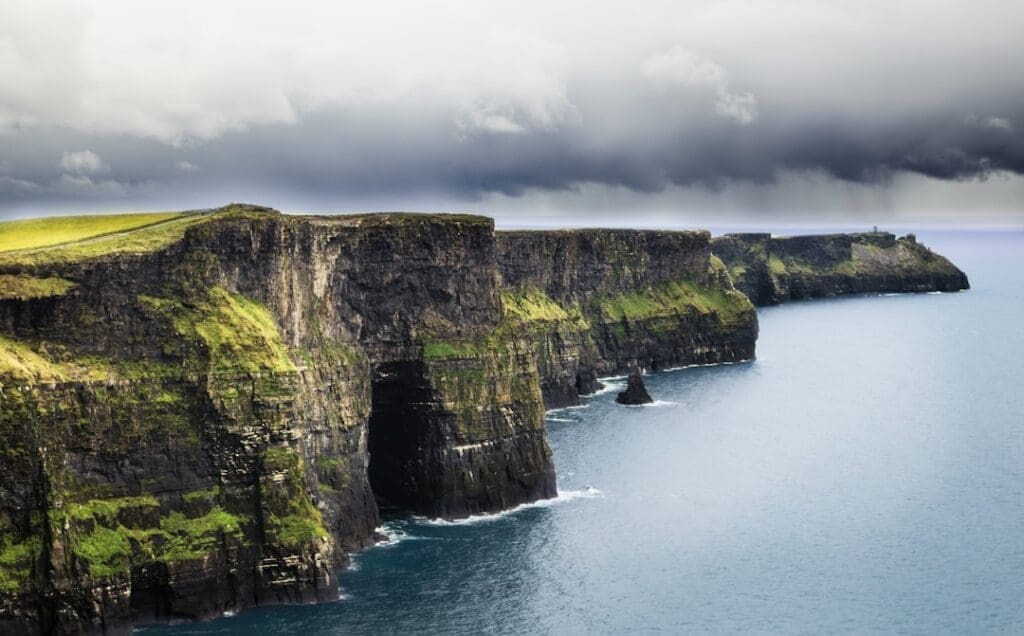
Plein air painting in Ireland: the kit to carry, how to handle wind and changing light, and the best spots to set up your easel outdoors.
Embracing the Irish Elements
As a painter who has spent countless hours battling the elements and reveling in the serene beauty of the Irish landscape, I can attest that plein air painting here is an experience unlike any other. It's a dance with the unpredictable, a conversation with the ancient, and an unparalleled opportunity to capture the fleeting moments of light and atmosphere that define this emerald isle. My journey into plein air in Ireland began with a simple desire: to translate the raw emotion and vibrant character of the land onto my canvas.
I quickly learned that while the inspiration is boundless, successful outdoor painting requires a blend of preparation, adaptability, and a healthy respect for Mother Nature’s whims. I’ve discovered that the key isn’t just about what I paint, but how I approach the entire process, from packing my kit to choosing my subject and responding to the ever-changing light. This article is my personal guide, born from my triumphs and tribulations, to help fellow artists navigate the exhilarating world of plein air painting in Ireland.
The Allure of Irish Light
One of the most captivating aspects for me is the incredible quality of the light. It's often soft and diffused, creating a dreamlike quality, yet it can also burst forth with a dramatic intensity, particularly after a rain shower. I find that this constantly shifting light presents both a challenge and an immense opportunity.
The colors of the landscape, from the myriad greens of the fields to the deep blues of the Atlantic, are amplified and transformed by this light. I've spent hours simply observing how a cloud passing overhead can completely alter the mood of a scene, prompting me to work quickly and decisively to capture that particular moment. It’s this transient beauty that keeps me coming back, easel in hand, ready to confront whatever the Irish skies decide to present.
My Personal Plein Air Philosophy
For me, plein air painting in Ireland isn't just about creating a finished piece; it's about the immersive experience. It's about feeling the wind on my face, smelling the damp earth, and hearing the distant bleating of sheep. I believe that these sensory inputs deeply inform my work, imbuing it with an authenticity that's hard to achieve in the studio.
My philosophy is to embrace the imperfections, the drips, the smudges, as they are all part of the story of that particular day and that particular location. I try not to strive for photographic realism but rather to capture the essence, the feeling, the soul of the landscape. This approach allows me to work more freely, to take risks, and to truly enjoy the process, even when the conditions are less than ideal.
If you're interested in enhancing your plein air painting skills in Ireland, you might also find value in exploring the broader context of creativity and productivity in different environments. A related article that discusses the benefits and drawbacks of remote work can provide insights into how changing your surroundings can influence your artistic process. You can read more about this topic in the article titled "Exploring the Benefits and Drawbacks of Remote Work in 2024" available at this link.
Essential Gear for the Irish Outdoors
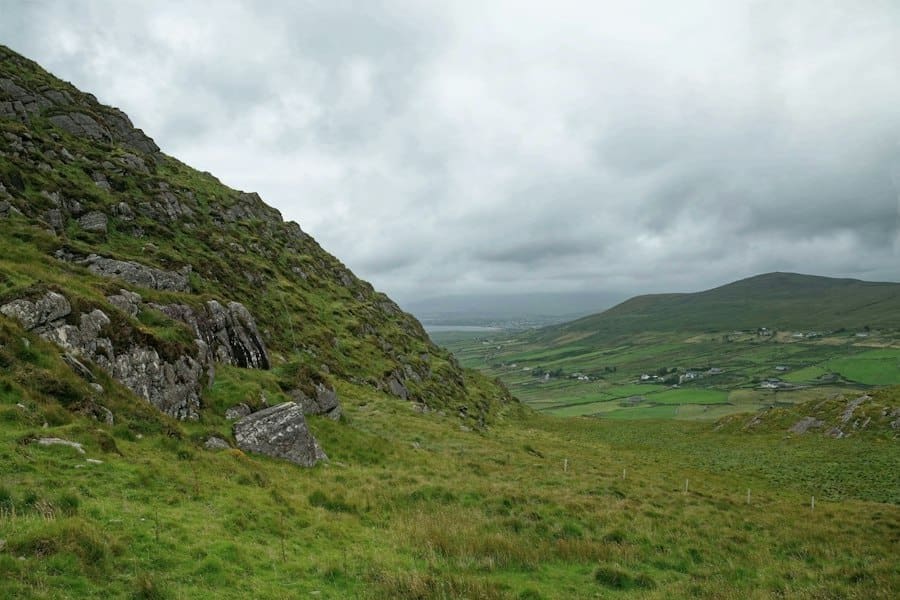
My packing list for a plein air expedition in Ireland has been refined over many years and countless soggy adventures. I’ve learned that being prepared is paramount, as a sudden downpour can quickly turn an idyllic painting session into a logistical nightmare. Every item in my kit serves a purpose, balancing portability with functionality, and ensuring I’m ready for whatever the Irish weather throws my way.
My Portable Easel Setup
My choice of easel is crucial. I personally favor a lightweight, collapsible French easel or a pochade box that can easily attach to a tripod. The French easel offers a built-in palette and storage, which is incredibly convenient. However, for quicker, more agile setups, my pochade box paired with a sturdy camera tripod is invaluable. The tripod allows me to adjust the height and angle precisely, which is essential when working on uneven terrain or trying to avoid glare. I always make sure the easel is stable; a gust of wind can send a canvas (and my spirits) tumbling. I often carry a small bungee cord to secure my panel to the easel, especially on blustery days.
My Chosen Mediums and Surfaces
I mostly work with oil paints or gouache when painting outdoors. Oils offer a rich color palette and a longer working time, which is helpful when I want to build up layers or blend colors. I prefer to use a limited palette of essential colors, usually a warm and cool of each primary, plus white and a neutral grey, to keep my kit compact. Gouache, on the other hand, is water-soluble and dries quickly, making it excellent for rapid sketches and capturing fleeting light. I find that its matte finish has a beautiful, almost ethereal quality.
For surfaces, I typically use pre-primed linen or cotton panels for oils, ranging from 8x10 to 12x16 inches. These are lightweight, rigid, and don’t require stretching. For gouache, I prefer watercolor paper that is at least 140lb (300gsm) to prevent buckling. I always bring several surfaces with me, as I often find myself wanting to capture multiple compositions or needing a fresh surface after an unexpected rain shower. Protecting wet paintings on the journey home is another consideration; I usually bring a wet panel carrier or construct a simple system using binder clips and cardboard spacers.
Weather Protection: My Non-Negotiables
This is arguably the most critical section of my packing list for Ireland. I never leave for a plein air session without a waterproof jacket and trousers. Even on a seemingly sunny morning, the weather can change dramatically within minutes. Layers are key: a breathable base layer, a warm fleece, and then my waterproof outer shell. A wide-brimmed hat is also essential, offering protection from both sun and rain. I often wear waterproof hiking boots with good ankle support, as I frequently trek across muddy fields or rocky paths.
For my equipment, I always have a large, sturdy umbrella with me, not just for personal protection but also to shield my canvas from rain or direct sun. Some plein air artists even use specialized painting umbrellas that attach to their easels. I also carry a few plastic bags or a small tarp to quickly cover my easel and paints if a sudden downpour catches me off guard. And, of course, a small towel or rag is indispensable for drying hands, brushes, or even wiping down my easel after a splash of rain.
+ Join Our Writing Community for FREE
Chain Story Online
Fun, free, flash fiction writing with writers just like you. You have ~100 words to begin a story or continue a story and make it yours.
Story Bible Studio
Digital space for writers to plot, plan, and build better stories. Designed by writers for writers. Your final draft awaits.
Comfort and Safety Essentials
Beyond the painting gear and weather protection, there are a few personal items I consider essential for a comfortable and safe outdoor painting experience. A comfortable backpack is vital to carry everything, distributing the weight evenly. I always pack a bottle of water and some snacks; painting can be surprisingly physically demanding, and it’s easy to lose track of time.
A small first-aid kit with basics like plasters, antiseptic wipes, and pain relievers is also a must, as I’m often in remote areas. Finally, my phone is always fully charged, not just for emergencies but also for taking reference photos of the scene if I need to finish a piece in the studio, or to capture details I might have missed. I've also learned to bring insect repellent, especially during warmer months near standing water, as midges can quickly become a major distraction.
Choosing Your Irish Painting Location
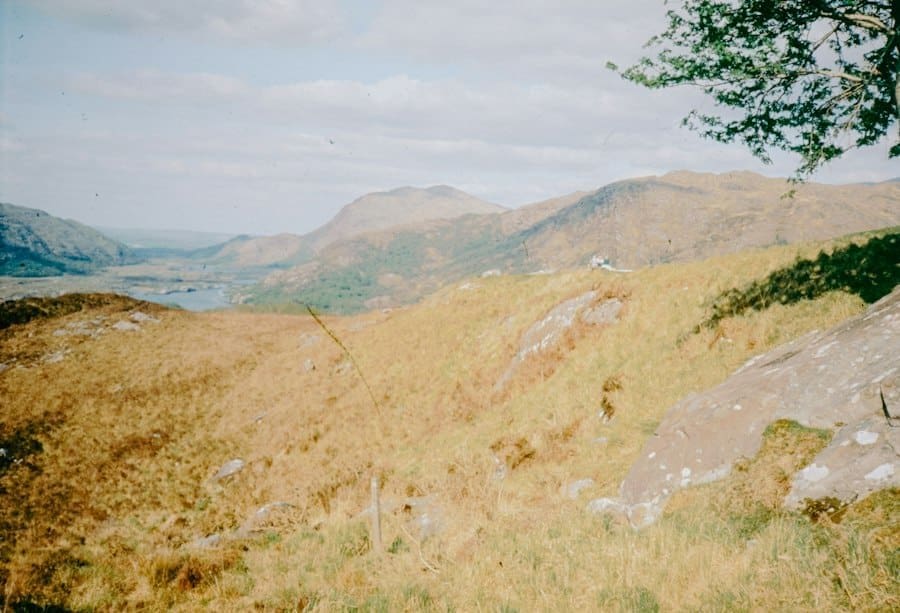
The sheer abundance of breathtaking scenery in Ireland can be overwhelming when trying to decide where to set up my easel. Over time, I’ve developed a keen eye for locations that offer not only visual appeal but also practical advantages for a plein air painter. It’s not just about a pretty view; it's about the entire experience of being there.
Iconic Landscapes and Hidden Gems
Ireland is renowned for its dramatic coastlines, ancient ruins, and rolling green hills. I’ve found immense inspiration in places like the Cliffs of Moher, the Ring of Kerry, and the Dingle Peninsula. These locations offer incredible vistas, but they can also be crowded with tourists, which sometimes impacts the peaceful solitude I seek. When I visit these popular spots, I often try to arrive early in the morning or later in the evening to catch the best light and avoid the crowds.
However, some of my most cherished painting experiences have been in lesser-known, hidden gems. I often consult local maps, ask residents for their favorite spots, or simply drive down a scenic road until something catches my eye. Small fishing villages, quiet boglands, or ancient stone circles tucked away in a field often provide a unique charm and a sense of undisturbed beauty that speaks to my artistic soul. I look for compositions that tell a story, perhaps an old cottage with smoke curling from its chimney, or a windswept tree clinging to a cliff edge.
Considering Light and Composition
Light is the single most important factor for me when choosing a location. I always consider the direction of the sun throughout the day. Early morning light often casts long, dramatic shadows and offers soft, warm tones. Late afternoon light can be equally captivating, with rich golden hues. Midday light, while strong, can sometimes flatten a scene, making it harder to find interesting contrasts. I often scout locations at different times of the day to see how the light transforms the landscape.
When it comes to composition, I look for strong focal points and interesting leading lines. Roads, rivers, stone walls, or even the curve of a coastline can draw the viewer's eye into the painting. I also consider the foreground, middle ground, and background, aiming to create depth and visual interest. Sometimes, a simple grouping of sheep or a lone figure in the distance can add a compelling narrative element. I often do several small thumbnail sketches before committing to a larger painting, experimenting with different cropping and compositional arrangements.
Safety and Accessibility Considerations
Beyond aesthetics, safety and accessibility are paramount. I always assess the terrain before setting up. Is it stable? Is there a risk of slipping, especially after rain? I avoid painting too close to cliff edges or in areas where tides can quickly come in, cutting off my escape route. I also consider the weather forecast carefully. Strong winds can make painting almost impossible, and heavy rain can damage my materials.
Accessibility is another practical consideration. Can I easily get my gear to the spot? Is there parking nearby? Will I be blocking a path or interfering with local activity? I always try to be respectful of the land and its inhabitants, whether human or animal. If I’m on private land, I make sure to seek permission first. I also make sure I have a clear escape route in case of a sudden weather change or an unexpected issue. I’ve learned that a beautiful view isn’t worth risking my safety or convenience.
Mastering the Art of Quick Capture
One of the biggest challenges and joys of plein air painting in Ireland is the constantly changing environment. The light shifts, the clouds move, and a sudden shower can appear seemingly out of nowhere. I’ve learned that embracing this dynamism is key, and developing techniques for quick capture has become an indispensable part of my process.
The Importance of Thumbnail Sketches
Before I even touch my main painting surface, I almost always create several small thumbnail sketches. These aren’t meant to be masterpieces; they are quick studies, usually no larger than a few inches, where I focus solely on composition and value. I use a pencil or a single neutral color to quickly block in the main shapes and identify the darkest darks, lightest lights, and mid-tones.
This exercise helps me to simplify the scene, identify a strong focal point, and decide on the best cropping. It saves me a lot of time (and potential frustration) later on, as I have a clear roadmap for my larger painting. I often find that the first impression of a scene, captured in these rapid sketches, is the most powerful.
Working with Limited Time and Changing Light
The Irish weather dictates my pace. I've learned to work quickly and decisively, especially when the light is particularly captivating. I often start by blocking in the largest shapes and colors first, establishing the overall mood and value structure. I try to get the horizon line and main masses down quickly, knowing that these are the elements that will shift the least. I resist the urge to get bogged down in details too early. My goal in plein air is often to capture the impression of the scene, the overall feeling, rather than a meticulously rendered replica.
If the light changes dramatically, I have a few strategies. Sometimes, I decide to embrace the change and pivot my painting to reflect the new conditions. Other times, if I’m committed to a particular light effect, I'll take a mental "snapshot" of that moment and try to hold it in my mind as I continue to paint, relying on my memory and quick notes. I've also learned when to stop. It’s better to have an energetic, unfinished painting that captures a moment than an overworked one that has lost its initial spark.
Simplifying the Scene
One of the most important lessons I’ve learned is the power of simplification. The Irish landscape is incredibly rich in detail – countless shades of green, intricate rock formations, distant villages. Trying to paint every blade of grass or every wave in the ocean is a recipe for frustration and a muddy painting. Instead, I consciously look for opportunities to simplify shapes, consolidate colors, and eliminate unnecessary elements.
I ask myself: "What is the essence of this scene? What is the one thing I want to communicate?" By focusing on broad strokes and general impressions, I can convey the feeling of the landscape without getting lost in minutiae. For example, instead of painting every individual tree in a forest, I might paint the overall mass and suggest the trees with variations in color and value. This not only speeds up my process but also often results in a more powerful and evocative painting.
Capturing the Atmosphere and Mood
Beyond just shapes and colors, I strive to capture the atmosphere and mood of the Irish landscape. This often comes down to subtleties: the specific quality of the light, the color of the air, the way the mist clings to the hills, or the power of the crashing waves. I pay close attention to the sky, as it often dictates the mood of the entire painting. Is it brooding and dramatic? Or bright and airy?
I find that using a limited color palette helps me maintain color harmony and convey a consistent mood. I also think about temperature – warm colors for sunny areas, cooler tones for shadows or overcast skies. My brushwork also plays a role; energetic strokes can convey movement and power, while softer, blended marks can suggest stillness or a hazy atmosphere. Ultimately, it’s about conveying the emotional impact the landscape has on me in that moment.
If you're interested in enhancing your outdoor painting skills, you might find the article on Plein Air Painting in Ireland: Tips for Painting Outdoors particularly useful. It offers valuable insights into capturing the stunning landscapes of Ireland while dealing with the challenges of painting outdoors. For more inspiration and techniques, you can also check out another informative piece on the same website that delves into the essentials of outdoor artistry. Discover more about these techniques by visiting this link.
If you're looking for a collaborative writing platform, check out Chain Story Online. It's a great way to connect with other writers and create stories together. Many users have found inspiration and creativity through Chain Story Online.
Post-Painting Reflection and Refinement
My plein air painting process doesn't end when I pack up my easel. The journey from initial outdoor sketch to a finished studio piece, or even simply reflecting on the experience, is a crucial part of my artistic growth. I’ve found that the lessons learned outdoors often inform my studio practice in profound ways.
Reviewing and Analyzing My Outdoor Studies
Once I'm back in the studio, I immediately lay out all my outdoor studies. This is a critical step for me. I look at each piece with a fresh eye, trying to remember the exact conditions and feelings I had while painting it. I analyze what worked well and what didn't. Did I capture the light effectively? Is the composition strong? Are the colors accurate to the mood I was trying to convey?
I don't just look at the finished pieces; I also review any thumbnail sketches or color notes I made. These quick jottings often contain valuable information that my memory might have lost. Sometimes, a "failed" outdoor study can reveal a small passage of color or a particular brushstroke that is incredibly effective, providing a learning opportunity. I'm not afraid to be critical of my own work, as this is how I learn and improve. I often keep a small sketchbook specifically for jotting down these observations and insights from my plein air sessions.
Studio Refinement vs. Preserving Spontaneity
This is a delicate balance I constantly navigate. Some of my plein air pieces feel complete and energetic right off the easel, and I'll leave them as they are, valuing their spontaneous quality. They embody the raw emotion of the moment, and further studio work would only diminish that. I believe there's a unique beauty in the immediacy of outdoor work.
However, other studies serve as valuable starting points for larger studio paintings. In these cases, I use the plein air study as a reference, along with any photographs I took. My goal in the studio isn't to simply copy the outdoor study, but to expand upon it, to refine the composition, strengthen the values, or deepen the color harmony, all while retaining the essence and freshness of the original experience. I try to approach studio refinements with the same energy and intuition I use outdoors, avoiding overworking the piece and losing its original vibrancy. I find that a good plein air study provides the crucial information about light, color, and atmosphere that photos often miss.
Documenting My Plein Air Adventures
I've learned the importance of documenting my plein air adventures. This goes beyond just signing and dating my paintings. I often take a photograph of the scene itself, not just for reference, but to remind me of the environment I was in. I might also jot down notes about the weather, the temperature, the time of day, and any particular challenges or triumphs I experienced.
Final Thoughts on Plein Air Painting
Sometimes, I'll even write a short paragraph about the feeling of the place or a memorable interaction I had. This documentation helps me to relive the experience, connect with my past work, and track my progress as an artist. It also creates a rich personal archive of my artistic journey through Ireland, transforming each painting into a chapter in a larger story. Sharing these stories, whether through a blog or with fellow artists, has also become a meaningful part of my practice, fostering a sense of community and shared passion.
Related reading: How to Start Painting With Watercolours: A Beginner's Guide · How to Make Time for Creativity When Life Is Busy
Enda Storrie is a writer and the creator of Story Bible, the planning journal and app for writers, and Chain Story Online, a free collaborative storytelling platform.