Irish landscape painters who captured the West of Ireland, from Paul Henry to Jack B. Yeats, and the light, bogs and skies they loved.
My Fascination with the Wild West of Ireland
From the moment I first set eyes on the rugged, untamed beauty of the west of Ireland, I knew I was in the presence of something truly special. It wasn’t just the dramatic cliffs plunging into the churning Atlantic, the heather-clad bogs stretching to the horizon, or the brooding mountains that seemed to touch the very sky. It was the feeling – a profound sense of ancient history, of raw power, and of an almost mystical connection to the land itself.
As an ardent admirer of art, my gaze naturally turned to those who had attempted to capture this spirit on canvas. I found myself drawn, time and again, to the Irish landscape painters who focused their considerable talents on this particular corner of the world. They didn’t merely paint pretty pictures; they painted the very soul of the west, imbuing their works with the same wildness, the same melancholy, and the same breathtaking beauty that I myself experienced.
The west of Ireland, for me, has always been more than just a geographical location. It’s a repository of culture, of folklore, and of a tenacious spirit that has endured through centuries of hardship and change. The artists who chose to make this their subject matter were, in my opinion, visionaries. They understood that the landscape wasn't just a backdrop but an active participant in the lives of the people who inhabited it.
Their paintings tell stories – stories of struggle and survival, of community and solitude, of the constant interplay between humanity and nature. I feel a deep connection to their endeavors, a shared appreciation for the unique character of this region. It’s a place that demands to be seen, to be felt, and to be immortalized, and these painters, to my great admiration, rose to that challenge with remarkable skill and passion.
My Early Encounters with Western Landscapes
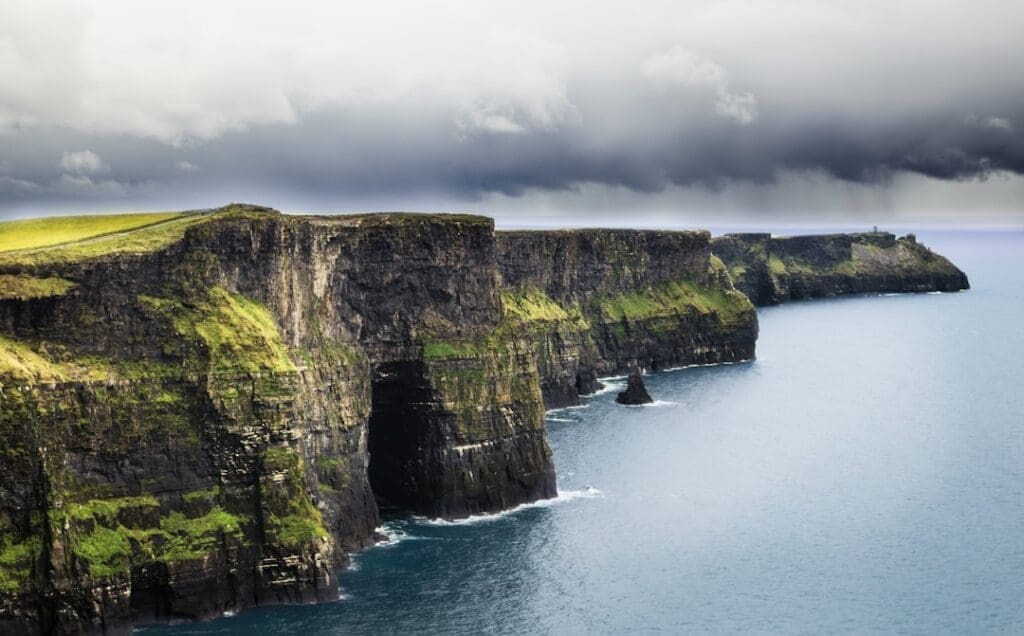
My initial exposure to these artists came through books and gallery visits, but it wasn't until I traveled to the west myself that their works truly resonated with me. I remember standing on the Cliffs of Moher, the wind whipping my hair, the roar of the ocean echoing in my ears, and thinking, "This is it. This is what Paul Henry saw." The scale, the power, the sheer untamed grandeur – it was all there, just as he had depicted it.
Later, wandering through the stony fields of Connemara, I felt the ghostly presence of artists like Maurice MacGonigal, who seemed to have perfectly captured the subtle nuances of light and shadow on the seemingly barren landscape, revealing a hidden beauty that casual observers might miss. These experiences cemented my understanding of their artistic intent and deepened my respect for their ability to translate such a powerful environment onto a two-dimensional surface.
The Allure of the Atlantic Edge
What is it about the Atlantic edge that so captivated these painters, and indeed, myself? I believe it's the sense of being at the very edge of the known world, facing the vast, boundless ocean. There’s a dramatic tension there, a feeling of both awe and vulnerability. The weather changes in an instant, from brilliant sunshine to driving rain, and these rapid shifts in light and atmosphere provide an endless source of inspiration for a painter.
The coastline, with its jagged rocks, hidden coves, and windswept beaches, offers a kaleidoscope of textures and forms. It's a place where nature reigns supreme, where humanity is humbled by the elemental forces at play. This primal connection to the land and sea, I believe, is what these artists sought to express, and it’s what draws me to their work with such an enduring fascination.
In exploring the captivating works of Irish landscape painters who beautifully captured the essence of the West, one might also find interest in the article that delves into the evolution of Irish art and its profound connection to the natural scenery. This article highlights various artists and their unique interpretations of the Irish landscape, showcasing how the rugged beauty of the West has inspired countless masterpieces. For more insights, you can read the related article at this link.
My Perspective on Key Figures and Their Artistic Styles
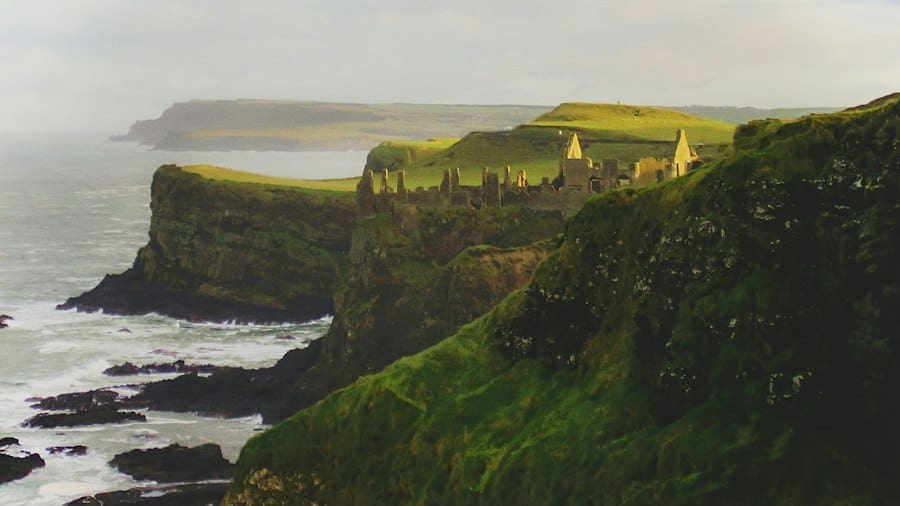
When I delve into the world of Irish landscape painting, I find myself drawn to a select group of artists whose individual interpretations of the west truly speak to me. Each brought their own unique vision, their own technical prowess, and their own emotional connection to the canvas, resulting in a rich tapestry of artistic expression. It's not just about what they painted, but how they painted it, and the underlying philosophy that guided their brushstrokes. I appreciate the diversity of their approaches, from the more traditional to the boldly modern, and how each contributed to our understanding of this iconic region.
Paul Henry: Capturing the Spirit of Connemara
Paul Henry, for me, is almost synonymous with the west of Ireland, particularly Connemara. His works have an immediately recognizable quality – a soft, muted palette, often featuring dramatic cloud formations, and a powerful sense of atmospheric depth. I find his ability to convey the vastness and the melancholic beauty of the Connemara landscape utterly captivating.
He didn't just paint the hills; he painted the brooding presence of the hills, the way they seemed to rise out of the mists, often with a solitary cottage or a few figures providing a sense of scale and human presence amidst the grandeur of nature. His paintings, to my eye, are not merely depictions; they are evocations of a particular feeling, a sense of quiet solitude and enduring beauty. I often feel transported to those very landscapes when I gaze upon his work, almost as if I can feel the dampness in the air and hear the gentle whisper of the wind.
Henry's Use of Light and Atmosphere
What I particularly admire in Henry's work is his mastery of light and atmosphere. He often employed a dramatic sky, full of swirling clouds, which added immense power and dynamism to his compositions. The light in his paintings often feels diffused, almost ethereal, giving the landscape a dreamlike quality. He understood how the ever-changing Irish weather profoundly impacts the appearance of the land, and he captured these ephemeral moments with remarkable skill. For me, his clouds are not just background elements; they are characters in their own right, shaping the mood and narrative of each painting. This attention to the subtleties of natural light is a hallmark of his genius and a key reason why his work remains so beloved.
Jack B. Yeats: The Energetic West
Jack B. Yeats offers a striking contrast to Henry's often serene landscapes. His paintings of the west, particularly Sligo and the wild Atlantic coast, explode with energy and vivid color. I find his work exhilarating, almost as if I can feel the wind and spray coming off the canvas. He was a master of capturing movement, not just in the figures he often included, but in the very landscape itself – the churning sea, the windswept trees, the restless sky.
His brushstrokes are bold and expressionistic, conveying a sense of raw vitality and immediate experience. When I look at a Yeats painting of the west, I don't just see a place; I feel the palpable energy of that place, the untamed spirit that pulses through it. His focus on the human element, often depicting ordinary people engaged in their daily lives against the dramatic backdrop, adds another layer of narrative richness that I deeply appreciate.
Yeats's Expressive Brushwork
Yeats's distinctive, highly expressive brushwork is what immediately draws my eye. He didn't shy away from thick impasto and vibrant, often daring, color choices. This technique gives his paintings a remarkable sense of texture and immediacy. I can almost feel the paint on the canvas, the urgency of his hand. It's a style that perfectly suits the wild, untamed nature of the west, conveying its ruggedness and its inherent dynamism. He wasn't aiming for photographic realism; he was aiming for an emotional truth, a deeper understanding of the landscape as an experience rather than just a visual fact. This emotional intensity, conveyed through his unique application of paint, is what I find so compelling about his approach.
+ Join Our Writing Community for FREE
Chain Story Online
Fun, free, flash fiction writing with writers just like you. You have ~100 words to begin a story or continue a story and make it yours.
Story Bible Studio
Digital space for writers to plot, plan, and build better stories. Designed by writers for writers. Your final draft awaits.
Maurice MacGonigal: The Stark Beauty of Connemara
Maurice MacGonigal, another artist I greatly admire, carved out his own distinctive niche in depicting the west, particularly Connemara. His work often possesses a stark, almost austere beauty, focusing on the essential forms and textures of the landscape. While his palette might appear more subdued than Yeats's, it is incredibly rich in its nuanced tones and subtle variations.
He had a remarkable ability to convey the ruggedness of the stone walls, the sparse vegetation, and the ever-present sky, often with a sense of quiet dignity. I find his paintings deeply meditative, inviting contemplation of the enduring qualities of the land and the resilience of its inhabitants. He seemed to find beauty in the seemingly ordinary, revealing the profound character of a landscape that might initially appear harsh.
MacGonigal's Tonal Qualities and Composition
MacGonigal’s strength, in my opinion, lies in his masterful use of tonal qualities and his carefully considered compositions. He often utilized a limited palette, but within that, he achieved incredible depth and subtlety. His ability to capture the changing light on the bog, the texture of weathered rock, or the precise hue of a cloudy sky is truly exceptional.
His compositions are often strong and direct, with a clear focus on the essential elements of the scene, avoiding unnecessary embellishment. This pared-down approach allows the inherent beauty and character of the landscape to shine through, unencumbered by excessive detail. It’s this honesty and directness in his portrayal that I find so appealing and so evocative of the true spirit of the west.
My Understanding of Thematic Depths in Western Art
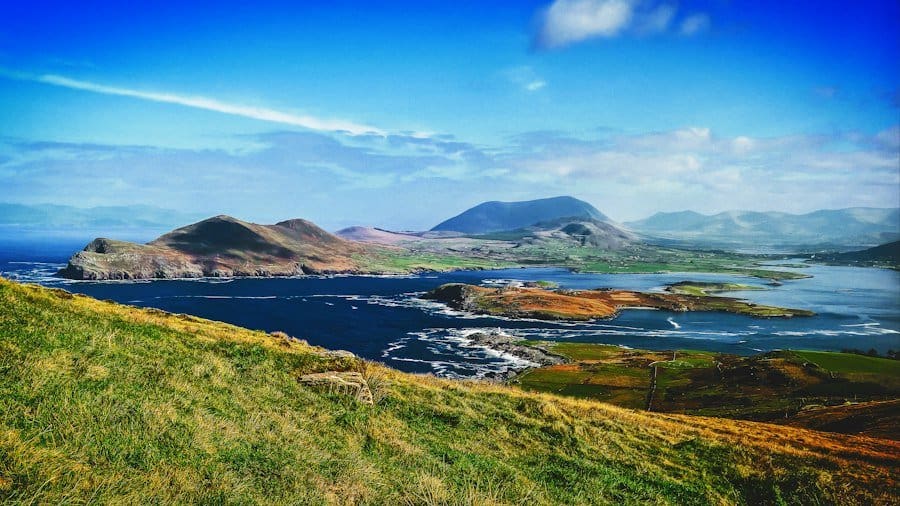
Beyond the individual styles and techniques, what truly captivates me about these painters is their shared exploration of deeper thematic currents within the western Irish landscape. They weren't just painting pretty scenery; they were engaging with profound ideas about identity, history, and the human condition in relation to this powerful environment. Their works often resonate with a sense of memory, a connection to the past, and a quiet acknowledgement of the enduring struggles and triumphs of the people who have called this place home for generations. I feel that their art offers more than just visual pleasure; it offers a pathway into understanding the very soul of Ireland itself, particularly its western reaches.
The Enduring Sense of Place and Identity
One of the most powerful themes I observe is the profound sense of place and its intrinsic link to identity. For many, the west of Ireland isn't just a place; it's a feeling, a heritage, a part of who they are. These painters understood that instinctively. Their canvases often depict landscapes that feel ancient, imbued with the stories of generations.
The lonely cottage, the stone wall snaking across the bog, the distant mountain – these aren't just elements of a scene, but symbols of a persistent way of life, a deep-rooted connection to the land that has shaped the character of its people. I believe these artists, through their sensitive portrayals, helped to solidify and articulate this unique western Irish identity, both for those who live there and for those, like myself, who admire it from afar.
Echoes of the Past in the Landscape
I often see in these paintings a palpable sense of history, of echoes from the past embedded in the very fabric of the landscape. The ruins of an ancient fort, the weathered gravestones in a remote churchyard, the faint lines of a Famine-era potato ridge – these subtle hints speak volumes about the passage of time and the resilience of the human spirit. The artists, in their careful observation and thoughtful composition, brought these historical layers to the forefront, reminding us that the present landscape is a palimpsest of countless past lives and events. This historical depth adds a powerful resonance to their work, transforming a simple scene into a profound meditation on memory and continuity.
The Isolation and Resilience of Rural Life
Another recurring theme that speaks to me deeply is the portrayal of the isolation and resilience inherent in rural life in the west. The vast, often sparsely populated landscapes naturally convey a sense of solitude, and many paintings feature solitary figures or isolated dwellings, emphasizing this aspect.
Yet, alongside this isolation, there is an unmistakable sense of resilience – the determination to eke out a living from the often-harsh land, to maintain communities against the odds. These artists didn't romanticize poverty, but they did capture the quiet dignity and strength of those who persevered. I find their ability to convey both the challenges and the enduring spirit of rural life to be profoundly moving. It’s a testament to the human capacity to adapt and thrive, even in challenging environments.
The Human Element within the Vastness
While the landscape often dominates these compositions, I particularly appreciate how many of these artists skillfully incorporated the human element. Whether it's a distant figure working the land, a small boat battling the waves, or a cluster of cottages nestled in a valley, these human presences provide a crucial counterpoint to the vastness of nature.
They remind us that this is not just an uninhabited wilderness, but a living, breathing place where people have forged lives for centuries. These figures, though often small, are never insignificant; they are anchors, providing scale and injecting a narrative of human endeavor and connection into the grandeur of the natural world. This interplay between the human and the natural is, for me, a central strength of this artistic tradition.
If you're looking for a collaborative writing platform, check out Chain Story Online. It's a great way to connect with other writers and create stories together. Many users have found inspiration and creativity through Chain Story Online.
My Reflections on the Impact and Legacy of These Painters
The impact of these Irish landscape painters on my understanding and appreciation of the west of Ireland cannot be overstated. Their collective body of work has created an iconic visual language for the region, shaping how both locals and visitors perceive its unique beauty and character. For me, they didn't just paint what they saw; they helped us all to see it more deeply, to understand its complexities and its enduring spirit. Their legacy is not just in the paintings themselves, but in the way they have influenced subsequent generations of artists and how they continue to inspire a profound connection to this extraordinary part of the world.
Shaping the Visual Identity of the West
It’s clear to me that these artists played a pivotal role in shaping the visual identity of the west of Ireland. Before their prolific output, while the beauty of the region was undoubtedly appreciated, it hadn't been so consistently and powerfully articulated in artistic terms. Paul Henry’s depictions of Connemara, for example, became so ubiquitous that they almost defined the popular image of the area.
Their works became postcards, posters, and book covers, disseminating their vision far and wide. This isn't to say they presented a singular, monolithic view, but rather that their collective work established a powerful and enduring aesthetic that resonated with a broad audience. I feel that their images have become inextricably linked with the very idea of the west, informing our collective imagination of this rugged, beautiful place.
Influence on Later Generations of Artists
The influence of these pioneering landscape painters on later generations of Irish artists is something I find particularly interesting. Their approaches, whether Henry’s atmospheric subtleties or Yeats’s raw energy, provided a foundation upon which others could build, adapt, or even consciously react against. Contemporary artists still draw inspiration from the west, but they do so with a rich artistic heritage behind them, partly forged by these very figures. I believe that by establishing such a strong artistic tradition, they ensured that the western Irish landscape would remain a vital and compelling subject for generations to come, continually reinterpreted through new eyes and techniques. Their initial forays opened the door for a diverse and ongoing artistic dialogue with the land.
Preserving a Sense of Changing Landscapes
Perhaps one of the most poignant aspects of their legacy, for me, is the way their paintings inadvertently serve as a historical record of changing landscapes. While the fundamental elements – the mountains, the sea, the bogs – remain, many aspects of rural life and the physical environment have evolved. Their canvases capture a moment in time, showing us the west as it was in the early to mid-20th century.
The traditional cottages, the particular patterns of farming, the methods of fishing – these details, often subtly integrated into their scenes, offer valuable insights into a past way of life. I find a bittersweet beauty in this aspect, as their art allows me to glimpse a west that, in some ways, no longer exists, reminding us of the constant ebb and flow of change even in seemingly timeless landscapes.
A Deepening Appreciation for Heritage
For me, encountering the works of these artists has profoundly deepened my appreciation for Irish heritage, both natural and cultural. Their paintings are more than just aesthetically pleasing objects; they are windows into a particular time, a particular place, and a particular way of seeing the world. They encourage a reverence for the land, an understanding of its history, and an empathy for the lives lived upon it. I believe they fostered a sense of national pride in the unique beauty of the west, reinforcing its importance within the broader Irish identity. Their legacy, then, is not merely artistic, but cultural, serving as a powerful reminder of the enduring spirit and captivating allure of the western Irish landscape.
Irish landscape painters have long been celebrated for their ability to capture the breathtaking beauty of the West, showcasing the rugged coastlines and rolling hills that define the region. Their work not only reflects the natural splendor but also the cultural heritage of Ireland. For those interested in exploring this artistic tradition further, a related article can be found at Enda Storrie's blog, which delves into the lives and techniques of these remarkable artists.
Final Thoughts on Irish Landscape Painters
As I reflect on the journey I’ve taken through the works of these remarkable Irish landscape painters, I am left with an overwhelming sense of gratitude and admiration. They have, through their individual genius and collective vision, created an enduring testament to the raw, untamed beauty and profound spirit of the west of Ireland. Their paintings resonate with me on a deeply personal level, echoing my own experiences and feelings when confronted by the dramatic vistas of the Atlantic edge. They didn't just paint the land; they painted its soul, its history, and its indomitable character.
My initial fascination has only grown stronger with each new encounter with their art. I see in their brushstrokes not just pigment on canvas, but a passionate engagement with a landscape that demands attention, respect, and deep understanding. They have taught me to look beyond the obvious, to seek out the subtle nuances of light, the texture of the bog, the power of the sky, and the quiet dignity of human life woven into the fabric of nature. Their work serves as a constant reminder of the profound connection between people and their environment, a connection that is particularly vivid and moving in the west of Ireland.
A Continual Source of Inspiration
For me, these painters are a continual source of inspiration. They encourage me to seek out beauty in unexpected places, to appreciate the power of natural forces, and to understand the deep historical layers that lie beneath the surface of every landscape. When I close my eyes and think of the west of Ireland, it is often through the lens of a Paul Henry sky, a Jack B. Yeats wave, or a Maurice MacGonigal stone wall. Their artistic interpretations have become an integral part of my own mental landscape of the region. They have not only captured the west, but they have also, in their own unique ways, helped to shape it in the collective imagination.
A Timeless Artistic Legacy
The artistic legacy of these painters is, in my opinion, timeless. Their works continue to speak across generations, inviting new viewers to discover the magic and mystery of the west. They remind us of the power of art to transport, to evoke emotion, and to deepen our connection to the world around us. In a rapidly changing world, their paintings offer a sense of continuity, a powerful anchor to a land that, despite all its transformations, retains an essential, untamed spirit. I am immensely grateful for their vision, their talent, and their unwavering dedication to capturing the west, for they have allowed me, and countless others, to experience its profound beauty long after their brushes left the canvas.
Related reading: Irish Artists You Should Know: 10 Painters Who Shaped Ireland · Jack B. Yeats: Ireland's Most Loved Painter Explained
Enda Storrie is a writer and the creator of Story Bible, the planning journal and app for writers, and Chain Story Online, a free collaborative storytelling platform.