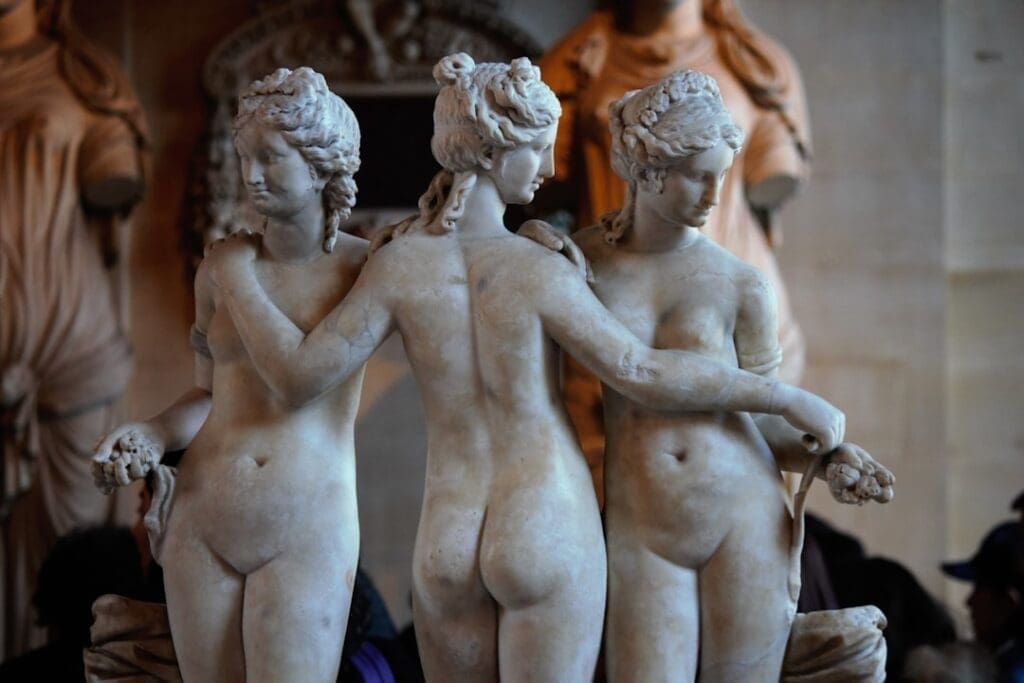
Sketching for beginners: a simple 10-minute daily habit, the only supplies you need and easy exercises that build real drawing skill fast.
My Journey to Drawing Every Day
It all started with a gnawing feeling of creative inadequacy. For years, I admired artists from afar, their ability to transform a blank page into something beautiful, something meaningful. I'd watch tutorials, buy expensive art supplies, and then… nothing. The blank page remained blank, or worse, became a graveyard of half-hearted attempts and frustrated scribbles. I told myself I wasn't talented, that I lacked the "artistic gene." But deep down, a little voice whispered, "What if you just tried?"
That whisper grew louder one day as I scrolled through social media, seeing countless people embark on new hobbies, learn new skills. Why not me? The idea of "drawing every day" kept popping up in various art communities. It sounded daunting, a monumental commitment. But then I saw a variation: "draw every day in 10 minutes." Ten minutes? That felt achievable. That felt like something even I could squeeze into my chaotic schedule.
This wasn't about becoming a master artist overnight; it was about building a habit, about chipping away at that creative block, one tiny sketch at a time. This article is my story, my personal guide to how I, a complete beginner, embraced the daily 10-minute sketching challenge and found not just a new skill, but a surprising amount of joy and self-discovery along the way. I want to share my insights, my struggles, and the practical steps I took, hoping it might inspire someone else sitting on the fence, just like I was.
My Initial Fears and Overcoming Them
My biggest fear, honestly, was failure. Not just the failure of not being able to draw well, but the failure of not sticking with it. I have a history of starting hobbies with great enthusiasm and then abandoning them. This time, I was determined to approach it differently. I decided to strip away all the pressure. This wasn't about producing gallery-worthy art. This was about the act of drawing itself.
Setting Realistic Expectations
I knew I wouldn't be sketching masterpieces after a week, a month, or even a year. My expectation was simple: show up, for at least 10 minutes, every single day. The quality of the drawing didn't matter. The consistency did. This mindset shift was crucial. It freed me from the paralysis of perfectionism.
Gathering My Minimalist Toolkit
One of the reasons I often got bogged down before was the overwhelming choice of art supplies. For this experiment, I decided to go minimalist. My toolkit was incredibly simple: a small sketchbook (A5 size, easy to carry), a couple of pencils (an HB and a 2B), and an eraser. That's it. No fancy pens, no expensive paints, no digital tablets. Just the basics. This removed another barrier – the need to invest a lot of money before even knowing if I'd enjoy it.
If you're looking to enhance your sketching skills further, you might find the article on daily drawing techniques particularly helpful. It provides insights on how to develop a consistent practice that complements the principles outlined in "Sketching for Beginners: Draw Every Day in 10 Minutes." To explore more about these techniques, check out the related article here.
The Power of the 10-Minute Commitment
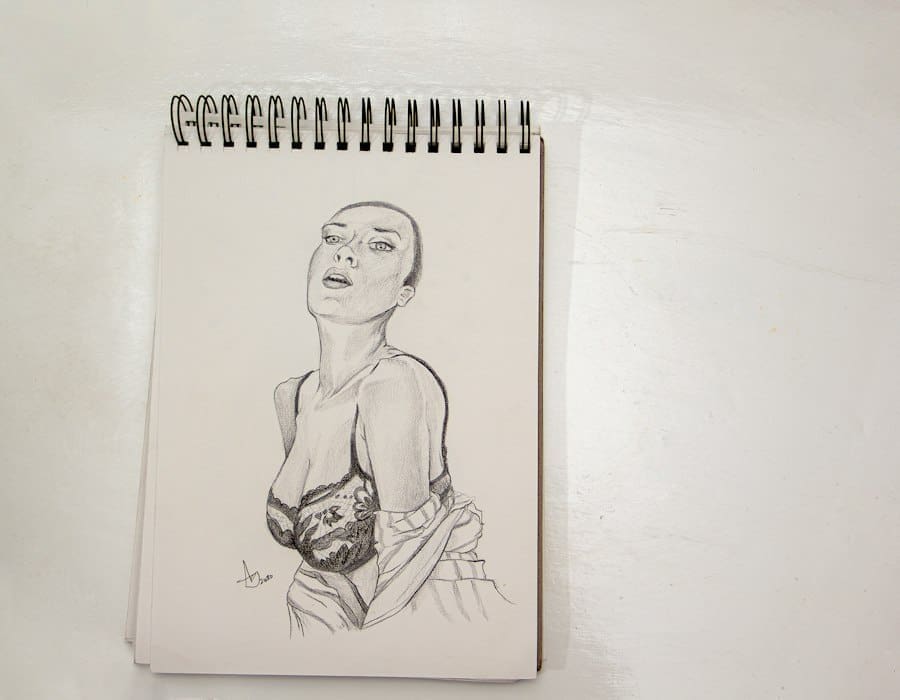
When I first started, the idea of drawing every day felt like a mountain. But breaking it down into just 10 minutes a day transformed that mountain into a series of small, manageable hills. It's truly amazing what a short, focused burst of activity can achieve when done consistently.
The Brain's Resistance and How to Overcome It
Some days, the resistance was immense. My brain would offer a thousand excuses: "I'm too tired," "I don't have anything to draw," "It's just 10 minutes, what's the point?" This is where the pre-commitment really kicked in. I had decided before the day started that I would draw. It wasn't a choice I made each morning; it was a decision already made.
The Habit Loop: Cue, Routine, Reward
I learned about the concept of the habit loop, and it really helped me solidify my daily drawing. My "cue" became a specific time of day – right after my morning coffee, before I opened my work laptop. My "routine" was simply opening my sketchbook and picking up a pencil. The "reward" initially wasn't a great drawing, but the feeling of accomplishment, the satisfaction of having stuck to my commitment. Over time, the reward also became the joy of seeing my progress, however small.
Fitting it into a Busy Schedule
Ten minutes is incredibly versatile. I found myself sketching on my lunch break, while waiting for water to boil, even during a short pause in my workday. The key was to always have my sketchbook and pencil within reach. It eliminated any excuse about not having my supplies handy. I wasn't waiting for a perfect, uninterrupted block of time; I was seizing the small pockets of time that already existed.
The Compounding Effect of Small Actions
This was perhaps the most surprising and rewarding aspect. Individually, a 10-minute sketch might not seem like much. But over a week, that's 70 minutes. Over a month, that's over 4.5 hours. Over a year, that's nearly 55 hours of focused drawing practice! That's a significant amount of time dedicated to a skill, and the progress, while incremental, really does start to compound. I began to notice subtle improvements in my line quality, my observation skills, and my confidence. It's like saving a small amount of money every day; you don't notice it at first, but over time, it adds up to something substantial.
My Daily Practice: What I Drew and How I Approached It

The "what to draw" question used to be a major stumbling block for me. With only 10 minutes, I couldn't afford to spend half the time staring blankly at the page. I needed a system, a set of go-to exercises that were quick, low-pressure, and effective for a beginner.
Observational Sketching: The World Around Me
This became my primary method. The world is full of interesting things to draw, and I didn't need to leave my house to find them.
Everyday Objects
My coffee cup, the plant on my desk, my laptop, my keys, a fruit in a bowl – these became my early subjects. The beauty of everyday objects is that they are always available. I wasn't looking for perfect perspective or shading; I was simply trying to capture the basic shape, the lines, the proportions. It taught me to really look at things, not just glance at them.
Hands and Feet
These are notoriously difficult, but also incredibly useful to practice. I'd prop my non-drawing hand up in various positions and try to quickly sketch its contours. It was frustrating at first, but the quick nature of the 10-minute session meant I didn't dwell on imperfections. I just moved on to the next attempt. This helped me get comfortable with drawing organic, complex forms.
Pets (When They Cooperate)
My cat, bless her heart, is not a still-life model. But during her napping periods, I'd try to capture her form. These were often very quick, gestural sketches, focusing on the overall shape and the direction of her limbs. It taught me to work fast and to embrace the imperfection of fleeting moments.
+ Join Our Writing Community for FREE
Chain Story Online
Fun, free, flash fiction writing with writers just like you. You have ~100 words to begin a story or continue a story and make it yours.
Story Bible Studio
Digital space for writers to plot, plan, and build better stories. Designed by writers for writers. Your final draft awaits.
Reference Photos: A Structured Approach
When I felt uninspired by my immediate surroundings, or wanted to practice something specific, I turned to reference photos.
Simple Still Lifes
I'd often use photos of simple still life arrangements I found online. This allowed me to practice basic shapes, light, and shadow without the pressure of setting up a physical still life. The goal wasn't to copy perfectly, but to understand the fundamental forms.
Animal Studies
I loved to sketch animals, and photos were invaluable for this. I'd choose a photo of an animal in a relatively simple pose and focus on its anatomy, trying to break down its form into basic shapes before adding details.
Faces and Figures (Simplified)
This was a more advanced challenge, but I'd tackle it by focusing on basic proportions first, often just the main head shape or the line of action for a figure, ignoring details like features or clothing initially.
Creative Exercises: Loosening Up
Sometimes, I just needed to doodle and let go of any pretense of realism.
Blind Contour Drawing
This is where you look only at the object you're drawing, not at your paper, and draw a continuous line. It feels incredibly awkward and produces bizarre results, but it's fantastic for training your eye to really follow the contours of an object and for loosening up your hand.
Gesture Drawing
Quick, energetic sketches designed to capture the essence of a pose or an object in just seconds or a minute. I'd often set a timer for 30 seconds or a minute and just try to get the overall flow and energy of a form. This helped me to be less precious with my lines.
Drawing from Imagination (Simplified)
Occasionally, I'd just try to draw a simple shape or an idea from my head – a house, a tree, a made-up creature. The goal wasn't a masterpiece, but simply to engage my imagination and put something down on paper without external reference. This was more about self-expression than skill building, and it often felt very liberating.
Tracking Progress and Staying Motivated
Consistency is the name of the game when it comes to building any new skill, especially drawing. But consistency can be hard to maintain, especially when you're just starting and the results might not be immediately gratifying. I learned that having a system for tracking my progress and strategies for staying motivated were just as important as the act of drawing itself.
My Simple Tracking System
I didn't need a complex app or a fancy journal. My tracking system was incredibly basic, and that's precisely why it worked for me.
Dating Every Page
This was my most important tool. Every time I opened my sketchbook for a 10-minute session, I wrote the date at the top of the page. This seemingly small act had a powerful effect. It served as a record of my commitment. Flipping back through the pages and seeing a continuous stream of dates, even if the drawings weren't perfect, was a tangible representation of my dedication. It also allowed me to pinpoint when I started and how far I'd come.
A Simple Checkmark System
Next to the date, I'd sometimes add a small checkmark in my daily planner or a dedicated corner of my sketchbook. This was just a quick visual confirmation that I had completed my 10 minutes. It provided a tiny burst of satisfaction, a mini-reward for showing up. It also helped me quickly see any gaps in my consistency.
Celebrating Small Wins
It's easy to get discouraged by what you can't do yet. I consciously shifted my focus to what I could do and how far I'd come.
Flipping Through Old Pages
This was a major source of motivation. Every few weeks, I'd take a moment to flip through my older sketches. I wasn't looking for masterpieces; I was looking for subtle improvements. A line that felt more confident, a proportion that was slightly more accurate, a shadow that felt a little more defined. These small victories, accumulated over time, were incredibly encouraging. They showed me that the effort was paying off, even if I wasn't always aware of it in the daily grind.
Acknowledging the Act, Not Just the Art
Sometimes, the drawing itself wasn't great. Maybe I was tired, or uninspired, or just had an off day. In those moments, I made sure to acknowledge and celebrate the fact that I showed up. The act of consistent practice, regardless of the output, was the real win. This prevented me from feeling defeated on days when my drawing skills felt particularly lacking.
The Role of Community (Online and Offline)
While my journey was largely a personal one, connecting with others, even minimally, played a role in keeping me motivated.
Sharing (Occasionally and Without Pressure)
I'm not someone who loves to post every single thing I do online, but occasionally, I'd share a sketch with a trusted friend or in a private online art group. The gentle encouragement and constructive feedback (when offered) were helpful. More importantly, seeing others on similar journeys reinforced the idea that I wasn't alone in my struggles or triumphs. I made sure to only share when I felt comfortable, and never with the expectation of praise, but simply as a way to connect.
Inspiration from Others
Watching other artists, both beginners and experienced ones, share their work and their processes was incredibly inspiring. It reminded me of the possibilities and the diverse paths one can take in art. It also showed me that everyone starts somewhere, and even professional artists have their "bad" days. This normalization of the learning process was very reassuring.
Dealing with Slumps and Lack of Inspiration
There were days, even weeks, when I felt uninspired, or like I wasn't making any progress. This is where my commitment to the 10-minute rule really shone.
The "Just 10 Minutes" Mantra
When motivation waned, I'd remind myself: "It's only 10 minutes. Even if it's a terrible drawing, it's still 10 minutes of practice." This low-pressure approach often helped me get started, and once I started, sometimes the inspiration would kick in, or I'd at least feel good for having stuck to my routine.
Switching Subjects
If I was stuck drawing the same thing or felt bored, I'd deliberately switch my subject matter. If I'd been doing still life, I'd try a quick gesture drawing of a person from a photo, or a blind contour of my hand. This variety kept things fresh and prevented burnout.
Focusing on a Specific Skill
Sometimes, instead of trying to draw a "thing," I'd dedicate my 10 minutes to a specific skill: drawing only straight lines, practicing different types of shading, or trying to render a specific texture. This shifted the focus from the end product to the process and the development of a particular technique, making it feel less about "making art" and more about "practicing a skill."
If you're looking to enhance your drawing skills alongside "Sketching for Beginners: Draw Every Day in 10 Minutes," you might find the article on creative inspiration particularly helpful. This resource offers valuable tips on how to stay motivated and discover new ideas for your sketches. You can check it out here to explore ways to keep your artistic journey exciting and fulfilling.
If you're looking for a collaborative writing platform, check out Chain Story Online. It's a great way to connect with other writers and create stories together. Many users have found inspiration and creativity through Chain Story Online.
Beyond the 10 Minutes: Unexpected Benefits
When I started this journey, my only goal was to learn how to draw. What I didn't anticipate was the cascade of other positive effects that this simple daily habit would bring into my life. It wasn't just about lines and shading; it became about a fundamental shift in how I perceived the world and myself.
Enhanced Observation Skills
This was perhaps the most immediate and profound change. Before, I'd look at an object and see just "a chair" or "a tree." Now, I see shapes, angles, shadows, the way light falls on surfaces, the subtle variations in tone. My daily sketching forced me to slow down and truly observe the world around me. I noticed details I'd overlooked for years – the pattern on a leaf, the texture of a brick wall, the unique way a cloud drifts across the sky. This heightened awareness extends beyond drawing; it makes everyday life richer and more engaging. I find myself appreciating beauty in the mundane in ways I never did before.
Improved Focus and Mindfulness
In our fast-paced, screen-dominated world, finding moments of focused calm can be challenging. My 10 minutes of sketching became my daily meditation. It forces me to put away my phone, silence distractions, and fully immerse myself in the task at hand. My mind quiets down, and I become completely present with the paper, the pencil, and the subject. It's a wonderful way to de-stress and clear my head, providing a much-needed mental break from the demands of work and daily life. It's a small island of calm in my day.
Increased Patience and Resilience
Learning to draw, especially as a beginner, is an exercise in patience. Drawings don't always turn out how you envision them, lines go awry, and proportions can be frustratingly off. My daily practice taught me to embrace imperfection and to keep trying, even when faced with frustrating results. Instead of giving up, I learned to see each "bad" drawing as a learning opportunity. This resilience, this ability to persevere through small failures, has spilled over into other areas of my life, making me more tolerant of setbacks and more willing to keep pushing forward.
Boost in Creative Confidence
Starting from zero, with no artistic background, was intimidating. Each small drawing, each completed page in my sketchbook, chipped away at my self-doubt. Seeing tangible proof of my progress, however incremental, built a sense of accomplishment and self-efficacy. It wasn't just about drawing confidence; it was a general boost in my belief that I can learn new things, that I can develop skills I once thought were beyond me. This newfound confidence has encouraged me to explore other creative outlets and to be less afraid of trying new things.
A New Form of Self-Expression
While my drawings are still very basic, they've become a personal journal of sorts. They reflect what I'm seeing, what I'm thinking about, and even my mood on a particular day. Sometimes, a sketch might capture a feeling or an idea that words can't quite convey. It's a quiet, personal conversation with myself, a way to process my experiences and explore my inner world without judgment. This unexpected avenue for self-expression has been incredibly fulfilling.
Connection to a Creative Community
Though I started solo, the habit led me to connect with others. I started following more artists online, joined a local (very casual) sketch group, and even started conversations about art with friends and colleagues. It opened up a new world of shared passion and mutual encouragement, expanding my social circle and giving me a sense of belonging within a creative community. This connection, even if it's just exchanging likes on Instagram, reinforces my motivation and provides a rich source of inspiration. It's been a beautiful side effect of simply showing up for 10 minutes a day.
My Advice for Aspiring Daily Sketchers
If my story has resonated with you, and you're considering embarking on your own 10-minute daily drawing journey, I want to leave you with some actionable advice, born from my own trials and errors. Remember, I started as a complete beginner, just like you might be now, and if I can do it, so can you.
Start Small, Stay Consistent
This is the golden rule. Don't aim for an hour a day if you're new to this. Ten minutes is the magic number. It's short enough to fit into even the busiest schedule and long enough to make progress. The consistency is far more important than the duration or the perfection of each session. Showing up every day, even when you don't feel like it, builds the habit and the skill over time.
Embrace Imperfection and Let Go of Judgment
This is crucial. Your early drawings will not be masterpieces. Mine certainly weren't. Expect messy lines, wonky proportions, and frustrated moments. The goal isn't to create perfect art; it's to practice, to observe, and to enjoy the process. Every "bad" drawing is a step on your learning journey. Be kind to yourself, and remember that even professional artists have sketches they aren't entirely happy with.
Keep Your Supplies Simple and Accessible
Don't let gear acquisition syndrome derail you. All you truly need is a small sketchbook and a pencil (or a pen). Keep them easily accessible – on your desk, next to your favorite chair, or in your bag. The less friction there is to start drawing, the more likely you are to actually do it. If you have to dig for supplies, you've already added a barrier.
Find Your Daily "Cue"
Establish a consistent time or activity that triggers your drawing habit. For me, it was after my morning coffee. For you, it might be during your lunch break, while dinner is cooking, or before bed. Associating your drawing with an existing routine makes it easier to remember and integrate into your day.
Draw What You See (and What You Love)
Don't wait for inspiration to strike; look around you. Your coffee cup, your houseplants, your hand, a pet, the view from your window – these are all valid subjects. If you're really stuck, use reference photos of things you genuinely enjoy looking at, whether that's animals, landscapes, or interesting objects. Drawing what interests you will keep you engaged.
Document Your Journey
Date every page in your sketchbook. It's a simple act, but incredibly powerful. It allows you to track your consistency and, more importantly, to look back and see how far you've come. Flipping through old pages and noticing subtle improvements will be a huge source of motivation. Your sketchbook becomes a testament to your dedication.
Connect with Others (If You Feel Like It)
While this is a personal journey, sharing your progress (even just a few select pieces) with a trusted friend or in a supportive online community can provide encouragement and inspiration. Seeing others on similar paths can make you feel less alone and more motivated. Just ensure it's a positive and low-pressure environment.
Don't Wait for the "Right Time" or "Talent"
Final Thoughts on Sketching for Beginners
There's no such thing as the "right time," and "talent" is often just consistent practice in disguise. The best time to start is now. You don't need natural ability to begin; you build ability through dedication and showing up. Take that first step, and trust the process. You'll be amazed at what you can achieve with just 10 minutes a day. I certainly was.
Related reading: How to Make Time for Creativity When Life Is Busy · How to Start Painting With Watercolours: A Beginner's Guide
Enda Storrie is a writer and the creator of Story Bible, the planning journal and app for writers, and Chain Story Online, a free collaborative storytelling platform.