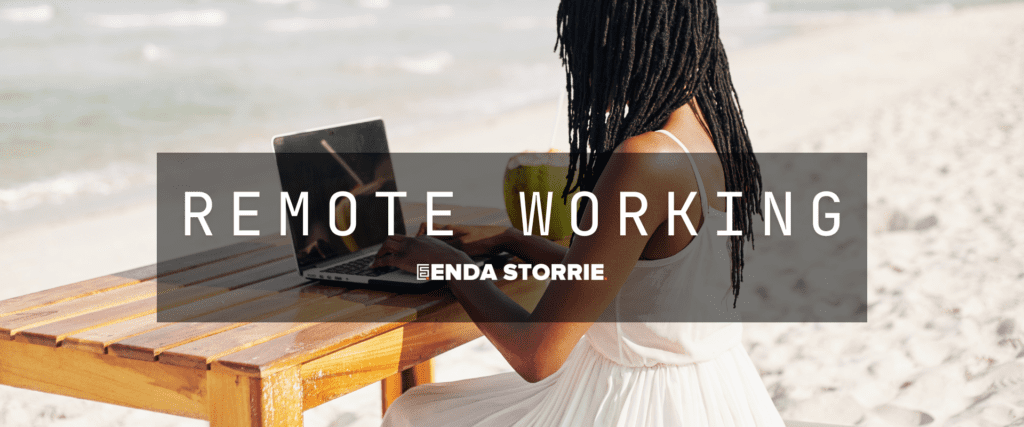
Make hybrid working work for you: plan office and home days, stay visible, keep a routine and set boundaries that protect your time.

I remember the early days of the pandemic, when the sudden shift to remote work felt like a temporary anomaly. Now, as I look around, hybrid working has become a firmly established paradigm, a blend of office presence and remote flexibility that many of us, myself included, have come to appreciate. It's a complex dance, balancing the benefits of both worlds, and I've spent a significant amount of time reflecting on how to make it truly effective, not just for myself, but for the teams I've been a part of.
This isn't about simply having the option to work from home; it's about strategically leveraging that option to maximize productivity, maintain well-being, and foster strong connections. I’ve learned that a successful hybrid model isn’t a one-size-fits-all solution; it requires intentional design, open communication, and a willingness to adapt.
Understanding My Hybrid Work Landscape
When I first embraced hybrid work, I quickly realized that its effectiveness was deeply intertwined with understanding its core components. It wasn't just about my personal preference for where I worked, but how that choice impacted my colleagues, my projects, and the overall rhythm of our organization. I had to move beyond simply thinking about my own schedule and start considering the broader ecosystem.
Defining My Personal Hybrid Model
For me, the first step was to honestly assess what hybrid working truly meant in my context. Was it a fixed schedule – two days in the office, three at home? Or was it more fluid, dependent on project phases or team meetings? I’ve experienced both, and I’ve found that clarity here is paramount. In one role, my team had designated "collaboration days" where everyone was expected in the office, and the rest of the week was remote-first.
In another, it was entirely up to individual discretion, as long as deliverables were met. I found that having some structural guidance, even if flexible, helped me plan my week more effectively. Without it, I sometimes felt adrift, unsure if I was making the "right" choice for a given day. I also learned to be proactive in communicating my work location to my team.
A simple update on Slack or our shared calendar became a crucial tool for transparency and coordination.
Identifying My Productivity Peaks and Valleys
One of the greatest gifts of hybrid working, in my opinion, is the opportunity to tailor my environment to my work. I know myself well enough now to recognize that I do my best deep-focus work in the quiet solitude of my home office. Conversely, brainstorming sessions, complex problem-solving with colleagues, and relationship-building thrive when I'm physically present in the office.
This self-awareness has been transformative. I deliberately schedule my tasks, so that I dedicate my "office days" to meetings, collaborative projects, and mentoring, while my "remote days" are reserved for tasks requiring uninterrupted concentration – writing, coding, analysis. This intentional scheduling has not only boosted my output but also reduced the frustration of trying to force a square peg into a round hole.
Acknowledging the Impact on Team Dynamics
It’s easy to get caught up in my own productivity, but I've learned that a significant part of making hybrid work successful is acknowledging its ripple effect on my team. When some of us are in the office and others are remote, it creates a potential for a two-tiered experience. I've seen how easy it is for remote colleagues to feel excluded from informal conversations or spontaneous office interactions.
This awareness has prompted me to be more intentional about inclusion. For instance, if I'm in the office and a colleague is remote, I make a conscious effort to include them in discussions, even if it means setting up a quick video call that might otherwise have been an in-person chat. This proactive approach helps bridge the distance and ensures everyone feels equally connected and informed.
For those interested in exploring the dynamics of hybrid working further, a related article titled "Remote Work: Exploring Benefits & Drawbacks in 2024" provides valuable insights into the evolving landscape of remote work. This article delves into the advantages and challenges that come with remote arrangements, making it a great complement to the discussion on how to effectively implement hybrid working strategies. You can read it here: Remote Work: Exploring Benefits & Drawbacks in 2024.
+ Join Our Writing Community for FREE
Chain Story Online
Fun, free, flash fiction writing with writers just like you. You have ~100 words to begin a story or continue a story and make it yours.
Story Bible Studio
Digital space for writers to plot, plan, and build better stories. Designed by writers for writers. Your final draft awaits.
Equipping My Remote Workspace for Success
My home office has evolved significantly since those initial hurried days of setting up a laptop on my dining table. I’ve realized that a well-equipped and functional remote workspace isn't a luxury; it's a necessity for sustained productivity, comfort, and professional presence.
Investing in Ergonomics and Comfort
This was perhaps the most critical realization for me. Initially, I neglected ergonomics, thinking it was a minor detail. After weeks of back pain and neck strain, I quickly understood my mistake. I invested in a good quality ergonomic chair, a proper monitor stand to raise my screen to eye level, and an external keyboard and mouse. These weren't trivial expenses, but the return on investment in terms of comfort, reduced physical strain, and sustained ability to work was immeasurable. I can now sit for extended periods without discomfort, which allows me to maintain focus and energy throughout my workday. I also pay attention to lighting, ensuring my workspace is well-lit to prevent eye strain.
Optimizing My Technology Stack
Reliable technology is the backbone of effective remote work. I learned this the hard way during a crucial client call when my internet connection decided to take an impromptu vacation. Since then, I've prioritized a stable, high-speed internet connection, even considering a backup mobile hotspot for emergencies. I also ensure I have a high-quality webcam and microphone. Crystal-clear audio and video make a huge difference in virtual meetings, reducing fatigue and facilitating clearer communication. I’ve also found that having a second monitor dramatically improves my workflow, allowing me to view multiple applications simultaneously without constant alt-tabbing. Regular software updates and virus scans are also non-negotiables for maintaining security and performance.
Designing a Dedicated Work Zone
While not everyone has the luxury of a separate room for an office, I've found it incredibly important to create a dedicated work zone, however small. For a while, my "office" was a corner of my living room. Even there, I defined its boundaries and kept it tidy and professional. Now, I have a separate room, and I treat it like a traditional office. This physical separation helps me mentally switch into "work mode" at the start of the day and "off-work mode" when I leave it. It also minimizes distractions from household activities and provides a consistent backdrop for video calls. I keep it organized and clutter-free, as I find a tidy environment contributes to a tidy mind.
Cultivating Strong Communication and Connection
One of the biggest challenges I’ve personally encountered in a hybrid model is maintaining a strong sense of team cohesion and avoiding the "out of sight, out of mind" trap. I’ve come to believe that deliberate and consistent communication is the antidote.
Mastering Asynchronous and Synchronous Communication
I've had to learn to differentiate between what needs an immediate, synchronous discussion and what can be effectively communicated asynchronously. For urgent decisions, complex problem-solving that requires real-time back-and-forth, or building rapport, synchronous communication (video calls, in-person meetings) is invaluable. However, for sharing updates, documenting decisions, or providing detailed feedback, asynchronous channels like email, shared documents, or project management tools are often more efficient. I've become more disciplined in using these tools, ensuring that important information is easily accessible to everyone, regardless of their location or time zone. I also make a point of over-communicating when I'm remote, providing context and details that might otherwise be conveyed through a quick hallway conversation.
Proactive Relationship Building
It's easy for relationships to feel transactional when interactions are primarily virtual. I've made a conscious effort to proactively build and maintain connections with my colleagues. This means scheduling informal virtual coffee breaks, reaching out just to check in, and making time for non-work-related chats. When I am in the office, I prioritize face-to-face interactions, not just for work discussions but for casual conversations that strengthen bonds. I've found that these seemingly small efforts pay huge dividends in team morale, trust, and collaboration. It makes a significant difference when I feel genuinely connected to the people I work with, rather than just being a cog in a distant machine.
Establishing Clear Communication Norms
One of the most valuable lessons I've learned is the importance of establishing clear communication norms with my team. This includes things like expected response times for different channels (e.g., Slack messages vs. emails), preferred methods for urgent issues, and even meeting etiquette for hybrid gatherings (e.g., ensuring remote participants are always visible and actively engaged). When these norms are clearly defined and consistently followed, it reduces ambiguity, minimizes frustration, and ensures that everyone feels heard and included. I’ve often initiated these discussions within my teams, proposing guidelines that we can all agree upon and iterate on as needed.
Discover a new way to collaborate on storytelling with Chain Story Online. Writers from around the world can contribute to ongoing narratives at Chain Story Online. Unleash your creativity and join the community at Chain Story Online.
Maximizing My Office Days Strategically
I view my days in the office not as an obligation, but as a strategic resource. I've moved past the idea of simply "showing up" and instead focus on making every moment of my in-office time count.
Prioritizing In-Person Collaboration
When I'm in the office, my primary goal is to engage in activities that are significantly enhanced by co-location. This includes collaborative brainstorming sessions, whiteboarding complex ideas, and working side-by-side on projects that benefit from immediate feedback and shared screens. I actively schedule these types of meetings and interactions for my office days, ensuring that I leverage the physical presence of my colleagues. I also seek out opportunities for informal collaboration, knowing that some of the best ideas spring from spontaneous discussions around a coffee machine or in a shared workspace.
Nurturing My Professional Network
My office days are also invaluable for networking and building relationships with colleagues beyond my immediate team. I make an effort to connect with people from different departments, whether it’s through shared lunches, internal events, or simply striking up conversations in common areas. These connections broaden my understanding of the organization, open doors for future collaboration, and provide different perspectives. I've found that these casual interactions are much harder to replicate effectively in a purely remote setting, so I seize the opportunity when I'm physically present.
Engaging in Face-to-Face Mentorship and Development
For me, mentorship, both as a mentor and a mentee, thrives in an in-person environment. When I'm in the office, I make a point of scheduling one-on-one check-ins with my direct reports, offering feedback, and discussing their career development. Similarly, I actively seek out opportunities to learn from senior colleagues, whether it’s through formal meetings or informal conversations. There's a nuance to communication and a level of connection that I find easier to establish when I'm physically present, making these developmental conversations more impactful. It's about seeing body language, reading subtle cues, and having an uninterrupted space to connect on a deeper level.
In exploring the dynamics of hybrid working, it's essential to understand how technology can enhance productivity and collaboration. A related article discusses the benefits of leveraging digital platforms to optimize your business operations, which can be particularly useful in a hybrid environment. For more insights on this topic, you can read about how to unleash the potential of your online presence by visiting this article. Embracing these tools can significantly improve your team's efficiency and engagement, making hybrid working a successful model for your organization.
Prioritizing My Well-being and Work-Life Balance
Hybrid working, while offering flexibility, can also blur the lines between work and personal life. I've learned that actively managing my well-being is not just beneficial for me, but essential for my sustained productivity and overall job satisfaction.
Establishing Clear Boundaries
One of the most critical aspects of successful hybrid working for me has been the establishment of clear boundaries. When I'm working from home, it's incredibly easy for the workday to bleed into personal time. I've implemented strategies like having a strict start and end time for my workday, and sticking to it. When I "log off," I physically step away from my workspace and resist the urge to check emails or slack messages after hours. I also communicate these boundaries to my team, so they understand when I'm available and when I'm not. This deliberate separation helps me decompress and prevents burnout.
Building Regular Breaks into My Day
Whether I'm in the office or working remotely, I make sure to take regular breaks. This might be a quick walk outside, a few minutes of stretching, or simply stepping away from my screen to grab a coffee. When working from home, it's easy to fall into the trap of continuous work, but I've found that these short mental resets significantly improve my focus and energy levels throughout the day. I use techniques like the Pomodoro Technique to structure my work periods and ensure I take those essential pauses.
Fostering a Healthy Lifestyle
Final Thoughts on Hybrid Working
Beyond the immediate workday, I've recognized the importance of maintaining a healthy lifestyle overall. This includes prioritizing regular exercise, eating nutritious meals, and ensuring I get adequate sleep. When I'm physically and mentally well, I'm better equipped to handle the demands of hybrid work. The flexibility of hybrid working can even facilitate this; I often use my remote days to fit in a workout during what would have been my commuting time. It's a continuous effort, but one that has profound positive impacts on my professional performance and personal happiness.
Related reading: The Right to Request Remote Work in Ireland Explained · Video Call Fatigue: Why It Happens and How to Beat It
Enda Storrie is a writer and the creator of Story Bible, the planning journal and app for writers, and Chain Story Online, a free collaborative storytelling platform.