
My Journey to Finding an Accountability Partner
I’ve always considered myself a self-starter, someone who thrives on internal motivation. For years, I approached my writing projects with a “lone wolf” mentality, convinced that discipline and passion alone were enough to see me through. I’d set ambitious goals, outline intricate plots, and even dedicate specific hours each day to the craft. And sometimes, it worked. I’d churn out hundreds of words, feeling that rush of creative energy, the satisfaction of a story unfolding. But then, inevitably, the enthusiasm would wane. Deadlines I imposed on myself would quietly slip by. The thrill of a new idea would give way to the daunting reality of sustained effort. That brilliant opening paragraph would sit, untouched, for days, then weeks, then months, gathering digital dust in an ever-growing folder of “works in progress.” I’d find myself procrastinating, getting lost in endless research rabbit holes, or simply staring blankly at the screen, the cursor blinking a silent judgment.
It was during one of these particularly frustrating periods, staring at an unfinished novel manuscript that had been “almost done” for over a year, that I started questioning my approach. Was it a lack of commitment? A deficiency in willpower? Or was there something else at play? I devoured articles on productivity, time management, and creative blocks. The phrase “accountability partner” kept surfacing, an idea that, at first, felt almost like admitting defeat. Me? Need someone else to hold me accountable? The independent writer in me balked. But the frustrated writer, the one aching to finish stories and share them with the world, was intrigued. The concept was simple: someone to share your goals with, someone to report your progress to, someone to offer encouragement and a gentle nudge when needed. It sounded almost too easy, too simplistic to solve the complex web of procrastination and self-doubt that plagued my writing. Yet, the testimonials I read painted a different picture, one of consistent progress, increased motivation, and ultimately, completed projects.
The turning point came when I realized that my perceived “lone wolf” strength was actually my greatest weakness. When only I knew about my goals, it was easy to let them slide. There were no external consequences, no one I was letting down but myself, and frankly, I was pretty good at forgiving myself for missed targets. The thought of someone else knowing my deadlines, my word counts, my struggles, initially felt uncomfortable, even vulnerable. But then I considered the alternative: more unfinished projects, more lost ideas, more creative potential unrealized. The discomfort of vulnerability suddenly seemed a small price to pay for the promise of consistent progress. This shift in perspective was crucial. I wasn’t seeking an accountability partner because I was weak; I was seeking one because I was smart enough to recognize a limitation in my current process and open enough to try a new strategy. It was a strategic decision, an investment in my writing future. And so, my quest began – a quest not just to find someone, but to truly understand what makes such a partnership effective and sustainable.
My Initial Misconceptions and Learning Curve
My early attempts at finding an accountability partner were, to put it mildly, a bit clumsy. I initially thought it was just about finding someone who also wrote and then exchanging vague “How’s your writing going?” emails. I quickly learned that this superficial approach yielded equally superficial results. We’d exchange pleasantries, maybe a quick update, and then nothing would really change. My goals remained hazy, my progress sporadic.
My first “accountability partner” was a friend from a casual writing group. We decided to “check in” weekly. Our check-ins usually consisted of a quick message along the lines of, “Hey, how’s your novel?” and I’d reply, “Good! Got some words in. You?” This was hardly structured, and there was no real commitment beyond a polite inquiry. Unsurprisingly, neither of us felt particularly motivated or accountable. The goals weren’t specific, there were no clear metrics for success, and no real consequences for falling short. We were essentially just chatting about writing, not actively supporting each other’s progress. It was a friendly exchange, but it wasn’t accountability. I realized then that merely having someone know you’re writing isn’t enough; they need to be actively invested in your progress and you in theirs.
Another misconception I held was that an accountability partner needed to be someone in my exact genre or writing stage. I thought they had to understand the nuances of my fantasy world-building or the intricacies of my literary prose. While common ground can certainly be beneficial, I discovered that the core principles of accountability transcend genre. What matters most is a shared commitment to the act of writing and a mutual understanding of the challenges involved. My best partnership, as I would later discover, was with someone writing non-fiction, completely different from my fiction projects. This broadened my perspective and prevented me from getting too tunnel-visioned, offering insights I might not have received from someone steeped in my specific field.
If you’re looking to enhance your writing journey through collaboration, you might also find value in exploring the dynamics of remote work. The article titled “Remote Work: Exploring Benefits & Drawbacks in 2024” discusses how working remotely can impact productivity and creativity, which can be crucial when engaging with a writing accountability partner. For more insights, check out the article here: Remote Work: Exploring Benefits & Drawbacks in 2024.
Defining What I Needed in an Accountability Partner

Before I actively sought out another partner, I took a step back and reflected on my previous experiences and the articles I’d consumed. I realized that a truly effective accountability partnership needed clear parameters and a shared understanding of expectations. It wasn’t just about finding someone; it was about finding the right someone and establishing a framework that actually worked. I needed to clearly define what I was looking for, not just in terms of the person, but in terms of the partnership itself.
Clarifying My Writing Goals
The first and most crucial step was to clarify my own writing goals. I couldn’t expect someone else to hold me accountable if I wasn’t even clear on what I was trying to achieve. I moved beyond vague aspirations like “finish my novel” to specific, measurable, achievable, relevant, and time-bound (SMART) goals. This meant breaking down my novel into word count targets per week, specific scene completions, and even outlining particular chapters by certain dates. For my articles, it meant setting submission deadlines and research completion milestones.
I started keeping a detailed log of my writing progress, not just what I wanted to do, but what I actually did. This self-assessment was eye-opening. It showed me where I was consistently falling short and where my aspirations were perhaps a little too ambitious for my current schedule. This level of clarity would be essential for communicating my needs to a potential partner and for tracking actual progress. Without clear goals, accountability is just a friendly chat. With them, it becomes a powerful tool for consistent creation. I also considered what I wanted to achieve in the short-term versus the long-term. Was I looking for someone to help me meet a specific deadline, or was I hoping for a sustained partnership that would foster consistent writing habits over months and years? Knowing this helped me frame my expectations for the commitment level required from a potential partner.
Identifying Desired Qualities in a Partner
Once my goals were crystal clear, I started listing the qualities I valued in an accountability partner. This wasn’t just about personality; it was about defining the kind of support dynamic I envisioned. I wasn’t looking for a cheerleader who would tell me everything I wrote was brilliant, nor was I seeking a drill sergeant who would chastise me for every missed target. I needed something in between: a balance of encouragement, honest feedback, and a firm but gentle push.
The first quality was reliability. If my partner wasn’t consistently showing up for our agreed-upon check-ins, the whole system would collapse. I needed someone I could trust to be there, to listen, and to offer their perspective. Next, I valued honesty and directness. I wanted someone who could call me out (gently, of course) when I was making excuses or veering off track. This didn’t mean they had to be harsh, but they couldn’t be afraid to ask tough questions or point out inconsistencies. I also wanted someone who was genuinely invested in their own writing and understood the struggles of the creative process. While I acknowledged that genre didn’t matter, a shared understanding of the writing journey was paramount. Empathy for the ups and downs, the creative blocks, and the occasional burst of inspiration was a non-negotiable. Finally, I looked for someone with good communication skills – someone who could articulate their own goals clearly, provide constructive feedback, and engage in meaningful discussions about our progress and challenges. This was a partnership, after all, and effective communication was the bedrock of its success.
My Strategy for Finding the Right Partner
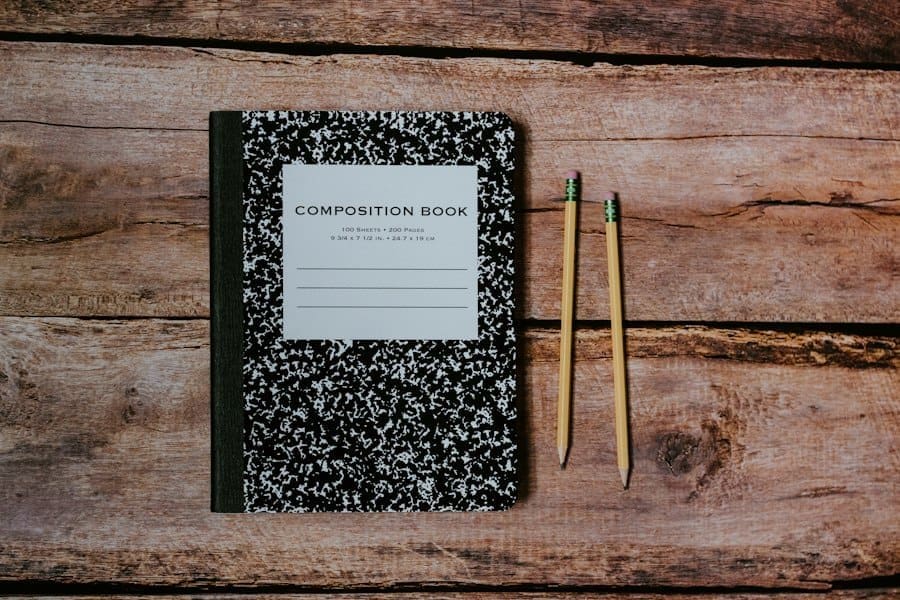
With my goals clarified and my desired qualities identified, I felt much more prepared to embark on a serious search. This time, I wasn’t just throwing feelers out; I had a deliberate strategy, focusing on specific avenues and clear communication from the outset. I understood that this was a mutual selection process; I wasn’t just finding a partner, but also presenting myself as a valuable partner to someone else.
Exploring Various Avenues for Connection
I knew from my past experience that simply asking a friend if they wanted to “keep each other accountable” wasn’t enough. I needed to seek out individuals who were already demonstrating a commitment to their writing and who might be actively looking for similar support. My search expanded beyond my immediate social circle.
I started by looking at online writing communities and forums. Websites dedicated to specific genres, author groups on social media, and even dedicated accountability partner matching services emerged as potential goldmines. Many of these platforms had dedicated sections for finding critique partners or accountability buddies. I crafted a concise but informative post outlining what I was looking for: my genre, my current project, my preferred communication methods (email and occasional video calls), and the kind of structure I envisioned for the partnership (weekly check-ins, sharing word counts, discussing roadblocks). I emphasized the importance of mutual respect and a shared commitment to consistency. I also considered local writing groups or workshops. While I hadn’t found success with a casual friend before, a more structured group specifically focused on writing progress might yield better results. I attended a few virtual “write-ins” and online workshops, paying attention to individuals who seemed particularly focused and engaged. The key was to be proactive and explicit about my intentions, rather than passively waiting for someone to magically appear. I learned that putting myself out there, even if it felt a little daunting, was essential.
The Initial Contact and Vetting Process
Once I received responses or identified potential candidates, I moved into a vetting process that went beyond a simple “yes” or “no.” This was about ensuring compatibility and setting the stage for a productive partnership. I treated it almost like a mini-interview, but with a focus on mutual benefit.
My initial contact involved a more detailed explanation of my writing project, my goals, and what I hoped to gain from an accountability partner. I also asked them to share similar information about themselves. This early exchange helped both of us assess if our needs and expectations aligned. For example, if someone was looking for daily check-ins and I preferred weekly, that was an important difference to note early on. If they primarily wrote poetry and I wrote novels, we still might be compatible, but we’d need to discuss how we’d offer relevant support despite the genre difference. I also made sure to discuss logistical aspects: what days and times worked for check-ins, preferred communication channels (email, Zoom, dedicated apps), and how we would track progress (shared spreadsheets, simple emails). Critically, I proposed a “trial period” for any potential partnership. This allowed us to test the waters for a few weeks without a long-term commitment. It gave us both an opportunity to see if our working styles meshed, if we felt comfortable being vulnerable with each other, and if the partnership was genuinely adding value to our writing lives. If it wasn’t a good fit, we could gracefully part ways without hard feelings. This trial period was a crucial step in ensuring that the partnership, once established, had a strong foundation.
My Strategies for Making the Partnership Work
Finding the right partner is only half the battle. The true success of an accountability partnership lies in the ongoing effort and commitment to make it effective. I’ve learned that consistency, clear communication, and a willingness to adapt are paramount. It’s a dynamic relationship that requires nurturing and regular evaluation.
Establishing Clear Check-in Routines
One of the most critical elements of a successful partnership for me has been establishing a consistent and predictable check-in routine. Without it, the best intentions can easily fall by the wayside. My partner and I agreed on a weekly check-in, primarily via email, with an optional video call every few weeks if we needed to discuss something in more detail or just wanted a more personal connection.
Our weekly emails followed a specific structure. We would each outline: 1) What we aimed to achieve last week, and whether we met those goals (and why or why not). 2) What our specific, measurable goals are for the upcoming week. This often included word counts, chapter completions, research tasks, or revision targets. 3) Any challenges or roadblocks we anticipated or were currently facing. 4) A brief reflection on our writing process, what worked well, and what we might do differently. This structured approach ensured that our check-ins were productive and focused, rather than vague updates. The act of writing down my goals for the week and then reporting back on them to someone else significantly increased my commitment. It made those internal deadlines feel much more concrete. Knowing someone was expecting an update, and that I would have to honestly account for my progress (or lack thereof), was a powerful motivator. We also established a rule that if one of us couldn’t meet the weekly check-in, we would communicate that in advance, rather than just disappearing. This built trust and respect for each other’s time and commitment.
Providing and Receiving Constructive Feedback
An accountability partner isn’t a critique partner, but there’s a definite overlap in the kind of support they can offer. I quickly realized that simply reporting on numbers wasn’t always enough. Sometimes, I needed a sounding board, a fresh perspective on a plot point, or help troubleshooting a particularly stubborn creative block. My partner, in turn, often sought similar input from me.
Our agreement was clear: we wouldn’t extensively critique each other’s full manuscripts, as that’s a different kind of partnership requiring more time and specialized skills. However, we would offer targeted feedback on specific issues. For example, if I was struggling with character motivation in a particular scene, I might send a short excerpt and ask for my partner’s thoughts. Or if my partner was grappling with how to structure an argument in their non-fiction piece, we’d brainstorm solutions together. The key was to keep the feedback focused on enabling progress, not on detailed line edits. We also established guidelines for giving feedback: be honest but kind, focus on the work not the person, and offer suggestions rather than demands. Receiving feedback, even on small things, required me to be open and less defensive, which has been a valuable skill not just in writing, but in life. Knowing my partner genuinely cared about my progress made it easier to hear constructive criticism. Conversely, when offering feedback, I always tried to frame it in a way that empowered them to find their own solutions, rather than simply handing them answers. This mutual support, extending beyond just word counts, transformed our partnership into something truly invaluable.
Navigating Challenges and Maintaining Momentum
No partnership is without its bumps, and an accountability relationship is no different. There have been times when I’ve fallen behind, when my motivation has plummeted, or when life simply got in the way. It’s during these challenging periods that the true strength of the partnership is tested, and where proactive strategies for maintaining momentum become essential.
One of the biggest challenges for me is managing those weeks when I simply don’t hit my targets. My initial instinct was often to feel embarrassed or to make excuses. However, our established routine of openly discussing “why or why not” I met my goals helped normalize these setbacks. Instead of judgment, there was understanding and a focus on problem-solving. My partner would often ask, “What got in the way?” or “What can you adjust for next week to make it more achievable?” This reframed failure not as a personal flaw, but as an opportunity for learning and adjustment. We also learned to recognize signs of burnout in each other. If one of us was consistently missing targets and seemed particularly stressed, we’d encourage taking a short break or scaling back goals temporarily. This compassion and flexibility prevented the partnership from feeling like another source of pressure. We also celebrated our wins, no matter how small. Finishing a tricky chapter, hitting a significant word count milestone, or overcoming a major creative block – these moments were acknowledged and celebrated, reinforcing the positive aspects of our shared journey. This balance of realistic expectations, empathetic support during challenges, and shared celebration of successes has been instrumental in maintaining the longevity and effectiveness of our partnership. It taught me that accountability isn’t about perfection; it’s about persistent, supported progress.
If you’re looking to enhance your writing journey, finding a writing accountability partner can be incredibly beneficial. Not only does it provide motivation, but it also fosters a sense of community and shared goals. To complement your efforts in writing, you might also be interested in exploring how to leverage technology for your business. A related article discusses the advantages of utilizing WordPress websites to boost your business success, which can be found here. This resource can offer valuable insights that may inspire your writing and overall productivity.
The Transformative Impact on My Writing Life
Looking back, the decision to seek out an accountability partner was one of the best choices I’ve made for my writing career. It fundamentally altered my approach to writing, transforming it from a solitary, often frustrating endeavor into a more consistent, supported, and ultimately, more fulfilling process. The impact has been profound, extending far beyond simply hitting word counts.
From Procrastination to Consistent Progress
Before my current accountability partner, procrastination was a persistent shadow, lurking at the edges of every project. I was excellent at starting things, but less so at finishing them. The internal deadlines I set were easily bent or broken, and the lack of external validation or expectation allowed me to drift. With an accountability partner, that dynamic completely shifted.
Knowing I had to report my progress to someone else each week created a powerful, gentle pressure. It wasn’t a tyrannical demand, but rather a respectful commitment to another person. This external structure forced me to confront my procrastination habits head-on. I found myself scheduling my writing sessions more diligently, recognizing that if I put them off, I’d have less to report, and would have to explain why to my partner. This self-imposed consequence, mediated through a trusted relationship, became a driving force for consistency. The weekly check-ins also broke down large, daunting projects into smaller, more manageable chunks. Instead of “finish the novel,” my goal became “write two chapters” or “edit fifty pages.” These smaller targets felt less overwhelming and more achievable, leading to a steady accumulation of progress. My “works in progress” folder started shrinking, and my “completed projects” folder began to fill. This consistent, incremental progress has been the single most significant benefit, transforming my writing from sporadic bursts to a steady flow.
Enhanced Motivation and Resilience
Beyond just pushing me to write, the partnership significantly boosted my overall motivation and resilience in the face of creative challenges. Writing is, by its very nature, a lonely pursuit. There are moments of intense self-doubt, creative blocks that feel insurmountable, and the constant fear that your words aren’t good enough. In the past, these feelings often led to me abandoning projects.
Having an accountability partner meant I wasn’t facing these struggles alone. Sharing my frustrations, my moments of doubt, and my creative impasses with someone who understood immediately lightened the load. My partner’s encouraging words, their shared experiences, and their ability to offer a fresh perspective often helped me unstick myself from a difficult plot point or reframe a challenging scene. Their belief in my project, even when my own wavered, was a powerful source of motivation. They were my cheerleader when I needed one, and my empathetic listener when I just needed to vent. This consistent emotional support fostered a greater sense of resilience. Instead of giving up when faced with a roadblock, I learned to see it as a puzzle to solve, knowing I had a thinking partner in my corner. This increased resilience has not only helped me complete projects but has also made the entire writing process more enjoyable and less isolating.
A Deeper Understanding of My Writing Process
One unexpected benefit of the accountability partnership has been the profound insights I’ve gained into my own writing process. The weekly act of reflecting on my goals, my progress, and my challenges forced me to become more self-aware about my habits, my strengths, and my areas for improvement.
Through these regular reflections, I started to identify patterns in my productivity. I learned which times of day I was most creatively energized, what kind of environment fostered my best writing, and what specific types of tasks I tended to procrastinate on most. I discovered that external research was often a convenient distraction, and that breaking tasks into tiny sub-tasks made them far less intimidating. My partner’s questions often prompted deeper self-analysis. When I consistently missed a goal, they’d ask “Why do you think that happened?” or “What could you do differently next time?” These weren’t accusatory questions but genuine inquiries designed to help me learn and grow. This forced introspection, week after week, has given me an invaluable roadmap to my own creative engine. I now understand my peaks and valleys better, can anticipate potential roadblocks, and have developed strategies to navigate them more effectively. This self-knowledge, cultivated through the structure of accountability, has made me a more efficient, more confident, and ultimately, a more productive writer. It’s a journey I’m incredibly grateful to be on, and one I wouldn’t trade for anything.
P.S. Enjoyed this? Become an insider and I'll send you one of my favourite posts every couple of weeks.