Remote onboarding made simple: what to do in your first 90 days of a remote job to learn fast, build trust and get noticed.
Starting Strong: The Initial Weeks in My Remote Role
The world of work, as I know it, has undergone a seismic shift, and I find myself firmly planted in the midst of it: a remote employee. My journey, like many others, began not in a bustling office with a guided tour, but with a welcome email and a package arriving at my doorstep. The first 90 days in any new role are crucial, a period of intense learning, adaptation, and integration. In a remote setting, this period takes on an entirely new dimension, presenting unique challenges and opportunities. I quickly realized that traditional onboarding strategies, designed for in-person interactions, needed a significant overhaul for this virtual landscape.
My experience has taught me that proactive engagement, deliberate communication, and a keen sense of self-awareness are not just beneficial, but absolutely essential for thriving in these initial weeks. The lack of spontaneous water cooler chats or quick desk-side questions means I must be more intentional about seeking information and building connections. This isn't just about getting up to speed on tasks; it's about embedding myself into the company culture, understanding the unwritten rules, and establishing my value from a distance.
The Virtual Welcome Wagon and Tech Tangle
My first day, a Monday, felt surreal. I woke up, walked a few steps to my designated home office space, and powered on my new company laptop. The initial hours were a flurry of logistical setup. My IT onboarding was handled entirely remotely, a testament to the company's commitment to a seamless virtual experience. I received clear instructions for setting up my VPN, accessing internal networks, and installing essential software. While this process was largely self-service, the IT team was incredibly responsive to my queries via a dedicated chat channel. This immediate access to support was a huge comfort, as I inevitably encountered minor glitches. I learned the importance of patience and meticulous following of instructions.
Beyond the technical setup, the "virtual welcome wagon" rolled out in a series of scheduled video calls. My manager, a friendly face on the screen, walked me through my initial priorities and introduced me to key team members. Each introduction was accompanied by a brief explanation of their role and how we would be collaborating. This structured approach, while not as organic as in-person introductions, ensured I met everyone crucial to my immediate success. I made sure to take notes on everyone's names, roles, and preferred communication methods. I quickly realized that remembering details about my colleagues would be key to fostering relationships in a remote environment.
One of the unexpected benefits of this remote start was the freedom to set up my workspace exactly how I preferred it. I invested in a comfortable chair and a good monitor, knowing these would be my primary tools for the foreseeable future. This autonomy over my physical environment contributed significantly to my comfort and productivity from day one. However, I also learned the importance of separating my work and personal spaces, even within the confines of my home. Establishing a clear boundary helped me maintain a healthy work-life balance, preventing the lines from blurring into an endless workday.
For those navigating the challenges of remote onboarding, a valuable resource can be found in the article "Remote Onboarding: Your First 90 Days in a Remote Job." This piece offers practical insights and strategies to help new employees acclimate to their roles from a distance. Additionally, you may find further guidance on enhancing your remote work experience in the related article available at Enda Storrie's Shop, which provides tools and resources tailored for remote professionals.
Mastering Communication and Collaboration from Afar
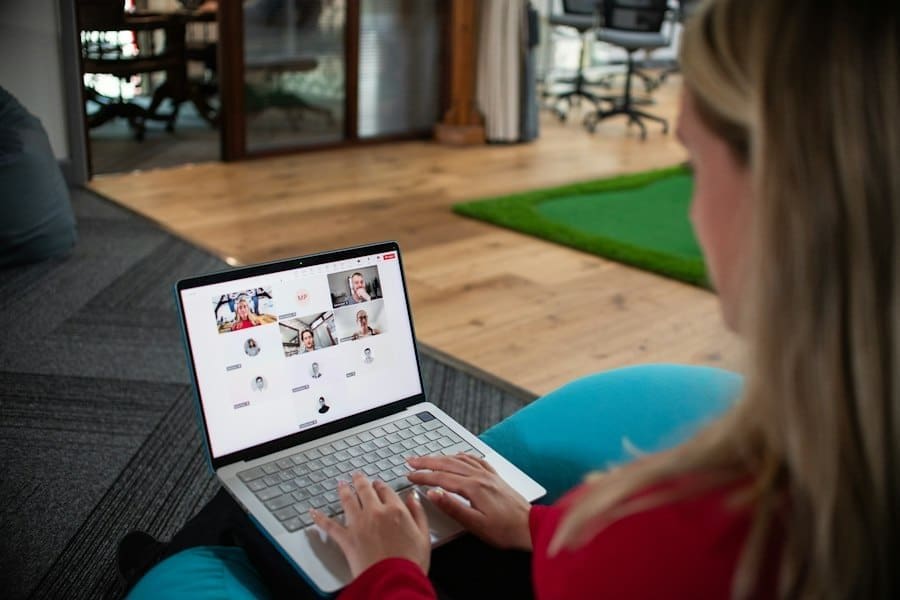
In a remote setting, effective communication is not just important; it's the bedrock upon which all successful collaboration is built. The absence of impromptu desk visits or overheard conversations means that every interaction must be more deliberate and explicit. I quickly realized that I needed to be proactive in my communication, over-communicating at times, to ensure clarity and prevent misunderstandings. This was a significant shift from my previous in-office roles, where a quick glance or a raised eyebrow could convey a wealth of information. Now, every nuance had to be translated into words, whether written or spoken.
Decoding the Digital Communication Landscape
My new company utilized a suite of digital communication tools, each with its own purpose and etiquette. There was the ubiquitous Slack for instant messaging and quick queries, email for more formal communications and detailed information, and Zoom for video calls and team meetings. I had to learn which tool was appropriate for which type of communication. For example, a quick question about a project update was perfect for Slack, while a detailed proposal or a sensitive discussion was better suited for an email or a scheduled video call.
I also learned to be mindful of asynchronous communication. With team members spread across different time zones, real-time conversations weren't always possible. This meant I had to articulate my thoughts clearly and concisely in written form, anticipating potential questions and providing all necessary context upfront. I practiced structuring my messages logically, using bullet points and headings to improve readability. This focus on clear, structured writing became an invaluable skill, reducing the need for follow-up questions and accelerating decision-making.
One crucial aspect of remote communication I embraced was setting clear expectations regarding response times. When sending a message, I tried to indicate if a rapid response was needed or if it could be addressed later. Similarly, when I received messages, I aimed to acknowledge them promptly, even if it was just to say, "Got it, I'll look into this soon." This simple act of acknowledgment built trust and showed respect for my colleagues' time.
Building Virtual Rapport and Team Cohesion
One of my initial concerns about remote work was how to build genuine connections with my colleagues without the benefit of in-person interactions. I understood that simply completing tasks wasn't enough; I needed to integrate myself into the team's social fabric. My manager encouraged me to participate actively in team meetings, even if it was just to listen initially. Over time, I started contributing to discussions, asking clarifying questions, and offering my perspectives.
I also sought out opportunities for informal interactions. The company had a dedicated "water cooler" Slack channel where non-work-related conversations took place. I made an effort to engage in these discussions, sharing anecdotes about my weekend or participating in light-hearted banter. These small interactions helped me get to know my colleagues on a more personal level, fostering a sense of camaraderie that transcended the virtual barrier.
Another effective strategy was to schedule informal 1:1 video calls with colleagues, especially those I would be collaborating with closely. These calls weren't always about work; sometimes, they were just an opportunity to chat about our roles, share insights, or simply get to know each other better. These proactive efforts to build relationships were reciprocated, and I quickly felt like a valued member of the team, not just an isolated remote worker. I learned that showing genuine interest in my colleagues' work and personal lives, within appropriate boundaries, was key to forging strong virtual relationships.
+ Join Our Writing Community for FREE
Chain Story Online
Fun, free, flash fiction writing with writers just like you. You have ~100 words to begin a story or continue a story and make it yours.
Story Bible Studio
Digital space for writers to plot, plan, and build better stories. Designed by writers for writers. Your final draft awaits.
Navigating Productivity and Time Management Remotely

The freedom and flexibility of remote work are often touted as significant benefits, and I've certainly experienced them. However, with that freedom comes the increased responsibility of managing my own time and maintaining productivity without the external cues of an office environment. There's no commute to signal the start and end of the workday, and no colleagues physically leaving the office to prompt me to wrap things up. I quickly realized that self-discipline and effective time management strategies were paramount to my success.
Crafting a Productive Remote Workspace
My first step in optimizing my productivity was to establish a dedicated workspace. This wasn't just a physical space; it was a mental one too. I designated a specific area in my home as my "office" and made an effort to keep it organized and free from distractions. This physical separation helped me transition into a work mindset when I entered the space and disconnect when I left it.
I also paid attention to ergonomics, ensuring my chair and desk were set up to prevent strain and fatigue. A comfortable and well-lit workspace contributed significantly to my ability to focus for extended periods. Beyond the physical setup, I established a routine. I started my day at roughly the same time, took regular breaks, and aimed to finish around the same time each day. This structure provided a sense of normalcy and helped me maintain a consistent work rhythm. I learned that consistency, even in a flexible environment, was a powerful tool for productivity.
Minimizing distractions was another crucial aspect. I learned to silence non-essential notifications on my phone and computer during work hours. I also communicated my work schedule to my household members, asking for uninterrupted time during critical periods. While it wasn't always perfect, these measures significantly reduced interruptions and allowed me to focus deeply on my tasks.
Harnessing Tools and Techniques for Remote Efficiency
I quickly became proficient in using project management tools to track my tasks and monitor my progress. Tools like Asana or Trello, which my company utilized, became my virtual whiteboard, allowing me to visualize my workload and prioritize effectively. I learned to break down larger projects into smaller, manageable tasks, assigning deadlines and tracking their completion. This granular approach helped me stay on top of my responsibilities and provided a clear sense of accomplishment as I checked off items.
Time-blocking became another invaluable technique. I allocated specific blocks of time in my calendar for focused work on particular projects, treating these blocks as non-negotiable appointments. During these periods, I minimized distractions and dedicated my full attention to the task at hand. I also incorporated "deep work" sessions, where I would intentionally disconnect from all communication channels to concentrate on complex tasks requiring sustained focus. These uninterrupted periods were crucial for tackling challenging problems and producing high-quality work.
I also learned the importance of taking regular breaks. Stepping away from my desk, even for a few minutes, to stretch, grab a snack, or simply clear my head, significantly improved my focus and energy levels throughout the day. I discovered that a short walk outside or a quick stretching routine could be incredibly rejuvenating, preventing burnout and maintaining mental clarity. I also made sure to schedule "buffer" time between meetings to decompress and prepare for the next one, avoiding the "Zoom fatigue" that can easily set in with back-to-back video calls.
Proactive Learning and Self-Advocacy
The first 90 days are a steep learning curve, regardless of the work environment. In a remote role, however, I found that I had to be even more proactive in seeking out information and advocating for my own learning and development. The organic learning that happens through osmosis in an office setting – overhearing conversations, observing colleagues, or impromptu questions – is largely absent. This means I had to actively seek out knowledge and voice my needs.
Seeking Knowledge and Understanding Company Culture
From day one, I made it a priority to immerse myself in the company's documentation and resources. This included internal wikis, training materials, and past project files. I treated these resources as my personal library, spending dedicated time each day exploring them to understand the company's products, processes, and historical context. I quickly learned that the answers to many of my initial questions could often be found within these existing resources, saving both my time and that of my colleagues.
Beyond formal documentation, I also sought to understand the company's unwritten rules and cultural nuances. This involved observing how my colleagues communicated, what values seemed to be emphasized in team discussions, and how decisions were typically made. I paid attention to the language used, the tone of messages, and the frequency of interactions. This informal observation provided invaluable insights into the company's operational rhythm and its underlying values.
I wasn't afraid to ask "stupid questions." In a remote environment, clarity is paramount, and it's far better to ask for clarification than to make assumptions that could lead to errors. I made sure to frame my questions clearly and provide context, making it easier for my colleagues to provide helpful answers. I also learned to aggregate my questions, saving them up for a dedicated time with my manager or a more experienced colleague, rather than peppering them with individual queries throughout the day.
Advocating for My Development and Needs
I understood that my manager couldn't read my mind, especially from a distance. Therefore, I made a conscious effort to communicate my learning goals and any challenges I was facing. During my regular 1:1 meetings with my manager, I proactively discussed my progress, identified areas where I needed more support or training, and articulated my career aspirations. This open and honest dialogue ensured that my manager was aware of my development needs and could provide the necessary resources and guidance.
I also learned to advocate for the tools and resources that would enhance my productivity and well-being in a remote setting. This could involve requesting access to specific software, suggesting new collaboration tools, or even discussing ergonomic equipment if needed. I approached these discussions with a clear rationale, explaining how the requested resources would benefit both my individual performance and the team's overall effectiveness.
Furthermore, I proactively sought feedback. I understood that feedback, especially constructive criticism, was essential for growth. I asked my manager and colleagues for specific feedback on my work, communication style, and overall contributions. I actively listened to their suggestions and made a conscious effort to implement them. This demonstrated my commitment to continuous improvement and my willingness to adapt, which is particularly valuable in a dynamic remote environment. I found that showing a genuine desire to learn and improve not only accelerated my development but also strengthened my relationships with my team.
When starting a new remote job, it's essential to navigate the initial period effectively, and a helpful resource for this is the article on effective communication strategies in remote teams. This piece offers valuable insights that complement the guidance found in "Remote Onboarding: Your First 90 Days in a Remote Job." By understanding how to communicate effectively with your team, you can enhance your onboarding experience and build strong relationships from the start. For more information, you can read the article here.
If you're looking for a collaborative writing platform, check out Chain Story Online. It's a great way to connect with other writers and create stories together. Many users have found inspiration and creativity through Chain Story Online.
Reflecting and Iterating: Beyond the First 90 Days
As I approached the 90-day mark, I realized that this initial period wasn't just about surviving; it was about laying a strong foundation for long-term success in my remote role. The first three months were an intensive learning experience, where I adapted my work habits, honed my communication skills, and integrated myself into a new team, all from a distance. However, I knew that the journey didn't end there. Continuous reflection and iteration would be key to sustaining my growth and performance in this evolving work landscape.
Reviewing Progress and Identifying Areas for Growth
At the 90-day point, I took the time to conduct a personal retrospective. I reviewed my initial goals, assessed my progress, and identified areas where I had excelled and areas where I needed to improve. This self-assessment was not about judgment but about objective analysis. I looked back at my completed tasks, my contributions to team projects, and my engagement with colleagues. I also considered my challenges – moments of frustration, confusion, or difficulty – and tried to understand their root causes.
I also sought formal feedback from my manager. During our 1:1, I asked for a comprehensive review of my performance over the past three months. I encouraged open and honest feedback, recognizing that external perspectives are crucial for a balanced self-assessment. We discussed my strengths, identified areas for further development, and set new goals for the upcoming months. This structured feedback session provided valuable insights and helped me refine my development plan.
Beyond performance metrics, I also reflected on my well-being. Was I maintaining a healthy work-life balance? Was I experiencing "Zoom fatigue" or feeling isolated? These personal reflections were just as important as professional ones, as my overall well-being directly impacted my productivity and engagement. I learned that proactively addressing potential burnout or isolation was crucial for long-term sustainability in a remote role.
Sustaining Connection and Evolution in a Remote World
One of the biggest takeaways from my first 90 days was the critical importance of sustained connection. Building rapport remotely takes time and consistent effort. I committed to continuing my proactive approach to communication and collaboration, scheduling regular check-ins with colleagues, and participating in informal team events. I understood that these continuous efforts were essential to maintaining strong relationships and a sense of belonging within the team.
The remote work landscape is constantly evolving, with new tools, practices, and challenges emerging regularly. I recognized the need to remain adaptable and open to change. This meant staying informed about new technologies, participating in professional development opportunities, and actively seeking out ways to improve my remote work efficiency. I saw myself as a perpetual learner, always looking for ways to refine my approach and optimize my performance.
Final Thoughts on Remote Onboarding
Ultimately, my first 90 days in a remote role taught me that success isn't just about mastering tasks; it's about mastering myself. It's about cultivating self-discipline, fostering proactive communication, and continuously investing in personal and professional growth. This journey is ongoing, and I am confident that by embracing these principles, I can thrive in the remote work environment for the long haul. The initial challenges have transformed into valuable lessons, and I look forward to continuing to grow and contribute effectively from wherever I am.
Next step: Want to go further? Read the best free tools for remote teams.
Related reading: How to Build Relationships With Colleagues You Never Meet · How to Thrive While Working Remotely: Top Tips for Success
Enda Storrie is a writer and the creator of Story Bible, the planning journal and app for writers, and Chain Story Online, a free collaborative storytelling platform.