
Laying the Groundwork for Your Story
So, you’ve decided to write a children’s picture book. Perhaps you’ve got a fantastic idea bubbling, or maybe you simply adore the magic of storytelling for little ones. Whatever your motivation, embarking on this journey is exciting and incredibly rewarding. Before you dive headfirst into crafting delightful sentences and imagining vibrant illustrations, it’s crucial to lay a solid foundation. This initial stage involves understanding your audience, defining your core message, and beginning to shape the world your characters will inhabit. Think of it as preparing your canvas before you start painting.
Understanding Your Audience: The Littlest Readers
Your first and most vital step is to truly understand who you’re writing for. Children’s picture books are typically aimed at children aged 0-8, but within that broad spectrum, there are significant developmental differences. A book for a 2-year-old will be vastly different from one for a 7-year-old.
Age-Appropriate Themes and Concepts
For toddlers (0-3), focus on simple, concrete concepts: colors, shapes, animal sounds, familiar routines (bedtime, mealtime), and basic emotions. Repetition is key, as is a strong rhythmic quality to the text. The story arc might be very gentle, perhaps just a sequence of events without a strong problem/resolution structure. Think board books.
For preschoolers (3-5), you can introduce slightly more complex themes: friendship, sharing, bravery, dealing with new experiences (first day of school, a new sibling), and problem-solving. Humor starts to become more appreciated, and characters can have distinct personalities. The vocabulary can expand a little, but still keep sentences short and clear.
For early elementary (5-8), children are often learning to read themselves, so phonics and sight words can be subtly incorporated. Stories can explore more intricate plot lines, character development, and emotional depth. Themes like self-acceptance, overcoming challenges, empathy, and understanding the world around them resonate well. This age group can handle a bit more text per page and appreciate richer vocabulary.
Considering your target age group from the outset will influence every aspect of your book, from the complexity of your plot to the rhythm of your language and the style of illustrations. Don’t try to appeal to everyone; narrow your focus for maximum impact.
The Read-Aloud Experience
Remember that most picture books are read aloud, often by a parent or caregiver. Your text needs to flow well orally. Read your words aloud as you write them. Do they trip off the tongue? Is there a natural rhythm? Are there any tongue-twisters? Consider the pacing: where might a reader pause, and where should the story rush forward? Engaging language, sound effects (onomatopoeia), and opportunities for vocal expression will make your book a joy to share. The adult reader is also part of your audience; if they enjoy reading it, they’re more likely to reread it.
Discovering Your Core Idea and Message
Every compelling picture book has a heart, a central idea, or a message that resonates with young readers. This isn’t about being preachy, but about offering a gentle insight, sparking curiosity, or affirming an important truth.
Brainstorming and Idea Generation
Where do good ideas come from? Everywhere! Your own childhood memories, observations of children, interesting facts, a peculiar animal, a vivid dream – anything can be a seed. Start by jotting down every single idea that comes to mind, no matter how silly or small. Don’t filter at this stage.
Once you have a list, look for patterns or ideas that spark genuine excitement. What “what if” questions can you ask? What if a mouse wanted to fly? What if a cloud felt lonely? What if a child discovered a secret garden? These questions often lead to the core conflict or premise.
Defining Your Theme and Message
After you have a central idea, think about what you want your story to say. What’s the underlying theme? It could be perseverance, the importance of friendship, celebrating differences, the courage to try new things, or simply the joy of imagination. Your message shouldn’t be overtly stated; instead, it should emerge naturally from the characters’ actions and the story’s progression. Children are smart; they’ll pick up on the meaning without being lectured. Keep your message simple and positive.
For example, if your story is about a little bear who is afraid of the dark, the message might be about overcoming fear or finding comfort in familiar routines. If it’s about a shy octopus, the message could be about finding your voice or the beauty of unique talents.
If you’re interested in learning more about the intricacies of crafting a captivating children’s picture book, you might find this related article helpful: How to Write a Children’s Picture Book. This resource provides valuable insights into character development, storytelling techniques, and the importance of illustrations, making it an essential read for aspiring authors in the genre.
Crafting Your Narrative Arc

With your foundation set, it’s time to move into the architecture of your story. Even picture books, with their limited word counts, benefit from a clear narrative arc. This structure helps guide your characters through a challenge, allowing young readers to follow along and connect with their journey. Think of it as a miniature epic, condensed into a few dozen pages.
The Essential Elements of a Picture Book Plot
While plots can vary widely, most successful picture books follow a simplified version of the classic story arc: beginning, middle, and end.
The Inciting Incident
Every story needs a spark, something that sets the events in motion. This is your inciting incident. It introduces the main character and presents them with a problem, a desire, or a new situation that disrupts their ordinary world. Perhaps a quiet mouse finds a treasure map, or a little girl wants to plant a sunflower, but doesn’t know how. This incident should clearly establish the main character’s goal or the central conflict. Keep it simple and immediately engaging for your young audience.
Rising Action and Repeated Elements
After the inciting incident, your character will face challenges or try different approaches to achieve their goal. This is your rising action. In picture books, this often involves a series of attempts, each leading to a slight setback or a humorous failure. This repetition is incredibly effective for young children, offering predictability and reinforcing key concepts. Think about the “Three Little Pigs” or “The Little Engine That Could.”
You can use a pattern of three, five, or seven attempts. Each attempt can build slightly on the last, adding a new element or increasing the stakes in a gentle way. This repetition not only makes the story engaging but also helps young children predict what might happen next, boosting their confidence as listeners and early readers.
The Climax and Resolution
The climax is the turning point, the moment where the main character finally confronts their biggest challenge or makes a crucial decision. This is usually the most exciting part of the story. Will the mouse find the treasure? Will the sunflower grow? The climax often leads directly to the resolution, where the problem is solved, the goal is achieved, or the character learns a valuable lesson.
The resolution should feel satisfying and tie up any loose ends. It doesn’t always have to be a grand, dramatic conclusion. Sometimes, the resolution is simply a sense of peace, understanding, or a happy return to the familiar, but with a newfound perspective. Ensure the ending reinforces your core message without being overly preachy. A good resolution leaves the child feeling happy, hopeful, or thoughtful.
Mastering the Art of Word Count and Pacing
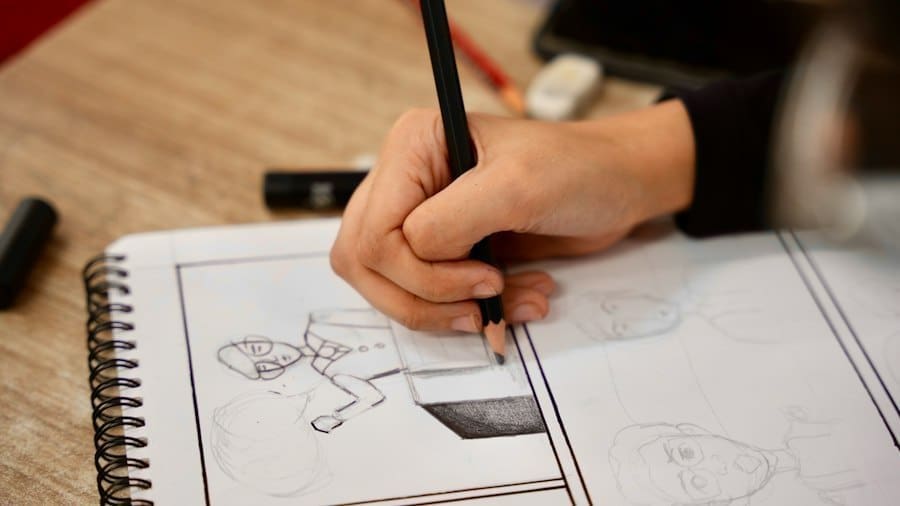
Picture books are unique in that much of the story is told through illustrations. Your words, therefore, need to be concise, impactful, and work in perfect harmony with the visual narrative. This means being acutely aware of your word count and how your text paces the reader through the story.
The Magic Number: Word Count Guidelines
One of the most common questions about writing a picture book is “How long should it be?” While there are always exceptions, sticking to established guidelines significantly increases your chances of publication.
General Word Count Ranges
For most traditional picture books (for ages 3-8), aim for a word count between 300 and 800 words. Many successful picture books land squarely in the 500-600 word range. Board books for babies and toddlers (0-3) can be as short as 50-200 words, often just a few words per page.
Why so few words? Because every word carries immense weight. The illustrations will do a tremendous amount of heavy lifting, conveying emotions, setting, and often subtext that you don’t need to explicitly state. Too many words overwhelm young readers, reduce the space for illustrations, and can make the read-aloud experience lengthy and tiring. Be prepared to cut, cut, and cut again. Every word must earn its place.
The Page Turn and Pacing
A standard picture book usually has 32 pages (including endpapers, title page, etc., meaning 24-28 story pages). This means your story needs to be broken down into discrete moments that fit across these pages, often with just a sentence or two, or a short paragraph per page spread.
Consider the “page turn” as a crucial storytelling device. What information do you reveal just before a page turn? What anticipation can you build? Sometimes, you might end a page with a question or a cliffhanger to encourage the turn. Other times, the page turn reveals the delightful resolution to a problem introduced on the previous page.
Pacing is how quickly or slowly the story unfolds. Short, punchy sentences can create a sense of urgency or excitement. Longer, more descriptive sentences (used sparingly) can slow the pace, allowing for reflection or observation. The rhythm of your text should complement the unfolding action. Reading your manuscript aloud is the best way to gauge pacing. If you find yourself rushing or stumbling, it’s a sign to revise.
Developing Engaging Language and Tone
With such a limited word count, every word choice matters. Your language should be vibrant, memorable, and appropriate for your target audience.
Sensory Details and Active Voice
Engage a child’s senses! Instead of saying “the tree was big,” try “the towering oak scraped the sky” or “the rough bark tickled her fingers.” Use strong verbs and active voice (“The bear chased the bee” instead of “The bee was chased by* the bear”). These choices create more vivid imagery and make your story more dynamic. Think about sounds, smells, textures, and tastes – even if only subtly suggested.
Rhyme, Rhythm, and Readability
While not all picture books rhyme, if you choose to do so, it must be done well. Forced rhymes or those that sacrifice meaning for sound will detract from your story. If you opt for rhyme, ensure your meter is consistent and your rhymes are natural, not strained. Read it aloud, over and over again, to catch any awkward phrasing.
Even in prose, rhythm is important. Vary your sentence length. Use alliteration, assonance, and onomatopoeia to add musicality and fun. Words like “crunch,” “zoom,” “whisper,” and “plop” bring the story to life. The overall tone of your book should be consistent – whether it’s humorous, gentle, adventurous, or comforting. This is where your voice as a writer shines through.
Crafting Compelling Characters and Setting
Even with limited text and illustrations, your characters need to feel real and your setting vibrant. These elements work together to immerse young readers in your story world and make them care about what happens.
Bringing Your Characters to Life
Children often connect deeply with characters in picture books, seeing aspects of themselves or their world reflected in them.
The Main Character’s Journey
Your main character, whether an animal, a child, or even an inanimate object, should have a clear goal or an emotional journey. What do they want? What stands in their way? How do they change or grow by the end of the story? This doesn’t need to be a profound transformation, but even a small shift in understanding or feeling can be powerful for a young child.
Give your character a distinct personality. Are they brave, shy, curious, mischievous? What makes them unique? Show, don’t just tell. Instead of saying “the bear was clumsy,” describe him tripping over his own paws or spilling honey. These small details make characters memorable and relatable.
Supporting Characters and Their Roles
While the focus is on your main character, supporting characters can add depth, humor, or aid in the main character’s journey. A wise owl might offer advice, a playful squirrel might distract the hero, or a kind friend might offer comfort. Each supporting character should have a purpose within the story. Avoid introducing too many characters, as this can overwhelm young readers and dilute the focus. Each character, no matter how small their role, should serve the story.
Building Your Story’s World
The setting is more than just a backdrop; it can be an active participant in your story, influencing the mood and providing opportunities for visual storytelling.
Vivid Settings and Their Impact
Describe your setting using sensory details that will be complemented by illustrations. Is it a cozy bedroom, a bustling city park, a fantastical forest, or a vast ocean? How does the setting influence the character’s actions or emotions? A dark, scary cave will feel different from a sunny, open meadow.
Think about the time of day, the weather, and the specific objects within the setting. For instance, a story set at night offers opportunities for exploring stars, shadows, and the quiet sounds of slumber. A story at the beach brings in sand, waves, and seashells. These details will not only enrich your text but also give your illustrator plenty to work with.
Showing, Not Telling, Through Setting
Instead of explicitly stating a mood, let the setting help convey it. If a character feels lonely, perhaps they are pictured in a vast, empty space. If they feel happy, maybe they are surrounded by bright flowers and sunshine. The interaction between your character and their environment is crucial for visual storytelling. Consider how the illustrations will interpret your descriptions and how you can leave space for them to do so effectively. The best picture books achieve a synergy between words and pictures, where neither can fully tell the story alone.
When embarking on the journey of crafting a children’s picture book, it’s essential to understand the broader context of storytelling and audience engagement. A valuable resource that complements this endeavor is an article that explores how to leverage digital platforms for effective storytelling. For insights on enhancing your online presence and reaching a wider audience, you can check out this informative piece on unleashing the power of WordPress websites for your business success. This knowledge can be instrumental in promoting your picture book and connecting with readers.
Revising, Refining, and Presenting Your Manuscript
You’ve poured your heart into the first draft, but the real magic of writing often happens in the revision process. This stage is about polishing your gem, ensuring it shines for your readers and is ready for the next step: presentation.
The Iterative Process of Revision
No one gets it perfect on the first try. Revision is not a sign of failure; it’s an essential part of crafting a compelling story.
Self-Editing for Clarity and Conciseness
Read your manuscript aloud, multiple times. Does it flow? Are there any awkward phrases or sentences that trip you up? Look for opportunities to simplify language. Can you say something in five words instead of ten? Eliminate adverbs and adjectives where stronger verbs and nouns can do the job. Cut anything that doesn’t advance the plot or reveal character. Each word should be essential. Check for repetition of words or phrases, unless it’s intentional for rhythm or emphasis.
Focus on making every sentence clear and easy for a young child to understand. Avoid jargon or complex sentence structures. Ensure your core message is clear and consistently woven through the narrative.
Seeking Feedback and Critiques
Once you’ve done all you can on your own, it’s time to get fresh eyes on your work. Join a critique group, find fellow writers, or ask trusted readers (ideally those familiar with children’s literature) to review your manuscript. Be open to constructive criticism. Their insights can highlight areas you’ve overlooked, reveal plot holes, or point out where your pacing falters.
When receiving feedback, listen actively. Don’t be defensive. Take notes, then step away for a day or two before you implement changes. Not every piece of advice will resonate, and that’s okay. Ultimately, it’s your story, but outside perspectives are invaluable for improvement. Pay particular attention to feedback regarding your target audience – does the story resonate with young children? Is it age-appropriate?
Formatting Your Manuscript for Submission
Once your manuscript is polished, it needs to be presented professionally. While you won’t be submitting illustrations (unless you are also the illustrator), your text needs to be clear and easy for agents and editors to read.
Standard Manuscript Format
The standard format for picture book manuscripts is simple:
- 12-point font, Times New Roman or a similar clear serif font.
- Double-spaced throughout.
- One-inch margins on all sides.
- Your name, contact information (email, phone, address) in the upper left corner of the first page.
- Word count in the upper right corner of the first page.
- Page numbers in the header or footer of every page after the first, along with your last name or a shortened version of your title (e.g., “Bear Story/2”).
- Title of your manuscript centered about a third of the way down the first page, followed by “by [Your Name]” centered below it.
- Start the actual story text a few lines below your name.
- Do NOT include illustrations or suggest specific illustrations within the text unless you are also the illustrator and the art notes are crucial to the story. If you must include an art note (e.g., “Little Bear waves goodbye. [Illustration: Little Bear stands on a hill, waving to a setting sun.]”), keep it brief and in parentheses or brackets, italicized. Use them very, very sparingly. Let the illustrator have creative freedom.
The Importance of a Strong Hook and Satisfying Ending
Remember that agents and editors read hundreds of submissions. Your first few sentences need to grab their attention. Craft an opening that introduces your character or conflict in an engaging way, setting the stage for the adventure to come.
Equally important is a satisfying ending. It should resolve the main conflict, reinforce your theme, and leave the reader feeling content or thoughtful. A strong ending often makes the entire story feel more impactful. Ensure your final paragraph or sentence leaves a lasting impression, a final note that resonates long after the book is closed. A well-crafted ending makes an editor want to pick up the next manuscript you’ve written.
P.S. Enjoyed this? Become an insider and I'll send you one of my favourite posts every couple of weeks.