How to finish your first draft: silence your inner editor, set daily targets, plan just enough and push through the messy middle.
Bonus: Download the free Story Bible Skeleton checklist to plan your own story as you read.
Embracing the Inevitable Imperfection
I remember the thrill, the absolute electric jolt of starting a new writing project. The blank page, full of possibility, felt like an open invitation to build worlds and explore ideas. But then, almost inevitably, a familiar dread would creep in. A sentence I wrote yesterday suddenly seemed clumsy. A character's motivation felt forced. A plot point, so clear in my mind just hours before, now felt like a gaping hole. This insidious self-doubt, this urge to fix things before they were even fully formed, was the bane of my writing existence.
I’d find myself deleting entire paragraphs, rewriting scenes, and before I knew it, I was back at the beginning, trapped in a seemingly endless loop of "starting over." I lost count of the promising stories that languished, forever stuck in their infancy, victims of my perfectionism. It took me a long time, and a good deal of frustration, to realize that this obsessive need to refine everything now was precisely what was preventing me from ever finishing anything. The truth, I discovered, is that a first draft isn't meant to be perfect; it's meant to be finished.
It's a skeleton, a raw blueprint, a messy clay sculpture that needs to be allowed to take shape before any detailed chiseling can begin. This fundamental shift in perspective was the first, and most crucial, step in breaking free from the starting-over cycle. I had to learn to embrace the mess, to accept that my initial attempts would be flawed, and to trust that the real work of polishing would come later.
The Tyranny of the Blank Page
The blank page, while initially exhilarating, can quickly become an intimidating adversary. Its pristine emptiness demands perfection, whispering doubts into my ear about every word I consider. I found myself staring at it for hours, paralyzed by the fear of getting it wrong. This fear, I now understand, stems from an unrealistic expectation. I used to approach the first draft as if it were the final product, expecting every sentence to sing, every paragraph to flow seamlessly.
This put immense pressure on me and made the act of writing feel like a high-stakes performance rather than a creative exploration. I've learned to reframe the blank page not as a judge, but as an empty canvas, waiting for my brushstrokes, however clumsy they may be at first. The goal isn't to create a masterpiece on the first try, but simply to fill the space.
Reframing the Purpose of a First Draft
For a long time, I conflated writing a first draft with writing a final draft. I thought the entire process was about getting it right from the get-go. This misconception was incredibly damaging. Now, I see the first draft as a discovery process. It’s where I figure out what the story is. It’s where I meet my characters for the first time, even if their voices aren’t fully formed yet. It’s where I stumble upon plot twists I hadn’t anticipated.
It’s a space for exploration, for making mistakes, and for allowing the narrative to unfold organically. I often tell myself, "You can't edit a blank page." This simple mantra reminds me that the most important thing is to get something down, anything, so that I have material to work with later. The first draft is permission to be messy, to be inefficient, to be plain bad, if that's what it takes to get the story out of my head and onto the page.
If you're looking for inspiration to push through your writing journey, you might find the article on conquering physical challenges, such as hiking Nephin, particularly motivating. Just as finishing your first draft requires determination and perseverance, so does reaching the summit of a mountain. You can read more about this adventurous experience in the article Conquering Nephin: A Walk to the Summit.
Establishing a Clear Goal and a Manageable Routine

Once I accepted the inherent imperfection of the first draft, my next challenge was to establish a framework that would actually allow me to finish it. This meant setting clear, achievable goals and building a consistent writing routine, even when inspiration felt elusive. I learned that relying solely on flashes of brilliance was a recipe for perpetual starting over. Inspiration is wonderful when it strikes, but discipline is what gets the work done.
I had to treat my writing like a job, albeit one I loved, and show up for it regularly, regardless of my mood or the quality of my output on any given day. This shift from a sporadic, inspiration-driven approach to a consistent, routine-driven one was transformative. It allowed me to build momentum, to see progress, and to feel a sense of accomplishment, even if the words weren't always dazzling.
Defining Your "Finished"
One of the biggest hurdles I faced was not knowing what "finished" truly looked like for a first draft. Was it a perfect manuscript? A polished story? No, I realized. For a first draft, "finished" simply means the story has reached its conclusion. Every plot point, however rough, has been touched upon. Every character arc, however undeveloped, has been explored. The entire narrative, from beginning to end, exists in some form. I stopped demanding perfection and started aiming for completion.
I might have notes in the margins, sections marked "TO DO," or even entire scenes that felt clunky, but as long as I had reached the end of the narrative, I considered the first draft complete. This redefined "finished" became my compass, guiding me through the messy middle and pushing me towards the final page. I focus on ensuring that all major plot beats are hit, character introductions are made, and the story’s central conflict is resolved, even if crudely. The goal is to have the entire skeletal structure of the narrative in place.
The Power of Consistent, Small Increments
My previous approach involved attempting to write for hours on end, often leading to burnout and frustration when the words wouldn't flow. I'd sit down with the expectation of churning out thousands of words, and when I inevitably fell short, I'd feel like a failure. This all-or-nothing mentality was detrimental. I discovered the immense power of consistent, small increments. Instead of aiming for a marathon, I started aiming for a sprint.
I set a daily word count goal – usually around 500 words – or a time limit, like 30 minutes of focused writing. The key was consistency. I committed to hitting that goal every single day, or almost every day, without fail. On days when I felt inspired, I'd often exceed it. On days when I felt completely blocked, I'd push through for the minimum, knowing that even a few hundred words were better than zero.
This seemingly small shift had a profound impact. It reduced the pressure, made writing feel less daunting, and allowed me to build a consistent habit. The cumulative effect of these small increments was astonishing; suddenly, my drafts were growing at a steady, predictable pace. It wasn't about heroic bursts of productivity, but about the steady drip of progress.
+ Join Our Writing Community for FREE
Chain Story Online
Fun, free, flash fiction writing with writers just like you. You have ~100 words to begin a story or continue a story and make it yours.
Story Bible Studio
Digital space for writers to plot, plan, and build better stories. Designed by writers for writers. Your final draft awaits.
Establishing a Dedicated Writing Space and Time
To support my new routine, I realized I needed to create a dedicated environment for writing. This doesn't mean a fancy office; it simply means a space where I can minimize distractions and signal to my brain that it's "writing time." For me, it's a corner of my dining room table, cleared of clutter, with my laptop and a cup of tea. I also established a specific time of day for writing. For a while, it was first thing in the morning, before the demands of the day could derail me.
Later, it shifted to evenings after my kids were asleep. The exact time isn't as important as the consistency. By having a designated space and time, I created a ritual that cued my brain to switch into creative mode. This ritual helped me overcome inertia and resist the urge to procrastinate. It became a sacred block of time where my only focus was getting words on the page.
Silencing the Inner Critic (During the First Draft)
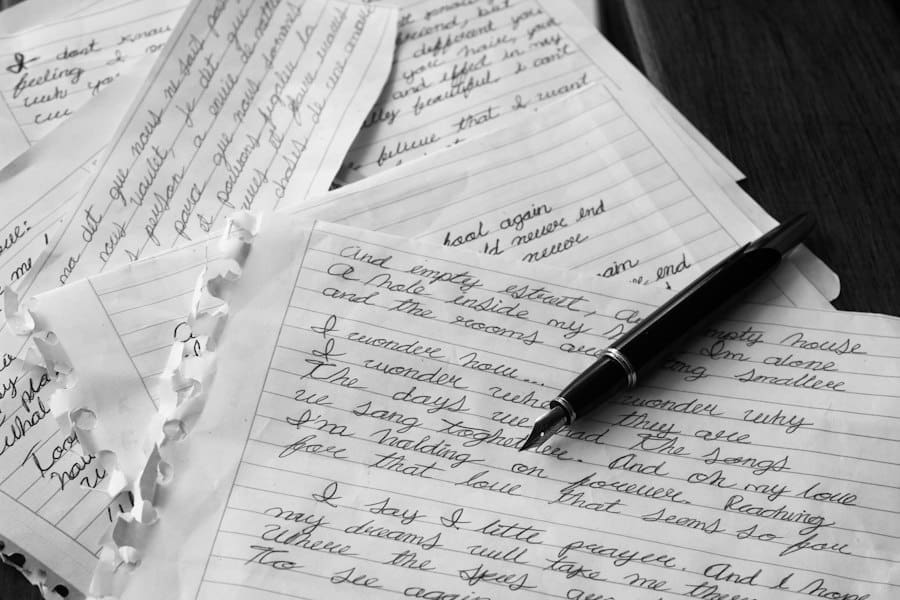
This was, by far, the hardest lesson for me to learn. My inner critic is a powerful and persuasive voice, always ready to point out flaws, question choices, and suggest endless revisions. In the past, I'd listen to it, stopping mid-sentence to rephrase, or deleting entire paragraphs because they didn't sound "right." This constant self-editing during the first draft was the primary reason I kept starting over.
I was trying to polish something that hadn't even been fully sculpted yet. I had to learn to build a mental wall between my creative self and my critical self, allowing the former to run wild during the initial draft and only inviting the latter in once the story was complete. This separation of concerns was a game-changer. It allowed me to write with freedom, knowing that judgment would be deferred.
The "Ugly First Draft" Philosophy
I embraced the concept of the "ugly first draft" with open arms. This philosophy gave me permission to write badly, to make mistakes, to produce something truly rough around the edges. The goal is simply to get the story down, no matter how clunky, awkward, or incomplete it feels. I often tell myself, "This is just for me right now." This internal dialogue helps alleviate the pressure of external judgment.
I remind myself that no one else will see this raw, unpolished version. It's my sandbox, my messy play space where I can experiment without fear of scrutiny. The beauty of the ugly first draft is that it exists. It’s something tangible that can be improved upon. A perfect, but unwritten, draft is still just a dream. I prioritize quantity over quality in this stage, knowing that I can always refine later.
Deactivating the Edit Button
One practical strategy I implemented was to mentally "deactivate" the edit button during my writing sessions. This meant no going back to fix typos, no agonizing over word choice, and certainly no deleting entire sections. If I noticed a glaring error or had an idea for a better way to phrase something, I'd simply make a quick note in the margin or use a placeholder like "[BETTER WORD HERE]" and keep moving forward. The goal was forward momentum, always. Stopping to edit is a trap that pulls you out of the creative flow and often leads to getting stuck.
I trained myself to resist the urge to self-correct in real-time. My mantra became "get it all out, then fix it all up." This separation of writing and editing allowed me to maintain my flow and push through difficult sections without getting bogged down in perfectionism. I also found that sometimes, when I came back to a section later, the "flaw" I thought was so egregious wasn't actually that bad, or I had a much clearer idea of how to improve it after seeing the whole picture.
Using Outlines as a Guardrail, Not a Straitjacket
While I'm not a rigid outliner, I found that having a loose framework for my story was incredibly helpful in preventing me from getting lost or starting over due to lack of direction. My outlines are more like a road map than a detailed itinerary. They include major plot points, character arcs, and key themes I want to explore. This provides a sense of direction without stifling creativity. When I inevitably hit a snag or feel the urge to rewrite an entire section, I refer back to my outline.
It reminds me of the larger narrative arc and helps me understand where I'm going. This prevents me from getting stuck in the weeds of a single scene or chapter and losing sight of the overall story. The outline serves as a guardrail, keeping me on the right path, but it's flexible enough to allow for unexpected detours and discoveries. I see it as a living document, subject to change as the story evolves, but always there to provide a sense of purpose.
Overcoming Mid-Draft Despair and Procrastination
The "messy middle" is a notorious killer of first drafts. This is where the initial excitement has worn off, the novelty has faded, and the sheer volume of work ahead feels overwhelming. It's the point where doubts are loudest, and the temptation to scrap everything and start fresh with a "better" idea is strongest. I've been there countless times, staring at a half-finished manuscript, feeling completely drained and wondering if I was even capable of finishing.
Learning to navigate this period of mid-draft despair was crucial to my success. It required resilience, self-compassion, and a toolkit of strategies to push through the resistance. I learned that showing up even when I didn't feel like it was a vital part of the process, and that often, the breakthrough moments came after I'd pushed past the initial feeling of dread.
Leaning into the Momentum
One of the most effective ways I combat mid-draft despair is by consciously leaning into any momentum I've gained. Even if I only manage a few sentences on a particularly tough day, I acknowledge that effort. I try to end each writing session in a place where I know what's coming next, or at least with a clear idea of the next small step. This makes it easier to pick up where I left off the following day, reducing the friction of starting cold.
When I feel like giving up, I remind myself of the progress I've already made. I look at the growing word count, the completed chapters, and the pages that are already filled with story. This visual representation of my progress helps to counter the feeling that I'm not getting anywhere. Each completed sentence, each paragraph, each page is a victory, no matter how small.
The Reward System (Even for Yourself)
Sometimes, simply the act of writing isn't enough to sustain motivation, especially during the challenging middle section of a draft. I found it helpful to implement a small, personal reward system. This isn't about grand gestures, but about acknowledging and celebrating progress. Finishing a chapter might earn me an extra half-hour of reading, or a specific treat I enjoy.
Reaching a certain word count milestone might mean allowing myself to watch an episode of a favorite show without guilt. These small rewards act as positive reinforcement, creating a psychological link between completing writing tasks and experiencing something enjoyable. It's a way of tricking my brain into looking forward to the completion of a writing goal, rather than dreading the effort involved. It provides a little extra push when internal motivation is waning.
Connecting with Your "Why"
When the words feel forced, and the story seems to lose its sparkle, I often reconnect with my original "why." Why did I start this project in the first place? What was the spark, the initial idea that captivated me? What message do I want to convey, or what feeling do I want to evoke in my readers? Sometimes, looking back at my initial notes, brainstorming sessions, or even old journal entries about the project can reignite that initial passion.
It helps me remember the joy of discovery, the excitement of the original concept, and the personal significance of the story I'm trying to tell. This re-connection often provides the emotional fuel I need to push through the difficult patches and remember why I embarked on this journey in the first place. It reminds me that the story is worth telling, even when the telling feels hard.
If you're looking for additional insights on overcoming the challenges of completing your first draft, you might find this article on navigating the writing process particularly helpful. It offers practical tips and strategies that can complement the advice found in "How to Finish Your First Draft (and Stop Starting Over)," helping you to maintain momentum and stay focused on your writing goals.
If you're looking for a collaborative writing platform, check out Chain Story Online. It's a great way to connect with other writers and create stories together. Many users have found inspiration and creativity through Chain Story Online.
The Joy of "The End" and What Comes Next
Finally, reaching "The End" of a first draft is a moment of immense satisfaction. It's a feeling of triumph, of having conquered the blank page and wrestled a sprawling idea into a coherent (if rough) narrative. This moment, I've learned, needs to be savored. It's the culmination of discipline, perseverance, and a willingness to embrace imperfection. But finishing the first draft isn't the end of the journey; it's merely the end of the beginning. It's the signal that the real work, the exciting work of refinement and polishing, can now begin. And crucially, it means I've broken the cycle of starting over. I now have something tangible to work with, a foundation upon which to build.
Stepping Away and Gaining Perspective
Once I type "The End," my immediate next step is always to step away from the manuscript. I put it aside for a period – usually a few weeks, sometimes even a month or two. This "cooling off" period is essential. It allows me to gain distance from the story, to forget some of the minutiae, and to return to it with fresh eyes.
When I immerse myself too deeply in a draft, I become blind to its flaws and unable to see the forest for the trees. Stepping away allows me to return as a reader, rather than just the author, and to identify areas that need work with a much clearer perspective. This space also allows my subconscious to continue processing the story, often revealing solutions to problems I hadn't consciously identified. It's like letting dough rest; it needs time to develop before it can be truly shaped and baked.
Embracing the Revision Process
After the cooling-off period, I approach the manuscript not with dread, but with excitement. This is where the true craftsmanship begins. The first draft was about getting the words out; the revision process is about shaping them into something beautiful and effective. I no longer see revision as a punishment for a poorly written first draft, but as an opportunity to elevate the story.
Final Thoughts on Finish Your First Draft
I often tackle revisions in layers: first, looking at the big picture (plot, character arcs, pacing); then, refining scenes and chapters; and finally, polishing at the sentence level (word choice, grammar, flow). Each pass brings the manuscript closer to its full potential. This systematic approach prevents me from feeling overwhelmed and allows me to see the tangible improvements I'm making. The first draft is the clay, and revision is the sculpting and glazing that transforms it into a finished piece. It's a collaborative process between my initial creative impulse and my critical eye, finally working in harmony.
Next step: Writing a story of your own? Grab the free Story Bible Skeleton checklist, try a collaborative tale on Chain Story Online, and compare the best writing apps.
Related reading: How to Keep Track of Characters and Plot in Your Novel · How to Write a Short Story in a Weekend
Enda Storrie is a writer and the creator of Story Bible, the planning journal and app for writers, and Chain Story Online, a free collaborative storytelling platform.