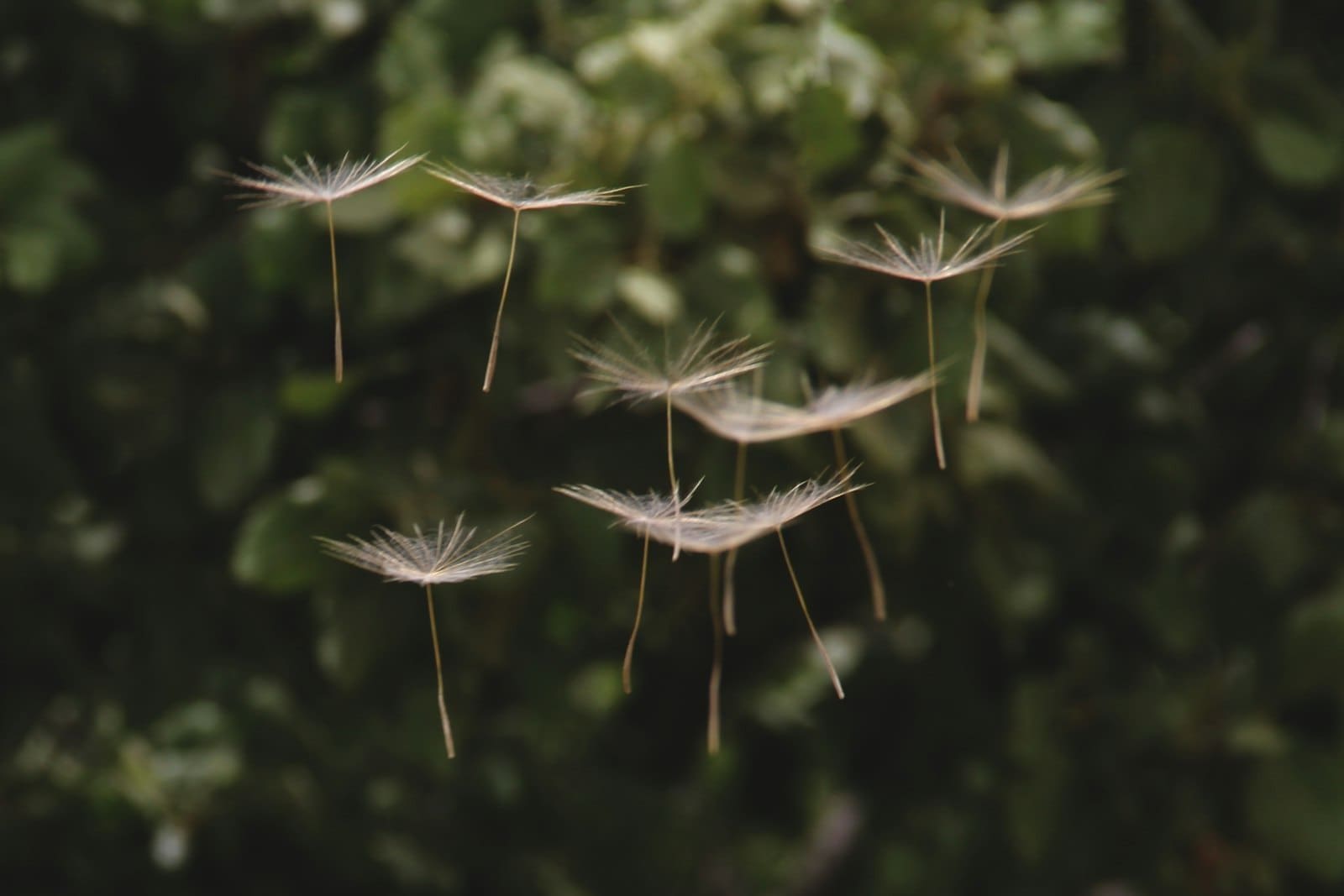
Learn how to write poetry for beginners: find your voice, use the building blocks of verse, draft your first poem and revise it with confidence.
Bonus: Download the free Story Bible Starter Kit and plan your story section by section as you read.
Discovering Your Poetic Voice
So, you've felt that tug, that whisper of words yearning to be released onto the page. Perhaps you've been moved by a powerful line of verse, or maybe you simply want to express something in a way that prose can’t quite capture. Welcome, budding poet! This guide is designed to gently lead you into the fascinating world of poetry, demystifying the process and encouraging you to embrace your unique creative spirit.
Don't be intimidated by grand pronouncements or complex literary theories; poetry, at its heart, is about honest expression and careful observation. You already possess the most crucial tools: your experiences, your emotions, and your own way of seeing the world. The journey you're about to embark on is one of self-discovery as much as it is one of learning a craft.
Embracing the Blank Page
The first step in writing anything, especially poetry, is often the most daunting: confronting the blank page or screen. It can feel like an empty arena, daring you to fill it with something meaningful. But think of it not as a challenge, but as an opportunity. This is your space to create, to experiment, and to make mistakes. No one is judging you in these initial stages. The most important thing is to simply begin.
Don't wait for inspiration to strike like a lightning bolt; often, inspiration is cultivated through the act of writing itself. Start with a single word, a phrase, an image that pops into your mind. Let it be imperfect, let it be messy. The magic of poetry often lies in the refining, not in the initial spark. Give yourself permission to write badly, to write without a clear direction. This freedom is essential for unlocking your true poetic potential.
Reading as a Poet
Before you even put pen to paper, immerse yourself in the world of poetry. Reading is not just about understanding; it’s about absorbing. Read widely, read different styles, read poets from various eras and cultures. Pay attention to what moves you, what confuses you, and what makes you pause. This isn't about imitation, but about understanding the vast landscape of what poetry can be.
Notice how established poets use language, how they craft images, how they employ rhythm and sound. Don't be afraid to read a poem multiple times, each time looking for something new. Think of it as an apprenticeship, where you’re learning from the masters. What makes a particular line resonate with you? How does the poet convey emotion without explicitly stating it? This active reading will subtly inform your own writing, expanding your understanding of poetic possibilities.
If you're looking to enhance your poetry writing skills, you might find inspiration in the article about conquering Nephin, which beautifully captures the essence of nature and personal reflection. Exploring the themes of journey and discovery in this piece can provide valuable insights for beginners in poetry. To read more about this captivating experience, visit the article here: Conquering Nephin: A Walk to the Summit.
The Building Blocks of Poetic Expression
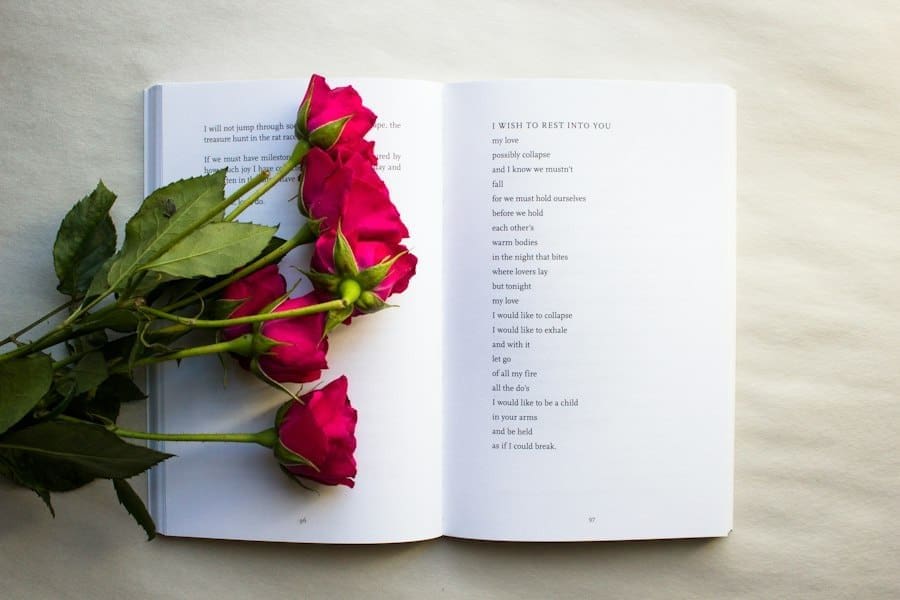
Now that you're comfortable with the idea of starting and have begun to appreciate the breadth of poetry, let's delve into some fundamental elements that will help you shape your own verses. These aren't rigid rules to be followed blindly, but rather tools you can use, adapt, and even break once you understand their purpose. Think of them as ingredients in a recipe; you can combine them in countless ways to create something unique.
Image and Sensory Detail
One of the most powerful aspects of poetry is its ability to evoke vivid images and engage the reader's senses. Instead of simply telling your reader something, show them. Don't say "the room was sad"; instead, describe "the dust motes dancing in the single shaft of light, illuminating the faded floral wallpaper and the silent, chipped teacup on the sill." Use concrete details that appeal to sight, sound, smell, taste, and touch.
What does the air feel like? What scent lingers in the background? What texture is beneath your fingertips? The more you ground your poem in sensory experience, the more immersive and memorable it will be. Practice observing the world around you with a heightened awareness, as if you're collecting small, precious details for your poetic inventory. These details are the brushstrokes that bring your poetic canvas to life.
Metaphor and Simile
These are your secret weapons for making connections and adding layers of meaning. A simile compares two unlike things using "like" or "as." For example, "Her smile was like a sunrise." A metaphor, on the other hand, directly states that one thing is another, implying a deeper identification. For instance, "Her smile was a sunrise." Both are incredibly effective at creating fresh perspectives and making your language more imaginative and impactful.
Instead of telling the reader that someone is brave, you might say, "He was a lion in the face of fear." Or, "Her voice was a silk ribbon unfurling in the quiet room." Experiment with these figures of speech. Sometimes the most unexpected comparisons can yield the most striking results. Don't be afraid to be bold with your metaphors; they are a sign of a vibrant poetic imagination.
+ Join Our Writing Community for FREE
Chain Story Online
Fun, free, flash fiction writing with writers just like you. You have ~100 words to begin a story or continue a story and make it yours.
Story Bible Studio
Digital space for writers to plot, plan, and build better stories. Designed by writers for writers. Your final draft awaits.
Sound Devices: Rhythm, Rhyme, and Alliteration
Poetry is meant to be heard, even when read silently. The sound of your words can significantly contribute to the poem's atmosphere and meaning.
Rhythm and Meter
Rhythm is the natural flow and beat of language. While formal meter (like iambic pentameter) can be complex and intimidating for beginners, understanding basic rhythm is crucial. Read your poem aloud. Does it flow smoothly? Are there awkward pauses or sudden jolts? You can create rhythm through the arrangement of stressed and unstressed syllables, and by varying sentence length. Don't worry about strictly adhering to a specific meter initially; instead, focus on creating a pleasing sonic texture. Think about how the rhythm reinforces the meaning. A fast, choppy rhythm might convey urgency, while a slow, flowing rhythm might suggest contemplation.
Rhyme
Rhyme is a familiar poetic device, but it's often overused or misused by beginners. While end rhyme (words at the end of lines rhyming) can provide musicality and structure, forced or predictable rhymes can sound artificial and detract from the poem's message. Don't feel pressured to rhyme, especially when you're starting out. If you do choose to rhyme, explore different types, like internal rhyme (rhyme within a line), slant rhyme (words that almost rhyme, like "heart" and "dark"), or eye rhyme (words that look like they should rhyme but don't, like "love" and "move"). Use rhyme judiciously and thoughtfully, letting it serve the poem rather than dominate it.
Alliteration and Assonance
Alliteration is the repetition of initial consonant sounds in closely connected words (e.g., "silent stars softly shine"). Assonance is the repetition of vowel sounds within words (e.g., "The rain in Spain stays mainly in the plain"). These devices create a subtle musicality and can draw attention to certain phrases or ideas. They add a layer of texture to your poem, making it more engaging to the ear. When you're revising, read your poem aloud and listen for opportunities to subtly incorporate these sound elements to enhance the flow and impact of your words.
Crafting Your Poem: From Idea to Draft
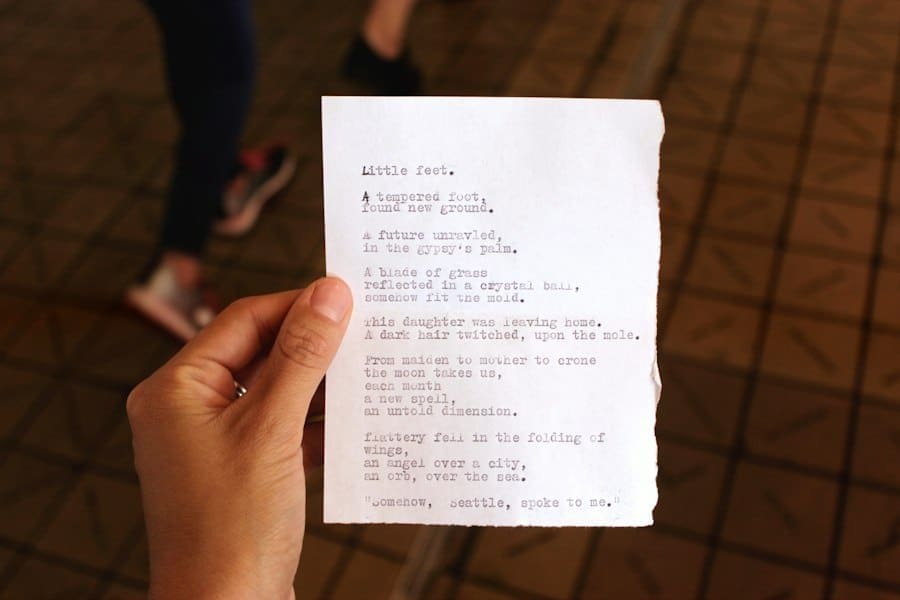
Once you have a grasp of the basic poetic tools, it's time to start putting them into practice. This isn't a linear process; you'll often move back and forth between generating ideas and refining your language. Embrace the fluidity of creation.
Finding Your Inspiration
Inspiration is everywhere. It can be found in the mundane details of daily life: a crack in the sidewalk, the smell of rain, a fleeting memory, a conversation overheard. It can also stem from profound experiences: love, loss, joy, anger, wonder. Keep a notebook or a digital document handy to jot down ideas, phrases, observations, and emotions as they come to you. Don't censor yourself in this phase. Even the most seemingly trivial thought could blossom into a powerful poem. Consider these starting points:
- Observation: Describe a specific object, person, or place with intense detail. What do you notice that others might miss?
- Emotion: Explore a particular feeling – joy, sorrow, fear, gratitude. What images, sounds, or memories does that emotion bring to mind?
- Memory: Revisit a significant event or moment from your past. What were the sensory details? What was the emotional core of that memory?
- A single word or phrase: Sometimes a single evocative word or a compelling phrase can be the seed of an entire poem. Freewrite around it and see where it leads.
Freewriting and Brainstorming
Once you have a spark of an idea, don't try to make it perfect immediately. Engage in freewriting: write continuously for a set period (e.g., 10-15 minutes) without stopping, editing, or self-critiquing. Just let the words flow onto the page. This helps bypass your inner critic and access deeper thoughts and associations. After freewriting, look for recurring themes, striking images, or powerful phrases that emerge. Brainstorming involves generating a list of words, images, and ideas related to your chosen topic. Don't filter; simply collect as much raw material as possible. This raw material will become the clay you shape into your poem.
Structuring Your Poem
While some poems are entirely free verse (without a strict structure), even free verse has an internal logic and flow. Thinking about structure can provide a helpful framework for your nascent poem.
Line Breaks
Perhaps the most defining feature of poetry, aside from its heightened language, is the line break. Where you choose to end a line can drastically affect the rhythm, meaning, and emphasis of your poem. Consider breaking lines for:
- Emphasis: To highlight a specific word or phrase.
- Rhythm: To create a natural pause or to speed up the pace.
- Visual impact: To create a pleasing shape on the page.
- Enjambment: When a sentence or thought carries over from one line to the next without a grammatical pause. This creates a sense of continuous motion and can add tension or surprise.
Experiment with different line breaks. Read your poem aloud with various breaks to see how they alter the reading experience and the perceived meaning.
Stanzas
Stanzas are like paragraphs in prose; they group lines together. They can separate ideas, create pauses, or provide visual structure. There are many traditional stanza forms (couplets, quatrains, etc.), but you can also create your own. Consider why you're choosing to group lines together. Does each stanza explore a distinct aspect of your theme? Does it mark a shift in tone or perspective? Like line breaks, stanzas contribute to the overall rhythm and flow of your poem.
Refining Your Work: The Art of Revision
The first draft is rarely the final draft. Revision is where a good poem becomes a great poem. It's a process of sharpening, clarifying, and strengthening your language. Don't view revision as a chore, but as an opportunity to polish your creation.
Self-Critique and Fresh Eyes
After you've finished a draft, step away from it for a while – a few hours, a day, or even longer. This allows you to return to the poem with fresh eyes, seeing it more objectively. When you come back, read your poem aloud. This is crucial. Your ears will catch awkward phrasing, clunky rhythms, and forced rhymes that your eyes might miss. Ask yourself these questions:
- Clarity: Is the meaning clear, or is it too obscure? (Note: "clear" doesn't mean simplistic; it means understandable on some level, even if nuanced.)
- Imagery: Are the images vivid and concrete? Do they appeal to the senses?
- Word Choice: Is every word pulling its weight? Are there weaker words that could be replaced with stronger, more precise verbs or nouns? Are there clichés you can transform or eliminate?
- Sound: How does the poem sound when read aloud? Is the rhythm effective? Are there any distracting rhymes or unintended alliteration?
- Emotion: Does the poem convey the emotion you intended? Does it resonate with you?
- Line Breaks and Stanzas: Are the line breaks intentional and effective? Do the stanzas make sense?
- Beginning and End: Does the beginning hook the reader? Does the ending feel satisfying and conclusive, or does it leave the reader wanting more (in a good way)?
Eliminating Clutter
One of the most important aspects of revision is paring down your language. Poetry thrives on conciseness. Look for unnecessary words, phrases, or entire lines that don't contribute to the poem's core message or aesthetic. Ask yourself: "Does this word or phrase absolutely need to be here?" Often, less is more. Cut adverbs and adjectives that simply repeat what a strong verb or noun could convey. Be ruthless in your editing; each word should feel deliberate and essential. This process of stripping away the inessential helps the poem's true essence shine through.
Seeking Feedback
Once you've revised your poem to the best of your ability, consider sharing it with trusted readers. This could be a writing group, a supportive friend, or a mentor. Ask for specific feedback, not just "I liked it" or "I didn't like it." Ask them:
- What parts of the poem stood out to you?
- Were there any lines or images that confused you?
- What emotion did you feel while reading?
- Were there any parts where you felt the poem lost its momentum?
Listen to feedback with an open mind, but remember that ultimately, it's your poem. You don't have to incorporate every suggestion, but consider each one thoughtfully. Feedback helps you see your poem from different perspectives, revealing areas for improvement you might have overlooked.
If you're looking to enhance your poetry skills, you might find it helpful to explore related resources that delve deeper into the art of writing. One such article is a comprehensive guide that offers valuable insights and techniques for aspiring poets. You can check it out here: a comprehensive guide that can provide you with inspiration and practical tips to elevate your writing.
Continuing Your Poetic Journey
Writing poetry is not a destination; it's a continuous journey of learning, experimentation, and growth. There's always more to discover, more to explore, and more ways to express yourself.
Embracing Experimentation
Don't be afraid to step outside your comfort zone. Try different forms, even if you’re primarily interested in free verse. Experiment with haiku, sonnets, villanelles, or ghazals. Understanding formal constraints can often make your free verse stronger, as you'll have a deeper appreciation for the interplay of structure and freedom. Try writing from different perspectives, using different voices, or exploring themes you haven't touched upon before. The more you experiment, the more you’ll discover about your own poetic capabilities and preferences. Allow yourself to play with language, to bend rules, and to create something entirely new.
Reading and Learning Continuously
Your poetic education never truly ends. Continue to read widely and deeply. Explore contemporary poets, classical poets, poets from different cultures and languages (in translation, if necessary). Attend poetry readings, workshops, and literary festivals. Engage with other poets, discuss their work and yours. The more you expose yourself to the diverse world of poetry, the more your own understanding and craft will evolve. Consider studying poetic forms, literary devices, and the history of poetry. This deeper knowledge will enrich your appreciation for the art form and provide you with a richer palette of tools for your own writing.
The Importance of Persistence
Final Thoughts on Write Poetry for Beginners
There will be days when the words don't come easily, when your poems feel flat, or when you doubt your ability. This is a normal part of any creative endeavor. The key is persistence. Don't give up. Keep writing, even when it's difficult. Treat writing as a practice, like playing an instrument or learning a new skill. Some days will be brilliant, others less so. The consistent effort is what truly counts. Celebrate your small victories, learn from your challenges, and always remember why you started writing poetry in the first place: that unique urge to express, to connect, and to make something beautiful with words. Your voice is valuable, and the world is waiting to hear it.
Next step: Writing a story of your own? Grab the free Story Bible Starter Kit, try a collaborative tale on Chain Story Online, and compare the best writing apps.
Related reading: Irish Poets Everyone Should Read, From Yeats to Heaney · Flash Fiction: How to Tell a Whole Story in 500 Words
Enda Storrie is a writer and the creator of Story Bible, the planning journal and app for writers, and Chain Story Online, a free collaborative storytelling platform.
P.S. Enjoyed this? Become an insider and I'll send you one of my favourite posts every couple of weeks.