The seanchaí explained: who Ireland's traditional storytellers were, how they kept folklore alive and where to hear storytelling today.
Bonus: Download the free Story Bible Skeleton checklist to plan your own story as you read.
Discovering the Ancient Echoes of the Seanchaí
As an avid explorer of cultural heritage, I’ve often found myself drawn to the power of stories. Yet, nowhere have I felt that power as vibrantly as when delving into the world of the Seanchaí, Ireland’s revered traditional storyteller. It's more than just a profession; it's a living, breathing tradition, a direct link to the very soul of a nation.
For me, understanding the Seanchaí isn't merely about appreciating an art form; it’s about grasping the very essence of Irish identity, how history, myth, and community were woven together long before the advent of the written word. I often imagine myself in a dimly lit cottage, the peat fire glowing, the rain lashing against the windowpanes, and an elderly figure, with eyes that have seen generations pass, beginning a tale that will transport everyone present to a world of heroes, faeries, and ancient kings. This is the heart of what I seek to understand and share – the profound significance of the Seanchaí.
The Oral Tradition as a Pillar of Irish Culture
I realize that to truly appreciate the Seanchaí, I must first acknowledge the foundational role of oral tradition in Irish culture. Unlike many other European nations where literacy became widespread earlier, Ireland maintained a strong oral tradition well into the modern era. This wasn't a deficit; it was a strength, a testament to the resilience and richness of its cultural heritage.
For centuries, stories, poems, songs, and historical accounts were not confined to parchment but were carried in the minds and voices of the people. This emphasis on the spoken word meant that the storyteller held an incredibly powerful position, acting as both entertainer and archivist. I often reflect on how much information, wisdom, and collective memory was entrusted to these individuals, a responsibility far greater than merely spinning a yarn.
More Than Just Entertainment
When I consider the role of the Seanchaí, I quickly realize it extends far beyond mere entertainment. While captivating an audience was undoubtedly part of their craft, their function was much deeper, imbued with social, historical, and even political significance. They were the living libraries of their communities, preserving tales of ancient heroes like Fionn Mac Cumhaill and Cú Chulainn, recounting the deeds of local families, and even detailing historical events, often embellished but always rooted in a kernel of truth. I envision them as the central nexus of community life, the focal point around which people gathered, sharing not just stories but a collective sense of belonging and shared identity.
In exploring the rich tapestry of Ireland's storytelling tradition, you may find it insightful to read a related article that delves into the art of narrative and its cultural significance. For a deeper understanding of the themes and techniques used in storytelling, check out this article on the importance of oral traditions in various cultures at Enda Storrie's Shop. This resource complements the exploration of The Seanchaí, shedding light on how storytelling continues to shape identities and preserve histories across generations.
The Craft of the Seanchaí: Skills and Techniques
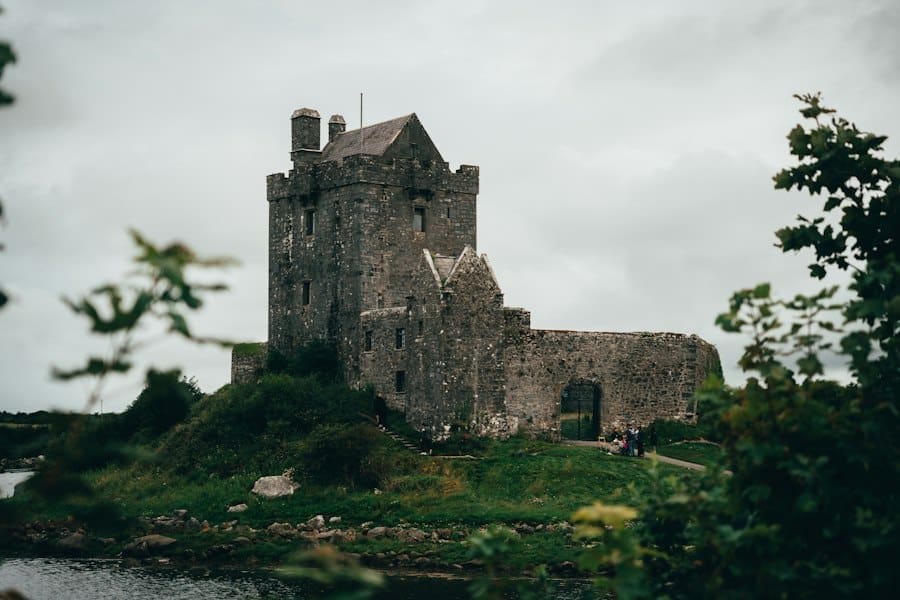
To me, understanding the Seanchaí means dissecting the very craft itself. It wasn't just about memorizing stories; it was about embodying them, bringing them to life with every gesture, every inflection, every pregnant pause. I've heard recordings and seen modern practitioners, and it's clear that the skill involved is immense, a lifetime's dedication to perfecting an art form that seems effortless to the untrained eye. It's this dedication to the nuance and detail that fascinates me most about their technique.
Memory as a Living Archive
One of the most awe-inspiring aspects of the Seanchaí's craft, for me, is their prodigious memory. Imagine committing countless tales, often epic in scope, to memory, along with their intricate details, character names, and the specific nuances of their delivery. This wasn't rote memorization; it was an internalization, a deep understanding of the narrative structure and the emotional core of each story. I often ponder the cognitive strength required for such a feat, especially without the aid of written notes. Their minds were, quite literally, living archives, storing generations of oral history and mythology. This ability was honed from a young age, often through apprenticeships, where younger storytellers would listen intently to their elders, gradually absorbing the vast repertoire.
The Power of Performance
Beyond memory, the performance aspect of the Seanchaí was paramount. It was a multi-sensory experience, not just for the audience but for the storyteller themselves. I picture them using their voices with incredible range – whispering secrets, booming battle cries, imitating animal sounds, and adopting distinct tones for different characters.
Their body language, too, played a crucial role: gestures, facial expressions, and even the way they held themselves could convey a wealth of meaning, adding layers of depth to the narrative. It wasn't just telling a story; it was acting it out, drawing the audience into the world they were creating. The rhythm and pacing were also critical, knowing when to accelerate the narrative for excitement and when to slow down for dramatic effect or contemplation. I find this theatricality to be a crucial element in their power to captivate.
+ Join Our Writing Community for FREE
Chain Story Online
Fun, free, flash fiction writing with writers just like you. You have ~100 words to begin a story or continue a story and make it yours.
Story Bible Studio
Digital space for writers to plot, plan, and build better stories. Designed by writers for writers. Your final draft awaits.
The Art of Improvisation and Audience Engagement
While stories had established forms, the Seanchaí was never a mere reciter. There was always an element of improvisation, tailored to the specific audience, the time of day, or even the mood in the room. I imagine a Seanchaí deftly weaving in local references, addressing specific individuals in the audience, or adapting the length and detail of a story based on the attention span of their listeners. This dynamic interaction meant that each performance was unique, a live creation forged in the moment between storyteller and audience. They were masters of reading a room, gauging reactions, and adjusting their delivery accordingly. This interactive element, for me, elevates the Seanchaí from a performer to a true communal experience builder.
The Repertoire: What Stories Did the Seanchaí Tell?
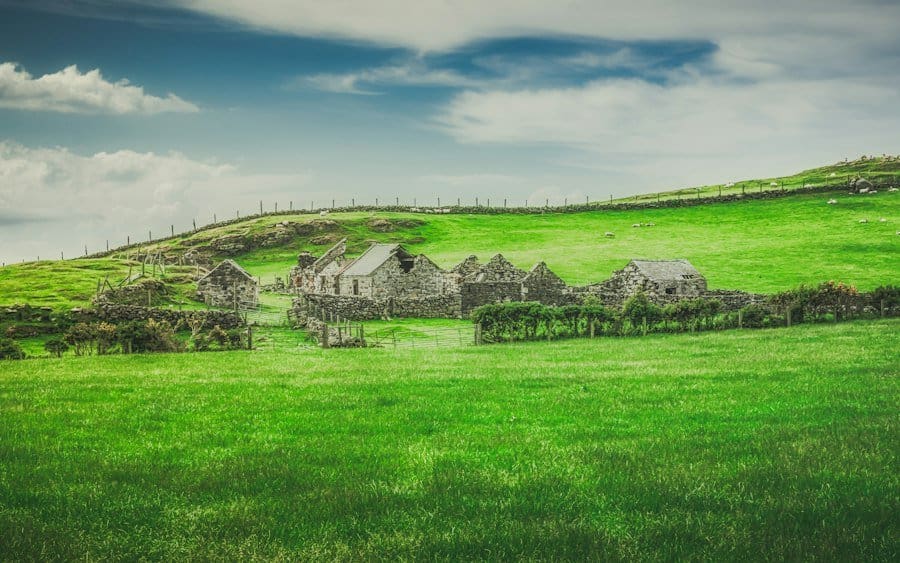
My fascination with the Seanchaí naturally leads me to their repertoire. What were these tales that held such sway over generations? I've come to understand that their stories were incredibly diverse, encompassing everything from ancient myths to local anecdotes, each serving a distinct purpose within the community. It wasn't just one type of story; it was a vast tapestry woven from different threads of imagination, history, and belief.
Mythological Cycles and Epic Tales
At the heart of the Seanchaí’s repertoire were the great mythological cycles of Ireland. These were the stories of gods and goddesses, heroes and heroines, battles and quests that shaped the very landscape and identity of the island. I'm particularly drawn to the Ulster Cycle, with its fierce warrior Cú Chulainn, and the Fenian Cycle, featuring the legendary Fionn Mac Cumhaill and his band of Fianna warriors. These weren't just fantastical tales; they were foundational narratives, providing moral frameworks, explaining natural phenomena, and reinforcing a shared cultural heritage. I often ponder how these epic narratives were passed down, evolving slightly with each telling, yet retaining their core essence for centuries.
Folk Tales and Fairy Lore
Beyond the grand epics, the Seanchaí also specialized in a rich variety of folk tales and fairy lore. These were often shorter, more localized stories, but no less significant. I can imagine tales of mischievous leprechauns, benevolent banshees, selkies, and púcas being recounted by the firelight, sometimes to entertain, sometimes to warn, and sometimes simply to explain the inexplicable. These stories often blurred the lines between the everyday and the supernatural, reflecting the deep-seated belief in the 'Otherworld' that permeated Irish culture. For me, these tales offer a fascinating glimpse into the everyday superstitions, hopes, and fears of the people.
Historical Accounts and Local Legends
While often embellished with dramatic flair, the Seanchaí also served as keepers of local history and genealogy. They would recount the deeds of local chieftains, the lineage of prominent families, the origins of local placenames, and significant events that occurred in the community. I envision them as living historians, albeit ones who understood the power of narrative to make history memorable and meaningful. These stories connected people to their past, giving them a sense of continuity and belonging within their specific geographic location. This blending of factual kernels with storytelling artistry is what makes their historical accounts so compelling to me.
If you're looking for a collaborative writing platform, check out Chain Story Online. It's a great way to connect with other writers and create stories together. Many users have found inspiration and creativity through Chain Story Online.
The Decline and Revival of the Seanchaí Tradition
As much as I celebrate the history of the Seanchaí, I also acknowledge the challenges it faced, leading to a period of decline. However, what fills me with optimism is the dedicated effort to revive and re-envision this ancient art form for the modern world. The story of the Seanchaí is not just one of preservation; it's one of resilience and adaptation.
The Impact of Modernity
The 19th and 20th centuries brought profound changes to Ireland, and with them, significant challenges to the oral tradition. The spread of literacy, the availability of printed books, the rise of mass media like radio and television, and the devastating impact of the Famine all contributed to a decline in the centrality of the Seanchaí. I recognize that these external forces offered alternative forms of entertainment and information, slowly eroding the necessity of the communal storytelling event. As Irish society modernized and became more connected to the wider world, the traditional role of the Seanchaí naturally diminished. The language barrier too, as English became more dominant, posed another significant threat to a tradition deeply rooted in the Irish language.
Collecting and Documenting the Stories
Fortunately, during this period of decline, dedicated folklorists and scholars recognized the immense cultural value of the Seanchaí's repertoire. Organizations like the Irish Folklore Commission (later the Department of Irish Folklore at University College Dublin) undertook monumental efforts to collect and record the stories and performances of the last living Seanchaí. I am deeply grateful for their foresight, as these recordings and transcriptions provide invaluable insights into the craft and the vast wealth of Irish oral tradition that might otherwise have been lost forever. These archives are, for me, a direct link to the voices of the past, allowing us to hear the very intonations and rhythms of the old storytellers.
The Modern Revival and Contemporary Storytellers
Despite the decline, the spirit of the Seanchaí never truly died. In recent decades, there has been a significant and heartening revival of interest in traditional storytelling in Ireland and beyond. Contemporary storytellers, often inspired by the collected archives and dedicated to learning the craft, are bringing these ancient tales to new audiences. I find this resurgence incredibly inspiring, a testament to the enduring power of narrative and the human need for connection through shared stories. These modern Seanchaí are not merely imitating the past; they are innovating, adapting the tradition to suit contemporary contexts while maintaining its core essence. They perform in theaters, at festivals, in schools, and even online, ensuring that the ancient echoes continue to resonate.
In exploring the rich tapestry of Ireland's storytelling tradition, one can gain further insights by reading an article that delves into the broader cultural significance of oral narratives in various societies. This related piece, which can be found here, highlights how storytelling serves not only as entertainment but also as a means of preserving history and fostering community connections. Understanding these elements can deepen our appreciation for the Seanchaí and the vital role they play in keeping Ireland's heritage alive.
The Enduring Legacy and My Personal Reflection
As I conclude my exploration of the Seanchaí, I'm struck by the profound and enduring legacy of this tradition. It's more than just a historical curiosity; it's a living force that continues to shape Irish identity and connect people to their heritage. My journey into understanding the Seanchaí has been deeply personal, reinforcing my belief in the fundamental human need for stories, for connection, and for the wisdom passed down through generations.
The Seanchaí's Contribution to Irish Identity
For me, the greatest contribution of the Seanchaí lies in their role in forging and maintaining Irish identity. In a nation that has often faced external pressures and internal struggles, the stories told by the Seanchaí provided a constant, a shared understanding of who they were, where they came from, and what values they held dear. They reinforced a sense of community, of shared history, and a unique worldview. I often think of how these stories served as cultural anchors, grounding people in their heritage even as the world around them changed dramatically. They gave voice to the landscape, the people, and the very soul of Ireland, creating a narrative tapestry that is still vibrant today.
The Universal Appeal of Storytelling
While the Seanchaí is distinctly Irish, the essence of their craft speaks to a universal human experience. Every culture has its storytellers, its keepers of narrative, its oral traditions. What the Seanchaí embodies, for me, is the fundamental human need to make sense of the world through narrative, to connect with others through shared tales, and to pass on wisdom from one generation to the next. The power of a well-told story to transport, to teach, to entertain, and to unite remains undiminished, regardless of the technological advancements around us. I feel a deep connection to this universal truth through the specific lens of the Irish Seanchaí.
Looking to the Future
As I look to the future, I feel optimistic about the continued flourishing of storytelling in Ireland and globally. The modern Seanchaí, equipped with both ancient techniques and contemporary tools, are ensuring that these vital stories continue to be heard. They are guardians of a precious heritage, but also innovators, finding new ways to engage audiences and keep the tradition vibrant and relevant.
I believe that in an increasingly complex and fragmented world, the simple, profound act of gathering to listen to a story, expertly told by a modern-day Seanchaí, will become even more cherished. It's a return to something fundamental, something deeply human, and something that Ireland has mastered for centuries. My exploration of the Seanchaí has not just been an academic exercise; it has been a journey into the heart of what it means to be human, to connect, and to keep the ancient echoes alive.
Next step: Writing a story of your own? Grab the free Story Bible Skeleton checklist, try a collaborative tale on Chain Story Online, and compare the best writing apps.
Related reading: Banshees, Púcaí and Changelings: Ireland's Folklore Creatures · Top Irish Myths and Folktales: A Journey Through Ireland's Legendary Past
Enda Storrie is a writer and the creator of Story Bible, the planning journal and app for writers, and Chain Story Online, a free collaborative storytelling platform.