

Things to do in Sligo: Yeats country, Knocknarea, Strandhill, Benbulben and the best walks, beaches and food in the town and county.
Journeying into the Heart of Yeats Country
My first encounter with Sligo was not through a map or a travel brochure, but through the evocative verses of William Butler Yeats. His words, painting vivid pictures of Lough Gill, Benbulben, and the wild Atlantic coast, stirred in me a profound desire to experience this corner of Ireland for myself.
And so, with a well-worn copy of his collected works tucked into my bag, I embarked on a journey that would immerse me in the very landscapes that inspired one of the world's greatest poets. What I discovered was a place where history, myth, and breathtaking natural beauty intertwine, offering an enriching experience for any traveler seeking more than just a fleeting glimpse. My time in Sligo was a deeply personal exploration, allowing me to connect with the land and its literary legacy in ways I hadn't anticipated.
The Allure of Lough Gill and Parke's Castle
My initial foray into Yeats Country led me directly to the tranquil expanse of Lough Gill. I'd read so much about this lake in Yeats's poetry, particularly in "The Lake Isle of Innisfree," and I was eager to see if the reality lived up to the romantic ideal he had created. I wasn't disappointed. The drive along its southern shore was a symphony of emerald greens and deep blues, the water mirroring the sky with remarkable clarity. The air was crisp, carrying the scent of damp earth and distant woodsmoke, a truly invigorating sensation.
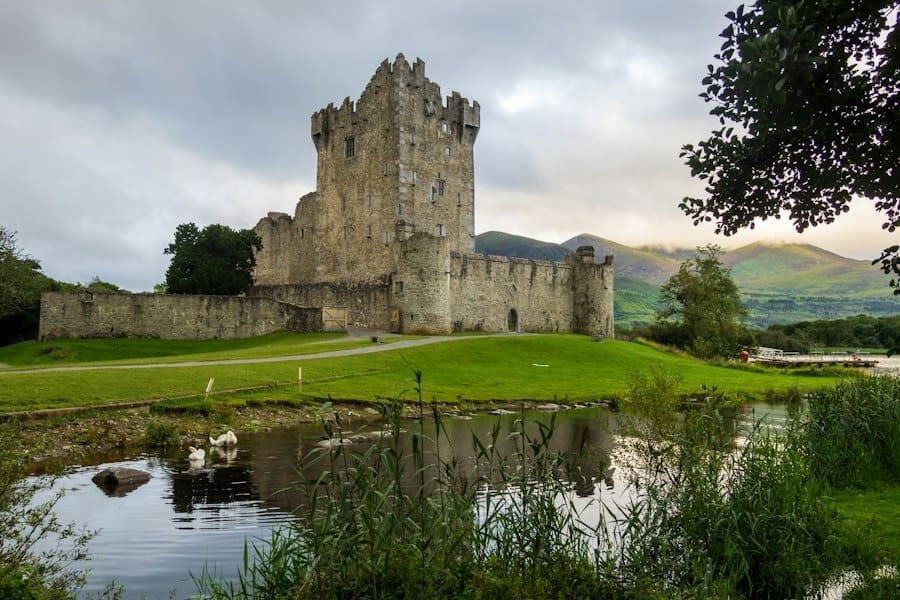
As I rounded a bend, the imposing silhouette of Parke's Castle emerged from the trees. This meticulously restored 17th-century plantation castle, once home to the O'Rourkes, the ancient Kings of Breifne, before falling into the hands of Captain Robert Parke, offered a fascinating glimpse into a turbulent period of Irish history. I joined a guided tour, and our guide, with a captivating blend of historical detail and local anecdotes, brought the castle's past to life.
I learned about the architectural intricacies, the daily lives of its inhabitants, and the various conflicts that shaped its destiny. Climbing to the top of the tower, I was rewarded with panoramic views across Lough Gill, a vista that truly underscored the strategic importance of the castle in centuries past. The contrast between the rugged exterior and the surprisingly elegant interior, with its meticulously crafted timber-framed buildings and cobbled courtyard, was striking.
It’s a testament to the skilled craftsmen of the time, and a poignant reminder of the lives lived within these stone walls. I spent a good hour just wandering the grounds, imagining the comings and goings of its former residents. The castle’s location, nestled amongst mature trees and overlooking the serene lake, felt like a scene plucked directly from a historical novel.
Of course, no visit to Lough Gill is complete without acknowledging Innisfree. While the exact location of Yeats's idyllic isle remains a subject of gentle debate among locals and literary enthusiasts, I found a tranquil spot overlooking the lake, near the jetty for the Rose of Innisfree boat tour, and simply absorbed the atmosphere. I closed my eyes, and in my mind's eye, I saw the "nine bean-rows" and heard the "bee-loud glade." The very air seemed to hum with the poet's spirit.
It wasn't about finding a specific patch of land, but about feeling the essence of the place that had so deeply inspired him. The gentle lapping of the water against the shore, the rustling of leaves in the breeze – it all contributed to a profound sense of peace and connection. I sat there for a long time, just contemplating the beauty and the powerful legacy of Yeats's words, realizing how deeply rooted his poetic vision was in this very landscape.
If you're looking to delve deeper into the enchanting landscapes and cultural heritage of Sligo, a great companion article is "Exploring the Hidden Gems of Yeats Country." This piece highlights lesser-known attractions and experiences that complement the main sights in the region, providing a more comprehensive understanding of the area that inspired the famous poet W.B. Yeats. To read more about these hidden treasures, visit Exploring the Hidden Gems of Yeats Country.
Ascending Benbulben and Exploring the Atlantic Coast
The towering presence of Benbulben, Sligo's iconic flat-topped mountain, had been a constant companion on my journey, its distinctive silhouette visible from many vantage points. It loomed large in my imagination, another powerful symbol of Yeats's connection to this land, serving as his final resting place beneath its shadow. My desire to experience it up close was irresistible.
The Majesty of Benbulben
I chose to approach Benbulben from the north, following the winding roads that skirt its base. The scale of the mountain is truly breathtaking when you're standing beneath it, its sheer rock faces rising dramatically from the surrounding plains. The geological history of Benbulben, a glacial remnant often compared to Table Mountain in South Africa, is fascinating.
I learned that its unique shape is a result of millions of years of erosion, carving out its distinctive profile from the surrounding limestone. There are several walking trails around its base, catering to different fitness levels. I opted for a moderate loop that offered spectacular views of the mountain itself and the surrounding Glencar Valley. The air grew cooler as I ascended, and the silence, broken only by the bleating of sheep and the chirping of birds, was profound.
The landscape around Benbulben is a tapestry of heather, bog, and scattered woodlands. I encountered several small waterfalls cascading down the slopes, their waters sparkling in the sunlight. As I walked, I couldn't help but recall Yeats's "Under Ben Bulben," where he famously penned his epitaph: "Cast a cold eye / On life, on death. / Horseman, pass by!" This powerful connection to the poet's final resting place imbued the entire experience with a sense of solemn reverence.
Standing there, gazing up at its majestic form, I felt a deep sense of awe and a renewed appreciation for the raw beauty of nature. The wind, which often whips around the mountain, felt like a breath of ancient history. It was an intensely spiritual experience, reinforcing the profound link between the land and the poetry it inspired. I spent a good portion of the afternoon exploring the lower slopes, taking countless photographs, each one attempting to capture a fraction of the grandeur.
+ Join Our Writing Community for FREE
Chain Story Online
Fun, free, flash fiction writing with writers just like you. You have ~100 words to begin a story or continue a story and make it yours.
Story Bible Studio
Digital space for writers to plot, plan, and build better stories. Designed by writers for writers. Your final draft awaits.
Surfing and Seaside Charm in Strandhill
After the rugged grandeur of Benbulben, I craved the invigorating embrace of the Atlantic. Strandhill, a vibrant coastal village just a short drive from Sligo town, was the perfect destination. Renowned for its powerful waves, it's a haven for surfers, and even as a novice, I was drawn to the energy of the place. I watched in admiration as wetsuit-clad figures paddled out, their boards cutting through the foam. The roar of the ocean was a constant, soothing presence, a stark contrast to the quiet solitude of the mountain.
I wasn't quite brave enough to tackle the waves myself, but I thoroughly enjoyed strolling along the expansive sandy beach, feeling the raw power of the Atlantic. The air was thick with the scent of salt and seaweed, and the wind whipped through my hair, carrying with it a sense of wild freedom. Strandhill also boasts the unique experience of Voya Seaweed Baths, which I indulged in after my bracing walk. Submerging myself in a wooden tub filled with hot seawater and fresh hand-harvested seaweed was an incredibly soothing and detoxifying experience, leaving my skin feeling incredibly soft and refreshed.
It felt like a true indulgence, a perfect way to unwind after a day of exploration. Afterwards, I sampled some delicious food at one of the village's lively cafes, savoring fresh seafood and the friendly, relaxed atmosphere. The village itself has a charming, bohemian vibe, with surf shops, art galleries, and inviting eateries. It felt like a community truly connected to the ocean. Watching the sunset over the Atlantic, painting the sky in fiery hues, was a truly unforgettable moment.
Sligo Town: Cultural Hub and Historical Echoes
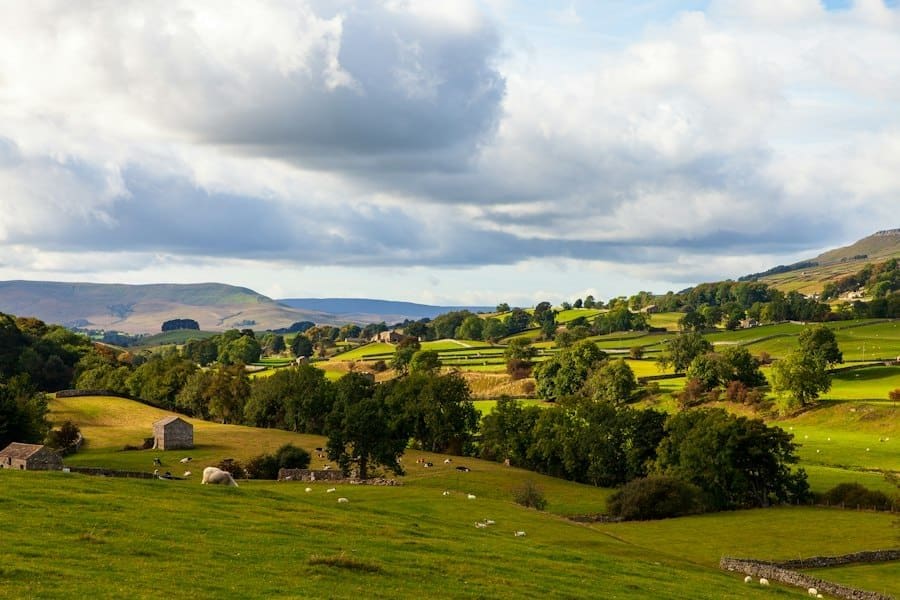
Returning to Sligo Town, I found a vibrant cultural hub that perfectly complemented the natural beauty I had explored. It's a town rich in history, buzzing with contemporary life, and of course, steeped in the legacy of Yeats. I found myself drawn to its charming streets and historical landmarks, each telling a story of Sligo's past.
Exploring Sligo Abbey
My first stop in town was Sligo Abbey, a Dominican Friary founded in the mid-13th century. Even in its ruined state, the abbey is incredibly atmospheric and evocative. I spent a long time wandering through its ancient cloisters, admiring the intricate carvings of the Gothic and Renaissance tombs, and marveling at the beautifully preserved 15th-century altar. The air inside the abbey felt thick with history, and I could almost hear the echoes of monastic chants. The guide explained the various periods of construction, destruction, and rebuilding that the abbey had endured, bearing witness to centuries of Irish history, including battles, fires, and religious suppression.
One of the most striking features is the 15th-century carved altar, one of the few surviving medieval altars in Ireland. Its delicate details were a testament to the craftsmanship of the period. I also found myself drawn to the various tombs, especially the one depicting a knight and his lady, their effigies still remarkably preserved.
The sense of peace and contemplation within the abbey walls was palpable, offering a poignant contrast to the bustling town outside. It was a place where I felt truly connected to the passage of time, a silent witness to the lives and deaths of countless individuals who once walked these hallowed grounds. The interplay of light and shadow filtering through the crumbling arches created a truly ethereal atmosphere, making it a photographer's delight.
The Yeats Building and Literary Connections
No visit to Sligo Town would be complete without paying homage to its most famous son, and The Yeats Building on Hyde Bridge is the spiritual heart of Yeats Country. This beautiful stone building houses the Yeats Society Sligo, a treasure trove of information about W.B. Yeats and his family. I spent a considerable amount of time exploring the exhibitions, which chronicled his life, his work, and his profound connection to Sligo. It wasn't just about reading plaques; it was about immersing myself in the context of his genius.
I learned about his childhood summers spent in Sligo, his inspiration drawn from local folklore and landscape, and the profound influence of his family, particularly his artist father, John Butler Yeats, and his brother Jack, also a renowned painter. The building also contains a small but significant art gallery, often showcasing works by artists inspired by Yeats or the Sligo landscape. I browsed the well-stocked bookshop, filled with copies of Yeats's poetry, critical analyses, and books on Irish literature and history.
Attending one of their regular poetry readings or lectures would have been a treat, but even in its absence, the atmosphere was thick with literary reverence. The staff were incredibly knowledgeable and passionate, and I left feeling a deeper understanding of the man behind the verses. It was a tangible link to the poet, providing a rich context to the landscapes I had explored. I also made sure to visit the statue of Yeats on the riverside, a contemplative figure gazing out over the Garavogue River, a constant reminder of his enduring presence in the town.
Culinary Delights and Local Flavours
My journey through Sligo wasn't just about scenery and literature; it was also a delightful exploration of local cuisine. The fresh produce, abundant seafood, and warm hospitality of the Sligo people truly elevated my experience. I made it a point to sample as much as I could, from hearty pub fare to refined dining.
Fresh Seafood and Traditional Irish Pubs
Being on the Wild Atlantic Way, Sligo naturally boasts an incredible array of fresh seafood. My first memorable meal was in a cozy restaurant overlooking Sligo Bay, where I indulged in perfectly pan-seared scallops, plump and sweet, accompanied by locally grown vegetables. The freshness was undeniable, a true taste of the ocean. Another evening, I savoured a hearty bowl of seafood chowder, rich and creamy, bursting with salmon, cod, mussels, and prawns – a perfect antidote to the brisk Atlantic air. Every seafood dish I tried seemed to celebrate the bounty of the Sligo coast.
Beyond the dedicated seafood restaurants, I discovered the charm of Sligo's traditional Irish pubs. These weren't just places to drink; they were vibrant social hubs, often offering delicious, unpretentious food alongside a pint of Guinness. I particularly enjoyed an evening at a pub with live traditional music, where I feasted on a generous plate of Irish stew, slow-cooked and deeply flavourful, accompanied by freshly baked soda bread.
The atmosphere was electric, with locals and visitors alike tapping their feet to the jigs and reels. The pub culture here is an intrinsic part of the Sligo experience, offering a warm welcome and a true taste of Irish conviviality. I found myself chatting with locals, learning about their lives and their recommendations for further exploration, which always added an extra layer of richness to my travels.
Artisan Produce and Farmers' Markets
I've always been a proponent of supporting local producers, and Sligo did not disappoint in this regard. I stumbled upon a lively farmers' market in Sligo Town, buzzing with activity and a vibrant array of stalls. Here, I discovered an abundance of artisan cheeses, handcrafted chocolates, freshly baked bread, and organic vegetables. I stocked up on some delicious local honey and a selection of homemade jams, perfect souvenirs to bring a taste of Sligo home with me. The passion and dedication of the producers were evident in every product.
I also made a point of visiting a few independent bakeries, where the aroma of freshly baked goods was irresistible. I sampled traditional Irish brown bread, still warm from the oven, and enjoyed a flaky scone with cream and jam for breakfast on several occasions. The emphasis on quality, local ingredients was a recurring theme throughout my culinary explorations.
Many cafes and restaurants proudly display the provenance of their ingredients, highlighting their commitment to supporting local farmers and artisans. This focus on "farm to fork" dining not only ensures exceptional flavour but also supports the local economy and fosters a strong sense of community. My culinary journey in Sligo was as enriching as my literary and scenic explorations, leaving me with a profound appreciation for the region's gastronomic offerings.
If you're planning a visit to Sligo and want to immerse yourself in the beauty of Yeats Country, you might also find interest in exploring the evolving landscape of remote work. A related article discusses the benefits and drawbacks of this modern work style, which can offer flexibility and new opportunities for those looking to balance work and travel. You can read more about it in this insightful piece on remote work.
If you're looking for a collaborative writing platform, check out Chain Story Online. It's a great way to connect with other writers and create stories together. Many users have found inspiration and creativity through Chain Story Online.
Reflecting on the Land of Heart's Desire
As my time in Sligo drew to a close, I found myself reflecting on the profound impact this region had made on me. It was more than just a beautiful landscape; it was a place steeped in history, myth, and the enduring power of words. The spirit of Yeats truly permeated every corner, from the windswept shores to the tranquil lakes, from the rugged mountains to the bustling town.
The Enduring Legacy of Yeats
Yeats's connection to Sligo is undeniable, and my journey through his "Country of Heart's Desire" allowed me to experience his poetry in a deeply visceral way. Standing beneath Benbulben, I understood the weight of his final wishes. Gazing across Lough Gill, the lines of "The Lake Isle of Innisfree" resonated with a newfound clarity. His words, which once felt like mere descriptions, had transformed into vivid realities. The land itself became a living text, each mountain, lake, and ruin a verse in his grand poetic narrative.
I felt as though I was walking in his footsteps, seeing the world through his eyes, even if only for a brief moment. This literary pilgrimage was truly transformative, deepening my appreciation not only for Yeats's genius but for the profound connection between artist and environment. It highlighted how deeply a place can shape a person's creative output, and how that output can, in turn, shape the perception of the place for generations to come.
A Land of Wild Beauty and Warm Hospitality
Beyond the literary connections, what truly struck me was the sheer, untamed beauty of Sligo. The dramatic contrasts – the wild Atlantic coast meeting the ancient mountains, the serene lakes nestled amidst lush woodlands – created a landscape that was constantly surprising and always breathtaking. Every turn in the road offered a new vista, a new opportunity to simply stop and breathe in the natural wonder. The sense of peace and solitude I found in places like Glencar Valley and the quieter stretches of the coast was profoundly restorative.
Equally memorable was the warmth and genuine hospitality of the Sligo people. From the friendly smiles in the local pubs to the helpful advice from shopkeepers, I felt genuinely welcomed everywhere I went. Their pride in their region, their history, and their literary heritage was palpable and infectious. My journey to Sligo was not just a trip; it was an immersion.
Final Thoughts on Things to Do in Sligo
It was a journey into the heart of a landscape that profoundly inspired a literary giant, and in doing so, offered me a deeply personal and enriching experience. I left Sligo with a soul nourished by beauty, a mind enriched by history, and a heart touched by the enduring magic of Yeats Country. It's a place I know I will return to, eager to rediscover its timeless charm and unravel more of its hidden stories.
Related reading: Knocknarea and Queen Maeve's Grave: A Sligo Walking Guide · Mythical Places in the West of Ireland: Where Legends Live
Enda Storrie is a writer and the creator of Story Bible, the planning journal and app for writers, and Chain Story Online, a free collaborative storytelling platform.

