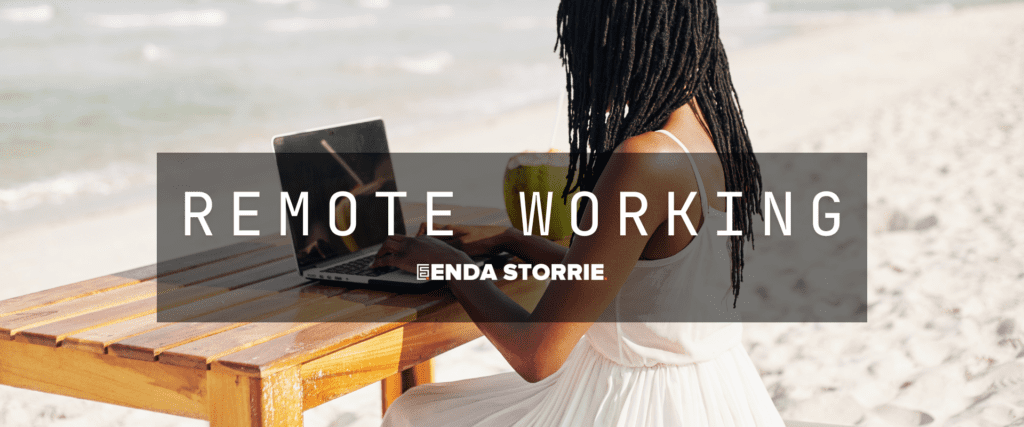
Plan a workation that works: choose the right place, protect work hours, sort Wi-Fi and enjoy a working holiday without burning out.
The Allure of the Workation: My Quest for Balance
As a perpetually curious and driven individual, I've always been drawn to the idea of a workation. The concept of blending professional productivity with the rejuvenating power of travel isn't new, but its mainstream appeal has certainly exploded in recent years. For me, it wasn't just a trendy buzzword; it was a promise.
A promise of escaping the mundane rhythm of my home office, of trading my familiar four walls for a vista of mountains or the calming sound of ocean waves. I envisioned myself tapping away at my keyboard, fueled by inspiration from new surroundings, and then seamlessly transitioning into exploring ancient ruins or savoring local delicacies. The romantic notion of it was intoxicating, a mental escape from the daily grind even before I packed my bags.
However, like many dreams, the reality can often be far more complex. My initial workation attempts, while exciting in theory, often left me feeling more drained than refreshed. I'd return home with a mountain of unfinished work, a half-hearted attempt at sightseeing, and the crushing realization that I'd somehow managed to burn out in paradise. It was a frustrating paradox. I was seeking balance and rejuvenation, yet I was achieving the exact opposite. This personal struggle became my impetus to truly understand the art of the workation. How could I harness its potential without succumbing to the very burnout I was trying to avoid?
This article is a culmination of my experiences, my missteps, and the lessons I've learned on this journey to master the working holiday. I'll share the strategies I've adopted, the pitfalls I've learned to sidestep, and the mindset shifts that have transformed my workation experiences from exhausting endeavors into genuinely enriching adventures. My goal is to equip you with the knowledge and tools to embark on your own successful workation, one that truly delivers on its promise of both productivity and rejuvenation.
If you're considering a workation but are concerned about maintaining a healthy work-life balance, you might find the article "Workation: How to Take a Working Holiday Without Burning Out" particularly insightful. It offers practical tips on how to enjoy your time away while still being productive. For more related content, check out this article on the importance of setting boundaries during remote work: Enda Storrie's Blog.
Pre-Departure Preparations: Laying the Groundwork for Success

Before I even consider booking a flight or an Airbnb, I've learned that meticulous planning is the cornerstone of a successful workation. This isn't just about packing clothes; it's about strategically setting myself up for productivity and relaxation in equal measure. Neglecting this crucial stage is, in my experience, a recipe for disaster, leading to a constant scramble and an inability to fully immerse myself in either work or leisure.
Defining Your Workation Goals and Expectations
The first and most critical step for me is to clearly define what I want to achieve from this specific workation. Am I aiming for a creative burst, a focused period on a specific project, or a more relaxed pace with some light work? Understanding my primary objective helps me choose the right destination, accommodation, and even the type of work I'll bring with me. If I'm working on a demanding project that requires intense focus, a bustling city might not be the best choice. Conversely, if I’m seeking inspiration and a change of scenery to spark new ideas, a vibrant urban environment or a remote cabin in nature could be perfect.
It’s also essential for me to manage my expectations. A workation isn't a magic bullet that will instantly solve all my work-life balance issues. It's a tool, and like any tool, its effectiveness depends on how I use it.
I remind myself that I won't be able to explore every single landmark or try every single restaurant, nor will I be able to work 12-hour days without feeling the strain. Setting realistic goals for both work and leisure helps me avoid disappointment and the feeling of inadequacy that often creeps in when expectations are unmet. I typically write down my top three work goals and my top three leisure goals for the trip. This simple act of articulation brings immense clarity.
Choosing the Right Destination and Accommodation
My choice of destination is heavily influenced by my workation goals, but also by practical considerations. Internet connectivity is paramount. I've made the mistake of assuming Wi-Fi would be readily available and robust, only to find myself tethering from my phone or frantically searching for a café with a reliable connection. Now, I always research internet speeds and reliability in advance, often checking reviews or even contacting accommodations directly. Power outlets, comfortable workspaces, and quiet environments are also high on my checklist.
Accommodation is equally vital. I look for places that offer a designated workspace, even if it's just a decent desk and chair. Working from a bed for an extended period is a sure path to back pain and reduced productivity. I also consider the immediate surroundings. Is there a local grocery store for easy meal prep? Are there parks or walking trails nearby for quick breaks?
Proximity to amenities and opportunities for unwinding without extensive travel is a huge bonus. For instance, I once booked a charming but isolated cabin, only to realize that getting to any form of civilization for a coffee or a change of scenery involved a significant drive, which ate into my precious leisure time. Lesson learned: convenience is key.
Communicating with Your Team and Setting Boundaries
This is a step I cannot emphasize enough. Before I even think about departing, I have transparent conversations with my colleagues and clients. I inform them of my workation plans, outlining my availability, expected response times, and any potential time zone differences. I ensure that essential tasks are covered, and I delegate responsibilities where necessary. Setting clear expectations upfront prevents misunderstandings and reduces the likelihood of urgent requests interrupting my planned downtime.
Crucially, I also establish internal boundaries for myself. I designate specific "working hours" and "off-duty hours." During my off-duty hours, I try my best to disconnect from work-related notifications and emails. This might mean setting an auto-responder or simply turning off notifications on my work devices. It's about consciously creating a mental separation, allowing myself to truly enjoy the leisure aspects of my trip without the constant pull of work. I’ve found that if I don’t explicitly define these boundaries, work tends to bleed into every waking moment, effectively nullifying the benefits of the workation.
+ Join Our Writing Community for FREE
Chain Story Online
Fun, free, flash fiction writing with writers just like you. You have ~100 words to begin a story or continue a story and make it yours.
Story Bible Studio
Digital space for writers to plot, plan, and build better stories. Designed by writers for writers. Your final draft awaits.
Optimizing Productivity: Working Smarter, Not Harder

Once I'm at my workation destination, the challenge shifts from planning to execution. My focus is on maintaining high levels of productivity without falling into the trap of overworking. The allure of a new environment can sometimes make it harder to focus, but with the right strategies, I've found that I can actually be more productive than I am in my regular office.
Establishing a Consistent Daily Routine
Even amidst the excitement of a new location, I've learned that maintaining a semblance of routine is crucial for my productivity. This doesn't mean rigidly adhering to the same schedule every single day, but rather establishing a framework. I typically wake up at a similar time, dedicate a block of hours to focused work, and then transition to leisure activities. This predictability helps my brain switch between "work mode" and "vacation mode" more effectively.
My morning routine often involves a quiet breakfast, perhaps a short walk, and then diving into my most important tasks. I try to tackle the most demanding work during my peak energy hours, which for me are usually the mornings. This ensures that even if my afternoon energy dips or I get distracted by an impromptu adventure, I've already made significant progress on my priorities. I also schedule regular breaks, using them to stretch, grab a snack, or simply step outside for a few minutes. These micro-breaks prevent mental fatigue and help me maintain focus for longer periods.
Creating a Dedicated Workspace
While working from a café or by the pool sounds idyllic, I've found that having a dedicated workspace, even a temporary one, significantly boosts my productivity. This doesn't necessarily mean a separate room, but rather a clean, organized area that is exclusively for work. It helps create a mental distinction between my work life and my leisure life in my temporary home.
I ensure my workspace is free from distractions. This might involve tidying up the area before I start, putting away leisure items, and minimizing background noise. I also make sure I have all the necessary tools at hand – my laptop, charger, notebooks, and a comfortable chair if possible. Ergonomics, even for a temporary setup, are important to prevent strain and discomfort. A comfortable and functional workspace allows me to immerse myself fully in my tasks without constant interruptions or physical discomfort. I’ve found that even a small, well-lit corner with a sturdy table can be transformed into an effective workstation.
Utilizing Time Management Techniques
I'm a big proponent of time management techniques, and they become even more critical during a workation. The Pomodoro Technique is one of my favorites: 25 minutes of focused work followed by a 5-minute break. This method helps me break down large tasks into manageable chunks and prevents me from feeling overwhelmed. It also encourages regular breaks, which are essential for maintaining concentration.
Another strategy I employ is prioritizing my tasks using methods like the Eisenhower Matrix, categorizing tasks by urgency and importance. This ensures I'm always working on the most impactful items first, preventing me from getting bogged down in less critical activities. Before I start my workday, I create a short to-do list, typically focusing on 2-3 major tasks. This focused approach allows me to feel a sense of accomplishment as I check items off, even if I don't work for as many hours as I would in a traditional office setting. The key is quality over quantity, especially when balancing work with exploration.
Embracing Leisure and Avoiding Burnout
The whole point of a workation, for me, is to avoid burnout. This means that embracing leisure and truly disconnecting from work during designated times is just as important as the work itself. I've had to consciously train myself to switch off, a skill that doesn't come naturally to many driven professionals.
Scheduling Dedicated Downtime and Exploration
Just as I schedule my work blocks, I also meticulously schedule my downtime. This might sound counterintuitive for relaxation, but I've found that if I don't actively plan for leisure, it often gets pushed aside by work or the perceived need to "catch up." Whether it's an hour-long walk along the beach, a visit to a local museum, or a leisurely meal, these activities are non-negotiable in my schedule.
I try to integrate local experiences into my downtime. Instead of simply being a tourist, I seek out opportunities to connect with the local culture. This could be learning a few phrases in the local language, visiting a farmers market, or striking up conversations with locals. These immersive experiences are incredibly enriching and contribute significantly to the feeling of a true "holiday," even while working. I also try to block out larger chunks of time, perhaps a half-day or a full day once or twice a week, purely for exploration and relaxation, completely free from work obligations.
Disconnecting from Technology
This is often the hardest part for me, as my work is inherently tied to technology. However, I’ve learned that true relaxation requires a conscious effort to disconnect. During my scheduled leisure time, I put away my work laptop, silence work notifications on my phone, and resist the urge to "just check emails." I sometimes even leave my work phone in my accommodation if I'm going out for an extended period.
Engaging in activities that don't involve screens is incredibly refreshing. Reading a physical book, going for a swim, journaling, or simply observing my surroundings without the constant urge to document or share on social media helps me be present and truly unwind. This digital detox, even if temporary, allows my mind to rest and recharge, preventing the mental fatigue that leads to burnout. It's about creating a clear distinction: when the laptop is closed, work is closed.
Prioritizing Self-Care and Well-being
Self-care is non-negotiable on a workation, arguably even more so than at home. A change of environment can be stimulating, but it can also be disruptive to established self-care routines. I make a conscious effort to prioritize sleep, healthy eating, and physical activity.
Getting adequate sleep in a new bed can sometimes be challenging, but I try to maintain a consistent sleep schedule as much as possible. I also make an effort to seek out healthy food options, cooking some of my own meals when possible to ensure I’m nourished. Physical activity, whether it's a morning jog, a swim, or simply exploring on foot, is crucial for both my physical and mental health.
These activities help to manage stress, boost energy levels, and provide a much-needed break from sitting in front of a screen. I've found that neglecting self-care while on a workation only accelerates burnout, defeating the entire purpose of the trip. Listening to my body and giving it what it needs is paramount.
If you're considering a workation to blend productivity with relaxation, you might find it helpful to explore a related article on the topic. This insightful piece provides tips on how to effectively manage your workload while enjoying a change of scenery. For more information on achieving a balanced work-life experience, check out this article that delves into strategies for taking a working holiday without burning out.
If you're looking for a collaborative writing platform, check out Chain Story Online. It's a great way to connect with other writers and create stories together. Many users have found inspiration and creativity through Chain Story Online.
Navigating Challenges and Learning from Experience
Even with the best intentions and meticulous planning, workations inevitably present challenges. From unreliable Wi-Fi to unexpected distractions, I've encountered my fair share of roadblocks. The key, I've learned, isn't to avoid these challenges entirely, but to develop strategies for navigating them gracefully and learning from each experience.
Dealing with Unexpected Issues and Disruptions
I've learned to anticipate that things won't always go exactly as planned. My Wi-Fi might be slower than advertised, a planned excursion might get canceled, or a last-minute work emergency might arise. My approach now is to have contingency plans and to cultivate a flexible mindset.
For internet issues, I always have a backup plan, whether it's a portable hotspot, a local SIM card with data, or knowing the location of reliable cafes with strong Wi-Fi. If a leisure activity falls through, I have a list of alternative options ready so I don't waste time feeling frustrated. For work disruptions, I've built in buffer time into my schedule, acknowledging that some flexibility is necessary. The ability to adapt and pivot without excessive stress is a skill I continually hone. I remind myself that part of the adventure is encountering the unexpected and finding creative solutions.
Managing Work-Life Integration, Not Just Balance
The term "work-life balance" often implies a strict separation, but on a workation, I've found it's more about "work-life integration." It's about seamlessly blending the two aspects of my life in a way that feels natural and sustainable. This doesn't mean letting work consume my leisure, but rather allowing for a more fluid transition between the two.
For example, I might take an extended lunch break to explore a nearby market, then return to my work with renewed energy. Or I might start my workday earlier to free up my afternoons for an adventure. The key is intentionality. I'm not just letting work bleed into leisure; I'm consciously choosing when and how to integrate them based on my energy levels and the opportunities available. This flexibility is one of the most rewarding aspects of a workation, allowing me to truly customize my days. It’s a dance between responsiveness and protection of personal time.
Reflecting and Adjusting for Future Workations
After every workation, I make it a point to reflect on the experience. What went well? What didn't? What could I have done differently? This post-trip analysis is invaluable for continuous improvement. I consider factors like my productivity levels, how well I managed to disconnect, and whether I felt truly rejuvenated.
I keep a short journal or notes on my phone, noting down things like: "The co-working space was essential," or "Should have researched local transportation better," or "Needed more buffer time between work and evening activities." This feedback loop helps me refine my strategies for future trips. Each workation becomes a learning experience, guiding me towards an even more effective and enjoyable blend of work and travel. My goal is always to optimize, to make the next workation even better than the last, ensuring that each one contributes positively to my overall well-being and professional growth.
The Transformative Power of a Well-Executed Workation
Looking back at my initial struggles and the lessons I've painstakingly learned, I can confidently say that the workation, when executed thoughtfully, has become a profoundly transformative experience for me. It’s no longer just a desire to escape; it’s a deliberate strategy for sustainable productivity and personal enrichment. The burnout I once feared is now a distant memory, replaced by a genuine sense of invigoration and renewed perspective.
I've found that the benefits extend far beyond just avoiding the daily commute or having a nicer view from my desk. The change of scenery stimulates creativity and fresh thinking, often leading to innovative solutions for work challenges that felt insurmountable in my usual environment. The forced shift in routine helps break old habits and encourages the adoption of new, more positive ones. Moreover, the blending of work and exploration fosters a deeper connection to myself and the world around me. I’m not just seeing places; I’m living in them, even as I contribute to my professional goals.
The workation has taught me the invaluable skill of intentional living – being deliberate about how I spend my time, both professionally and personally. It’s shown me that productivity isn't solely about hours logged, but about focused effort and strategic breaks. It’s reinforced the importance of self-care not as a luxury, but as a necessity for sustained performance and well-being. By actively managing my energy, setting boundaries, and embracing flexibility, I've cultivated a more balanced and fulfilling lifestyle.
Ultimately, my journey with workations has been one of continuous learning and adaptation. It’s a testament to the idea that with careful planning, open communication, and a commitment to both work and leisure, it is entirely possible to create a working holiday that truly rejuvenates rather than drains. I encourage you to embark on your own workation adventure, armed with these insights, and discover the transformative power it holds. It’s a rewarding path that allows us to blend our professional aspirations with our innate human desire for exploration and new experiences, leading to a richer, more vibrant existence.
Next step: Want to go further? Read the best free tools for remote teams.
Related reading: Digital Nomad Life: Can You Work From Anywhere? · Balancing Remote Work and Mental Health
Enda Storrie is a writer and the creator of Story Bible, the planning journal and app for writers, and Chain Story Online, a free collaborative storytelling platform.