The digital revolution, once a whisper on the wind, has now become a roaring gale, fundamentally reshaping how I, and millions like me, navigate the professional landscape. I remember the early days of remote work – a novelty, a perk, often met with skepticism by those firmly rooted in the traditional office setting. But today, the concept of remote work isn’t just a trend; it’s a paradigm shift, a vital component of the future of work, and one I’ve wholeheartedly embraced. The pandemic, while a catalyst, merely accelerated an inevitable evolution. It forced a global experiment, and for me, it proved that productivity, collaboration, and even a sense of connection could flourish far beyond the confines of a brick-and-mortar office.
For years, the image of success was intrinsically linked to a daily commute, a desk in a bustling office, and the familiar hum of colleagues around me. I, too, bought into that narrative, believing that proximity equated to productivity. However, my experience with remote work has profoundly challenged that assumption. It’s not just about convenience; it’s about a fundamental recalibration of what “work” actually entails. The world of work is no longer a geographically bound entity. Technology has dissolved geographical barriers, allowing me to contribute my skills and expertise from wherever I choose to be. This isn’t a temporary fix; it’s a sustainable and, for me, a far more fulfilling way to engage with my career.
The Pandemic as an Accelerator, Not the Originator
It’s easy to point to the events of 2020 as the sole reason for the rise of remote work. But I recall a growing undercurrent of dissatisfaction with the traditional office model long before that. The long commutes, the constant interruptions, the pressure to conform to a rigid schedule – these were all contributing factors that made many of us yearn for something different. The pandemic simply provided the impetus for widespread adoption, proving that with the right tools and a shift in mindset, remote work was not only possible but often advantageous. It was a forced experiment that yielded overwhelmingly positive results for many, myself included.
Technological Enablers: The Backbone of Remote Success
The advancements in communication and collaboration tools have been nothing short of miraculous. I can now participate in high-definition video conferences with colleagues across continents, share documents seamlessly, and collaborate on projects in real-time, all without ever being in the same room. Platforms like Slack, Zoom, Microsoft Teams, and Google Workspace have become my virtual office, fostering a sense of presence and engagement that I never thought possible when working remotely. This technological infrastructure is the bedrock upon which the future of remote work is being built, and its continued evolution promises even more integrated and intuitive solutions.
Economic Realities: A Boon for Businesses and Individuals
The economic benefits of remote work are undeniable, both for employers and employees. For me, the elimination of a daily commute has translated into significant savings on fuel, car maintenance, and even professional attire. This extra disposable income, coupled with the flexibility to manage my personal life more effectively, has contributed to my overall well-being. For businesses, the ability to tap into a global talent pool, reduce overhead costs associated with physical office spaces, and potentially improve employee retention are powerful incentives. I’ve seen firsthand how companies that embrace remote work are able to attract top talent, unburdened by geographical limitations.
Remote work has transformed the way we approach our daily routines, allowing for greater flexibility and work-life balance. For those interested in exploring how remote work can enhance personal well-being and productivity, a related article can be found at Conquering Nephin: A Walk to the Summit, which discusses the benefits of connecting with nature and taking breaks from the digital world.
Reimagining the Workplace: Beyond the Cubicle Walls
The concept of the “workplace” is undergoing a radical transformation. It’s no longer confined to a single, designated building. For me, my workplace is wherever I can be most productive and engaged – my home office, a quiet café, or even a co-working space in a different city. This fluidity is liberating and allows me to tailor my environment to suit the task at hand, fostering a more dynamic and personalized approach to my work. The traditional office, with its fixed structure and inherent limitations, feels increasingly anachronistic in this new era.
The Rise of the Distributed Workforce
The notion of a single, centralized headquarters is becoming less relevant. Companies are increasingly adopting a “distributed workforce” model, where employees are spread across various locations. I am a part of this growing trend, and it’s fascinating to see how teams can function effectively without a shared physical space. This distributed model fosters a unique culture of trust and autonomy, where individuals are empowered to manage their time and responsibilities independently. It’s a testament to the fact that strong team dynamics can be built on shared goals and effective communication, rather than shared physical proximity.
Co-working Spaces: The Hybrid Solution
While I primarily work from home, I also recognize the value of co-working spaces. These hubs offer a sense of community, networking opportunities, and a dedicated workspace away from the distractions of home. They represent a crucial “hybrid” solution for those who crave some of the social aspects of traditional office life without the full commitment. I’ve found these spaces to be incredibly beneficial for brainstorming sessions or when I simply need a change of scenery and a bit of professional camaraderie. It’s a smart way to bridge the gap between fully remote and fully in-office.
Home Office Optimization: Crafting a Productive Sanctuary
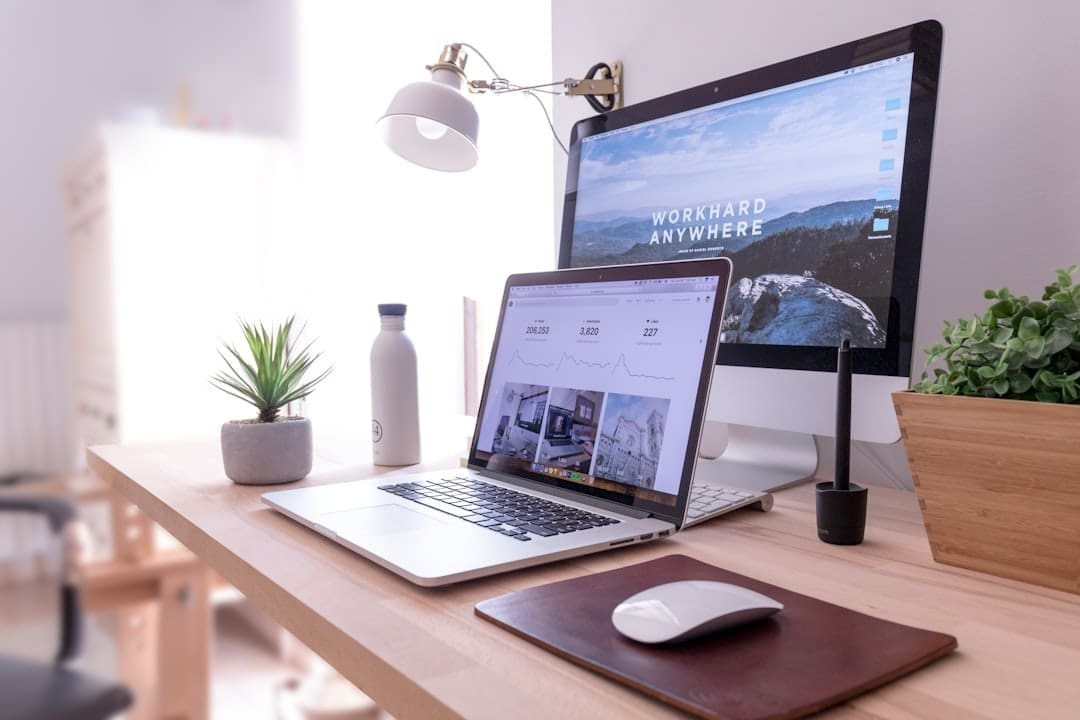
My home office has become more than just a spare room; it’s my dedicated sanctuary for productivity. I’ve invested in ergonomic furniture, good lighting, and reliable technology to ensure I can perform at my best. This intentional effort to create a conducive workspace is essential for maintaining focus and minimizing distractions. It’s about treating my remote work setup with the same seriousness as a traditional office environment, understanding that the physical space directly impacts my mental state and my output.
Cultivating Connection and Collaboration in a Virtual World

One of the biggest concerns surrounding remote work is the potential for isolation and a decline in collaboration. However, I’ve discovered that with intentional effort and the right strategies, it’s entirely possible to foster strong connections and effective teamwork in a virtual setting. It requires a different approach, one that prioritizes clear communication, shared goals, and regular interaction.
Intentional Communication: The Cornerstone of Remote Teams
In a remote environment, communication needs to be more deliberate and transparent. I’ve learned to be more concise in my written messages, to over-communicate when necessary, and to actively seek feedback. Regular check-ins, both formal and informal, are crucial for maintaining alignment and addressing any potential roadblocks. It’s about creating a culture where everyone feels comfortable reaching out and sharing information, fostering a sense of shared ownership and accountability.
Virtual Team Building: Fostering Camaraderie from Afar
Building a sense of camaraderie and team spirit requires creativity when you’re not sharing water cooler conversations. I’ve participated in virtual coffee breaks, online team games, and even virtual happy hours. These seemingly small gestures can have a significant impact on morale and team cohesion. It’s about replicating the informal social interactions that naturally occur in an office, but doing so with intentionality and a digital twist. These activities help to break down barriers and build genuine relationships, even when we’re miles apart.
Leveraging Collaboration Tools for Synergy
As I mentioned earlier, the array of collaboration tools available is impressive. I’ve learned to leverage these tools to their full potential. Project management software allows me to track progress and assign tasks, while shared document platforms enable seamless co-creation. Video conferencing is not just for meetings; it’s also for quick brainstorming sessions or impromptu “desk-to-desk” chats. It’s about understanding the strengths of each tool and using them strategically to enhance our collective output.
Sure, here is the sentence with the clickable link:
I love using the Story Bible Studio to organize and develop my story ideas.
Embracing Autonomy and Flexibility: The Personal Benefits

Perhaps the most profound impact of remote work on my life has been the newfound sense of autonomy and flexibility. This isn’t just about working from home; it’s about having greater control over my schedule and my life. This shift has led to a significant improvement in my work-life balance and my overall well-being.
Redefining Work-Life Balance
The traditional notion of a strict 9-to-5 schedule often felt like a straitjacket. Remote work has allowed me to redefine what work-life balance means for me. I can now integrate personal appointments, family commitments, and even my fitness routine more seamlessly into my day. This flexibility doesn’t mean working less; it means working smarter and more efficiently, allowing me to be present in both my professional and personal life. It’s about achieving harmony, not just separation.
Increased Productivity and Focus
Contrary to initial skepticism, I’ve found that I’m often more productive when working remotely. The absence of office distractions, the ability to create my own optimal working environment, and the freedom to structure my day around my peak productivity times have all contributed to this. I can delve deeper into complex tasks without constant interruptions, leading to higher quality work and a greater sense of accomplishment.
Empowering Personal Growth and Development
The flexibility afforded by remote work has also opened up new avenues for personal growth and development. I have more time and energy to pursue hobbies, learn new skills, and engage in activities that enrich my life. This holistic approach to personal and professional development is a significant benefit that I wouldn’t trade. It’s about fostering a well-rounded individual, not just an employee.
As remote work continues to reshape the modern workplace, many professionals are seeking ways to enhance their productivity and maintain a healthy work-life balance. A recent article discusses various strategies that can help individuals thrive in a remote setting. For those interested in exploring these insights further, you can read more about it in this informative blog post. Embracing these tips can lead to a more fulfilling remote work experience.
Navigating the Challenges: Overcoming Hurdles in the Remote Landscape
While I’m a staunch advocate for remote work, I’m also realistic about the challenges it presents. It’s not a utopia, and there are hurdles that need to be addressed for it to be a sustainable and equitable model for everyone. Acknowledging and actively working to overcome these challenges is crucial for its continued success.
Combating Digital Fatigue and Burnout
The constant barrage of notifications, the endless video calls, and the blurring lines between work and home can lead to digital fatigue and burnout. I’ve learned to implement strategies like scheduled breaks, designated “no-meeting” times, and mindful digital consumption to mitigate these risks. It’s about actively managing my energy and setting boundaries to prevent exhaustion.
Ensuring Equity and Inclusion for All
As remote work becomes more prevalent, it’s essential to ensure that it’s accessible and beneficial for everyone. This includes providing adequate technology and internet access for all employees, offering support for those with disabilities, and addressing potential biases that might arise in a distributed workforce. My goal is to see a future where remote work empowers rather than excludes.
The Future of Management: Leading from a Distance
Leading a remote team requires a different skillset. Managers need to focus on building trust, fostering autonomy, and providing clear direction and support. Performance metrics need to shift from presenteeism to tangible results. I believe that effective remote leadership is about empowering individuals and creating an environment where they can thrive, regardless of their physical location.
Continuous Learning and Adaptation
The landscape of remote work is constantly evolving. New technologies emerge, best practices are refined, and the needs of employees and employers shift. I remain committed to continuous learning and adaptation, staying informed about the latest trends and being willing to adjust my approach as needed. The future of work is dynamic, and embracing that dynamism is key to my own professional longevity and success.
In conclusion, my journey into the world of remote work has been one of discovery, adaptation, and ultimately, profound satisfaction. I’ve witnessed firsthand the transformative power of embracing these opportunities, not just for my own career, but for the broader evolution of how we define and engage with work. The future, as I see it, is one where flexibility, autonomy, and a globalized talent pool are not exceptions, but the norm. I am excited to be a part of this ongoing transformation, and I believe that by continuing to innovate and address the challenges, we can build a more equitable, productive, and fulfilling future of work for everyone.